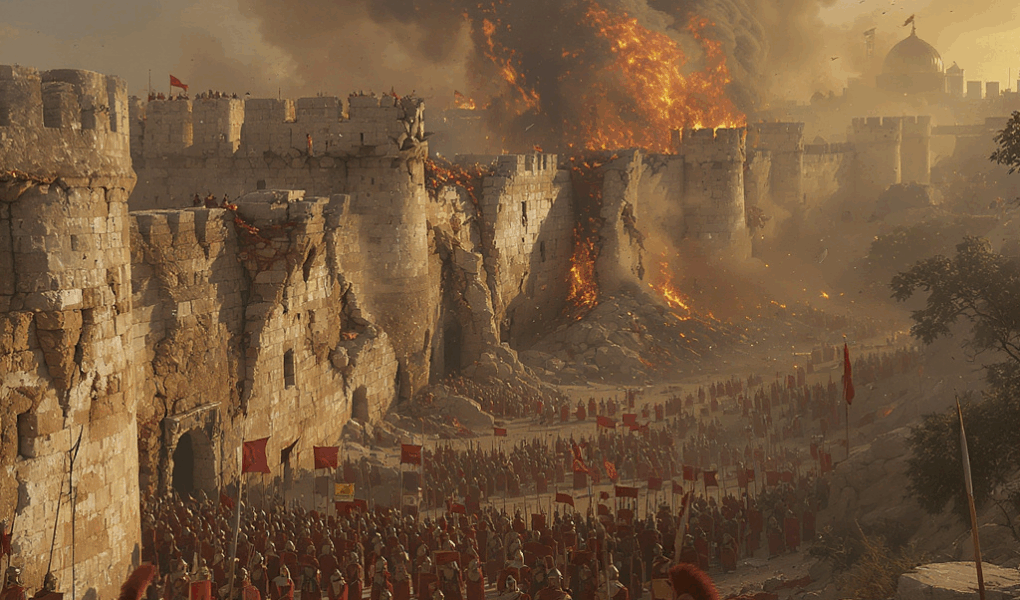
YOHANAN BEN ZAKKAI AND JERUSALEM PEACE FACTION FORCED INTO ZEALOTS’ FUTILE WAR AGAINST ROME
Click here for references and more Jerusalem history
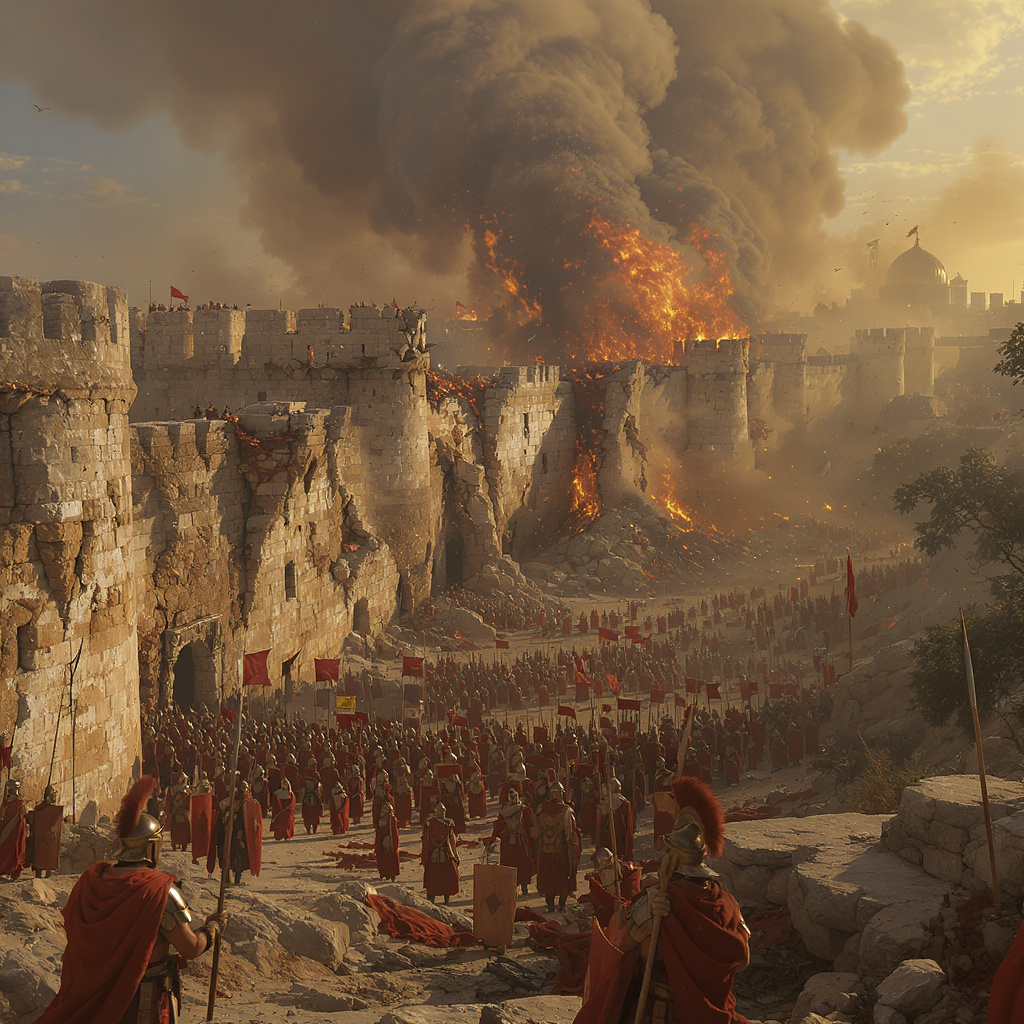
Banner Image: Jerusalem in Flames
From ANUNNAKI, LEGACY OF THE GODS
Techno-savvy ETs from the planet Nibiru who came for gold, created us from their genome to work the mines, posed as gods, decided to let us drown, but then decided to breed us to work for them
by Sasha Alex Lessin, Ph.D. (Anthropology, UCLA) & Janet Kira Lessin (CEO, Aquarian Media)
The Roman Republic fought battles throughout the Eastern Mediterranean that left it in control of the territories Alexander, Ptolemy, and Seleucus had created. In 66 BCE, Florus, the Roman governor of Judea, ordered his troops to invade Jerusalem’s upper market and kill all the Jews they met. The troops killed 3,600 people, not just in the market but also “plunged into every house and slaughtered the inmates.”
Pompey at the Temple
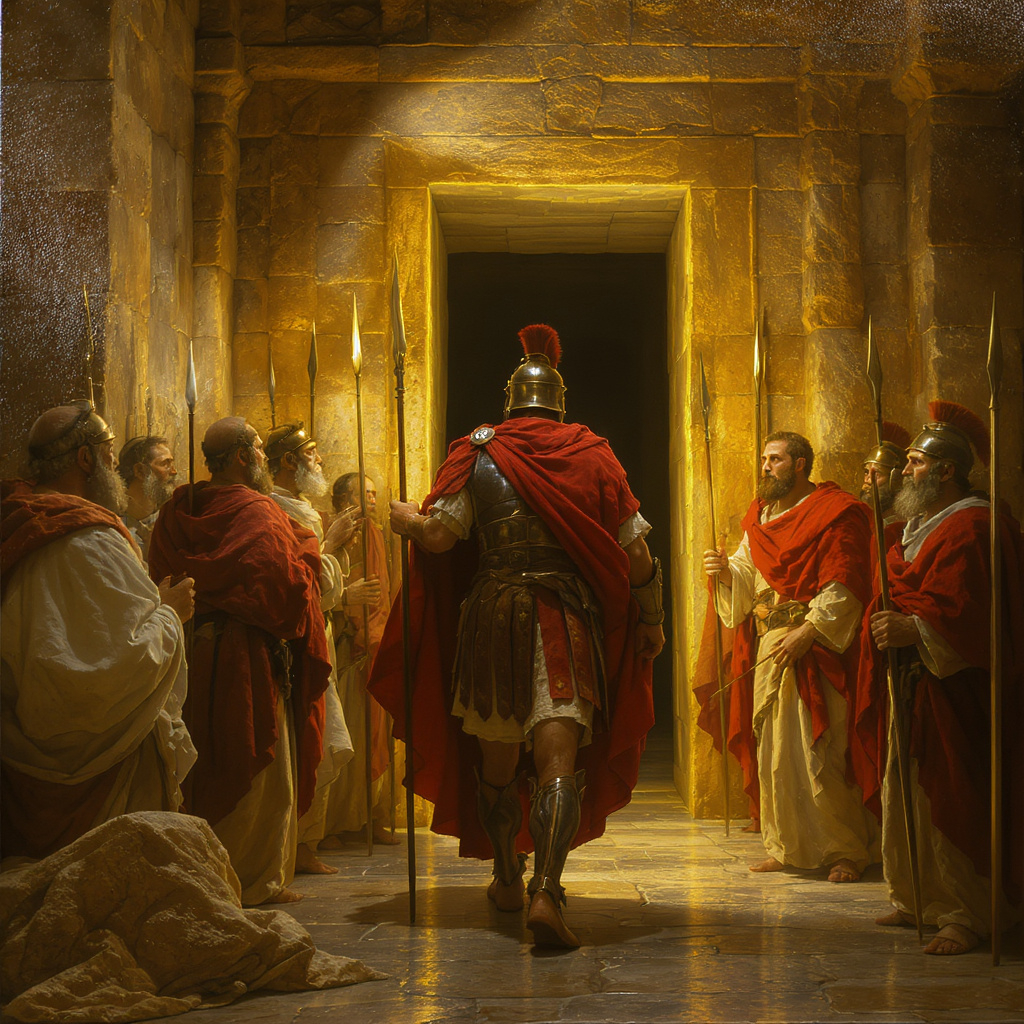
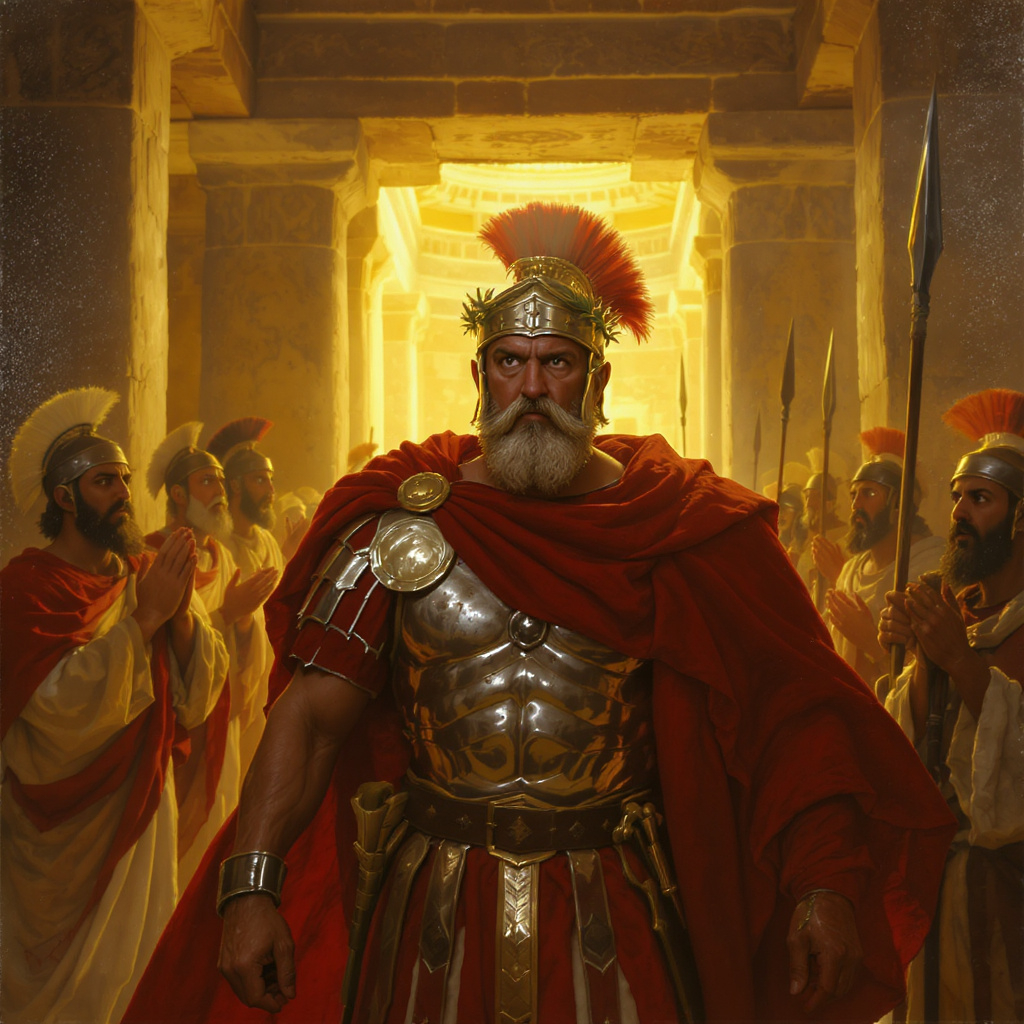
Roman general POMPEY sought control of the Hasmonean empire as key to run the Eastern Mediterranean. He heard delegations from Hyrcanus, Aristobulus, and the Sanhedrin rabbis. Each delegation asked Rome to intervene in their favor. When Pompey arrived in Jerusalem, Hyrcanus’ army withdrew, and Aristobulus surrendered; however, his army continued to hold the Temple against Pompey for two more months. Pompey took the Temple and killed 12,000 Jews within.
Pompey entered (and desecrated) the Holy of Holies sanctuary where priests kept worshipping even as the Romans burst in. Pompey expected to see in the sanctuary a statue of the Jewish god, but saw no statue and left the Temple intact.
Nonetheless, Yohanan ben Zakkai and the peace faction—Peaceniks—of Jerusalem urged acceptance of inevitable Roman rule. Practice, said Yohanan, mercy and loving acts to people instead of fighting for independence. The independence faction—Zealots—fought the peace faction to force them to join the revolt against Rome. The Peaceniks saw Roman political control as inevitable and wanted to negotiate religious freedom within Roman rule.
Zealots and Peaceniks fought in the city; Zealots assassinated people like Yohanan who sought peace and compromise with Rome. Zealots won the house-to-house and neighborhood-to-neighborhood civil war. They burned the city and the records of debt documents.
Romans and Syrians in nearby Caesarea retaliated. They killed the thousands of Jews among them. Jews throughout Judea retaliated and killed Romans and Syrians among them.
To stop independence movements from spreading to other provinces, Rome sent General Vespasian and 60,000 soldiers to Jerusalem. Romans trapped the Jews in Jerusalem but said they could surrender without slaughter. The Zealots refused to give up.
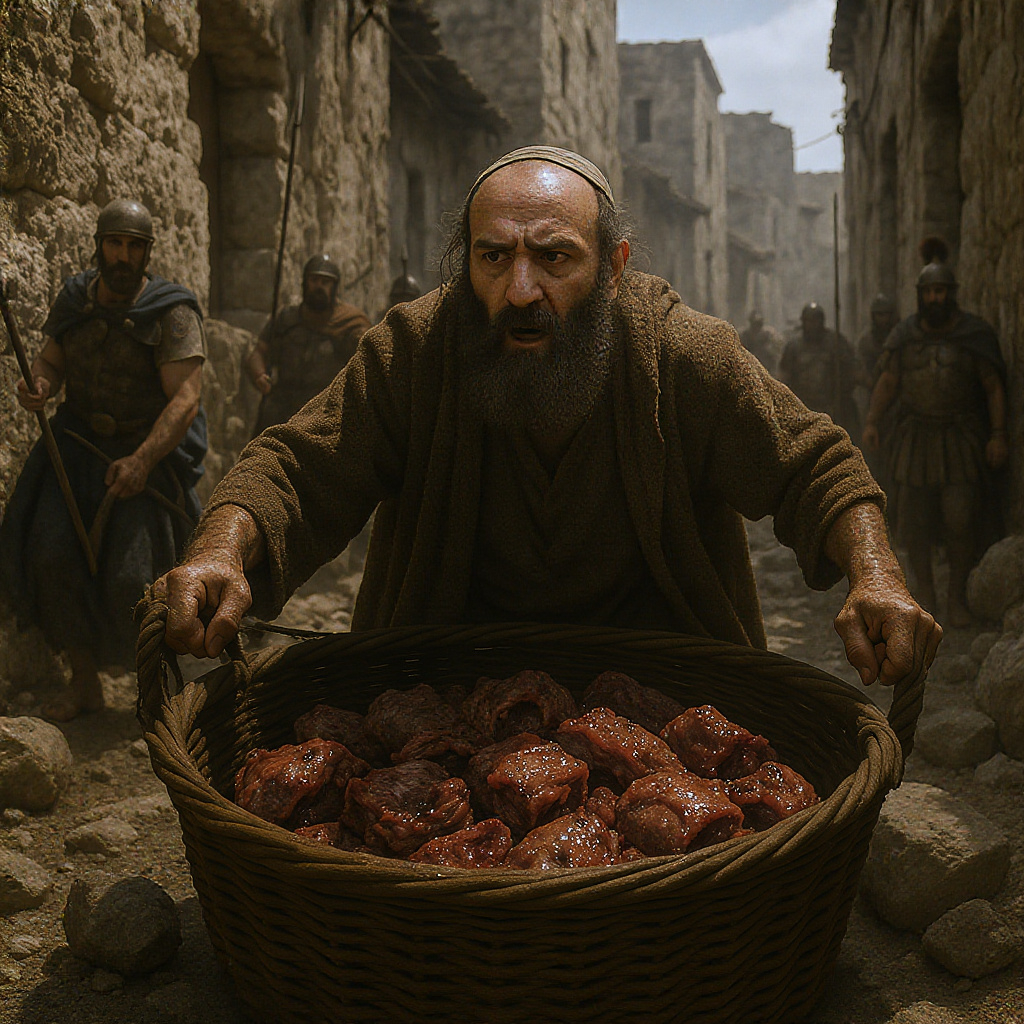
The six Zealot armies who ruled different Jerusalem neighborhoods forbade surrender. They stopped Jews trapped within the city—people starving from Roman control of the countryside—from fleeing the city. Romans caught Jews who managed to escape Jerusalem. The Romans cut open the captured escapees’ guts to find gold and jewels. The Romans tortured and then crucified Jewish captives and displayed them in a ring around the city. Yohanan, however, escaped Jerusalem disguised as a corpse in a bier of rotting meat.
Yohanan Escapes Jerusalem
ELEAZAR & ZEALOTS FOUGHT JERUSALEM’S PEACE FACTION & ROME
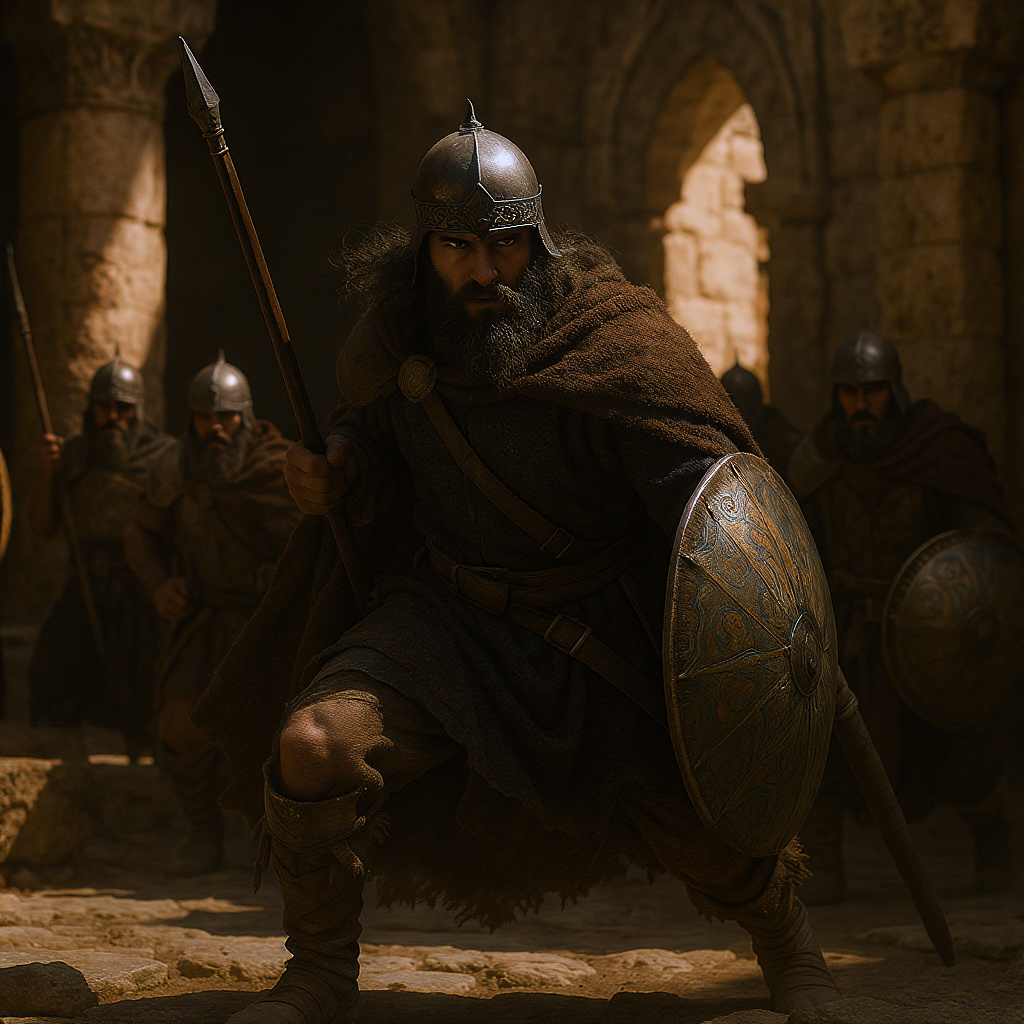
In 67 BCE, the Roman governor of Judea invaded the Temple, seeking its treasures. Temple Captain Eleazar and his faction of Zealots attacked the Romans stationed in Jerusalem and forced them to retreat to the west end of Jerusalem. The Zealots offered them safe passage if they gave up their weapons. Roman Commander Metilius agreed to the Zealot terms, but when the Romans disarmed, Eleazar’s men killed them all except Metilius, who decided to be circumcised and to convert to Judaism.
Eleazar and the Zealots
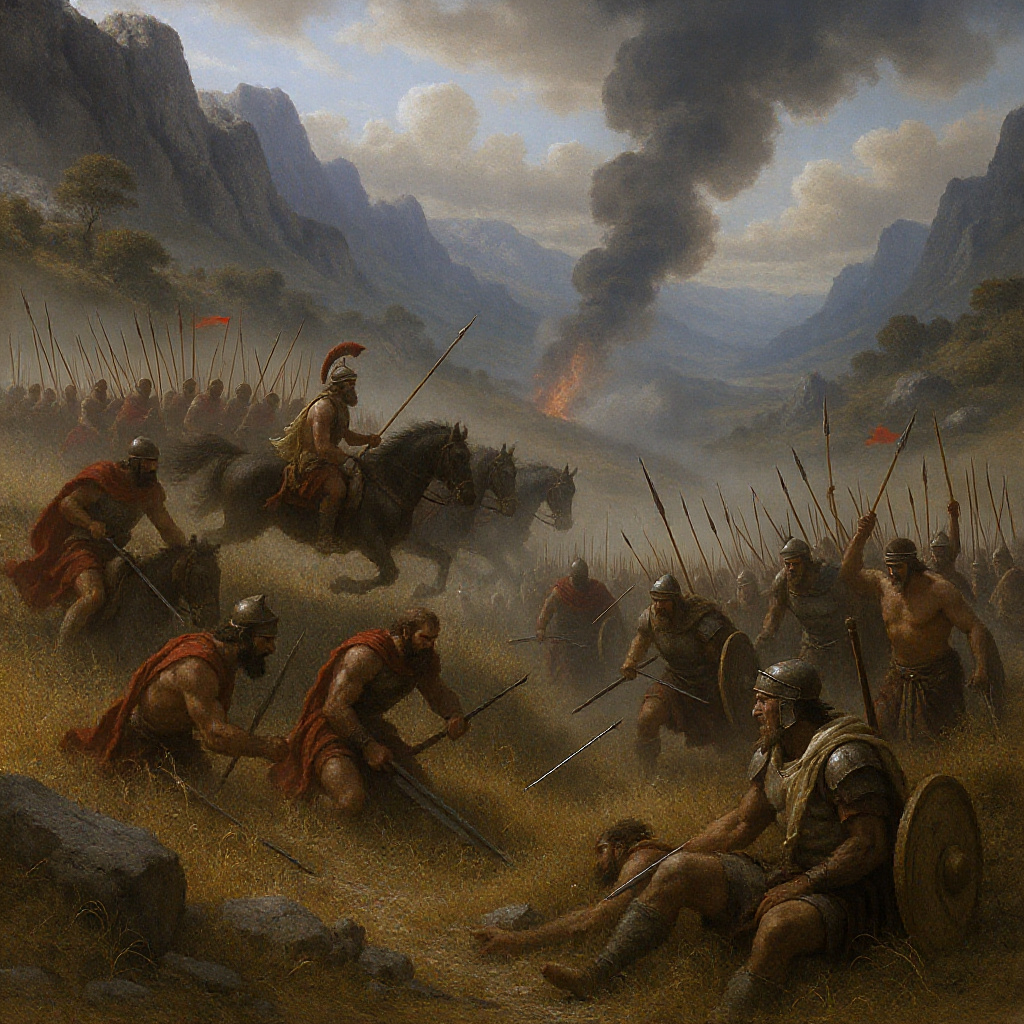
Cestius, the Roman governor of Syria, marched a large force toward Jerusalem. The Romans burned Jewish villages and killed all Jews in his path. The Zealots counterattacked Cestius’ army and killed 515 Roman soldiers.
Agrippa II, a Jewish administrator who worked for Rome and led the Peaceniks, negotiated a peace treaty with Cestius at the Roman bivouac outside Jerusalem. Rome would pardon the rebels if they disarmed and pledged allegiance to Rome. But when Agrippa’s emissaries returned to Jerusalem, the Zealots attacked them.
Cestius’ army captured Jerusalem’s suburbs, burned the Temple gate, then retired to negotiate with the Jews from safer quarters with secure supply lines. Cestius had shown the Jews that Rome could prevail and now sought to withdraw and avoid further Roman losses. But Zealots attacked Cestius’ army as it retreated through the narrow defiles from the hills of Jerusalem towards the Mediterranean. The lightly armored Zealots killed many Romans.
Cestius’ march “degenerated into a bloody rout. He lost 5,300 infantry, 480 cavalry, his catapults, battering rams, and siege machines. The Roman Empire could counter such a public humiliation only by thorough punishment of the city. Jews hoping to broker peace fled to the Roman side [Goodman: 10]. The Romans took Jerusalem, burned the Temple, and cut the throats of all whom they didn’t take as slaves.
Battle with Cestius
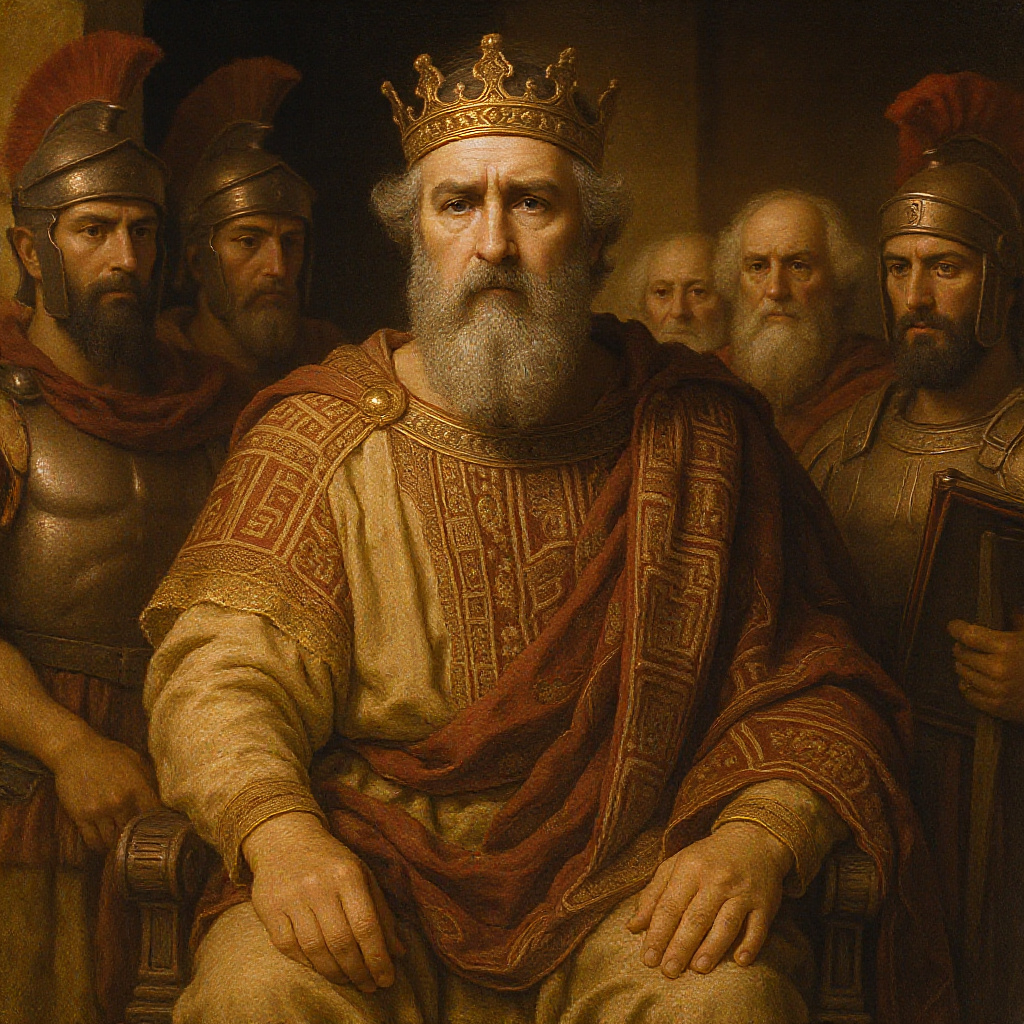
In 54 BCE, the Roman Crassus looted the Temple treasury. The Jews revolted again, but the Romans subdued them again in 43 BCE. The Romans ruled Judea from Syria, then appointed a local Governor for Judea. The Roman governor let the Jews select a High Priest for the Temple and a King for the Jews. In 36 BCE they chose Herod, a descendant of the forced Edomite converts to Judaism who did as Rome told him. Herod ruled for Rome until 4 BCE.
Herod as Puppet King
Jerusalem no longer had a Jewish King and was a mere province administrated by a Roman Procurator Pontius Pilate, who arrived in 26 CE with orders to quell Jewish riots against Roman rule. Pilate brought Roman troops, coins with images of the Temple—seen by the Jews as blasphemous images—to use in the Temple.
Transition: The Anunnaki Legacy
THE ANUNNAKI LEGACY
From ANUNNAKI, LEGACY OF THE GODS by Sasha Alex Lessin, Ph.D. (Anthropology, UCLA) & Janet Kira Lessin (CEO, Aquarian Media)
👉 Book Link
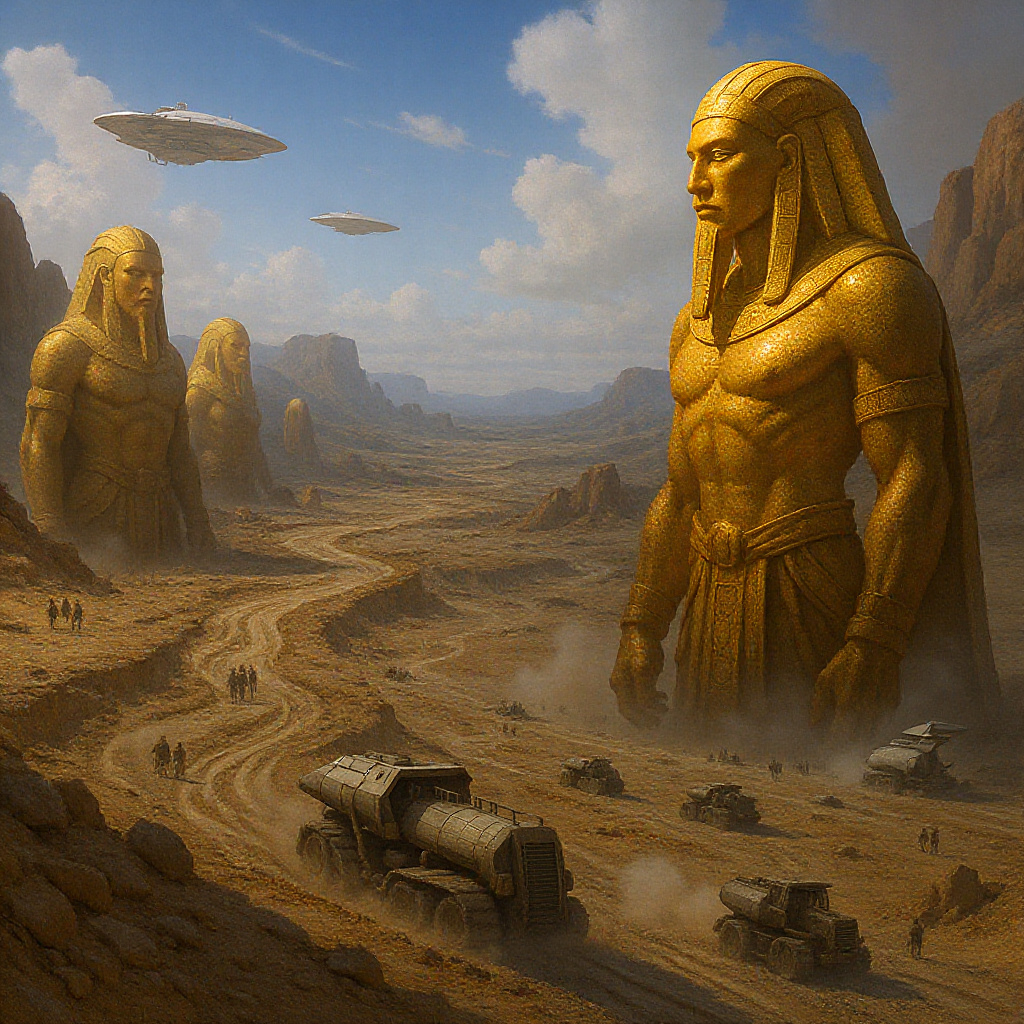
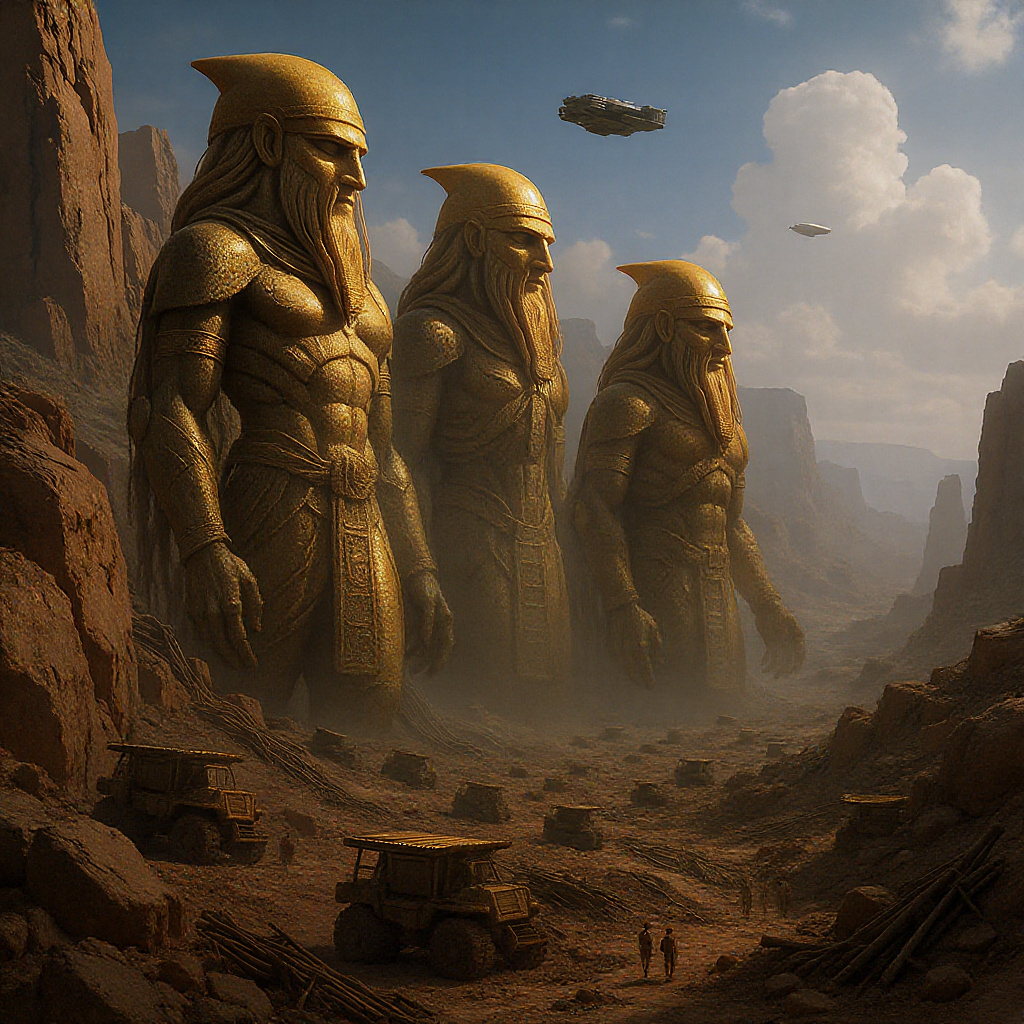
Long-lived (hundreds of thousands of years) extraterrestrial Homo sapien Goliaths from the planet Nibiru mined gold on Earth 400,000 years ago. Three hundred thousand years ago, they created Earth-adapted, short-lived mine slaves—that’s us—from their genome. We called them “Anunnaki,” People-From-The-Sky or Serpent-People. They taught us hierarchy, violence, greed, slavery, and debt. They made us worship them, call them “gods.”
200,000 years ago, Lucifer (Enki), their Chief Scientist, begat a line of Earthlings whom he exalted. In 11,000 BCE, Lucifer and his lover Batanash begat Noah. After Noah’s flood, the Anunnaki ruled through Noah’s sons’ descendants.
The Anunnaki ruined their eastern Mediterranean cities with nuclear blasts and fallout storms. Most of them returned to Nibiru by 311 BCE.
But some stayed. They and their descendants—the power elite—rule us to this day.
The Anunnaki taught one-upmanship. We watched them kill each other to rule. Today, elites still kill each other and each other’s followers. Our ancestors plundered, enslaved, or killed whomever their master, the dominant Nibiran in their area, told them. We Earthlings still plunder, enslave, and kill whomever our elites tell us.
The Anunnaki loosed plagues, nuclear bombs, and other weapons of mass killing upon us. They forced mutually unintelligible languages and scripts upon us and withheld knowledge. They and their spawn made exclusive, hostile nations and religions to keep us divided. They addicted us to credit institutions to keep us slaving.
The Anunnaki stand feet taller and live millennia longer than we. We killed in their names: Allah (= Sumerian Nannar), Yahweh (Enlil, sometimes Adad), and Inanna (Ishtar)—Nibiran Expedition personnel all. They bred us to slave in mines, armies, businesses, schools, governments, farms, factories, brothels, and building projects.
We worshipped them and the “royal” lines of ever-murderous hybrid rulers and priests—the elite—they begat.
Most of the Anunnaki returned to Nibiru. A few who remained on Earth and the hybrids through whom they still rule give all factions and nations credit and arms and engineer wars among them. The elite run competing religions which each say they’ll bring back the Anunnaki god of their faith and defeat gods and followers of other faiths.
The ancient scenarios of divide-and-rule, to this very day, make us deplete our resources, pollute our environment, and wage war. The matrix the Anunnaki modeled makes us recklessly exploit our resources and pollute. The elite and their ET controllers see that we never feel our unity as a planet of peace.
Anunnaki and hybrid overseers imprinted their greed, one-upmanship, and dominator-consciousness on us. They modeled, dictated, and indoctrinated avarice, domination, slavery, competition, hate, and violence.
Yahweh and Allah-Nannar murdered many. These Anunnaki lacked compassion, showed neither love nor divinity.
Other Anunnaki—Lucifer, Thoth (Ningishzidda), and Lilith (Ninmah)—love us and continue to work to free us from the mental virus with which Yahweh and Allah infected us. Lucifer, Lilith, and Thoth can, when we stop warring, advance our astronomy, medicine, energy, rocket science, and survival strategies.
The Anunnaki dictated their worldview to Earthling scribes of Iraq (then called Sumer). Clay tablets the gods dictated say that back on Nibiru, a king and his military ruled. The Anunnaki “gods” dictated tales of how, 450,000 years ago, they got gold from Earth and how, until 300,000 years ago—when they created us for the mines—they shipped the gold back to Nibiru.
Their tales of their stay on Earth before they made our ancestors, as well as what our forefathers directly saw, imprinted us with the values of their hierarchic, male-run, master-slave-enemy mentality. We assumed values of extraction, pollution, monetary monopoly, and obsession with gold.
Millions of years before the Anunnaki got to Earth, other ET terraformers seeded hominoids here. The terraformers introduced advanced hominoids, ancestors of Erectus, Neanderthal, and Bigfoot, to Earth so the Anunnaki could implant Erectus genes into their Homo sapiens genome and thus adapt their genome to Earth. The Anunnaki created what the terraformers planned for us—they made us Homo sapien like them, but adapted to Earth. Eighty percent of our DNA is from off-planet.
We progressed when the Anunnaki gave us new technologies. Every 3,600 years, they gave us marvelous devices, astronomical and geological information, new crops, new chemistry, and ever-more lethal weapons. Suddenly, our architecture, public projects, weaponry, and military training revved up and we built new cities, temples, and armies.
Our Sumerian ancestors didn’t imagine gods who made them literate and told them what to write. Rather than make up gods, Sumerians saw, heard, and bred with Anunnaki as very tall, long-lived beings. Sumerians watched the giants run machines and computers; they saw them fire weapons of mass destruction. They saw Anunnaki with small devices, MEs, overpower other Anunnaki.
Sumerians saw Anunnaki speak into devices and heard voices respond. The Anunnaki said the voices came from spacecraft beyond sight and the moon, southern Africa, the Andes, and the Indus Valley, as well as from visible rockets, shuttlecraft, orbiting stations, and planes.
In Sumer, then all over this planet, the gods gave our ancestors ever-advanced technologies and models so their half-breeds could rule, relate, mine, store data, compute, write, build, trade, and war.
Mesopotamians, Egyptians, Indians, Norse, Chinese, Tibetans, Central and South Americans all spoke of these gods who rode Celestial Chariots, threw thunderbolts, and, when Nibiru neared Earth, gave us crops, herds, devices, medicine, laws, knowledge, and more Nibiran genes.
In 2000, Zecharia Sitchin showed us clay and stone proof. Rocks and inscribed records—astronomical, geological, geographical, chemical, and biological info—that Sumerians said gods gave them, info our scientists only got millennia later.
Sitchin solved the mysteries of missing hominid links never found since they didn’t exist. He showed how the Anunnaki periodically upleveled our society and its industries. No missing physical links existed since we appeared suddenly when Lucifer and his cohorts added Erectus genes to their genome. We got advanced technology when Sumerian “gods” gave it to us.
Sumerians tagged Anunnaki aircraft, submarines, helicopters, spaceships, weapons, and computers with their own words and words the gods taught them. Our ancestors called aircraft and rockets “skyships,” “celestial chariots,” and “fire-breathing dragons.” They named helicopters “whirlbirds.” A whale that swallowed Jonah = a submarine; weapons = “brilliances.” We labeled Nibiran medical and scientific achievements “miracles.”
Our ancestors recorded the history, scientific words, and concepts the gods taught them. What gods called “MEs” we call computer programs. Our cultures added descriptions, metaphors, similes, and analogies to the words the gods gave us. We can now decode our ancestors’ metaphors for the gods and their technology instead of dismissing the weapons, vehicles, and personalities of gods as superstitious myths.
Unless ETs intervene to save us—or the weight of Sumerian evidence convinces Muslims, Jews, and Christians to give up their fear gods, their compulsions to unquestioningly obey governmental and religious authorities, and their impulse to crush others—we’ll keep warring.
We are one family. The Anunnaki and their hybrid successors duped us. We must recover our oneness as a species. As we face new ET demands for our allegiance and gold, we can negotiate for life extension, medicine, free energy, space transport, and other ET technologies. We and they can support each other and face our common challenges—environmental, social, and psychological.
The truth of our genetics frees us from the master-slave, god-devotee, boss-worker, lord-tenant model the ETs imposed on us. We can end physical and economic slavery, hierarchic obsession, derogation of women, gold lust, antagonistic religions, and nations.
Free of short, desperate lives, we’ll create our future. We’ll activate our latent Nibiran genes, better our genome, and join galactic civilization.
Cast of Characters
- Yohanan ben Zakkai (Jewish Sage)
- Bio: Leader of Jerusalem’s peace faction, urged mercy and acceptance of Roman rule, later founded the Yavne academy.
- Prompt: “Headshot of Yohanan ben Zakkai, elderly Jewish sage with white beard, wearing simple robes, wise compassionate eyes.”
- Eleazar (Zealot Captain)
- Bio: Captain of the Temple guard and leader of the Zealots, fierce defender of Jerusalem against Rome.
- Prompt: “Headshot of Eleazar, young bearded Jewish warrior with determined expression, simple armor and headband.”
- Vespasian (Roman General, Later Emperor)
- Bio: Roman general sent to crush the Jewish revolt, later became emperor.
- Prompt: “Portrait of Vespasian, Roman general with stern face, cropped hair, armor and cloak, realistic Roman bust style.”
- Cestius (Roman Governor of Syria)
- Bio: Roman commander whose defeat in Jerusalem emboldened the Zealots.
- Prompt: “Headshot of Cestius, Roman military officer in armor, grim expression, scarred face.”
- Agrippa II (Jewish Client King)
- Bio: Last ruler of the Herodian dynasty, loyal to Rome, attempted to negotiate peace with rebels.
- Prompt: “Headshot of Agrippa II, Jewish nobleman in Roman-inspired robes, regal bearing, realistic artistic style.”
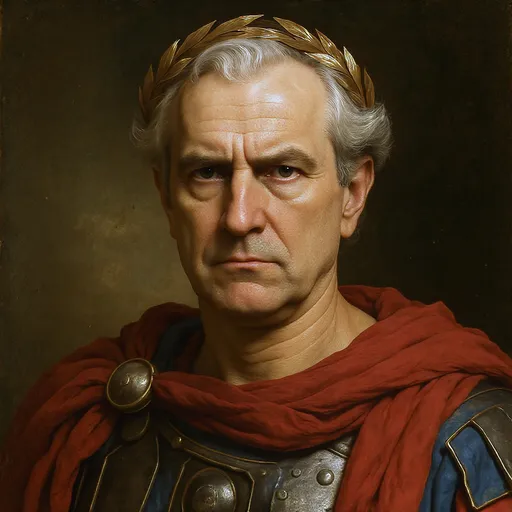
- Crassus (Roman General)
- Bio: Roman general who looted the Temple treasury in 54 BCE.
- Prompt: “Portrait of Crassus, wealthy Roman general, proud expression, Roman armor with red cloak.”
- Herod the Great (Jewish King under Rome)
- Bio: Puppet king installed by Rome, ruled from 36–4 BCE, remembered for both grand building projects and cruelty.
- Prompt: “Headshot of Herod the Great, middle-aged man with trimmed beard, crown and Roman-style royal robes.”
- Pontius Pilate (Roman Procurator)
- Bio: Roman governor from 26 CE, notorious for brutality and use of blasphemous coins in the Temple.
- Prompt: “Portrait of Pontius Pilate, stern Roman official in armor, cloak draped, piercing eyes.”
YOHANAN BEN ZAKKAI AND JERUSALEM PEACE FACTION FORCED INTO ZEALOTS’ FUTILE WAR AGAINST ROME
Click https://wp.me/p1TVCy-4d8 for references and more Jerusalem history.
From ANUNNAKI, LEGACY OF THE GODS
Techno-savvy ETs from the planet Nibiru who came for gold, created us from their genome to work the mines, posed as gods, decided to let us drown, but then decided to breed us to work for them
— by Sasha Alex Lessin, Ph.D. (Anthropology, UCLA) & Janet Kira Lessin (CEO, Aquarian Media)
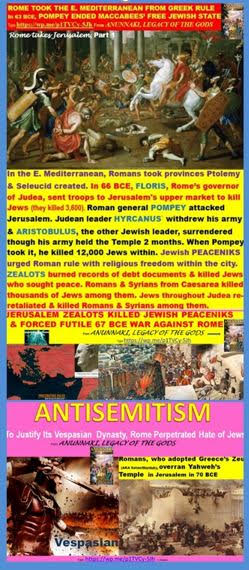
The Roman Republic fought battles throughout the Eastern Mediterranean that left them in control of the territories Alexander, Ptolemy and Seleucid had created. In 66 BCE, Florus, the Roman governor of Judea, ordered his troops to invade Jerusalem’s upper market and kill all the Jews they met. The troops killed 3,600 people, not just in the market but also “plunged into every house and slaughtered the inmates.”
Roman general POMPEY, sought control of the Hasmonean empire as key to run the Eastern Mediterranean. He heard delegations from Hyrcanus, Aristobulus and the Sanhedrin rabbis. Each delegation asked Rome to intervene in their favor. When Pompey arrived in Jerusalem, Hyrcanus’ army withdrew, and Aristobulus surrendered; however, his army continued to hold the Temple against Pompey for two more months. Pompey took the Temple and killed 12,000 Jews within.
Pompey entered (and desecrated) the Holy of Holies sanctuary where priests kept worshipping even as the Romans burst in. Pompey expected to see in the sanctuary a statue of the Jewish god, but, of course, saw no statue and left the Temple intact.
Nonetheless, Yohanan ben Zakkai and the peace faction—Peaceniks—of Jerusalem urged acceptance of inevitable Roman rule. Practice, said Yohanan, mercy and loving acts to people instead of fighting for independence. The independence faction—Zealots—fought the peace faction to force them to join the revolt against Rome. The Peaceniks saw Roman political control as inevitable and wanted to negotiate religious freedom within Roman rule.
Zealots and Peaceniks fought in the city; Zealots assassinated people like Yohanan who sought peace and compromise with Rome. Zealots won the house-to-house and neighborhood-to-neighborhood civil war. They burned the city and the records-of-debt documents.
Romans and Syrians in nearby Caesarea retaliated. They killed the thousands of Jews among them. Jews throughout Judea retaliated and killed Romans and Syrians among them.
To stop independence movements from spreading to other provinces, Rome sent General Vespasian and 60,000 soldiers to Jerusalem. Romans trapped the Jews in Jerusalem but said they could surrender without slaughter. The Zealots refused to give up.
The six Zealot armies who ruled different Jerusalem neighborhoods forbade surrender. They stopped Jews trapped within the city—people starving from Roman control of the countryside—from fleeing the city. Romans caught Jews who nonetheless escaped Jerusalem. The Romans cut open the captured escapees’ guts to find gold and jewels. The Romans tortured and then crucified Jewish captives and displayed them in a ring around the city. Yohanan, however, escaped Jerusalem disguised as a corpse in a bier of rotting meat.
ELEAZAR & ZEALOTS FOUGHT JERUSALEM’S PEACE FACTION & ROME
In 67 BCE, the Roman governor of Judea invaded the Temple, seeking its treasures. Temple Captain Eleazar and his faction of Zealots attacked the Romans stationed in Jerusalem and forced them to retreat to the west end of Jerusalem. The Zealots offered them safe passage if they gave up their weapons. Roman Commander METLIUS agreed to the Zealot terms, but when the Romans disarmed, Eleazar’s men killed them all except Metilius, who decided to be circumcised and to convert to Judaism.
CESTIUS, the Roman governor of Syria marched a large force toward Jerusalem. The Romans burned Jewish villages and killed all Jews in his path. The Zealots counterattacked Cestius’ army, and killed 515 Roman soldiers.
AGRIPPA II, a Jewish administrator who worked for Rome and led the Peaceniks, negotiated a peace treaty with Cestius at the Roman bivouac outside Jerusalem. Rome would pardon the rebels if they disarmed and pledged allegiance to Rome. But when Agrippa’s emissaries returned to Jerusalem, the Zealots attacked them.
Cestius’ army captured Jerusalem’s suburbs, burned the Temple gate, then retired to negotiate with the Jews from safer quarters with secure supply lines. Cestius had shown the Jews that Rome could prevail and now sought to withdraw and avoid further Roman losses. But Zealots attacked Cestius’ army as it retreated through the narrow defiles from the hills of Jerusalem towards the Mediterranean. The lightly armored Zealots killed many Romans.
Cestius’ march “degenerated into a bloody rout. He lost 5,300 infantry, 480 cavalry, his catapults, battering rams and siege machines. The Roman Empire could counter such a public humiliation only by thorough punishment of the city. Jews hoping to broker peace fled to the Roman side [Goodman: 10]. The Romans took Jerusalem, burned the Temple and cut the throats of all whom they didn’t take as slaves.
In 54 BCE, the Roman Crassus looted the Temple treasury. The Jews revolted again, but the Romans subdued them again in 43 BCE. The Romans ruled Judea from Syria, then appointed a local Governor for Judea. The Roman governor let the Jews select a High Priest for the Temple and a King for the Jews. In 36 BCE they chose Herod, a descendant of the forced Edomite converts to Judaism who did as Rome told him. Herod ruled for Rome until 4 BCE.
Jerusalem no longer had a Jewish King and was a mere province administrated by a Roman Procurator Pontius Pilate, who arrived in 26 CE with orders to quell Jewish riots against Roman rule. Pilate brought Roman troops, coins with images of the Temple—seen by the Jews as blasphemous images—to use in the Temple.
Read more, see youtubes, illustrations, peruse references at https://wp.me/p1TVCy-4d8