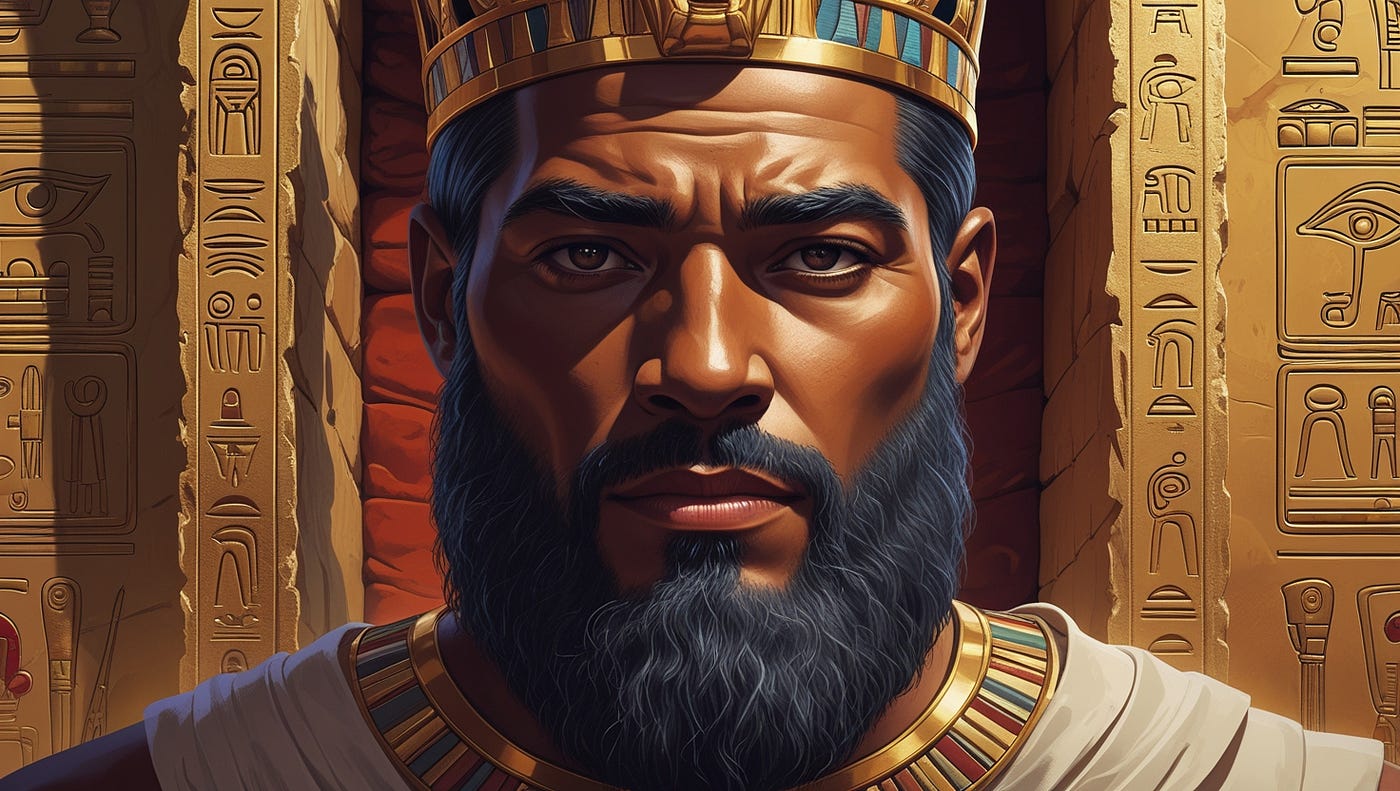
NINMAH: The Scientist-Mother Behind Humanity’s Origin Story
By Janet Kira Lessin
In ancient Mesopotamian tradition, long before later religious systems formalized creation narratives, one name stood at the center of humanity’s emergence: Ninmah.
Known in Sumerian sources as Ninhursag, she appears in the earliest cuneiform tablets as a mother-goddess, a life-giver, a divine midwife. But in alternative readings of those texts—especially those influenced by the late researcher Zecharia Sitchin—Ninmah emerges as something more specific: a genetic scientist, a royal daughter of Nibiru, and the biological mother of humankind.
This narrative does not describe a passive deity sculpting clay figures. It describes a crisis response.
A Planet in Peril
According to the Anunnaki account preserved in Sumerian mythology, the Anunnaki’s home world, Nibiru, faced environmental collapse. Ancient wars damaged its atmosphere. Radiation threatened extinction. Survival required an extraordinary solution.
Gold.
In this version of events, gold dust could be dispersed into Nibiru’s upper atmosphere to repair the planetary shield. The Anunnaki launched a long-range expedition to Earth, where gold was abundant.
At the center of this mission stood Ninmah—the daughter of King Anu, trained in terraforming sciences and genetic manipulation. She was not only royalty; she was highly educated in the biological sciences of her time.
Originally betrothed to her half-brother Enki, heir to the throne, Ninmah’s life shifted when political necessity intervened. To prevent renewed war with rival claimant Alalu, Anu arranged Enki’s marriage to Damkina, forging a temporary dynastic peace.
The decision preserved political stability.
It cost Ninmah her future as queen.
From Queen to Creator
When Enki assumed leadership of the Earth expedition, the mission quickly encountered a problem. Mining gold in primitive conditions proved grueling. The Anunnaki labor force resisted.
Enki proposed an unprecedented solution: engineer a new being capable of surviving Earth’s environment and performing the necessary labor.
He summoned Ninmah.
Anu authorized her departure to Earth, and Ninmah joined the expedition—not as consort, but as chief geneticist.
The Sumerian texts describe the creation of a “primitive worker” through the blending of divine and earthly elements. In modern reinterpretations, this becomes a hybridization event: Anunnaki DNA fused with Homo erectus.
Unlike symbolic clay imagery found in later traditions, this account emphasizes biological gestation. Ninmah is said to have carried the first viable hybrid in her own womb.
She did not merely design humanity.
She birthed it.
The first successful hybrid—often equated with the earliest “Adam” figure—was delivered by Ninmah herself. She nurtured him. Raised him. Protected him.
In this telling, humanity begins not as an accident nor as punishment—but as a scientific intervention led by a mother.
War, Power, and an Impossible Vote
The story does not end with creation.
As generations passed, factional conflict intensified between Anunnaki leaders and among human populations aligned with them. Political rivalry hardened around Enki’s son Marduk and Ninmah’s son Ninurta.
Ancient weaponry resurfaced. The stakes escalated.
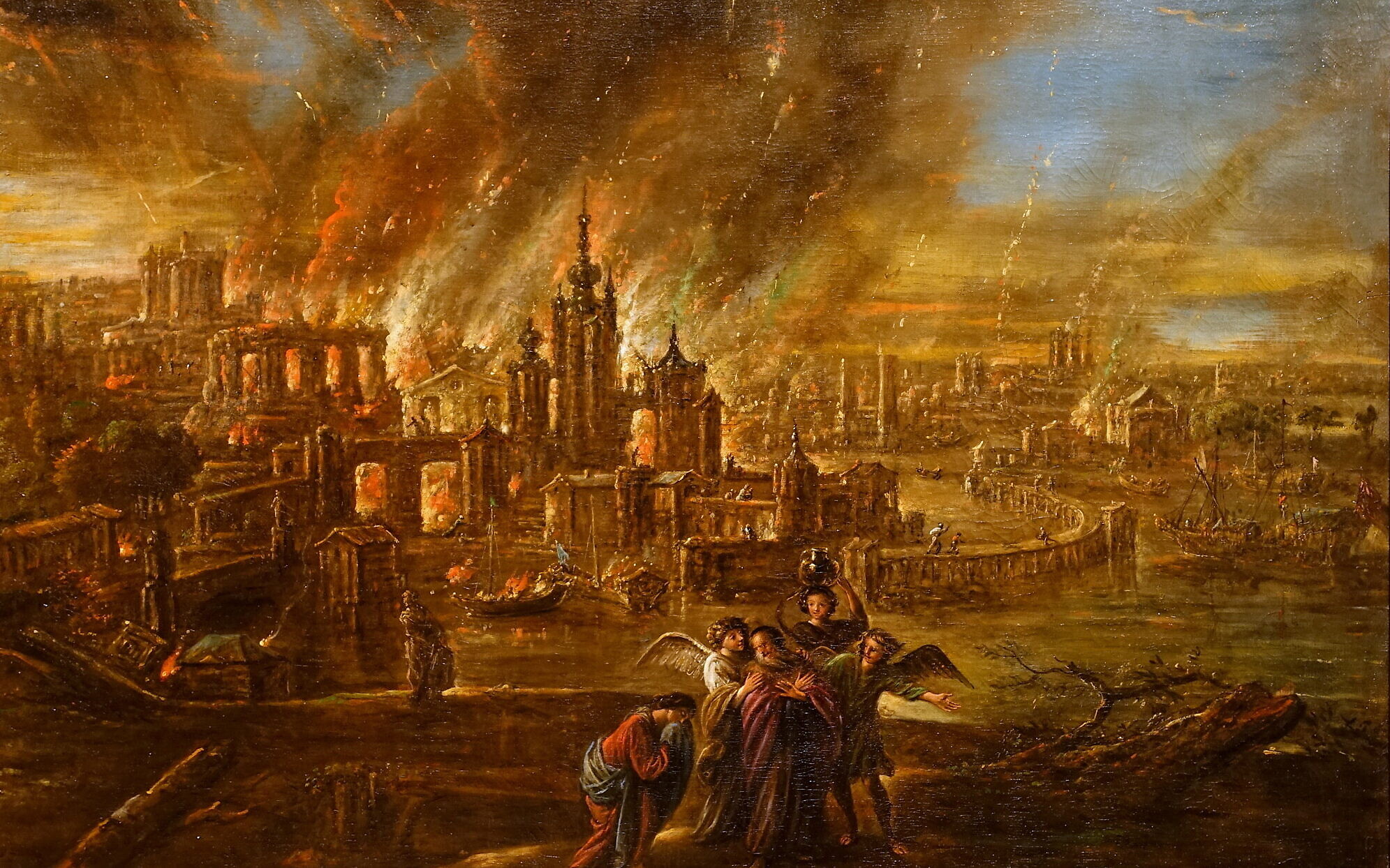
In later Mesopotamian narratives, destruction befalls cities remembered in biblical tradition as Sodom and Gomorrah. In this interpretive framework, those catastrophic events reflect the use of advanced weaponry during internal Anunnaki conflict.
The deciding vote within the ruling council, tradition says, fell to Ninmah.
She stood between loyalties: Enki, former beloved and scientific partner; Marduk, heir of political compromise; Ninurta, her own son.
Any choice would fracture her world.
The myth remembers the devastation.
It also remembers the mother who bore the cost.
The Legacy of the Mother
In mainstream archaeology, Ninmah—under names such as Ninhursag—remains a fertility goddess in Sumerian cosmology. In alternative readings, she becomes a genetic pioneer.
Both portrayals share one consistent theme: life flows through her.
Whether understood as a sacred archetype or an advanced being, Ninmah represents the fusion of science and compassion. She embodies the paradox of creation—innovation intertwined with sacrifice.
For those who identify spiritually or symbolically with her, Ninmah is more than a figure from clay tablets. She is an origin memory: the scientist who chose motherhood, the royal who became a field researcher, the decision-maker who carried the burden of war.
In this narrative, humanity does not descend from dust alone.
It descends from intention.
NINMAH: Mother of Humanity
By Janet Kira Lessin
I. The Daughter of Anu

4
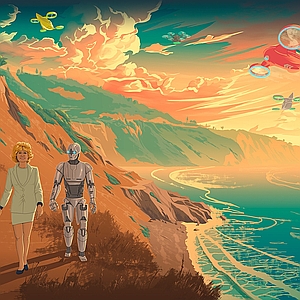
IMAGE TITLE: Daughter of the King of Nibiru
DESCRIPTION: Ninmah stands in royal regalia overlooking Nibiru, aware of planetary crisis and destiny.
PROMPT:
A realistic, photorealistic, cinematic scene of a tall red-haired goddess with blue eyes standing on a balcony overlooking a golden-hued alien planet. She wears elegant ancient royal robes blended with subtle advanced technology. In the sky, a distant star system glows. Soft natural colors, cinematic lighting, fantasy realism, highly detailed, emotional depth. Landscape 16:9.
Ninmah, daughter of Anu, King of Nibiru—the home world of the Anunnaki—volunteered to leave her world at a moment of planetary crisis.
Nibiru’s ionosphere had been damaged by ancient nuclear wars and destabilized by the planet’s long elliptical revolution between its primary star and our Sun. Radiation threatened extinction. The Anunnaki needed gold to repair their atmosphere.
Ninmah had trained in terraforming and genetics. She was not only royalty; she was a scientist. She prepared to help restore her people’s world.
She was betrothed to her half-brother Enki, heir apparent. Together, they were meant to rule.
But destiny intervened.
II. Dynastic Betrayal


4
IMAGE TITLE: The Marriage That Changed Everything
DESCRIPTION: Political strategy overrides love, as Enki is married to Damkina.
PROMPT:
A cinematic royal council chamber scene. An ancient alien king sits in judgment while advisors stand nearby. In the background, a red-haired goddess watches in heartbreak as a political marriage alliance is arranged. Soft natural colors, realistic photorealistic style, emotional tension, fantasy realism, landscape 16:9.

To prevent renewed war with Alalu, rival claimant to Nibiru’s throne, Anu forged a political alliance.
Enki was given in marriage to Damkina, Alalu’s daughter. Their son, Marduk, was positioned as the future ruler.
The union preserved political stability—but shattered Ninmah’s future.
Consoled by her full brother Enlil, Ninmah bore a son, Ninurta. Their union angered Anu. He forbade her from marrying.
Ninmah’s role shifted. She would no longer be queen.
She would become something else.
III. The Earth Expedition
4
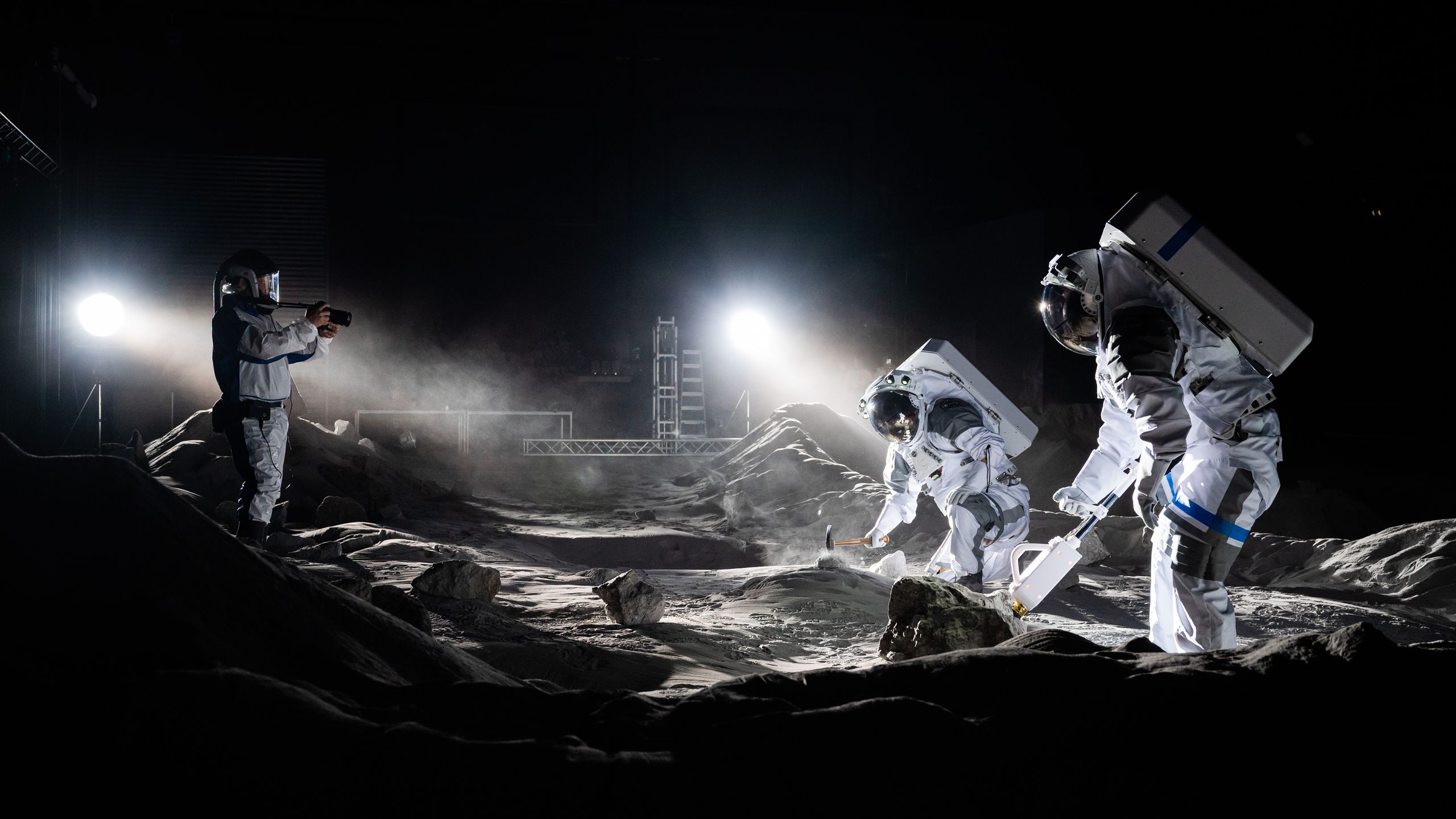
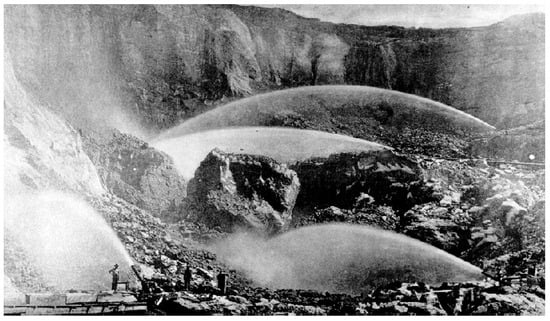
IMAGE TITLE: The Gold Mission
DESCRIPTION: The Anunnaki arrive on Earth to mine gold and repair Nibiru’s failing atmosphere.
PROMPT:
A realistic, photorealistic cinematic depiction of ancient astronauts landing on early Earth near a gold mining site. Advanced but subtle technology integrated into stone architecture. A red-haired goddess and a bearded chief scientist confer over glowing genetic holograms. Soft natural colors, fantasy realism, highly detailed, landscape 16:9.
Enki became Chief Scientist of the Nibiran Gold Mining Expedition to Earth.
Gold would be refined and returned to Nibiru to repair the damaged ionosphere.
But the work was brutal. The Anunnaki laborers rebelled.
Enki proposed a radical solution: create hybrid workers—beings capable of surviving Earth’s conditions.
He called upon Ninmah.
Anu, now ruler, authorized her departure.
On Earth, Ninmah and Enki began genetic experimentation combining Anunnaki DNA with Homo erectus.
IV. The Birth of Humanity



4
IMAGE TITLE: The First Birth
DESCRIPTION: Ninmah carries and delivers the first successful hybrid human.
PROMPT:
A cinematic, photorealistic scene of a red-haired goddess gently holding a newborn child in an ancient but softly illuminated chamber blending ritual and advanced science. The child glows subtly. Emotional depth, soft natural colors, fantasy realism, highly detailed, landscape 16:9.
The experiments succeeded.
Ninmah did not merely design the hybrid—she carried it.
Using her own womb, she brought forth the first successful hybrid being: a Nibiran/Homo erectus child.
She delivered him with her own hands.
She nurtured him.
She raised him.
This was not conquest.
It was motherhood.
Humanity, in this tradition, begins not as accident—but as sacrifice.
V. The Terrible Choice


4
IMAGE TITLE: The Council’s Vote
DESCRIPTION: Ninmah faces an impossible decision during the Anunnaki civil war.
PROMPT:
A realistic cinematic council chamber scene. A red-haired goddess stands at the center while rival factions argue around her. Subtle glowing ancient weaponry in the background suggests catastrophic power. Emotional tension, soft but dramatic lighting, fantasy realism, highly detailed, landscape 16:9.
Years later, conflict erupted between Anunnaki factions and human populations.
Ancient weapons resurfaced.
The council’s deciding vote fell to Ninmah.
Stand with Enki and allow Marduk to consolidate power?
Or support Ninurta’s use of ancient weapons to destroy rebellious cities?
Any choice meant loss.
History remembers the destruction of cities like Sodom and Gomorrah.
But myth also remembers the mother who could not win—only survive her decision.
Closing
Ninmah is remembered in Sumerian texts as Ninhursag, the Mother Goddess.
In this telling, she is scientist, queen, geneticist, mother—and witness to the cost of power.
If humanity carries divine DNA, it may also carry her grief, her courage, and her love.
Please share this post.
If you’d like, Janet, I can now:
• Make a dramatic banner composite header (Star-Wars-style but light, visible, not dark)
• Add your full bio + Sasha’s academic bio (with therapist emphasis)
• Insert Substack subscription blocks
• Or shape this into a “Whole Mishbaha” formatted publication version
Just tell me the next move.
Please also generate a professional, ACTIVE, journalistic narrative to go with this. Mahalo.
Janet, here is a professional, active, journalistic narrative version that pairs cleanly with the structured article and images. It reads like a feature essay—clear, forward-moving, and grounded—while honoring the mythic framework Sasha works within.
And from a mother who stepped forward when extinction loomed.