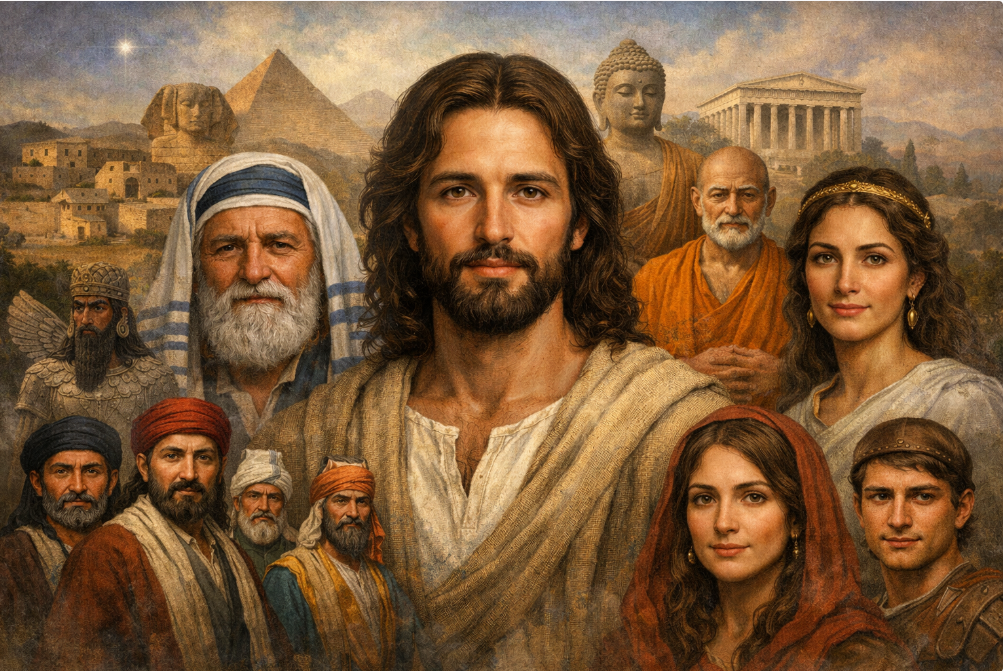
JESUS WAS BORN IN A HOUSE — NOT A STABLE — IN MARCH, 7 CE
By Sasha Alex Lessin, Ph.D. (Anthropology, UCLA)
With Janet Kira Lessin
For nearly two thousand years, Western Christianity has repeated a birth story that archaeology, anthropology, and early textual evidence do not support. The image is familiar: a pregnant Mary turned away from an inn, forced to give birth in a stable, laying her newborn in a manger beneath a December sky. It is a powerful scene — but it is not history.
In first-century Judea, there were no commercial inns as later imagined, no vacancy systems, and no cultural practice that would have excluded a pregnant woman from shelter. Families lived communally, often in extended households. Births took place in homes. The “manger” narrative does not reflect the lived realities of Galilee or Bethlehem in the early Roman period.
The idea that Mary was turned away because “there was no room at the inn” is a later interpretive gloss, not a historical account. Likewise, the presence of a stable reflects medieval European assumptions, not Middle Eastern architecture. Archaeology shows stone homes with shared domestic spaces — not barns — as the norm.
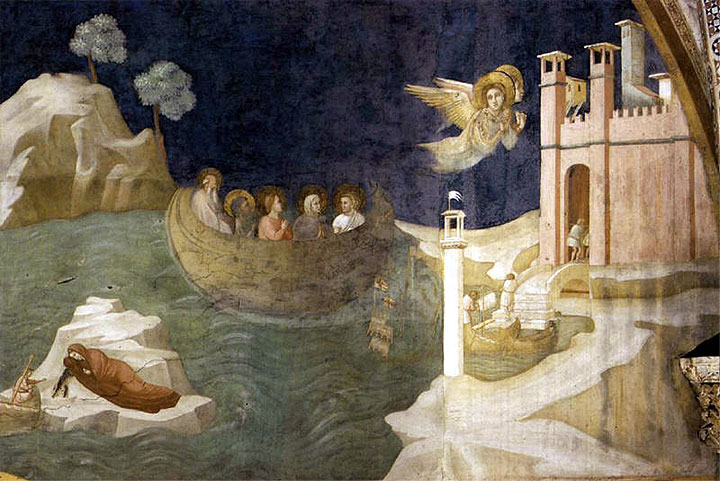
The familiar nativity scene owes more to medieval imagination, particularly the devotional dramatizations popularized by St. Francis of Assisi, than to the earliest Gospel texts. Even the Gospel of Matthew states plainly that the Magi visited Jesus in a house, not a stable (Matthew 2:11).
The date of Jesus’ birth is another inherited assumption. December 25th does not originate in early Christian tradition. Rather, it reflects Roman religious syncretism — specifically the alignment of Jesus’ birth with Mithraic solar worship and the Roman celebration of the Winter Solstice. Mithras, a Persian deity widely venerated by Roman soldiers, was associated with the rebirth of the sun. As Christianity spread through the Roman Empire, theological convenience overtook historical accuracy.
There is no evidence that Jesus was born in December. Climatic, agricultural, and textual indicators instead point to a springtime birth, most plausibly in March, around 7 CE, several years before the later ecclesiastical dating of 1 CE. This earlier dating aligns with known Roman censuses, the reign of Herod, and internal chronological markers within the Gospel narratives themselves.
Yet while dates and locations matter historically, they are not the heart of the story.
What does matter is the message that persisted across cultures, texts, and centuries — even as institutions reshaped it.
Before Christianity became an imperial religion, it was a radical ethical movement centered on compassion, nonviolence, and care for the marginalized. Long before Christmas became a commercial season, it absorbed elements of Roman Saturnalia — gift-giving, feasting, revelry — and Norse Yule traditions, including evergreen symbolism. These overlays did not originate with Jesus. They were cultural adaptations layered on later.
In the modern era, the Winter Solstice has been reclaimed by many as a metaphor rather than a dogma: the moment when light begins its return, when something dormant stirs beneath the cold surface of winter. In this sense, the symbolism resonates deeply with Jesus’ teachings — not as a literal birthday, but as a reminder of renewal, empathy, and moral awakening.
Much of what early Christians knew about Jesus’ life never made it into the official canon. Several centuries after Jesus’ death, under Emperor Constantine, Church authorities removed the Apocrypha from the New Testament. These texts included accounts of Jesus’ birth, childhood, and formative years — material that complicated imperial theology and centralized control.
Alternative traditions, preserved in non-canonical texts and later anthropological interpretations, present a far more complex picture of Jesus’ origins and education. Some accounts describe “angels” not as winged children, but as powerful emissaries — figures consistent with ancient descriptions of technologically advanced beings later interpreted through religious language. In these readings, angels were not supernatural abstractions but intermediaries between ruling powers and humanity.
Other traditions suggest that Jesus spent many of his “missing years” outside Judea, traveling through India and Tibet, where he was known as Issa. Ancient Buddhist and Hindu sources describe a foreign teacher who studied with holy men, absorbed Eastern philosophies, and rejected rigid caste systems. He is remembered as a figure who challenged priestly authority, defended the poor, and affirmed the dignity of women — positions that later placed him at odds with religious elites both East and West.
When Jesus returned to Palestine in his early thirties, he was not the militant messiah many expected. He did not call for armed rebellion against Rome. Instead, he spoke of inner transformation, shared humanity, and moral responsibility. This disappointed those who sought a warrior-king, but it alarmed both Roman and religious authorities nonetheless.
Some alternative historical interpretations — including those of Barbara Thiering and others — suggest that Jesus did not die on the cross, or that his death was not the end of his story. In these accounts, Jesus married Mary Magdalene, had children, and lived beyond the crucifixion, continuing to oppose imperial domination and religious manipulation. These narratives, whether taken literally or symbolically, reinforce a central theme: Jesus ultimately rejected systems of control — whether Roman, priestly, or cosmic — and affirmed human agency.
What is beyond dispute is what happened after Jesus.
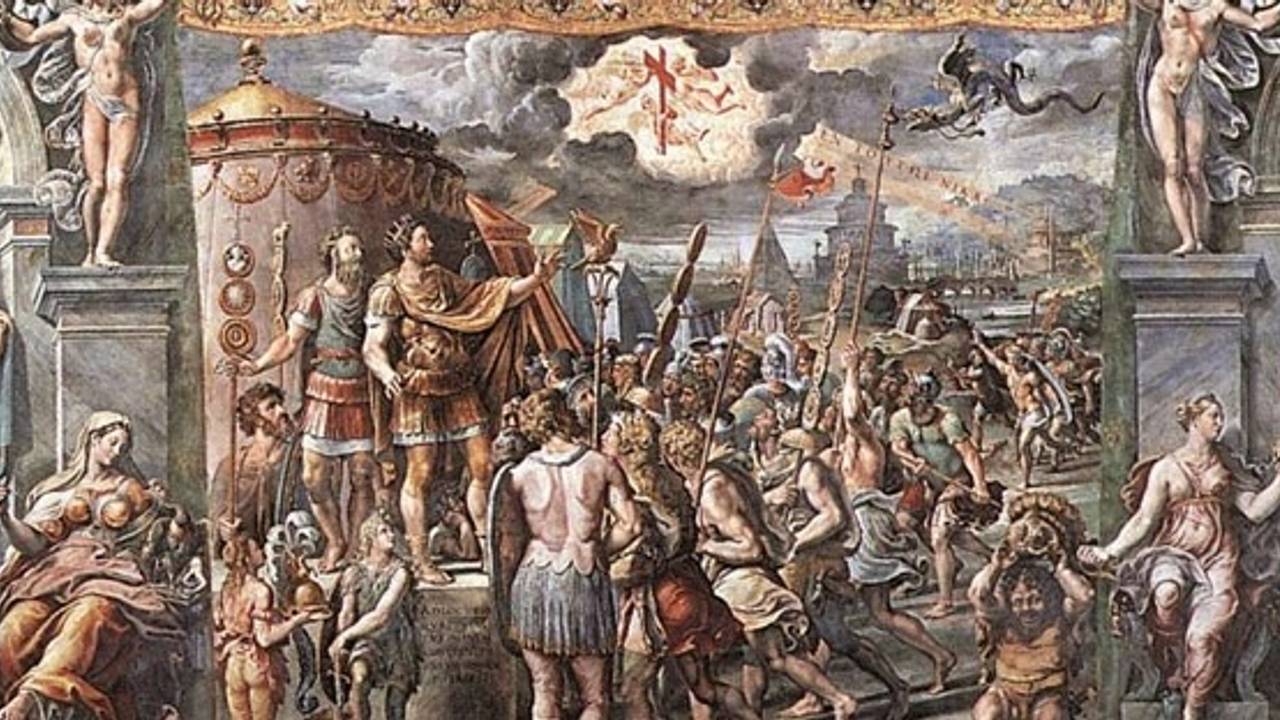
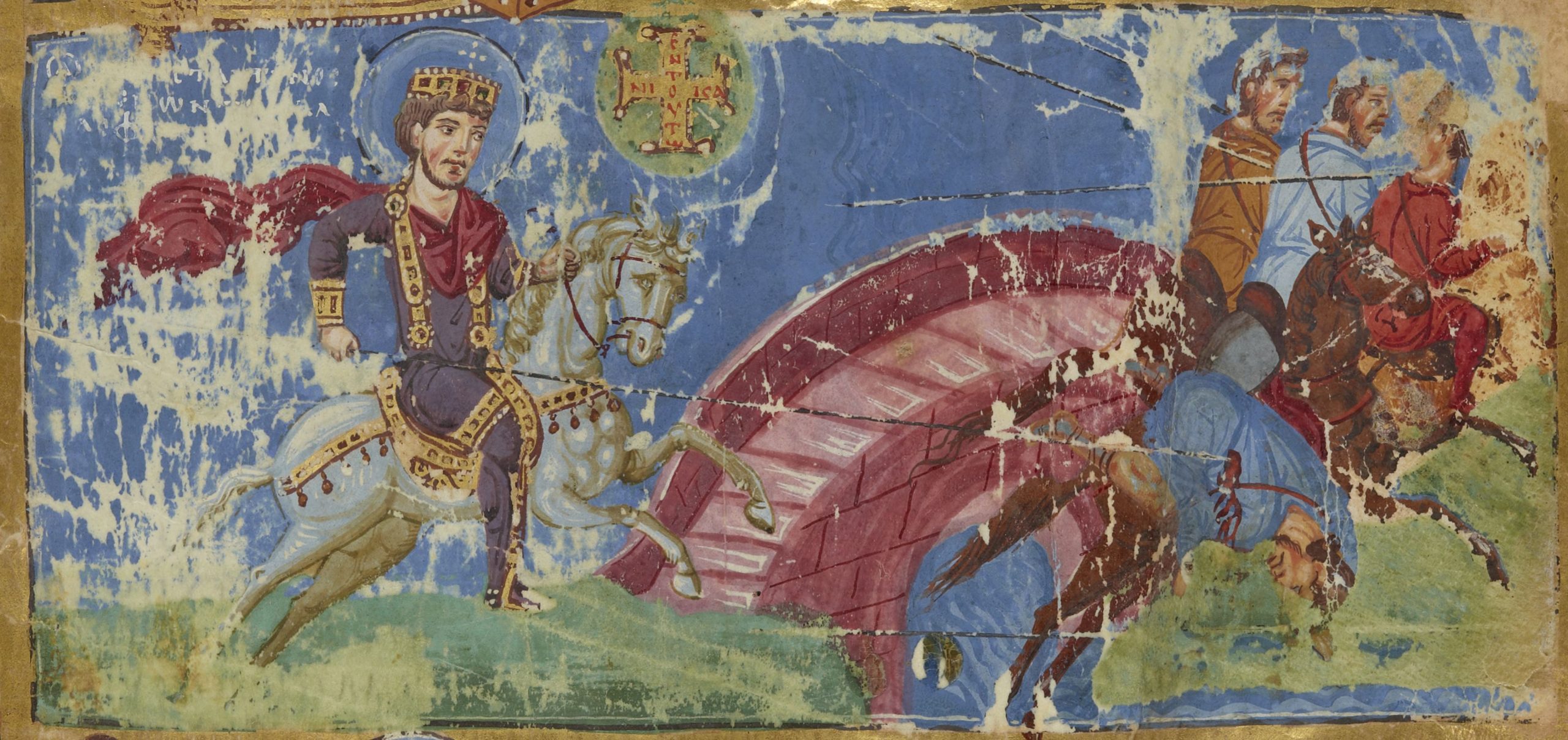
When Constantine adopted Christianity, he transformed a movement rooted in compassion into the religion of empire. The cross — once a symbol of suffering inflicted on the poor — was placed on Roman shields. Pacifism gave way to hierarchy. Love of neighbor was subordinated to obedience. As Noam Chomsky observed, the Church became aligned with wealth and power — the opposite of the Gospel message.
Women, in particular, were systematically erased. Mary Magdalene, revered in Gnostic traditions as “the one who knew all,” was reduced to a caricature. Female spiritual authority was suppressed because lineage, memory, and continuity pass through women — and always have.
Across cultures, myths, and suppressed histories, one thread persists: Jesus taught universal empathy.
Not fear.
Not hierarchy.
Not domination.
Empathy.
Every life is worth living. Every gift is meant to be shared. Each human being carries intrinsic value, regardless of status, gender, caste, or creed. In modern terms, we might say that humanity is a network — a holographic system in which each part contains the whole.
Whether Jesus is understood as teacher, rebel, archetype, or fractal consciousness, the message remains intact beneath centuries of distortion: peace on Earth begins with compassion for one another.
As Christmas and its commercial machinery return each year, it is worth remembering the difference between the story we inherited and the one we are still uncovering.
Please share this post — and be merry.

JESUS WAS BORN IN A HOUSE — NOT A STABLE — IN MARCH, 7 CE
By Sasha Alex Lessin, Ph.D.
(Anthropology, UCLA)
Contributing Author: Janet Kira Lessin
WHEN MYTH REPLACED HISTORY


4
IMAGE TITLE:
A FIRST-CENTURY JUDEAN HOME — NOT A STABLE
Description:
Archaeological evidence shows that ordinary Judean families lived in stone homes with shared living spaces. There were no commercial inns excluding pregnant women, and no barn-style stables attached to houses in Galilee at the time of Jesus’ birth.
OpenArt Prompt:
realistic, photorealistic, cinematic lighting, soft natural colors, fantasy realism, highly detailed, emotional depth, artistic composition — interior of a first-century Judean stone home in Galilee, modest domestic setting, warm lamplight, historical accuracy, no manger, no animals, lived-in human space, landscape orientation
The commonly accepted date and circumstances of Jesus’ birth are the result of later theological conflations, not historical evidence.
The December 25th birthdate stems from Roman syncretism—specifically the merging of Jesus with Mithras, a Persian solar deity venerated by Roman soldiers. Judea in the 1st century CE had no commercial inns, no vacancy systems, and no exclusionary lodging culture that would force a woman into a stable.
The familiar nativity scene originates not in scripture, but in medieval imagination, popularized by St. Francis of Assisi centuries later
(Matthew 2:11; Gardner 2008, The Grail Enigma, pp. 152–155).
Mary gave birth to Jesus in a house, in March, around 7 CE — not December, not 1 CE.
Despite historical distortions, Jesus’ core message remains clear:
Universal compassion. Peace on Earth.
HOW CHRISTMAS WAS BUILT


4
IMAGE TITLE:
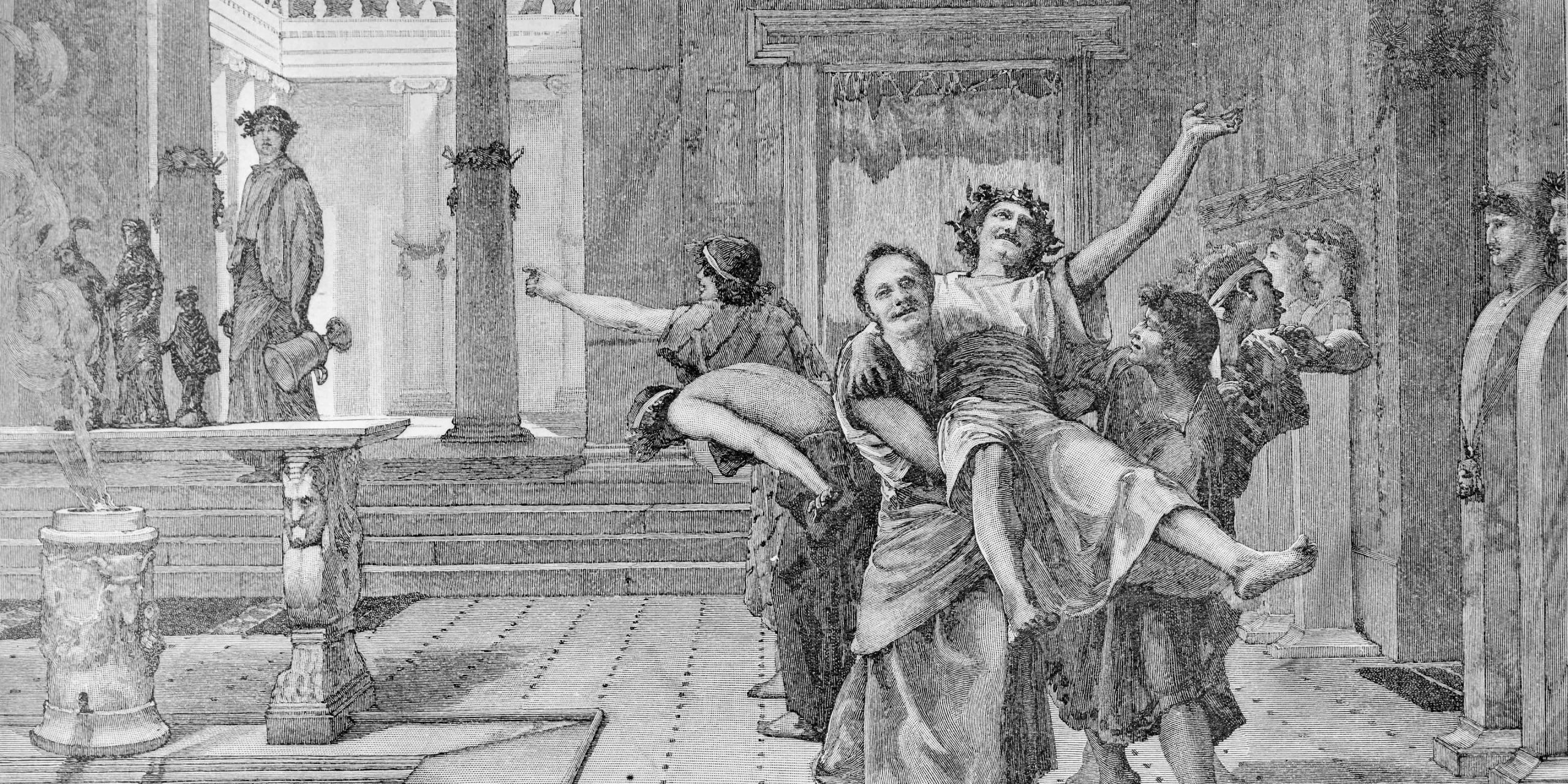
FROM SATURNALIA TO CHRISTMAS
Description:
Christmas evolved from Roman Saturnalia and Norse Yule traditions—gift-giving, feasting, evergreens, and solar symbolism—later rebranded as a Christian celebration.
OpenArt Prompt:
realistic, cinematic historical montage, Roman Saturnalia celebration blending into Norse Yule feast, winter solstice symbolism, evergreen decorations, firelight, ancient Rome atmosphere, subdued tones, educational realism, landscape orientation
Before its commercialization, Christmas blended:
• Roman Saturnalia (gift-giving, revelry)
• Norse Yule (evergreens, feasting, solar rebirth)
Jesus was never the reason for Amazon’s holiday shopping season.
December 25th marked the Winter Solstice, when the Sun’s return symbolized renewal. Only later did Western Christianity assign this date to Jesus’ birth.
In the New Age understanding, the Winter Solstice represents the seed within us—
“far beneath the bitter snow”—beginning its return toward light.
THE APOCRYPHA & WHAT WAS REMOVED


4
IMAGE TITLE:
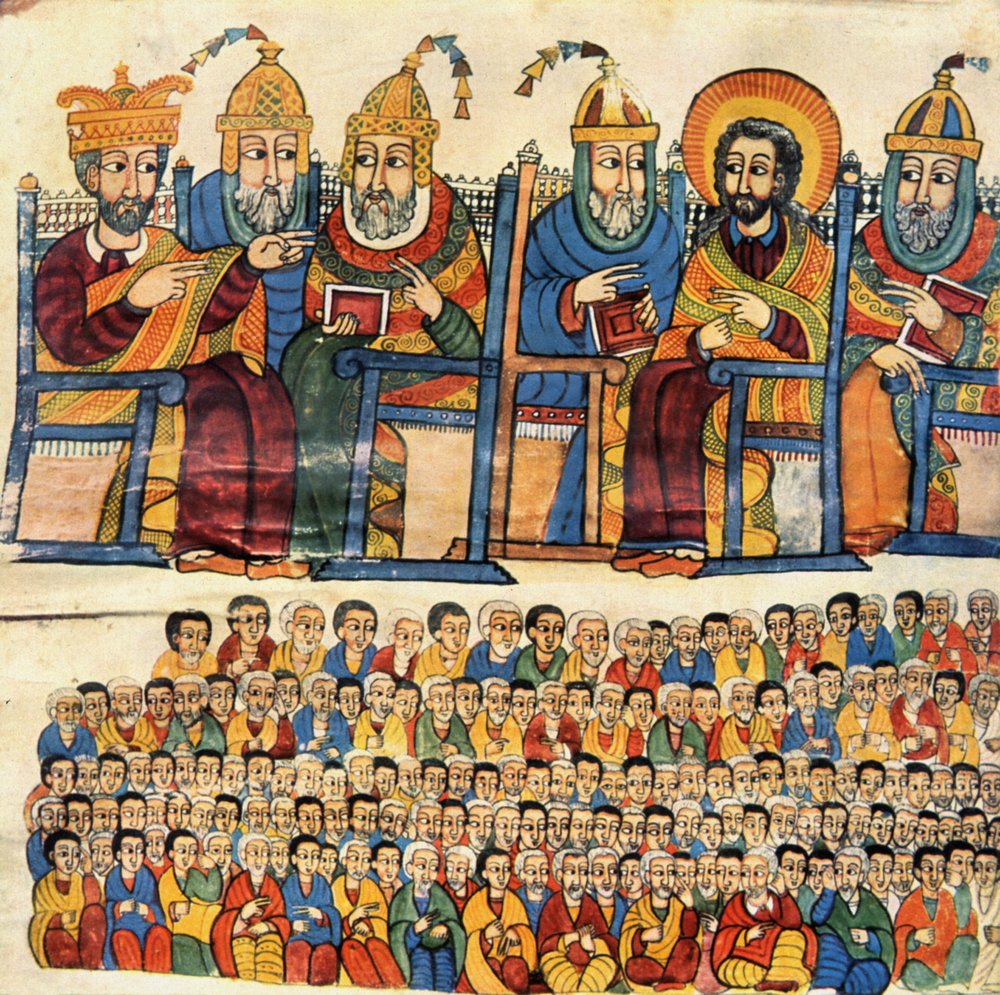
THE BOOKS THAT DIDN’T MAKE THE CUT
Description:
Centuries after Jesus’ death, Church authorities removed the Apocrypha—texts describing Jesus’ birth, childhood, and early development—from the New Testament canon.
OpenArt Prompt:
realistic ancient manuscript scene, early Christian scribes handling scrolls, candlelit room, parchment textures, historical tension, cinematic lighting, educational realism, landscape orientation
Roughly 500 years after Jesus’ crucifixion, Emperor Constantine ordered the removal of the Apocrypha from Christian scripture. These texts included accounts of Jesus’ birth, upbringing, and formative years—material that complicated imperial theology.
📬 Subscribe on Substack to receive new essays, research updates, and illustrated deep dives as they are published.
👉 Subscribe here:
https://dragonattheendoftime.com/jesus-was-born-in-a-house-not-a-stable-or-manger-in-march-not-december-in-7-ce-not-1-ce/
THE ANUNNAKI VERSION OF EVENTS

4
IMAGE TITLE:
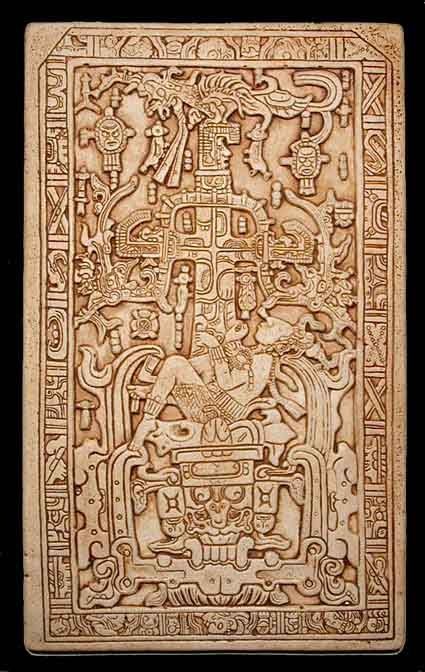
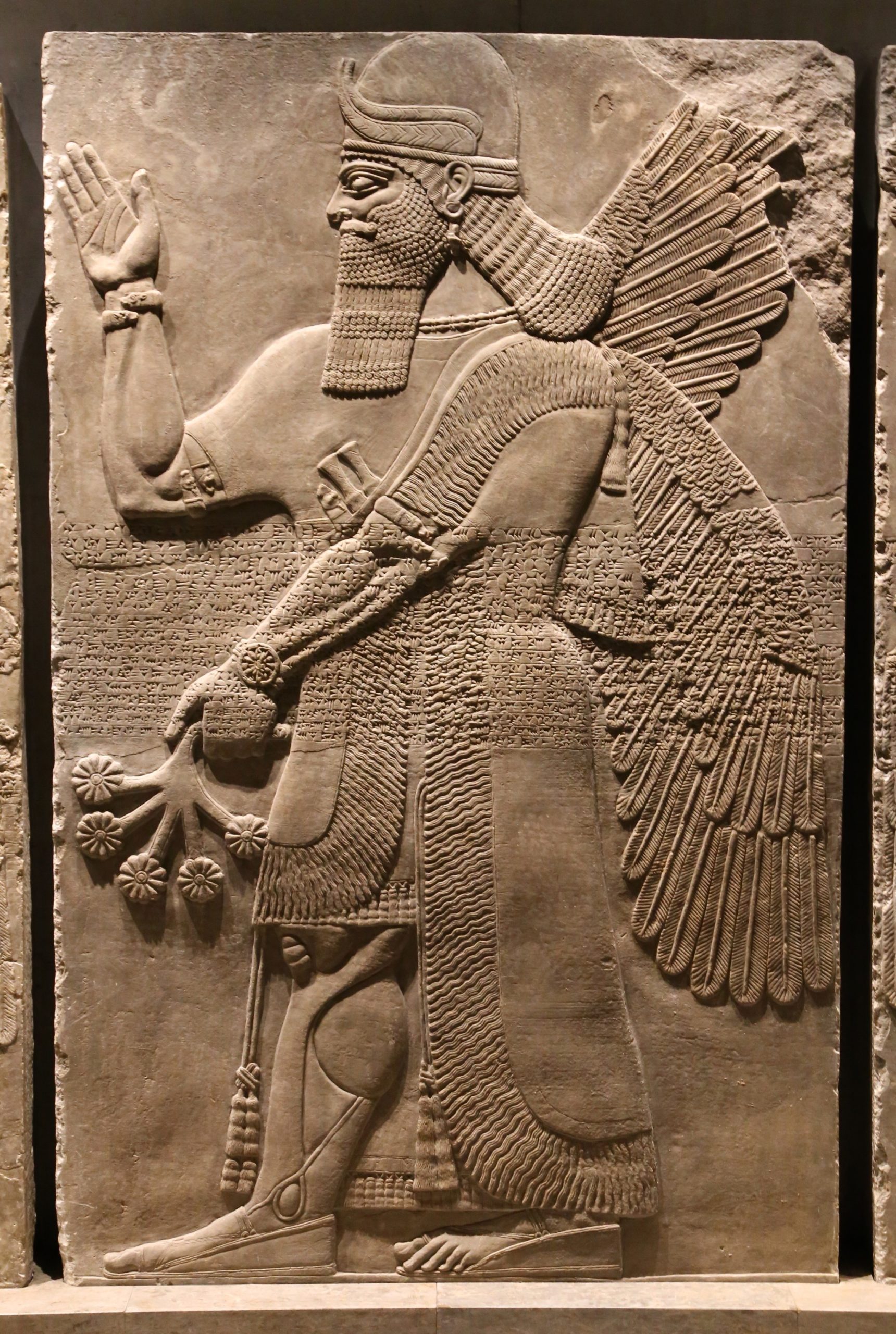
ANGELS AS ANUNNAKI EMISSARIES
Description:
In ancient texts, “angels” were not cherubic children but powerful emissaries—often depicted with wings to symbolize flight and technological superiority.
OpenArt Prompt:
realistic ancient astronaut interpretation, tall luminous humanoid emissaries with subtle wing symbolism, advanced ancient technology aesthetic, Mesopotamian relief influence, cinematic lighting, fantasy realism, landscape orientation
According to alternative anthropological interpretations:
• Anunnaki agents intervened in Mary’s lineage
• “Angels” were technological emissaries
• Jesus was genetically engineered to serve a control narrative
These accounts appear in Apocryphal texts and modern alternative research (Tellinger, Thiering).
JESUS IN INDIA & TIBET

4
IMAGE TITLE:
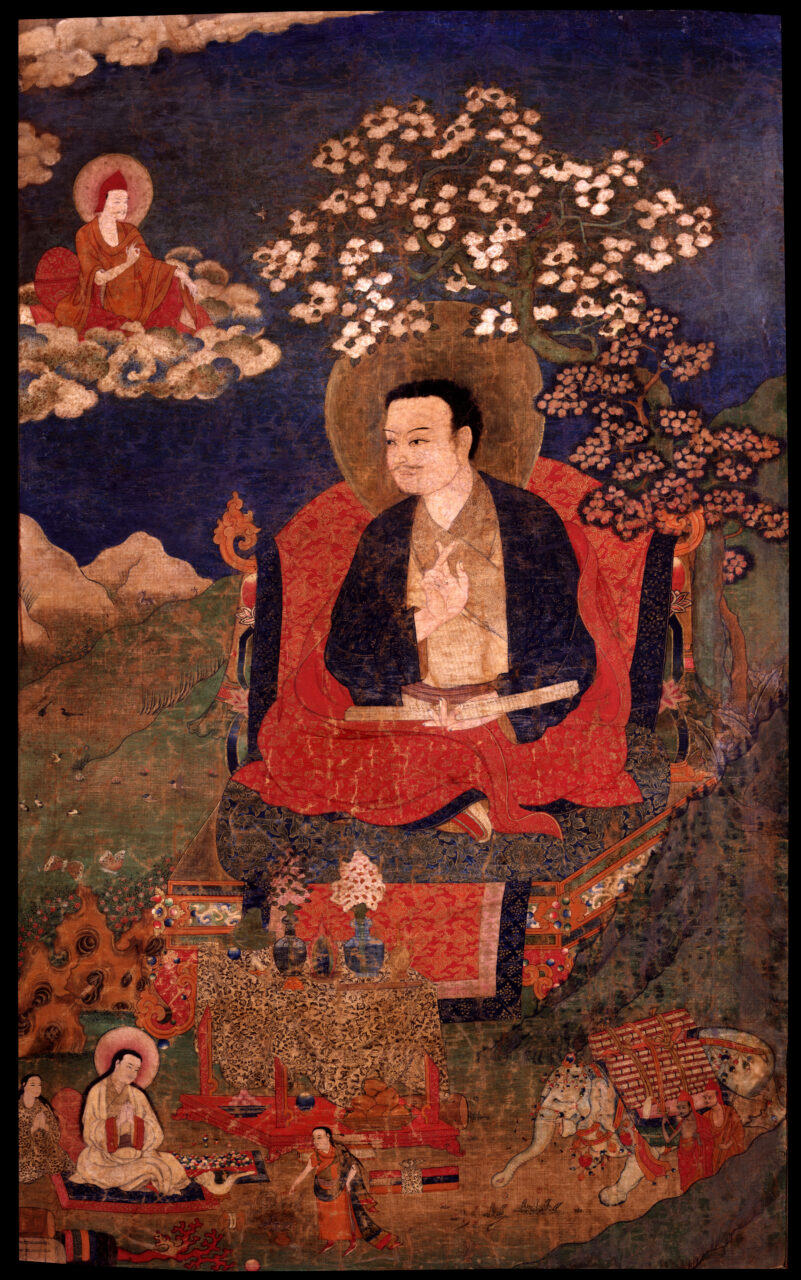
ST. ISSA — JESUS OF THE EAST
Description:
Ancient Buddhist and Hindu traditions describe a teacher called Issa—believed by some to be Jesus—who studied and taught in India and Tibet for nearly two decades.
OpenArt Prompt:
realistic Himalayan monastery setting, Jesus-like figure studying with monks, ancient scrolls, mountain light, spiritual calm, cinematic realism, landscape orientation
Ancient scrolls describe Jesus spending 17 years in India and Tibet, known as St. Issa, studying Buddhism and Hindu philosophy. He rejected caste systems and defended the poor, women, and the oppressed—actions that angered religious elites.
JESUS AS A REVOLUTIONARY
4
IMAGE TITLE:
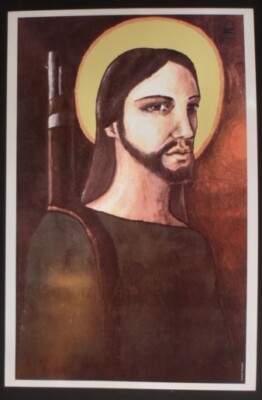
FROM MESSIAH TO RESISTANCE LEADER
Description:
Alternative histories describe Jesus surviving crucifixion, marrying Mary Magdalene, raising children, and leading resistance movements against Roman and Anunnaki control.
OpenArt Prompt:
realistic historical alternative depiction, Jesus and Mary Magdalene in Provence, quiet revolutionary atmosphere, early Christian resistance symbolism, cinematic lighting, emotional depth, landscape orientation
Some accounts suggest Jesus survived crucifixion, married Mary Magdalene, fathered children, traveled widely—including Europe and the Americas—and actively resisted both Roman and Anunnaki domination.
CONSTANTINE’S BETRAYAL OF THE GOSPELS
4
IMAGE TITLE:
FROM PACIFISM TO EMPIRE
Description:
When Constantine adopted Christianity, a radical peace movement became the religion of empire. The cross shifted from a symbol of suffering to one of conquest.
OpenArt Prompt:
realistic late Roman Empire scene, soldiers bearing crosses on shields, imperial Christianity transition, somber tones, historical realism, landscape orientation
As Noam Chomsky observed, Constantine transformed Christianity from a radical pacifist movement into the religion of empire. The Church aligned with wealth, hierarchy, and power—the opposite of Jesus’ teachings.
Women were suppressed because bloodlines pass through women.
Mary Magdalene was erased because she mattered.
FINAL CONCLUSION
Jesus—whether viewed as teacher, rebel, archetype, or fractal consciousness—taught universal empathy.
Every life is worth living.
Every gift is meant to be shared.
Each of us carries the light of the Prime Creator.
We are holographic fractals of a greater whole.
PLEASE SHARE THIS POST & BE MERRY
BELLS & WHISTLES
Series: Anunnaki & Ancient Anthropology
Tags: Jesus, Anunnaki, Apocrypha, Mithras, Winter Solstice, Mary Magdalene, Constantine, Alternative History, Anthropology, Universal Compassion
Websites:
• https://www.enkispeaks.com
• https://www.dragonattheendoftime.com
References & Archives:
• Evidence: https://wp.me/p1TVCy-1zg
• References: http://wp.me/p1TVCy-2cq
• Timeline: http://wp.me/p1TVCy-1Km
• Who’s Who: http://wp.me/p1TVCy-1PE
🔵 FACEBOOK POST
JESUS WAS NOT BORN IN A STABLE — AND NOT IN DECEMBER
Anthropological and historical evidence suggests that Jesus was born in a house, in March, around 7 CE — not in a manger, not in December, and not in 1 CE.
The familiar nativity scene comes from later medieval imagination and Roman religious syncretism, not from first-century Judea. There were no inns excluding pregnant women, no barn stables, and no December birth tradition in Jesus’ lifetime.
Yet beyond dates and details, Jesus’ core message remains unchanged across cultures and centuries:
Universal compassion. Peace on Earth.
This article explores:
• How Mithras and Roman solar traditions shaped Christmas
• What the Apocrypha once revealed about Jesus’ early life
• Alternative anthropological interpretations, including Anunnaki narratives
• Why Constantine’s Christianity reversed a radical pacifist movement
• Why empathy — not empire — was always the heart of Jesus’ teaching
📖 Read the full article here
🔗 www.enkispeaks.com
🔗 www.dragonattheendoftime.com
Authors:
Sasha Alex Lessin, Ph.D. (Anthropology, UCLA)
Janet Kira Lessin
Please share & be merry. 🌟
🔷 LINKEDIN POST (Professional / Academic Tone)
Re-examining the Birth of Jesus Through Anthropology
Historical and anthropological evidence challenges long-held assumptions about the birth of Jesus — including the December 25th date, the manger narrative, and the notion of inns and stables in 1st-century Judea.
This article synthesizes archaeology, early Christian texts, the Apocrypha, and cross-cultural religious history to explore how Roman syncretism reshaped Christianity — and how Jesus’ original message of universal compassion and peace endured despite institutional distortion.
Topics include:
• Roman Saturnalia and Mithraic influence on Christmas
• Removal of the Apocrypha under Constantine
• Alternative interpretations of angels, messiah narratives, and empire theology
• Why empathy, not hierarchy, was central to Jesus’ teaching
Authors:
Sasha Alex Lessin, Ph.D. (Anthropology, UCLA)
Janet Kira Lessin
🔗 www.enkispeaks.com
🔗 www.dragonattheendoftime.com
Thoughtful discussion welcome.
⚫ X (TWITTER) — THREAD OR SINGLE POST
Option A: Single Post
Jesus wasn’t born in a stable.
Not in December.
Not in 1 CE.
Anthropology suggests a house birth, in March, ~7 CE — with Christmas shaped later by Roman Saturnalia & Mithras traditions.
Yet the message remains timeless:
Universal compassion. Peace on Earth.
Authors:
Sasha Alex Lessin, Ph.D.
Janet Kira Lessin
🔗 www.enkispeaks.com
🔗 www.dragonattheendoftime.com
Option B: Short Thread (3 posts)
1/
Jesus wasn’t born in a manger, in December, in 1 CE.
Those details come from Roman syncretism and medieval imagination — not first-century Judea.
2/
Anthropology, archaeology, and the Apocrypha point to a house birth, in March, around 7 CE.
But dates matter less than the message.
3/
Across cultures and interpretations, Jesus consistently taught:
Universal compassion. Peace on Earth.
Authors: Sasha Alex Lessin, Ph.D. & Janet Kira Lessin
🔗 www.enkispeaks.com
✍️ AUTHOR & ATTRIBUTION BLOCK (Reusable)
Primary Author:
Sasha Alex Lessin, Ph.D.
Anthropologist (UCLA)
Contributing Author:
Janet Kira Lessin
Author, Researcher, Publisher
Websites:
• https://www.enkispeaks.com
• https://www.dragonattheendoftime.com

JESUS WAS BORN IN A HOUSE (not a stable or “manger”) IN MARCH (not December) in 7 CE (not 1 CE)
by Sasha Alex Lessin, Ph.D. (Anthropology, UCLA)
The erroneous date of Jesus’ birth stems from a conflation of Jesus with Mithras, a Persian deity venerated by the Romans.
Judea in the 1st Century CE lacked inns; THERE WERE NO INNS LACKING VACANCIES TO EXCLUDE MARY as she birthed Jesus & no stables in Judea at Jesus’ birth time.
The nativity scene comes from St. Francis’s fantasy. [Matthew 2:11, Gardner 2008, The Grail Enigma, 152–155]
Mother Mary birthed Jesus in a home, in March (Not December) at 7 p.m. (Not 1 p.m.).
Despite quibbles re history, Jesus’ message is EMBRACE UNIVERSAL COMPASSION & PEACE ON EARTH
[https://wp.me/p1TVCy-4uT]
Many cultures conflated Ancient Deities. Enki and Lucifer, Mithras and Jesus, Enlil and Marduk with Yahweh and Zeus, Marduk with Satan and Yahweh, Nannar and Allah, Ninmah with Lilith and Mary Magdalen, etc. We are learning from the many perceptual perspectives of Earth’s cultures about the elephant of history. Celebrate the richness of our many heritages.
Before its gross commercialization, the Christian celebration of Christmas (“We wish you a merry Christmas and please drink our beer.” [Freeberg]) blended the Roman Saturnalia (gift-giving, wild partying) and the Norse Yule-Feast (evergreen decorations). Jesus was never the reason for Amazon.com’s Christmas season shopping.
December 25, the Winter Solstice, when the Sun begins to lengthen its stay over Rome, gradually became, in the West, the celebration of Jesus’ birth.
In the New Age, WINTER SOLSTICE IS THE TIME THAT THE SEED WITHIN EACH OF US, “FAR BENEATH THE BITTER SNOW,” BECOMES OUR FLOWERING THIS YEAR, just as Jesus’ teaching of love for all can be our own springtime and the springtime for humanity.
Some 500 years after Jesus’ crucifixion, Roman Emperor Constantine had the Christian Church remove the Apocrypha (which scholars included in the Old Testament) from the New Testament. The Apocrypha contained the story of Jesus’ birth and childhood years, up to the point where he returned to his land of birth to start his ministry.
Here are some of the versions I’ve found of Jesus’ story:
ANUNNAKI BEGAT BOTH MOTHER MARY AND JESUS
A Nibiran agent of Enlil/Yahweh (probably Gabriel), designated as an “angel” in the Apocrypha, came to Jesus’ grandfather, Joachim, a priest in the Hebrew temple, who was unable to have children with his wife, Anna, the heir he needed for his position in the temple. The agent told Joachim that his wife would bear a child and that an angel would help them. But they would have to surrender the child to be raised by priests and angels. In those days, angels were not little, naked, winged kids who flew; they were powerful emissaries of the Anunnaki lords who controlled the Earth, depicted at times with wings to indicate they had the power of flight.
Anna gave birth to Mary, who, at the age of three, was taken to the temple and left there.
When Mary became 14 years old, the time came for her to go back into the world and get married. Her mentors handpicked a much older man, Joseph, to be her husband.
At Mary’s parents’ home in Galilee, while Joseph was in Bethlehem, Agent Gabriel told Mary, “You will give birth to the new messiah.”
Tellinger says, “Enlil, delivering the final stroke to his masterful control over humanity, wanted to ensure genetic supremacy for his fabricated messiah.” He probably, given his disgust for humans and his belief in genetic determinism, employed artificial insemination of the young virgin, giving Jesus a genetic advantage and abilities other humans lacked.
When Joseph returned from Bethlehem to collect Mary, he found her pregnant and thought her a whore. But before he could desert her, an angel appeared to him explaining that Mary was still a virgin.
ANUNNAKI, IN SOME ACCOUNTS, BIRTHED JESUS IN A CAVE—NEITHER A MANGER NOR A HOUSE
On the way to Bethlehem to give birth to Jesus, Mary went into a cave while Joseph sought a midwife. They found Mary and Jesus in the cave, lit by artificial lights.
Three Wise Men (wise, in this context, probably meaning educated Hybrids or actual Anunnaki), led by lights from an Anunnaki hovercraft, appeared, gave Jesus gifts, and followed—or rode back in—the craft to Persia.
When they were gone, an angel of the Lord appeared to Joseph in a dream: “Get up. Take the child and his mother and escape to Egypt, for Herod is going to search for the child to kill him.”
ESSENES SENT JESUS TO INDIA & TIBET
Tellinger writes that the Essenes, a meditative group in the area where Joseph raised and educated the boy Jesus, were linked to Freemasons. Other sources suggest John the Baptist popularized many of the themes Jesus later preached.
Jesus was whisked off to a faraway land where he would prepare for the big role in the great human deception. He briefly appeared at age 12 before Hebrew scholars, then disappeared for 18 years.
Ancient Buddhist scrolls reveal that Jesus spent 17 years in India and Tibet, known as St. Issa, studying and teaching Buddhist and Hindu holy men.
JESUS FRIENDED UNTOUCHABLES AND OFFENDED THE PRIESTLY ELITE
He associated with the Sudras and Untouchables, protested caste discrimination, and taught compassion, non-violence, reverence for women, and care for all life.
The Brahmans decided to kill him; forewarned, he fled to Nepal.
JESUS DISAPPOINTED THE JEWS
By age 30, Jesus returned to Palestine. The Essenes wanted him proclaimed Messiah. Jews wanted a warrior-savior; Jesus instead sought to uplift humanity.
JESUS AFTER THE CRUCIFIXION
According to Thiering and others, Jesus survived crucifixion, married Mary Magdalene, had children, moved to France, led resistance to Roman and Anunnaki domination, traveled widely—including the Americas—and died in 70 CE.
CONCLUSION
Jesus taught universal empathy.
Every life is worth living. Every gift is made for giving. Each of us leaves footprints on the sands of time.
Bloodlines, caste, hierarchy, and domination are tools of control. All consciousness—human, animal, planetary, cosmic—is equally part of the Prime Creator.
When Constantine adopted Christianity, he transformed a radical pacifist movement into an imperial religion. The Church became aligned with power, wealth, and hierarchy—opposite the Gospel message.
Women were suppressed because bloodlines pass through women.
The Gnostics honored Mary Magdalene as “The One Who Knew All.”
We are all holographic fractals of the same divine source.
Please share this post & be merry.
🔔 TOP SUBSCRIBE BLOCK (OPENING)
WORK IN PROGRESS · LIVING ARTICLE
This article is part of an ongoing series exploring Jesus, ancient anthropology, suppressed history, and the evolution of human consciousness.
🔔 MID-ARTICLE SUBSCRIBE BLOCK (AFTER A MAJOR SECTION)
ENJOYING THIS EXPLORATION?
If this article resonates, you may enjoy future pieces examining the Apocrypha, Constantine’s revisions, Anunnaki anthropology, Mary Magdalene, and the universal compassion teachings at the heart of Jesus’ message.
📬 Subscribe on Substack to follow the series and support independent research and publishing.
👉 Subscribe here:
https://dragonattheendoftime.com/jesus-was-born-in-a-house-not-a-stable-or-manger-in-march-not-december-in-7-ce-not-1-ce/
🔔 END SUBSCRIBE BLOCK (CLOSING)
STAY CONNECTED
This work continues. History is not finished revealing itself.
📬 Subscribe on Substack to receive future articles, timelines, image essays, and collaborative research as this series unfolds.
👉 Subscribe here:
https://dragonattheendoftime.com/jesus-was-born-in-a-house-not-a-stable-or-manger-in-march-not-december-in-7-ce-not-1-ce/Please share this post & be merry.