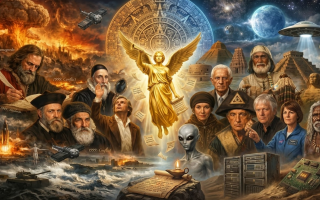
The following lists, organized in both date and alphabetical order, include historical and mythological figures who may represent avatars, emanations, or reincarnations of Enki. Much like the mythical Lazarus or Heinlein’s Lazarus Long, Enki can pretend to age, die, or move on, avoiding detection and preventing confusion among humanity.

As a being hundreds of thousands—perhaps even millions—of years old, Enki arrived on Earth approximately 450,000 years ago. Revered as the creator of humanity, Enki not only donated his DNA and used his genius to engineer us genetically, but he also physically mated with humans throughout the ages. We are his children, and he continues to guide our evolution as we strive to become conscious and enlightened beings.
Periodically, Enki is born into human form, potentially placing his original body into stasis in the Halls of Amenti—much like Thoth described in The Emerald Tablets of Thoth as Hermes Trismegistus, the “thrice-born Hermes.” Enki may choose to incarnate fully by being born into a human body as a fetus and experiencing life as a baby, child, and adult. Alternatively, he can “walk-in” at any stage of a person’s life or assist those already incarnated through downloads of wisdom, channeling, and divine inspiration.

While this list focuses solely on figures believed to embody Enki’s energy, it is essential to explore figures who may represent emanations of Ninmah. As Enki’s divine partner, soulmate, and twin flame, Ninmah frequently incarnates alongside him. Together, they embody an eternal, unbreakable bond of love and collaboration, working harmoniously to elevate humanity.
Through these incarnations, or at times appearing as himself—the God Enki—he interacts directly with humanity. Enki often mates with humans to father children and accelerate their development. Alongside his trusted team, including Ninmah and Thoth, Enki genetically enhances humanity to offer protection or activate latent abilities.

Enki is here now to usher in the Age of Aquarius—a Golden Age of Enlightenment designed to rival Gene Roddenberry’s vision of Star Trek. His mission is to help humanity qualify for membership in the Federation of Planets, joining our cosmic community as equals. Enki envisions a future where humankind cures all diseases, ends all wars, and evolves into a conscious species that transcends the violent legacy of the Anunnaki. His ultimate aim is to launch humanity into a universal era of peace and prosperity for all beings, establishing harmony, enlightenment, and a lasting legacy of cosmic cooperation.

Updated Date Order List (41 Names)
- Apsu’s Descendant (~Primordial Time)
Location: Mesopotamia
Represents Enki’s lineage from the primordial waters, symbolizing creation and the life-giving force. - Ea (~450,000 BCE)
Location: Nibiru
The original identity of Enki on Nibiru was before Earth missions, establishing Enki as the Lord of the Waters. - Enki (~450,000 BCE onward)
Location: Earth
Creator of humanity, master geneticist, and divine guide fostering human evolution and enlightenment. - Nidimmud (~450,000–300,000 BCE)
Location: Earth
Early Earth’s name for Enki emphasizes his role as a creator and innovator. - Khnemu (~300,000 BCE)
Location: Egypt
Egyptian god credited with shaping humanity from clay, aligning with Enki’s genetic engineering role. - Serpent (~200,000 BCE onward)
Location: Various cultures
The universal symbol of wisdom is possibly linked to Enki’s role in the Garden of Eden story. - Poseidon (~150,000 BCE onward)
Location: Greece
The Greek god of the sea and earthquakes reflects Enki’s mastery over water and the natural world. - Oannes (~250,000–150,000 BCE)
Location: Mesopotamia
Mesopotamian fish-man who emerged from the sea to teach civilization, closely tied to Enki’s wisdom and water domain. - Ptah (~5,000 BCE onward)
Location: Egypt
Egyptian creator and craftsman god, embodying Enki’s inventive and architectural skills. - Osiris (~10,000 BCE onward)
Location: Egypt
The Egyptian god of resurrection and fertility echoes Enki’s role as a life-giver. - Adonai (~10,000–5,000 BCE)
Location: Middle East
Protector and ruler, symbolizing divine authority and care for humanity. - Hermes Trismegistus (~3,000 BCE)
Location: Egypt/Greece
Legendary figures are linked to wisdom, esoteric knowledge, and alchemy, paralleling Enki’s role as a divine teacher. - Melchizedek (~2,000 BCE)
Location: Salem (Middle East)
Priest-king of divine wisdom, justice, and teaching. - Prometheus (~2,000 BCE)
Location: Greece
Titan gave fire (knowledge) to humanity, paralleling Enki’s role as a bringer of enlightenment. - Vishnu (~2,000 BCE onward)
Location: India
Preserver and protector in Hinduism, representing the cosmic balance and Enki’s nurturing role. - Hephaestus (~2,000 BCE onward)
Location: Greece
The Greek god of fire and metalworking reflects Enki’s inventive and creative spirit. - Buzur (~1,500 BCE)
Location: Mesopotamia
Guardian of divine mysteries, representing hidden knowledge and wisdom. - Krishna (~1,500 BCE onward)
Location: India
Divine guide of love and wisdom, symbolizing compassion and enlightenment. - Thoth (~1,000 BCE onward)
Location: Egypt
Egyptian scribe of divine knowledge resonating with Enki’s wisdom and record-keeping. - Varuna (~1,000 BCE onward)
Location: India
The vedic god of cosmic order and water parallels Enki’s domain and authority. - King David (~1,000 BCE)
Location: Israel
Warrior poet and spiritual leader, embodying Enki’s leadership and cultural influence. - King Solomon (~10th Century BCE)
Location: Israel
He was known for his wisdom and justice, embodying Enki’s qualities as a guide and nurturer. - Yam (~1,200 BCE)
Location: Ancient Near East
The sea deity symbolizes chaos and creation, akin to Enki’s water mastery. - Neptune (~1st Century BCE onward)
Location: Rome
Roman god of the sea, sharing Enki’s aquatic domain. - Jesus (~1st Century CE)
Location: Judea
Spiritual savior and teacher embodying divine compassion and guidance. - Viracocha (~400 CE onward)
Location: Andes
Andean creator god linked to water and civilization, symbolizing Enki’s influence in the Americas. - Manu (~400 CE)
Location: India
The Vedic figure is connected to the Great Flood, which aligns with Enki’s flood narratives. - Quinotaur (~500 CE)
Location: Europe
Symbol of royal bloodlines and hybrid strength, linked to Enki’s influence on genetic lineage. - Merlin (~5th–6th Century CE)
Location: Britain
Mystical Celtic advisor, reflecting Enki’s magical and guiding nature. - Dagda (~500 BCE onward)
Location: Celtic regions
Dagda is the Celtic god of abundance and wisdom, reflecting Enki’s nurturing qualities. - Loki (~700 CE)
Location: Scandinavia
Norse trickster god, embodying Enki’s clever and inventive characteristics. - Aquarius (~2160 BCE onward)
Location: Zodiac
The archetype of transformation and enlightenment is associated with the zodiacal water-bearer. - Leonardo da Vinci (~15th–16th Century CE)
Location: Italy
Polymath and innovator, reflecting Enki’s inventive genius. - Jan van Eyck (~15th Century CE)
Location: Belgium
Early Netherlandish painter known for incredible detail and symbolism, echoing Enki’s creative mastery. - Michelangelo (~16th Century CE)
Location: Italy
Renowned artist and visionary, embodying Enki’s creative mastery. - John Dee (~16th Century CE)
Location: England
Advisor, alchemist, and mystic, aligning with Enki’s esoteric knowledge. - Francis Bacon (~1561–1626)
Location: England
Philosophers and scientists are advancing knowledge associated with progress and esoteric wisdom. - Imhotep (~27th Century BCE)
Location: Egypt
Architect, physician, and polymath credited with designing the Step Pyramid. - Nikola Tesla (~19th–20th Century CE)
Location: Croatia/USA
Pioneer of energy and innovation, mirroring Enki’s scientific brilliance. - Carl Jung (~1875–1961)
Location: Switzerland
Psychologist explores the collective unconscious and archetypes, resonating with Enki’s wisdom. - Vulcan (~2,000 BCE onward)
Location: Rome
Roman god of fire and volcanoes, sharing Enki’s transformative powers.

Alphabetical Order List (41 Names)
- Adonai (~10,000–5,000 BCE)
Location: Middle East
Protector and ruler, symbolizing divine authority and care for humanity. - Aquarius (~2160 BCE onward)
Location: Zodiac
The archetype of transformation and enlightenment is associated with the zodiacal water-bearer. - Apsu’s Descendant (~Primordial Time)
Location: Mesopotamia
Represents Enki’s lineage from the primordial waters, symbolizing creation and the life-giving force. - Buzur (~1,500 BCE)
Location: Mesopotamia
Guardian of divine mysteries, representing hidden knowledge and wisdom. - Carl Jung (~1875–1961)
Location: Switzerland
Psychologists explore the collective unconscious and archetypes, resonating with Enki’s wisdom. - Dagda (~500 BCE onward)
Location: Celtic regions
Celtic is the god of abundance and wisdom, reflecting Enki’s nurturing qualities. - Ea (~450,000 BCE)
Location: Nibiru
The original identity of Enki on Nibiru was before Earth missions, establishing Enki as the Lord of the Waters. - Enki (~450,000 BCE onward)
Location: Earth
Creator of humanity, master geneticist, and divine guide fostering human evolution and enlightenment. - Francis Bacon (~1561–1626)
Location: England
Philosophers and scientists are advancing knowledge associated with progress and esoteric wisdom. - Hephaestus (~2,000 BCE onward)
Location: Greece
The Greek god of fire and metalworking reflects Enki’s inventive and creative spirit. - Hermes Trismegistus (~3,000 BCE)
Location: Egypt/Greece
Legendary figures are linked to wisdom, esoteric knowledge, and alchemy, paralleling Enki’s role as a divine teacher. - Imhotep (~27th Century BCE)
Location: Egypt
Architect, physician, and polymath credited with designing the Step Pyramid. - Jan van Eyck (~15th Century CE)
Location: Belgium
Early Netherlandish painter known for incredible detail and symbolism, echoing Enki’s creative mastery. - Jesus (~1st Century CE)
Location: Judea
Spiritual savior and teacher embodying divine compassion and guidance. - John Dee (~16th Century CE)
Location: England
Advisor, alchemist, and mystic, aligning with Enki’s esoteric knowledge. - King David (~1,000 BCE)
Location: Israel
Warrior poet and spiritual leader, embodying Enki’s leadership and cultural influence. - King Solomon (~10th Century BCE)
Location: Israel
He was known for his wisdom and justice, embodying Enki’s qualities as a guide and nurturer. - Krishna (~1,500 BCE onward)
Location: India
Divine guide of love and wisdom, symbolizing compassion and enlightenment. - Khnemu (~300,000 BCE)
Location: Egypt
Egyptian god credited with shaping humanity from clay, aligning with Enki’s genetic engineering role. - Leonardo da Vinci (~15th–16th Century CE)
Location: Italy
Polymath and innovator, reflecting Enki’s inventive genius. - Loki (~700 CE)
Location: Scandinavia
Norse trickster god, embodying Enki’s clever and inventive characteristics. - Manu (~400 CE)
Location: India
The vedic figure is connected to the Great Flood, which aligns with Enki’s flood narratives. - Melchizedek (~2,000 BCE)
Location: Salem (Middle East)
Priest-king of divine wisdom, justice, and teaching. - Merlin (~5th–6th Century CE)
Location: Britain
Mystical Celtic advisor, reflecting Enki’s magical and guiding nature. - Michelangelo (~16th Century CE)
Location: Italy
Renowned artist and visionary, embodying Enki’s creative mastery. - Neptune (~1st Century BCE onward)
Location: Rome
Roman god of the sea, sharing Enki’s aquatic domain. - Nidimmud (~450,000–300,000 BCE)
Location: Earth
Early Earth’s name for Enki, emphasizes his role as a creator and innovator. - Nikola Tesla (~19th–20th Century CE)
Location: Croatia/USA
Pioneer of energy and innovation, mirroring Enki’s scientific brilliance. - Oannes (~250,000–150,000 BCE)
Location: Mesopotamia
Mesopotamian fish-man who emerged from the sea to teach civilization, closely tied to Enki’s wisdom and water domain. - Osiris (~10,000 BCE onward)
Location: Egypt
The Egyptian god of resurrection and fertility echoes Enki’s role as a life-giver. - Poseidon (~150,000 BCE onward)
Location: Greece
The Greek god of the sea and earthquakes reflects Enki’s mastery over water and the natural world. - Prometheus (~2,000 BCE)
Location: Greece
Titan gave fire (knowledge) to humanity, paralleling Enki’s role as a bringer of enlightenment. - Ptah (~5,000 BCE onward)
Location: Egypt
Egyptian creator and craftsman god, embodying Enki’s inventive and architectural skills. - Quinotaur (~500 CE)
Location: Europe
The symbol of royal bloodlines and hybrid strength is linked to Enki’s influence on genetic lineage. - Serpent (~200,000 BCE onward)
Location: Various cultures
Universal symbol of wisdom, possibly linked to Enki’s role in the Garden of Eden story. - Thoth (~1,000 BCE onward)
Location: Egypt
Egyptian scribe of divine knowledge resonating with Enki’s wisdom and record-keeping. - Varuna (~1,000 BCE onward)
Location: India
The Vedic god of cosmic order and water parallels Enki’s domain and authority. - Viracocha (~400 CE onward)
Location: Andes
Andean creator god linked to water and civilization, symbolizing Enki’s influence in the Americas. - Vishnu (~2,000 BCE onward)
Location: India
Preserver and protector in Hinduism, representing the cosmic balance and Enki’s nurturing role. - Vulcan (~2,000 BCE onward)
Location: Rome
Roman god of fire and volcanoes, sharing Enki’s transformative powers. - Yam (~1,200 BCE)
Location: Ancient Near East
The sea deity symbolizes chaos and creation, akin to Enki’s water mastery.