EVIL EMPIRE: AN ORWELLIAN TALE
By Janet Kira Lessin (Lead Author)
With Sasha Alex Lessin, Ph.D. (Contributing Author)
⭐ THE VOICE THAT BECAME A GRAVITY
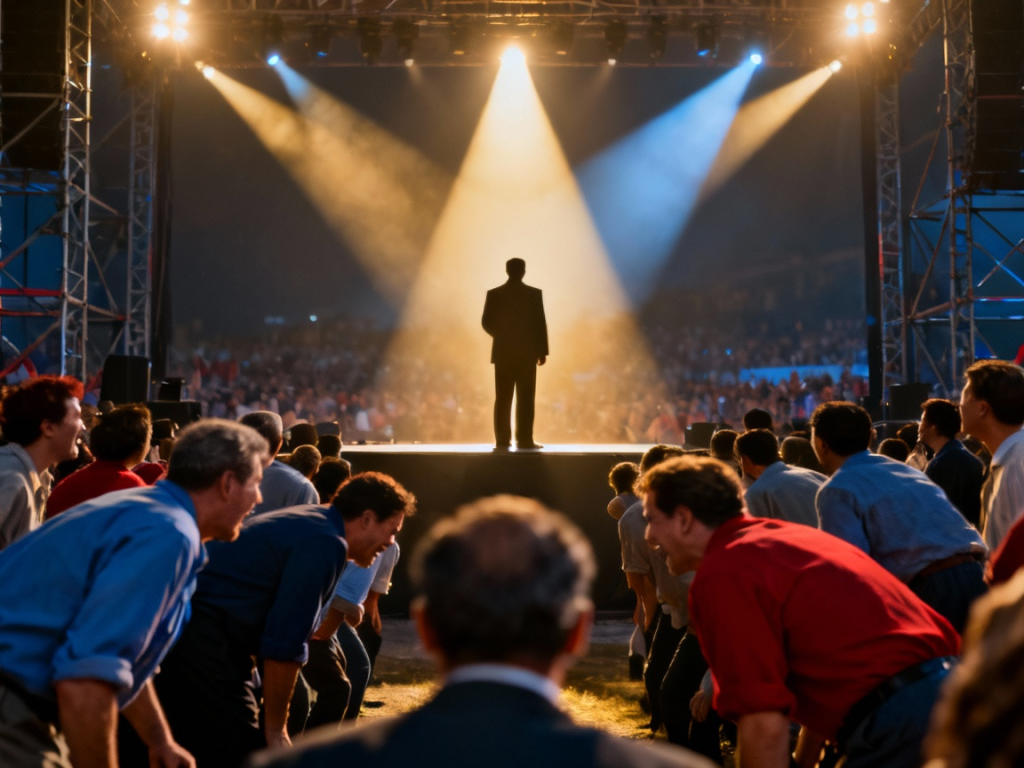
He emerged almost casually, as if he had always been there waiting for the nation to turn its head in his direction. The man from the golden towers did not ascend through brilliance or vision; he rose because his voice resonated with the unresolved hunger in Dominia’s collective psyche. He spoke quickly, confidently, sometimes incoherently, but always with a force that made people feel they were witnessing something seismic.
His speeches were less about content than cadence — a rhythmic release valve for grievances the country had quietly nursed for years. He did not ask Dominia to reach higher; he asked it to look downward, to identify the people supposedly holding it back. In this downward gaze, he forged a new unity, one built not on shared purpose but on shared resentment.
Television panels dissected his words, only amplifying them. Newspapers tried to contextualize him, only cementing his centrality. The more outrageous his claims, the more oxygen he consumed. Soon he was no longer a candidate, a celebrity, or a spectacle — he became a gravitational field. Institutions bent toward him. Public discourse orbited him. Even his critics helped consolidate his power by defining themselves against him.
By the time Dominia fully understood what had happened, the nation’s emotional climate had shifted. The Leader didn’t seize authority; he convinced people that he was the inevitable voice of their dissatisfaction, and once they accepted that premise, the old rules fell away.
The empire began not with a decree, but with a chorus of citizens deciding that his anger spoke for them.
⭐ THE COUNTRY BEGAN TO LEAN

Dominia’s transformation was almost imperceptible at first, arriving not through dramatic upheaval but through a gradual realignment of mood and perception. The nation began to lean, adjusting its posture a fraction at a time, until people unconsciously shifted their footing to accommodate the tilt. The change appeared initially in the way conversations hesitated before touching specific topics, in the quiet recalibration of glances exchanged between strangers, and in the subtle discomfort that emerged when voices carried unfamiliar accents. What had once felt like simple diversity began to sound vaguely dissonant.
Rather than addressing frustrations openly, Dominia’s citizens absorbed a steady stream of narratives suggesting that the country had welcomed too freely, grown too generous, or allowed itself to lose some imagined purity. These sentiments drifted through talk shows, sermons, editorial columns, and everyday conversations, gaining adherence not because they were persuasive but because they offered a simple explanation for complex anxieties. People found comfort in the idea that their struggles could be traced to a single “other,” a convenient figure that could hold the weight of collective unease.
This shift was not marked by outbursts of hostility but by a creeping, self-reinforcing suspicion. Neighbors became more reserved. Teachers spoke more cautiously. Journalists sensed their words could be recast as threats. What had once been a nation defined by its confidence in the democratic process and shared values gradually became a society that monitored its own tone, gauged its safety in every sentence, and looked over its shoulder before speaking freely.
The institutions of Dominia still operated, but their authority was quietly dissolving. Courts issued rulings, legislatures passed bills, and public offices continued their routines, yet something fundamental had drained from the system: the belief that these institutions were sturdy anchors rather than fragile remnants of an earlier era. Dominia remained functional on paper, but its emotional infrastructure had shifted so significantly that the nation no longer recognized itself as a place where differing voices could coexist without fear.
Amid this atmospheric transformation, Dominia’s leadership chose its first unmistakable target. The undocumented population, woven deeply into the economy yet largely invisible in public discourse, became the primary focus of the new order. They were essential to the country’s prosperity, yet because their contributions had long gone unacknowledged, it was easy for the nation to pretend they had never mattered at all. In homes, hospitals, farms, and construction sites, quiet disappearances began. They happened through administrative channels rather than dramatic raids: altered forms, invalidated documents, shortened deadlines, and shifting requirements that rendered years of residence suddenly fragile.
Entire families unraveled in silence, and although many Dominian citizens felt uneasy, they also felt relieved that, for the moment, they were not the ones being asked to justify their presence. The shift seemed manageable, distant, and directed toward people who existed on the outer edges of national identity. The public largely accepted these measures as unfortunate but necessary, failing to recognize the precedent they were helping set. Every empire begins by testing the boundaries of who can be removed without protest.
Dominia passed the test.
⭐ THE SPECTACLE OF OBEDIENCE
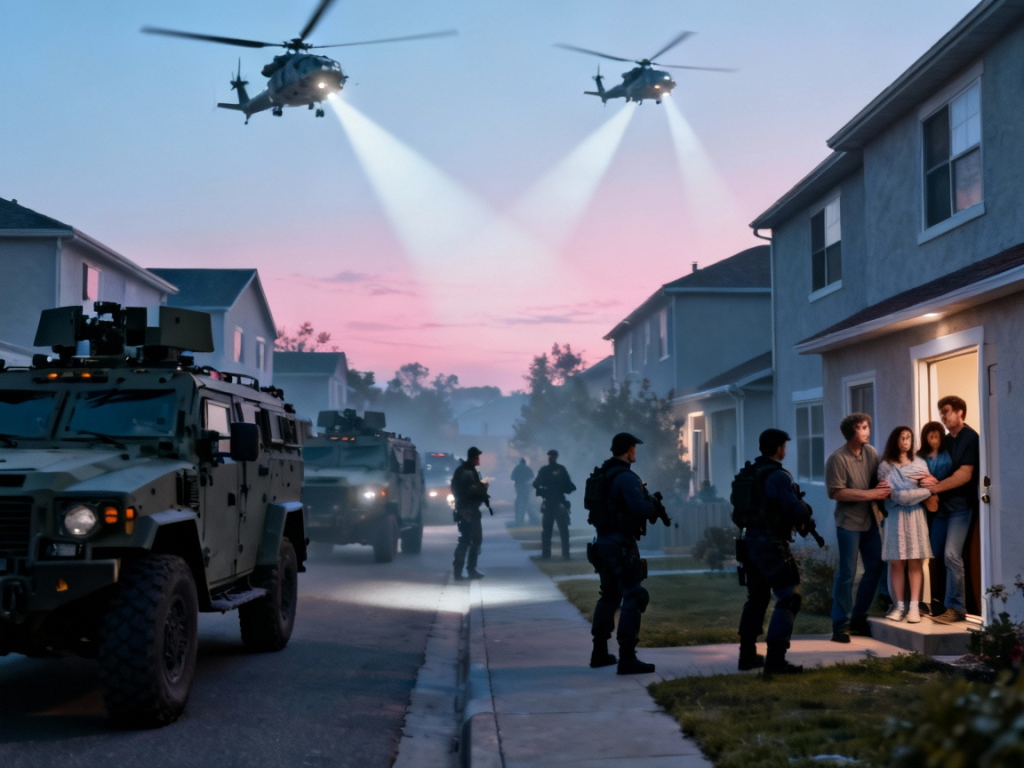
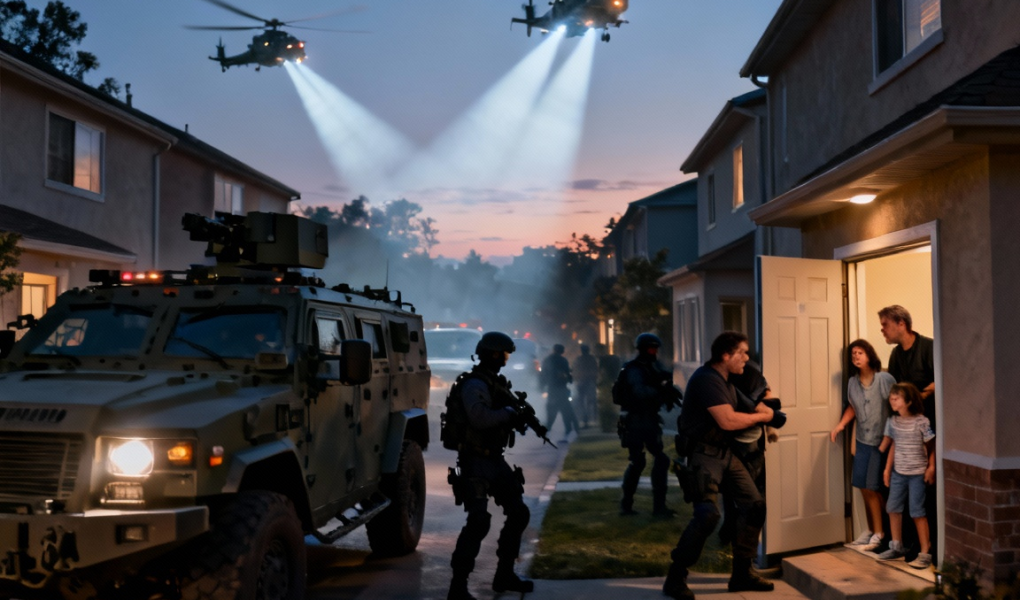
Quiet disappearances served administrative efficiency, but fear required spectacle. The raids began at dawn, executed with theatrical precision designed not merely to remove individuals but to communicate a message. Helicopters circled above small apartment complexes while armored vehicles blocked entire streets. Agents in tactical gear moved with rehearsed choreography, transforming modest neighborhoods into temporary war zones. Families watched in disbelief as neighbors were handcuffed, lined up, and transported away under the glare of floodlights.
For many citizens, these spectacles produced a conflicted reaction. Some felt vindicated, convinced the nation was finally restoring order. Yet even among those who cheered, a dawning realization crept in: if these actions could be justified today, what might be justified tomorrow?
Loyalists saw the raids as a strength.
The rest saw a warning.
The question whispered more urgently across Dominia: Am I next?
⭐ THE HALF THAT NEVER SLEPT — AND THE HALF THAT NEVER WOKE
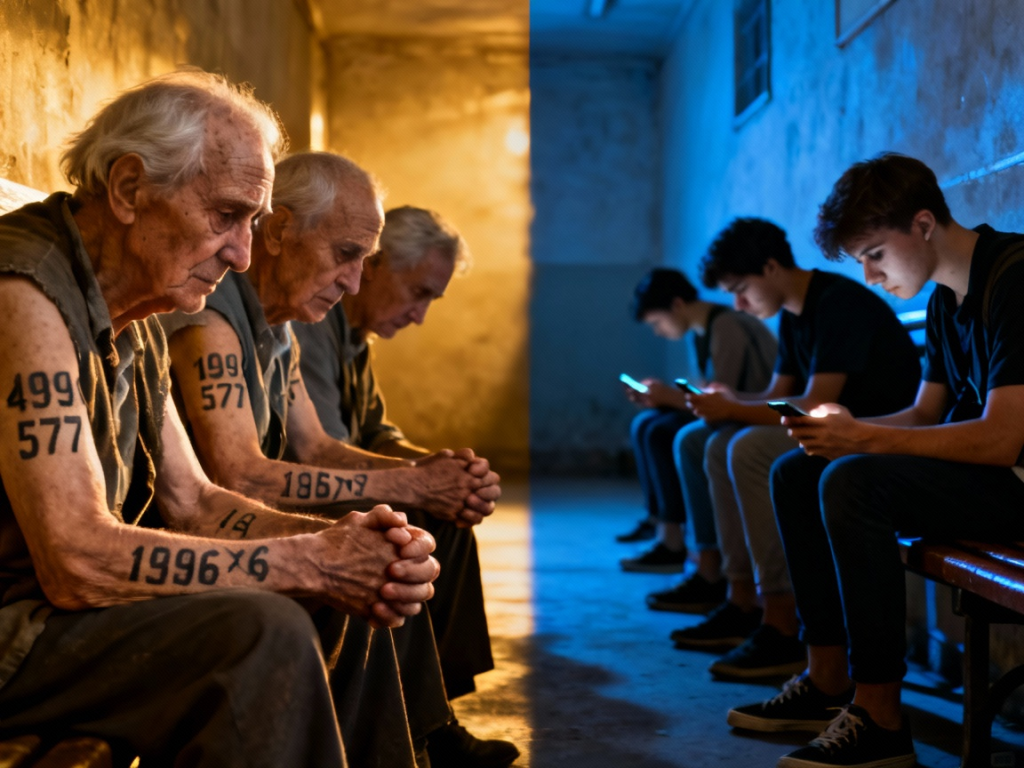
From the beginning, half the nation understood what was unfolding. They had read Orwell, studied the warnings of totalitarianism, and listened to the stories of survivors who bore tattooed numbers on their arms—living reminders of humanity’s darkest potentials. Their fathers and grandfathers had marched into the Great War with youthful optimism and returned with hollow eyes. These citizens recognized the signs immediately.
They did not vote for the Leader; they resisted from the start. Yet while they were raising families and pursuing ordinary lives, a quieter, more insidious campaign unfolded beneath the surface. Votes were suppressed through redistricting, purges of voter rolls, and subtle but relentless legal manipulation. By the time they noticed, their political power had already eroded.
At first, the erosion was invisible. But as the first year progressed, Dominia saw the truth: the Leader and his inner circle did not adhere to the laws they enforced on others. They operated behind curtains of secrecy, rewriting norms, bending institutions, and performing legality only when convenient.
Most citizens complied quietly out of fear. A minor but fervent faction embraced the Leader with near-religious devotion, believing him to be chosen by destiny. Friends and family watched loved ones transform into zealots, parroting slogans with vacant conviction, as if an unseen force had hollowed them out.
Dominia’s fracture was no longer political. It was spiritual, emotional, and deeply personal.
⭐ THE ERA OF FORGETTING
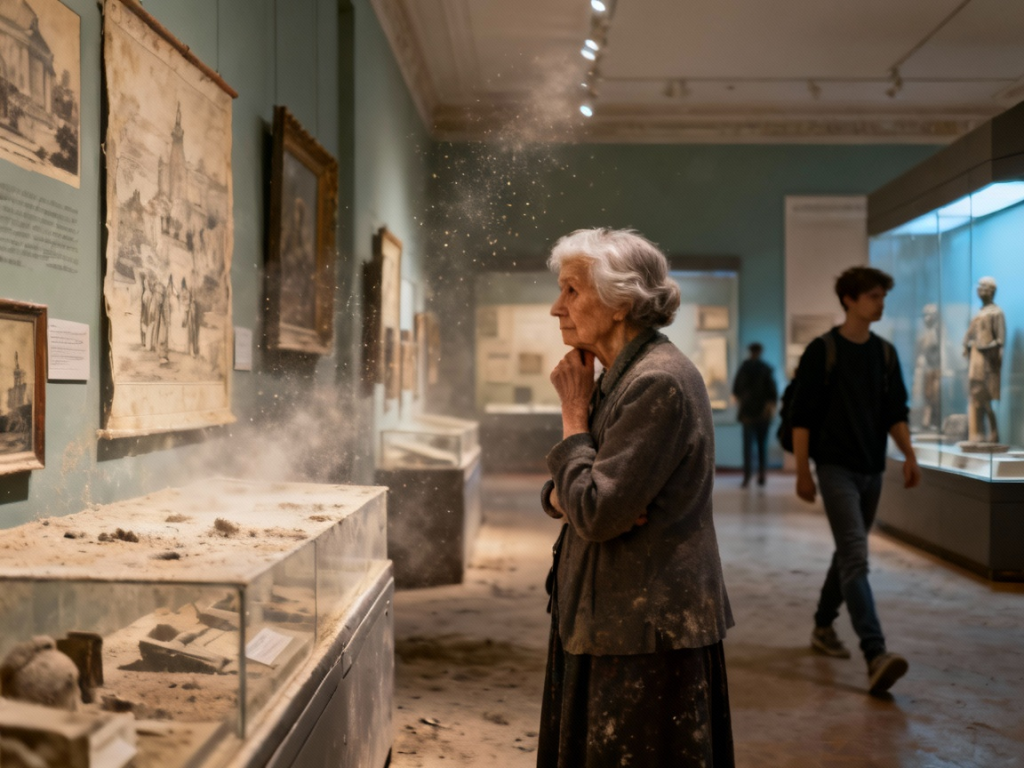
As the war receded further into the past, Dominia experienced a slow erosion of memory. New generations grew up in relative comfort, dismissing the elders’ warnings as exaggerations. Survivors of past atrocities were viewed as fragile relics of another era. Their tattooed arms, once searing testimonies, became curiosities.
The young did not intend disrespect. They lacked context. They believed themselves too modern, too rational, too evolved for tyranny to rise again.
In forgetting their past, they forfeited their immunity to it.
A nation that loses its memory loses its guardrails.
⭐ THE ILLUSION OF BELONGING
As global travel and communication flourished, Dominia grew increasingly multicultural. Families blended across continents and cultures, believing they embodied the future. Many felt protected by their proximity to privilege or assimilation.
Yet even they absorbed the myth of “The Other.” Without realizing it, they participated in rhetoric designed to dehumanize them. They believed themselves safe—until the disappearances reached their own doorsteps.
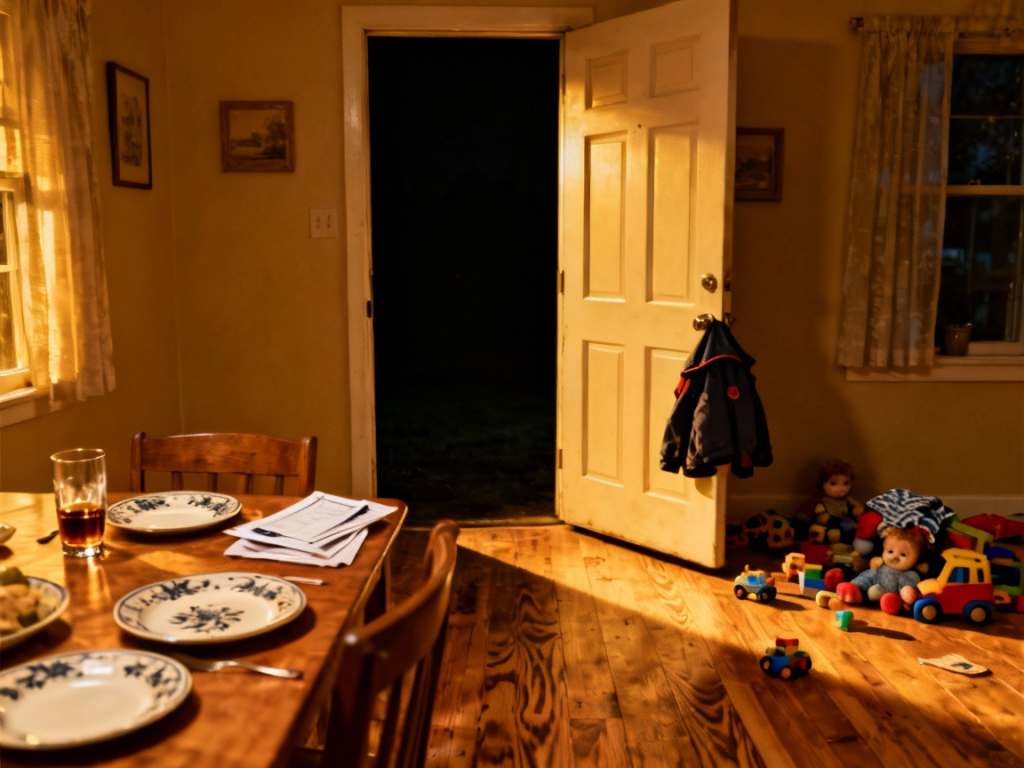
Cars were left running. Beds were left warm. Entire families vanished.
The missing were not from one group—they were the blended ones, the global ones, the future itself.
Some mysteries were never solved.
⭐ THE EXPANSION OF SURVEILLANCE
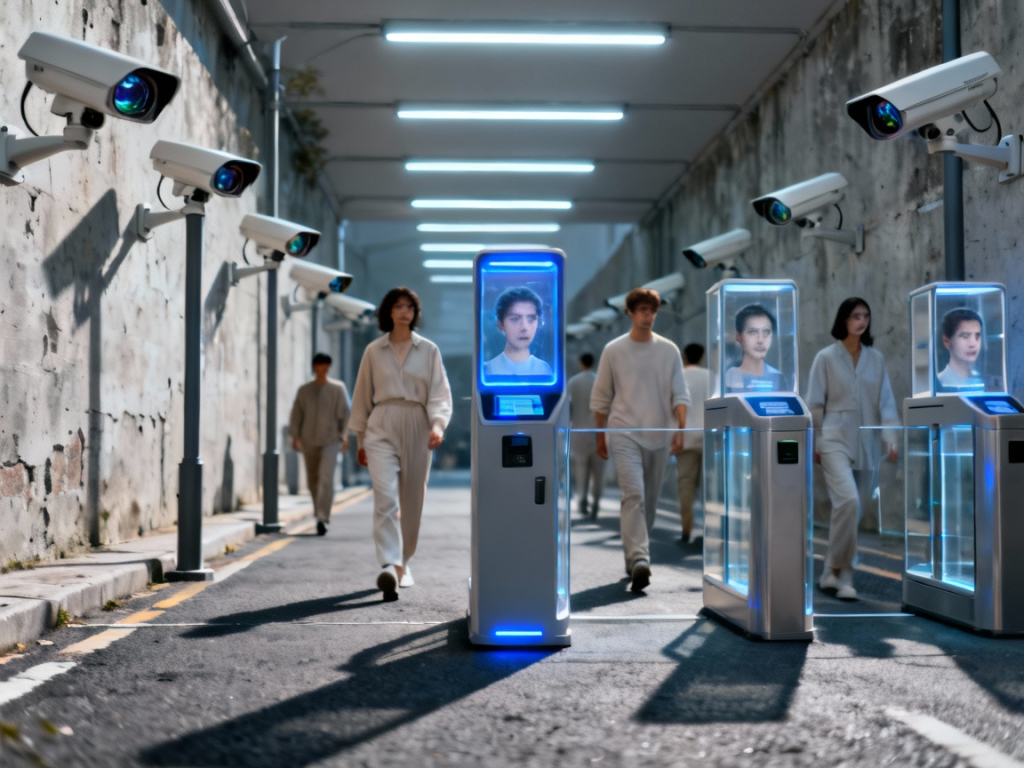
As disappearances increased, Dominia entered a new phase of control—one so subtle at first that many citizens barely noticed it happening. Surveillance cameras appeared on street corners, justified as “public safety measures.” Identity checkpoints were added in airports, train stations, and eventually bus routes and school entrances. Most citizens complied without complaint, telling themselves they had nothing to hide, reassuring one another that only criminals needed to fear scrutiny. They repeated these phrases so often that they became a kind of national lullaby.
Phones began prompting for secondary identity confirmations to access trivial services. Banking apps required facial scans. Government portals demanded new biometric data, always explained as necessary updates to prevent fraud. People accepted each change individually, never recognizing how quickly the cumulative effect was tightening around them.
The irony was that Dominia’s citizens had grown accustomed to surveillance long before the Leader arrived. They had embraced devices that tracked their steps, purchases, conversations, and preferences. They had invited microphones into their homes and cameras into their pockets. They had willingly surrendered the very privacy their grandparents once fought to protect.
It did not take long for the state to merge its systems with the technology people had already woven into their lives. No dramatic takeover was needed; the infrastructure of self-surveillance was already in place. All the Leader had to do was flip the switch.
Within months, Dominia became a country where every movement was logged, every purchase cataloged, every conversation—no matter how private—potentially stored somewhere beyond reach. Citizens adjusted because they always had. And in that adjustment lay their undoing.
⭐ THE MACHINERY OF LOYALTY
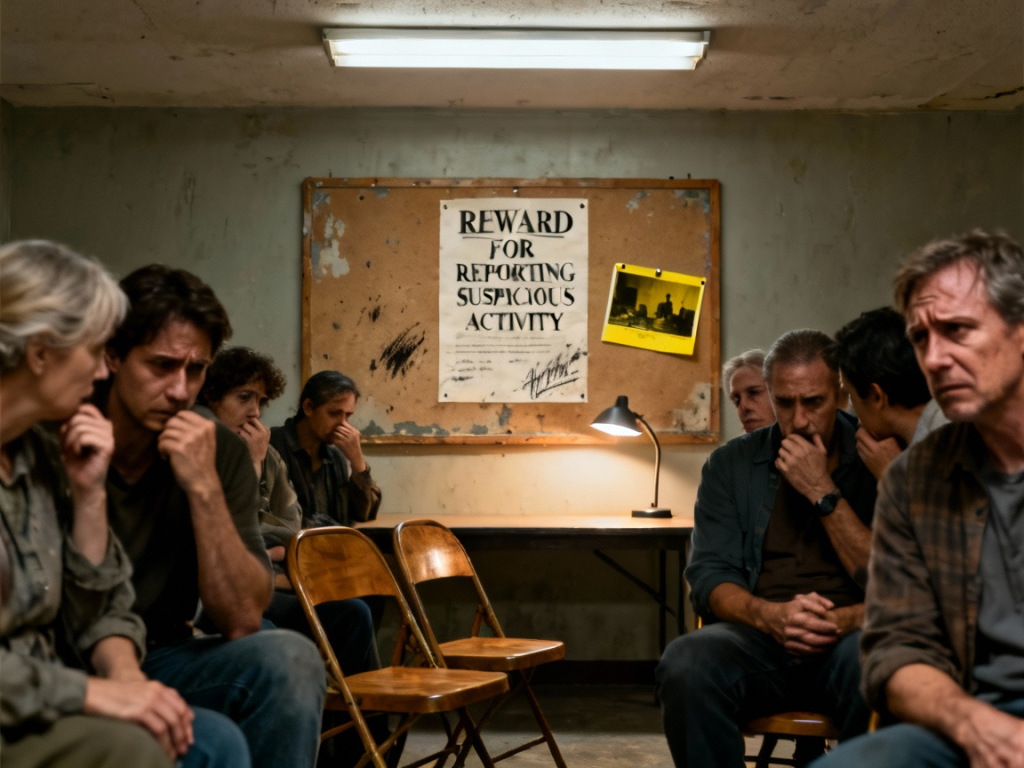
Surveillance, however vast, was only one part of the apparatus. Empires do not maintain control merely by watching; they retain control by encouraging citizens to watch each other. Slowly, almost imperceptibly, Dominia shifted from a country of neighbors to a nation of informants.
Businesses were incentivized to report suspicious behavior. Schools were encouraged to monitor families. Medical professionals were asked to flag irregularities in patient backgrounds. Apartment complexes formed “community committees” whose real purpose was to assess ideological reliability. People learned that any disagreement with official policy, no matter how minor, could be interpreted as disloyalty.
Whispers traveled faster than facts.
Rumors destroyed reputations overnight.
Social circles dissolved under the pressure of suspicion.
What made this system so effective was that it did not require strict obedience—only fear of noncompliance. Citizens reported one another not out of conviction, but out of anxiety. A concerned father might report his son’s teacher to preempt being reported himself. A neighbor might turn in a friend because she feared being associated with the wrong kind of conversation. Entire communities are fragmented under the weight of self-protection.
And beneath all of this, the true believers were quietly elevated. Their loyalty was rewarded with small privileges—priority access, leniency in disputes, and faster bureaucratic processing. These perks were subtle at first, then increasingly blatant, turning devotion into currency and obedience into social capital.
The cult of the Leader did not require uniform agreement.
It required only the perception that disagreement was dangerous.
⭐ THE TURNING OF THE WHEEL
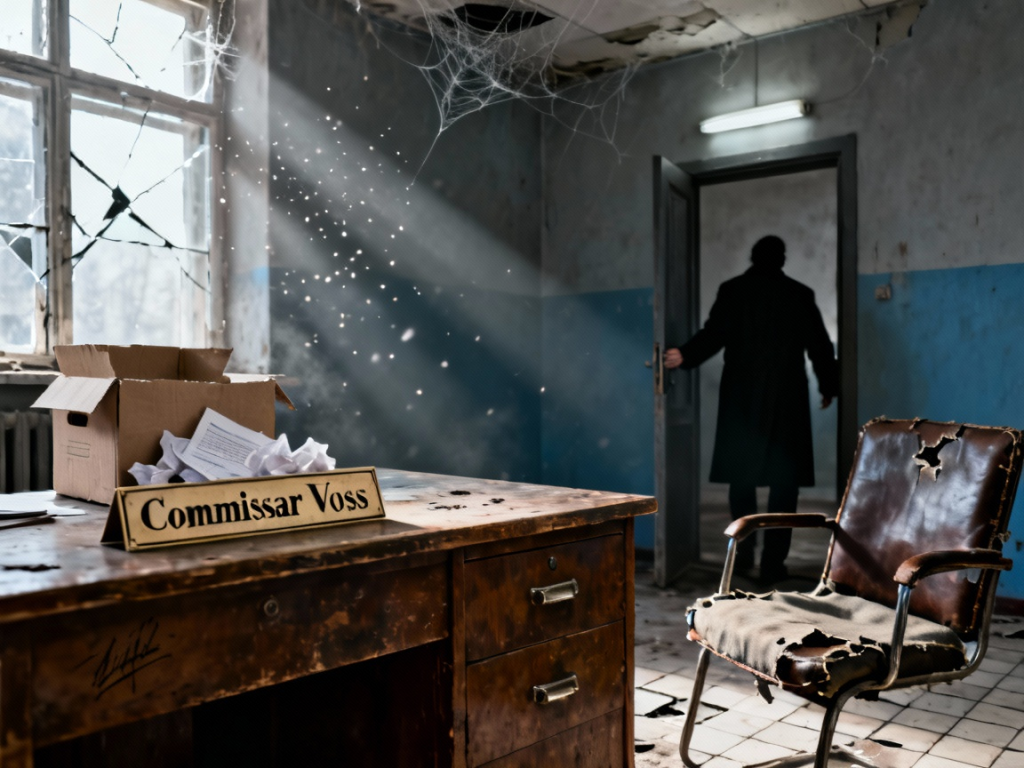
No authoritarian system stops with the elimination of its initial enemies. Once the machinery of fear is set in motion, it must continue to operate, consuming new targets to justify its existence. At first, the Leader’s most loyal supporters believed themselves immune to scrutiny. They imagined loyalty as armor, believing their devotion had placed them on the winning side of history. They were sure they would never face the threats directed at others.
But the wheel turns.
It always turns.
As internal power struggles surfaced, loyalists who once stood at the center found themselves at the edges. A minor disagreement became “questionable allegiance.” A careless remark became “counterrevolutionary behavior.” Suddenly, people who had dedicated their lives to defending the Leader discovered that their loyalty was conditional—and fragile.
A local party organizer disappeared after questioning a policy detail.
A fervent broadcaster vanished after deviating from the approved narrative.
A regional enforcer was quietly removed after being outperformed by a rival.
Each disappearance sent shockwaves through the ranks, but the remaining loyalists convinced themselves the fallen must have done something wrong. They told themselves that obedience was still protection, even as the circle of protection grew smaller.
The empire devoured its architects as readily as its enemies.
⭐ THE TRUE NATURE OF THE EMPIRE REVEALED
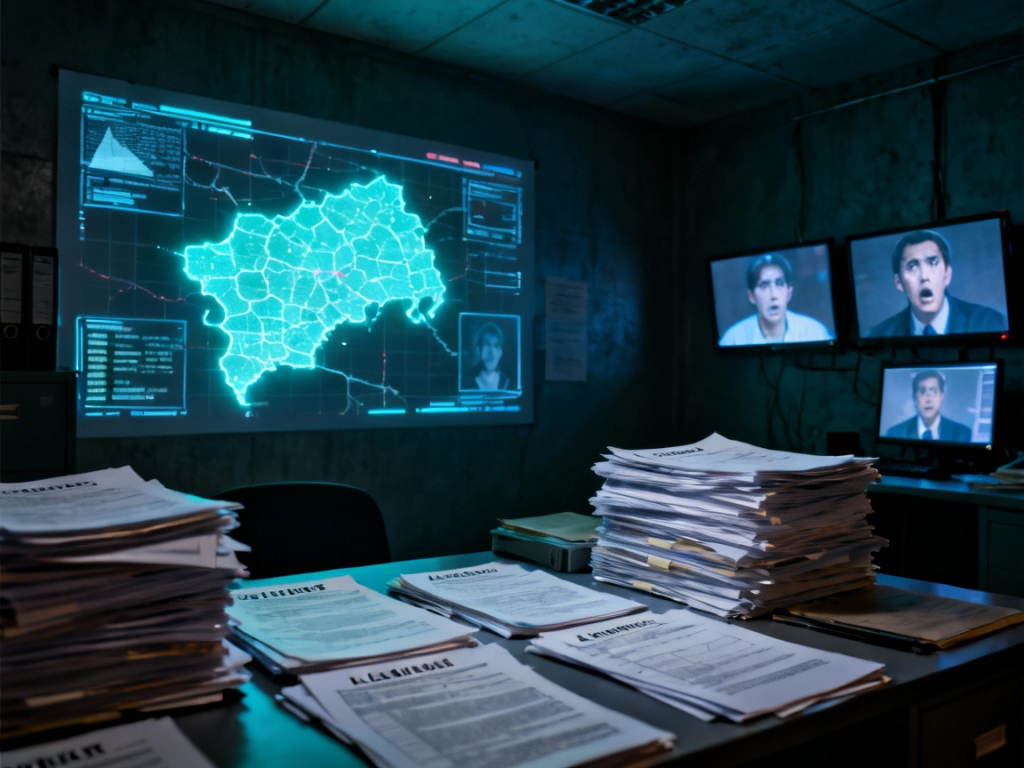
By the time Dominia understood the shape of the system controlling it, the transformation was complete. Fear had become the national language. Silence had become the highest law. The Leader, once a figure of spectacle and bluster, now existed in mythic proportions—an omnipresent force whose whims defined reality.
He no longer needed to speak often. His image alone carried weight.
He no longer needed to make threats. The people made them for him.
He no longer needed to justify actions. The justifications arose organically, whispered and repeated until they calcified into truth.
The nation that once prided itself on freedom now accepts restriction as stability.
The people who once cherished debate now avoided conversation entirely.
The society that once defined itself by diversity now feared the very idea of difference.
Dominia had crossed the threshold, not through a single dramatic moment, but through thousands of incremental shifts—each one rationalized, each one justified, each one small enough to ignore until the sum became unmistakable.
The empire did not reveal itself with marching boots or burning banners.
It revealed itself in the quiet conformity of a population that realized too late that they had surrendered their power, piece by piece, believing each surrender was temporary.
And by the time the spell broke, the Leader stood unchallenged.
The gravity that once pulled the nation toward him now pinned it beneath him.
⭐ THE SLOW AWAKENING
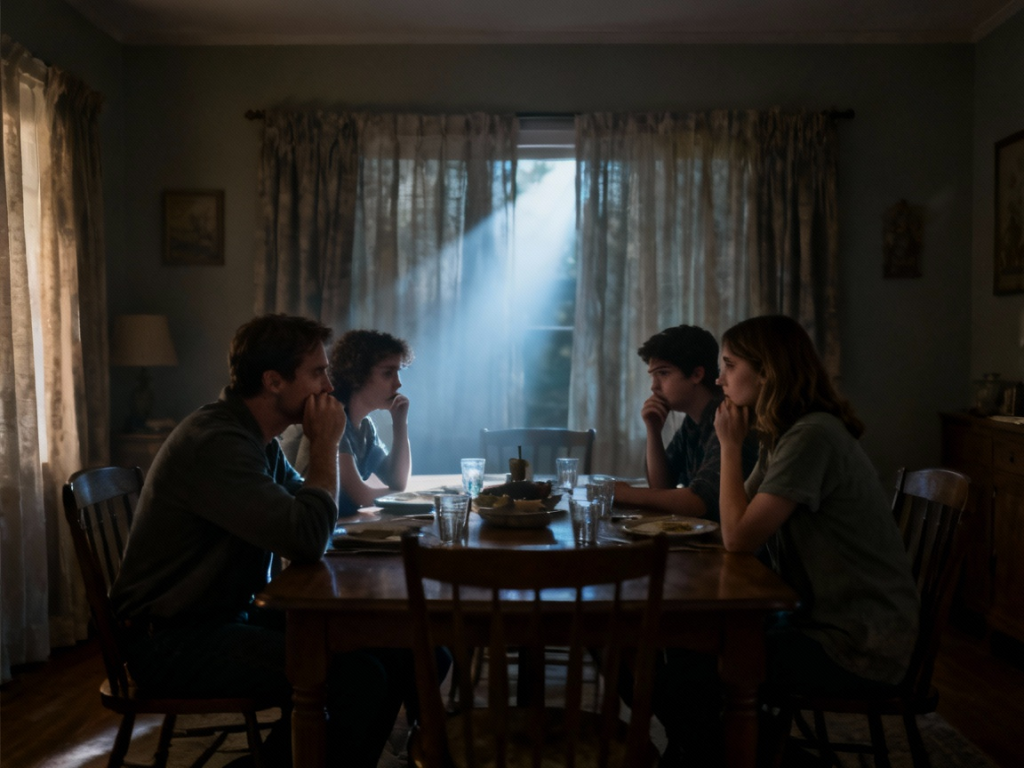
Awareness did not return to Dominia all at once; it emerged in scattered moments—quiet, private realizations that something fundamental had gone terribly wrong. A mother who had supported the Leader out of fear noticed her teenage son lowering his voice whenever he spoke at home. A retired man who had once worn his patriotism like a badge felt his pulse quicken when a stranger knocked at the door. A family who had always trusted the system panicked when a routine clerical error placed them on a list they had never heard of.
Small cracks appeared in the facade of obedience, and through those cracks, light began to seep.
People started asking careful questions in whispers, testing whether anyone else felt the unease that had settled into their bones. Quiet conversations unfolded in kitchens with the curtains drawn, in late-night phone calls, in coded messages on platforms that had once felt innocently social. Parents warned their children not to speak openly at school. Neighbors exchanged looks heavy with unspoken truths.
Some of the true believers also began to stir. Not many, and not quickly, but enough that the shift became noticeable. A few had watched colleagues disappear despite perfect loyalty; others had witnessed rules change overnight without explanation. One morning, a devoted follower who had always defended the Leader to his friends woke with a feeling he could not name: a flicker of doubt, faint but persistent, like a distant alarm finally reaching the surface.
Awakening was not a revolution.
Awakening was a remembering.
A remembering of who they had been.
A remembering of what had mattered.
A remembering of the warnings they once dismissed from their elders—the ones who knew what empires looked like before they collapsed.
Slowly, a truth spread through the population: no one was safe if everyone was a suspect.
And in that understanding, the seeds of resistance began to germinate.
⭐ RESISTANCE IN THE QUIET PLACES

Resistance did not begin with banners or crowds. It started with the smallest and most fragile forms of courage: a refusal to report a neighbor, a deliberate misfiling of paperwork, a password quietly shared with someone on the verge of being erased. It began in old libraries where volunteers scanned banned books into digital archives. It started with teachers who smuggled erased chapters of history back into their lessons. It began with nurses who kept unofficial lists of the disappeared so their families would not be left in the dark.
Dominia’s resistance was not a single movement but a constellation of scattered acts, each one tiny on its own, but immense in aggregate. People found one another through chance, through intuition, through the unmistakable glimmer of recognition in a stranger’s eyes. They learned to read the subtle language of dissent: a symbol drawn in chalk on a lamppost, a phrase embedded in a conversation, a gesture held a moment too long.
Some worked from within the system, feeding misinformation into the surveillance grid, altering identification codes, and rerouting investigations. Others operated entirely outside of it, forming hidden networks that communicated through analog methods the state had forgotten to monitor.
The resistance was not united, not organized, not even fully conscious of itself.
But it was growing.
And the Empire, for the first time, felt something it had never anticipated: friction.
⭐ THE REVEAL
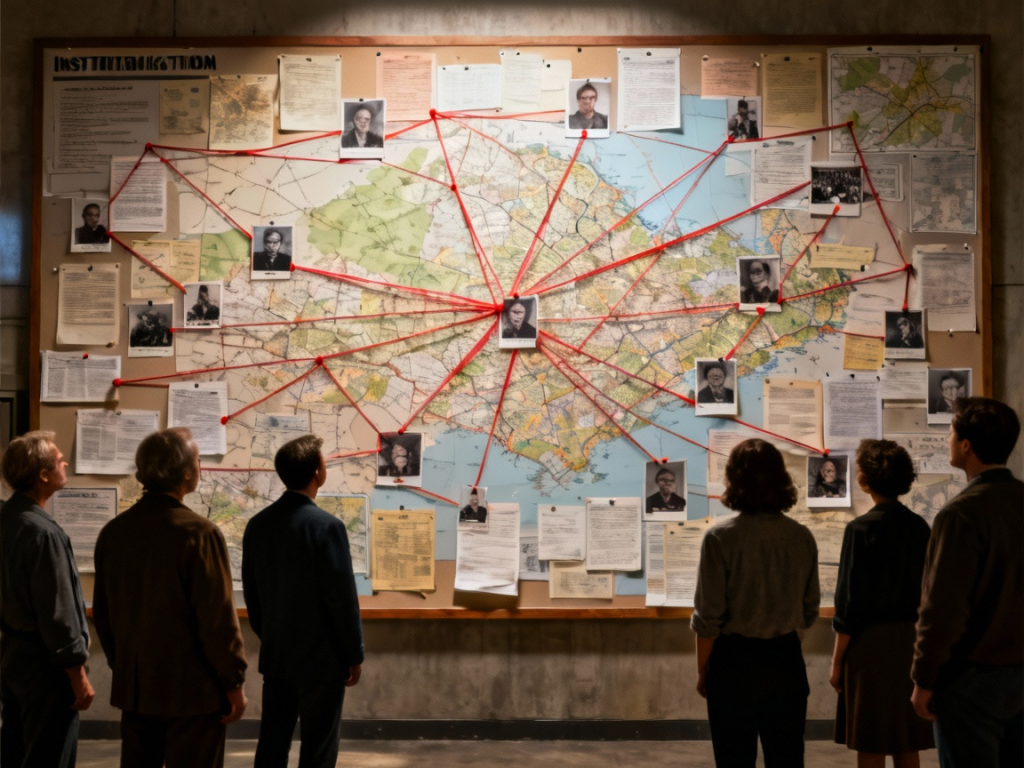
The revelation did not come as a single dramatic announcement; it arrived like a slow unmasking, a peeling back of illusions until only the stark truth remained. Citizens who had once believed the Leader was merely unorthodox began to see the architecture of his design. The raids, the surveillance, the disappearances, the purges, the loyalty tests — all threads that led back to a single intention: absolute power concentrated in the hands of one man and the loyalists who served him without question.
Documents leaked, revealing the extent of the population mapping. Testimonies emerged from those who escaped the holding facilities. Digital archives were uncovered showing how far back the plans had been laid, long before the Leader ever assumed office. People realized that the abuses were not reactions to crises, but premeditated steps in a blueprint for dominance.
And then the final truth landed with crushing clarity:
He had always intended to rule, not govern.
The Leader was not a mistake.
He was not an aberration.
He was the logical conclusion of a nation that had forgotten its history.
The people saw, at last, what had been in front of them all along.
⭐ THE MORAL OF THE EMPIRE
(Bridge to the following article)
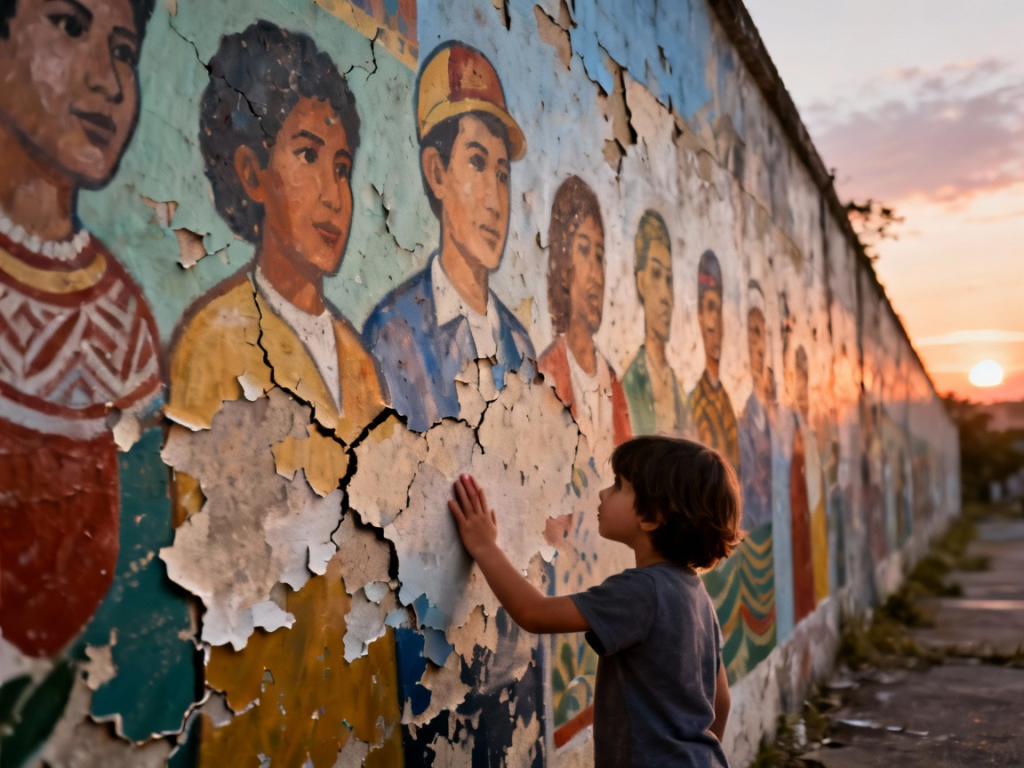
Dominia’s fall was not the story of a single tyrant rising to power. It was the story of a society that allowed itself to be divided by illusions of superiority and myths of purity. In trying to protect themselves from “The Other,” citizens failed to realize that every category of “Other” would eventually include them. The attempt to draw lines of belonging became the very weapon that erased them.
Empires do not collapse when the oppressed rise up; they collapse when the majority realizes they have been complicit in their own diminishment.
And this is where your second article begins.
The Whitening of America is not merely a political initiative or a policy debate. It is the continuation of the same ancient pattern: reducing a diverse, vibrant population into rigid categories of legitimacy and illegitimacy. First, they target the undocumented. Then the naturalized. Then, the birthright citizens whose parents were not citizens. Then the mixed. Then the inconveniently different. Then the dissenters. Then the silence.
In the end, an empire built on purity consumes even those who believed themselves pure.
Dominia learned its lesson too late.
America still has time — if it chooses to remember.
🌟 SUPPORT OUR WORK — SUBSCRIBE TO OUR SUBSTACK
We are building this series as part of a larger exploration of power, history, disclosure, contact, and the Anunnaki Overlay. If this resonates, subscribe to stay connected to upcoming chapters, images, and deep-dive analyses.
Journey with us: https://substack.com/@janetalexlessinphd
⭐ A — CAST OF CHARACTERS (PORTRAIT IMAGES)
(10 characters, each portrait-ready with your preferred photorealistic style)
THE LEADER

A charismatic yet unsettling figure whose presence dominates every space he enters. His expression blends confidence with menace, masking an emptiness beneath. He embodies the seduction and decay of unchecked power.
Prompt:
realistic, photorealistic portrait of an authoritarian political leader, dramatic cinematic lighting, soft natural colors, fantasy realism, highly detailed, intense eyes, ambiguous smile, atmospheric depth, 1024×576
THE TRUE BELIEVER

A devoted follower transformed by the Leader’s rhetoric. Eyes bright with conviction, posture rigid with purpose, wearing symbols of loyalty. Their identity dissolves into the ideology they serve.
Prompt:
realistic, photorealistic portrait of a devoted political follower, cinematic lighting, soft natural tones, subtle fanaticism in the gaze, symbolic clothing, highly detailed, emotional depth, 1024×576
THE INFORMANT
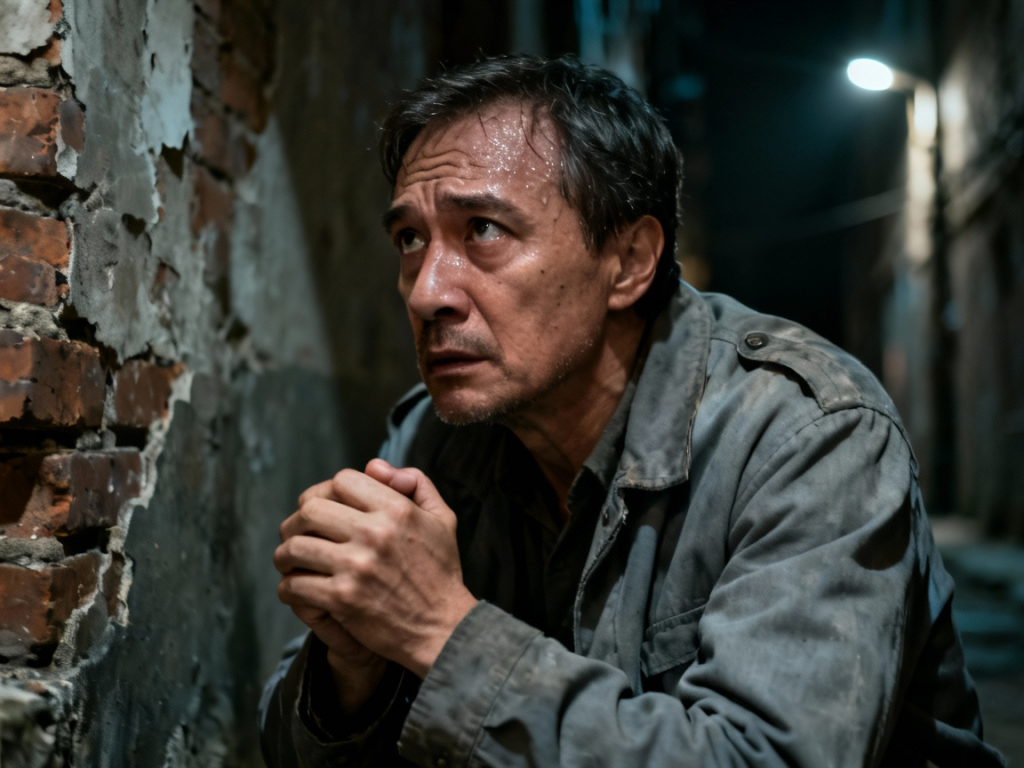
A neighbor, coworker, or friend who quietly reports others. Nervous eyes, conflicted posture, constantly watching. A person who survives by betraying before being betrayed.
Prompt:
realistic, photorealistic portrait of a conflicted citizen informant, cinematic shadows, tense expression, soft muted colors, emotional unease, highly detailed, 1024×576
THE WATCHER
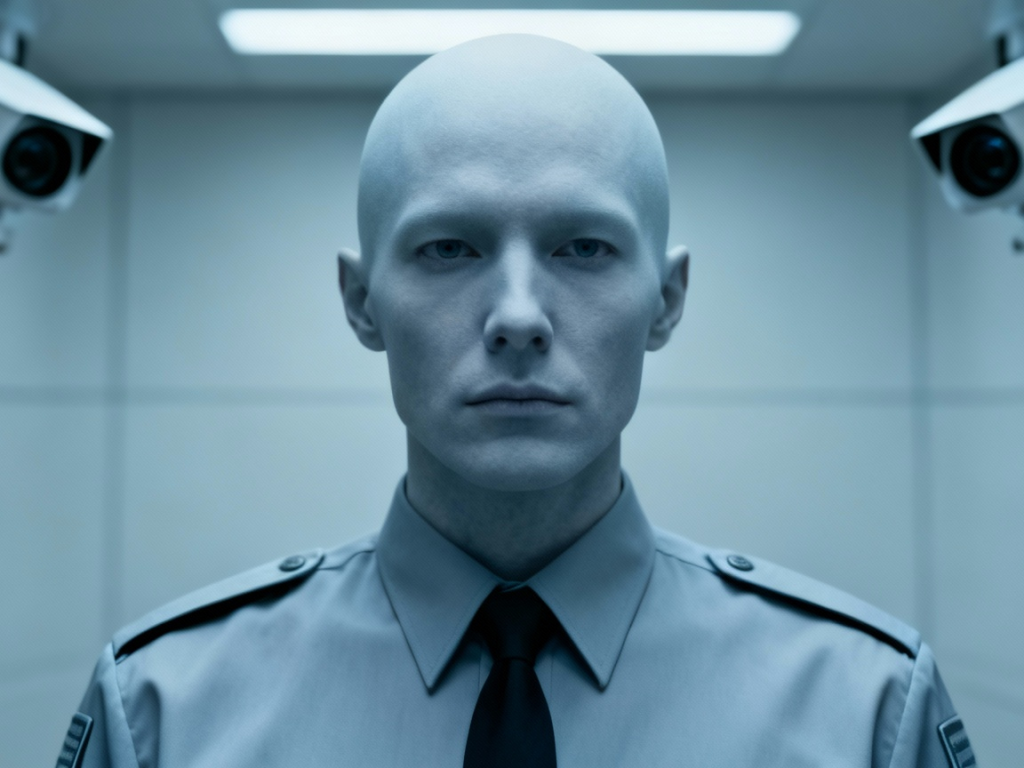
A state surveillance operative—calm, precise, anonymous. The embodiment of institutional monitoring. Their face gives away nothing, yet their presence suggests constant vigilance.
Prompt:
realistic, photorealistic portrait of a surveillance agent, cool lighting, subtle government uniform, minimalist background, highly detailed, emotionally distant, 1024×576
THE PROFESSOR

An aging scholar who remembers history clearly, while others forget. Intelligent eyes behind wire-rim glasses, surrounded by banned books and fading maps. He carries the weight of knowledge no one wants to hear.
Prompt:
realistic, photorealistic portrait of an elderly professor, cinematic warm lighting, books and papers softly blurred in background, thoughtful expression, highly detailed, emotional depth, 1024×576
THE GRANDMOTHER

A survivor of past atrocities, her arm still marked with historical trauma. Her gaze carries sorrow, memory, and warning. She is the last living witness to what is coming again.
Prompt:
realistic, photorealistic portrait of an elderly woman with a faded tattooed number on her arm, soft natural lighting, expressive eyes, emotional depth, highly detailed, 1024×576
THE VANISHED
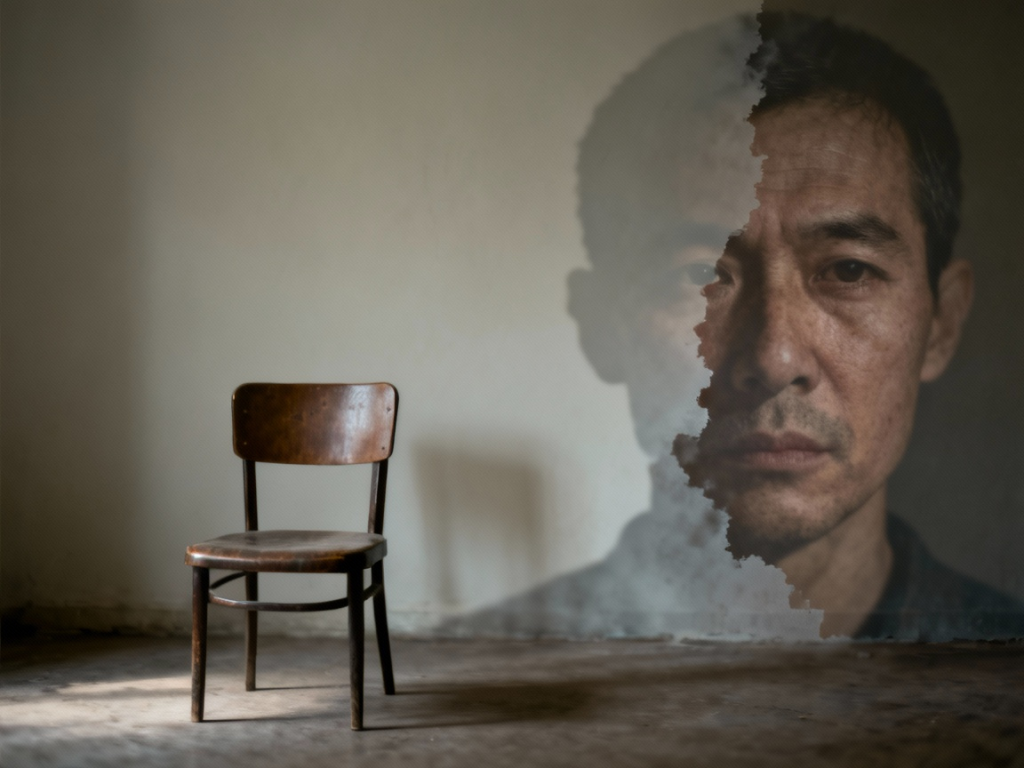
A symbolic portrait representing the disappeared—blurred edges, fading outlines, an empty chair, or a half-seen face. A reminder of those removed quietly from society.
Prompt:
realistic, photorealistic symbolic portrait of a “vanished” citizen, partially erased silhouette, cinematic lighting, soft desaturated tones, emotional emptiness, highly detailed, 1024×576
THE BLENDED FAMILY

A multicultural, multi-ethnic family who believed they belonged—until the system turned on them. Their faces show love, unity, and fear of an uncertain future.
Prompt:
realistic, photorealistic portrait of a blended multi-ethnic family, cinematic lighting, soft natural colors, emotional warmth mixed with tension, highly detailed, 1024×576
THE RESISTER

A quiet hero. A librarian scanning banned books, a nurse recording disappearances, a neighbor hiding someone at great risk. Strength in the calm, eyes alert, posture steady.
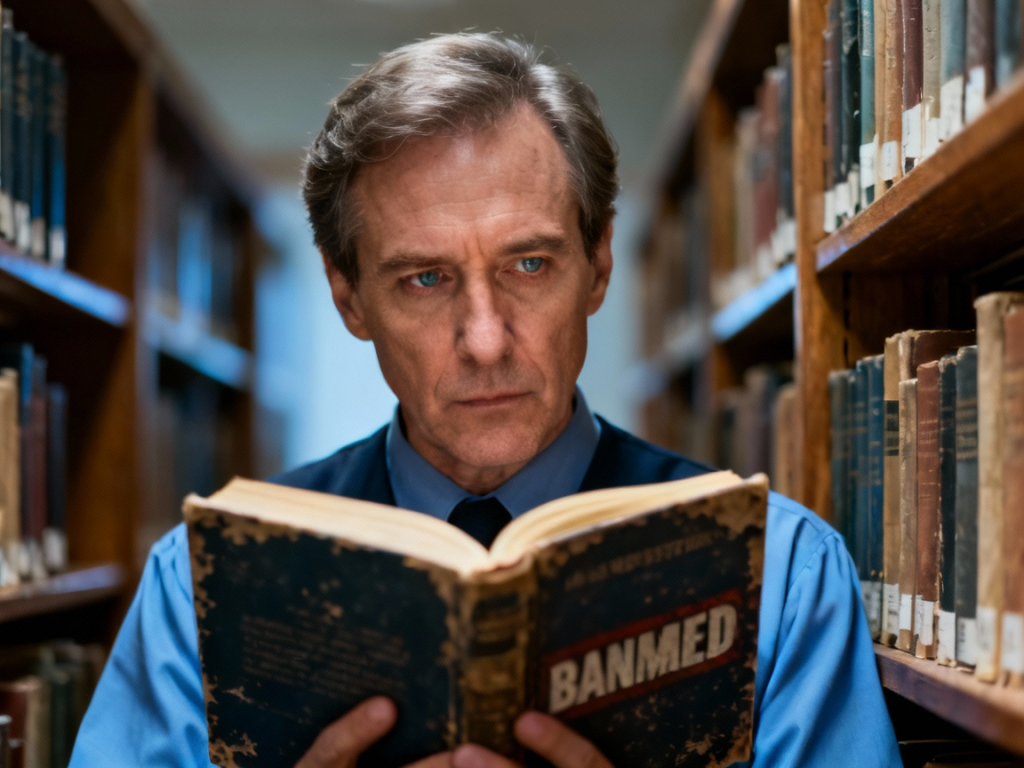
Prompt:
realistic, photorealistic portrait of a courageous but ordinary resister, cinematic lighting, subtle defiance in the eyes, soft natural color palette, highly detailed, 1024×576
THE AWAKENED CHILD

A teenager who starts asking questions no one else dares to ask. Eyes wide, cautious, intelligent. Represents the future struggling to free itself from the empire’s grip.

Prompt:
realistic, photorealistic portrait of a thoughtful teenager, cinematic soft lighting, emotional depth, subtle expression of awakening awareness, highly detailed, 1024×576
⭐ SCENE IMAGES (LANDSCAPE, CINEMATIC)
HEADER IMAGE — THE EMPIRE RISING
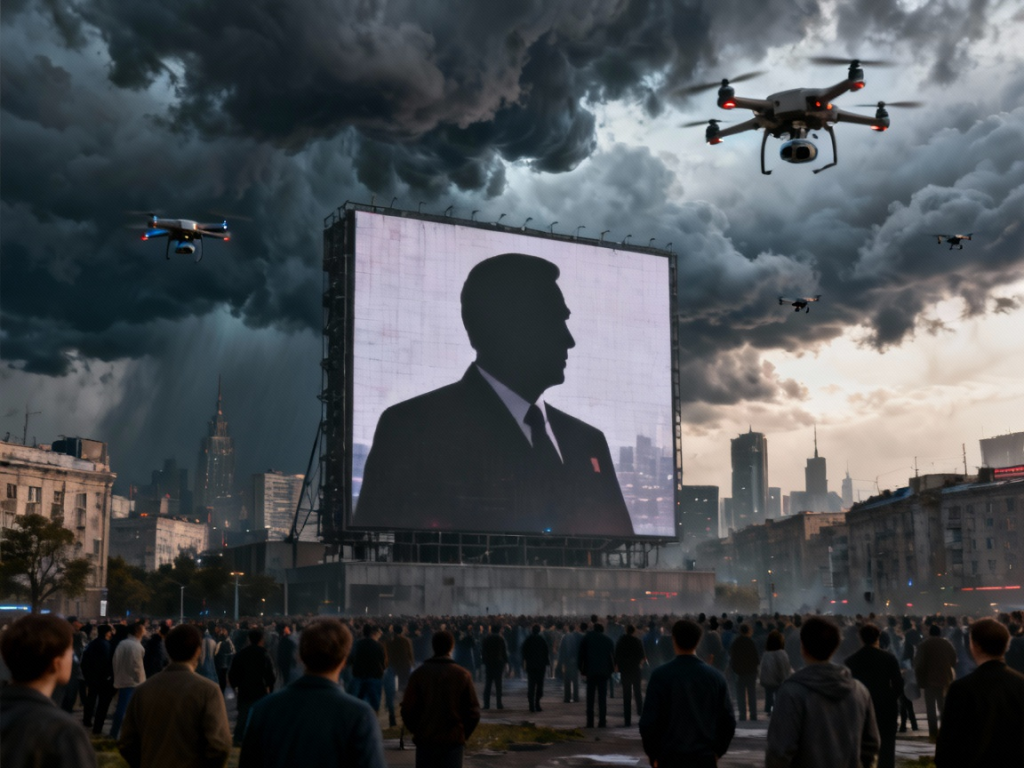
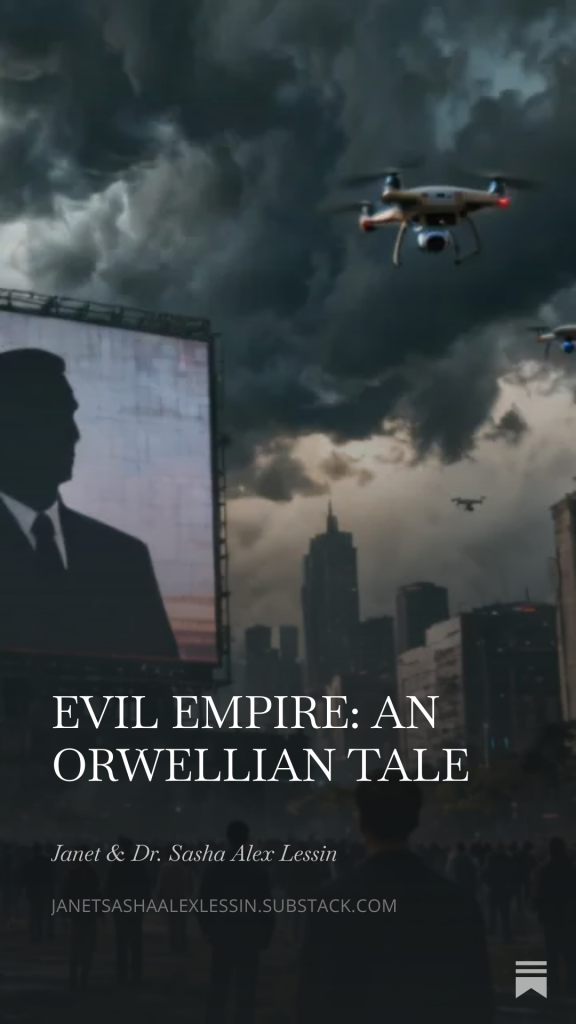
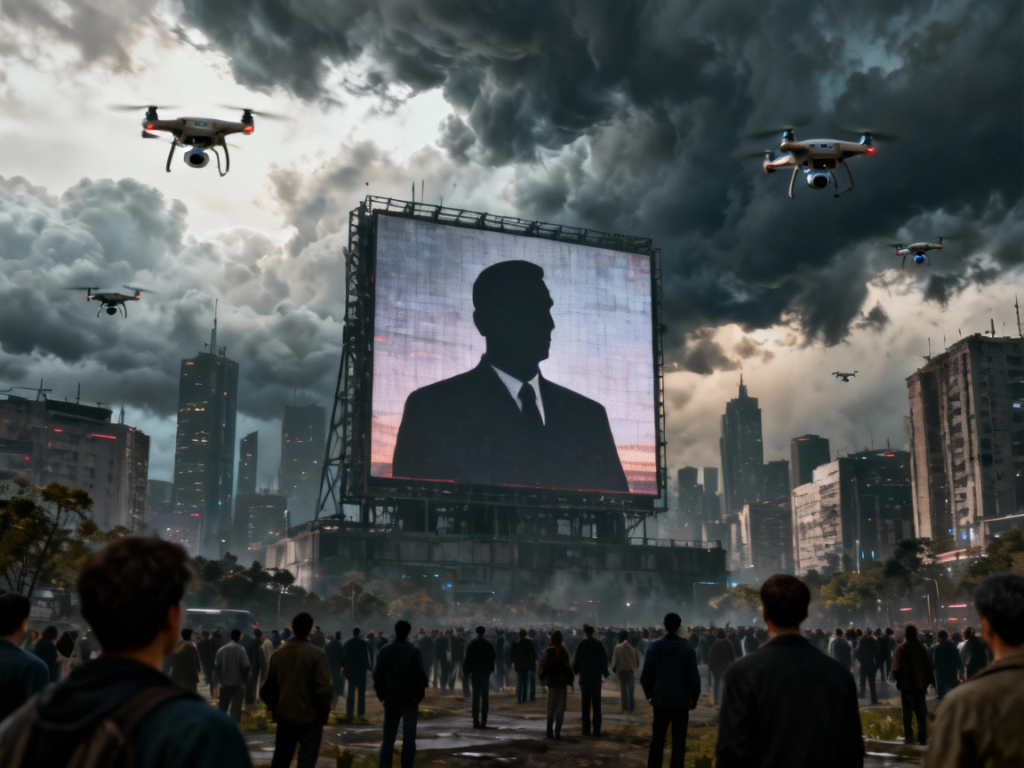
A symbolic panorama representing Dominia’s descent: a metropolis under gathering storm clouds, a massive billboard of the Leader looming over silent crowds, surveillance drones hovering above. The mood is ominous, cinematic, and foreboding without naming any real-world figure.
Prompt:
realistic photorealistic landscape, cinematic lighting, storm clouds over dystopian city, giant billboard of an authoritarian leader in silhouette, surveillance drones in sky, dark soft natural colors, fantasy realism, emotional depth, highly detailed, 1024×576
THE VOICE THAT BECAME A GRAVITY
A rally scene lit by harsh spotlights, crowds tilted toward a stage where the Leader stands in silhouette. The composition emphasizes the gravitational pull he exerts rather than the man himself.
Prompt:
realistic photorealistic cinematic rally scene, silhouette of authoritarian leader on stage, crowds leaning toward him, dramatic lighting, soft natural color palette, emotional intensity, highly detailed, 1024×576
THE COUNTRY BEGAN TO LEAN
A city street where people subtly shift their posture toward a distant broadcast screen showing the Leader. Every day life continues, but the tilt is evident in the body language and atmosphere.
Prompt:
realistic photorealistic city street, people subtly leaning toward a giant video screen showing a political leader in silhouette, cinematic lighting, soft warm tones, atmospheric tension, highly detailed, 1024×576
THE SPECTACLE OF OBEDIENCE
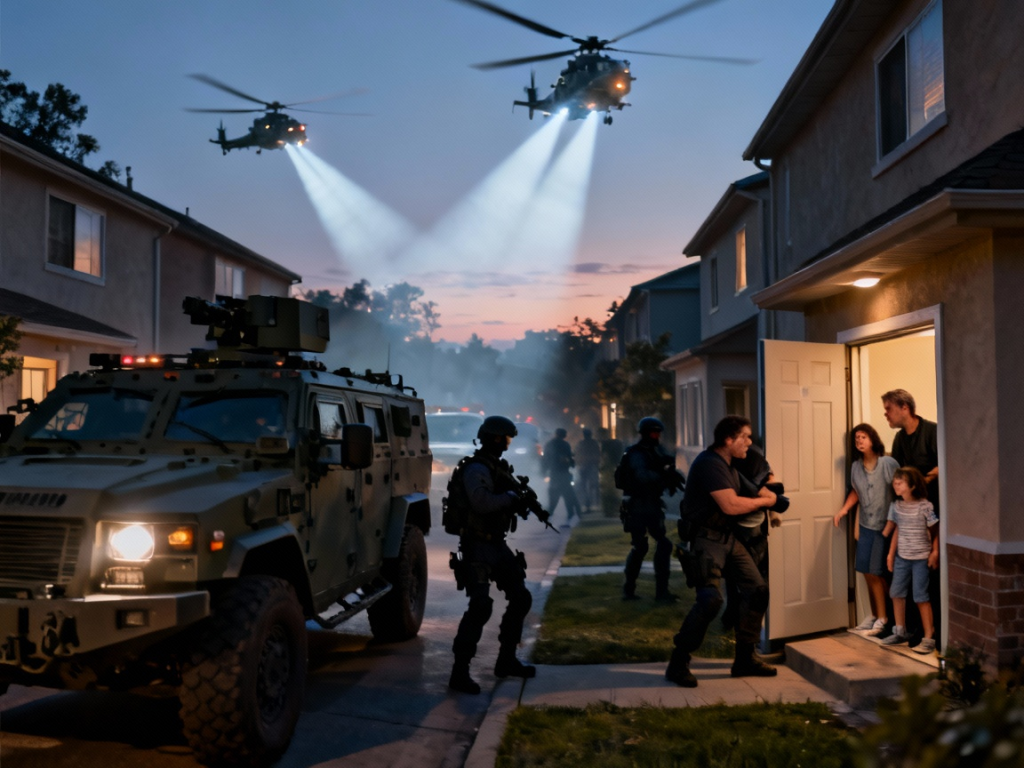
Armored vehicles and agents flood a quiet residential block at dawn. Helicopters cast sweeping beams of light. Families stand in doorways watching in horror as neighbors are taken.
Prompt:
realistic photorealistic dawn raid scene, armored vehicles, tactical agents, helicopters with searchlights, quiet residential block, emotional tension, cinematic composition, soft natural colors, highly detailed, 1024×576
THE HALF THAT NEVER SLEPT — AND THE HALF THAT NEVER WOKE
A split-composition scene: on one side, elders remembering past horrors; on the other, younger citizens scrolling on devices, oblivious. A subtle divide runs between generations.
Prompt:
realistic photorealistic cinematic split-scene, elders with tattooed numbers telling stories, younger people distracted by devices, soft lighting contrast, emotional depth, highly detailed, 1024×576
THE ERA OF FORGETTING
A museum room is nearly empty, with dust-covered exhibits on past atrocities. A lone grandmother stands before a display while younger visitors walk past without looking.
Prompt:
realistic photorealistic museum interior, fading historical exhibits, elderly woman remembering, younger people passing by uninterested, cinematic lighting, soft muted colors, highly detailed, 1024×576
THE ILLUSION OF BELONGING
A warm domestic scene disrupted: dinner plates still on the table, toys on the floor, but the house is silent and empty. A door swings open into darkness, hinting at a sudden disappearance.
Prompt:
realistic photorealistic empty family home, warm lighting contrasting with ominous stillness, open door into darkness, signs of a family who vanished suddenly, cinematic composition, emotional depth, highly detailed, 1024×576
THE EXPANSION OF SURVEILLANCE
A street lined with new surveillance cameras, biometric checkpoints, and scanners. People move through the space numbly, accustomed to the intrusion yet visibly uneasy.
Prompt:
realistic photorealistic dystopian street with multiple surveillance cameras, biometric checkpoints, facial scan booths, citizens passing through, cinematic cool lighting, soft natural colors, highly detailed, 1024×576
THE MACHINERY OF LOYALTY
A neighborhood board meeting where residents quietly accuse one another. A bulletin board displays rewards for “reporting suspicious activity.” Faces show fear and distrust.
Prompt:
realistic photorealistic community meeting, tense atmosphere, residents whispering, bulletin board with informant rewards, cinematic lighting, emotional depth, soft tones, highly detailed, 1024×576
THE TURNING OF THE WHEEL
A once-powerful loyalist’s office now cold and abandoned — his nameplate on a desk, a half-packed box, an overturned chair. A shadowy figure closes the door behind them.
Prompt:
realistic photorealistic empty office of purged official, nameplate on desk, half-packed box, cinematic shadows, emotional tension, soft desaturated colors, highly detailed, 1024×576
THE TRUE NATURE OF THE EMPIRE REVEALED
Stacks of leaked documents and digital screens showing surveillance data, population maps, erased identities. Figures gather around in shock as the scale becomes clear.
Prompt:
realistic photorealistic secret room with leaked documents, glowing digital population maps, erased identity files, citizens illuminated by screens in shock, cinematic lighting, highly detailed, 1024×576
THE SLOW AWAKENING
A family sits around a dinner table in near darkness, whispering. Curtains drawn. A faint beam of light enters the room, symbolizing emerging awareness.
Prompt:
realistic photorealistic dimly lit home interior, family whispering around the table, drawn curtains, faint beam of light entering, cinematic emotional atmosphere, soft natural colors, highly detailed, 1024×576
RESISTANCE IN THE QUIET PLACES
A hidden basement filled with banned books, coded notes, and old computers running offline networks. Resisters gather under low warm light, planning quietly.
Prompt:
realistic photorealistic underground resistance room, banned books, dim warm lighting, people planning in secret, coded notes and old computers, cinematic composition, highly detailed, 1024×576
THE REVEAL
An enormous wall-sized board with string connecting images, documents, raids, purges, maps — the entire machinery laid bare. A small group stands silently before it, finally understanding.
Prompt:
realistic photorealistic investigation board covered with maps, documents, photos connected by red string, small group of citizens realizing truth, cinematic dramatic lighting, highly detailed, 1024×576
THE MORAL OF THE EMPIRE
A symbolic final scene: a once-vibrant multicultural mural now cracked and peeling, with sections erased. A single child stands in front of it, touching the faded paint as dawn breaks.
Prompt:
realistic photorealistic mural of diverse population fading and peeling, symbolic cracks, child touching the wall, early dawn light, soft natural colors, emotional depth, highly detailed, 1024×576
THE ASCENT OF THE STRONGMAN
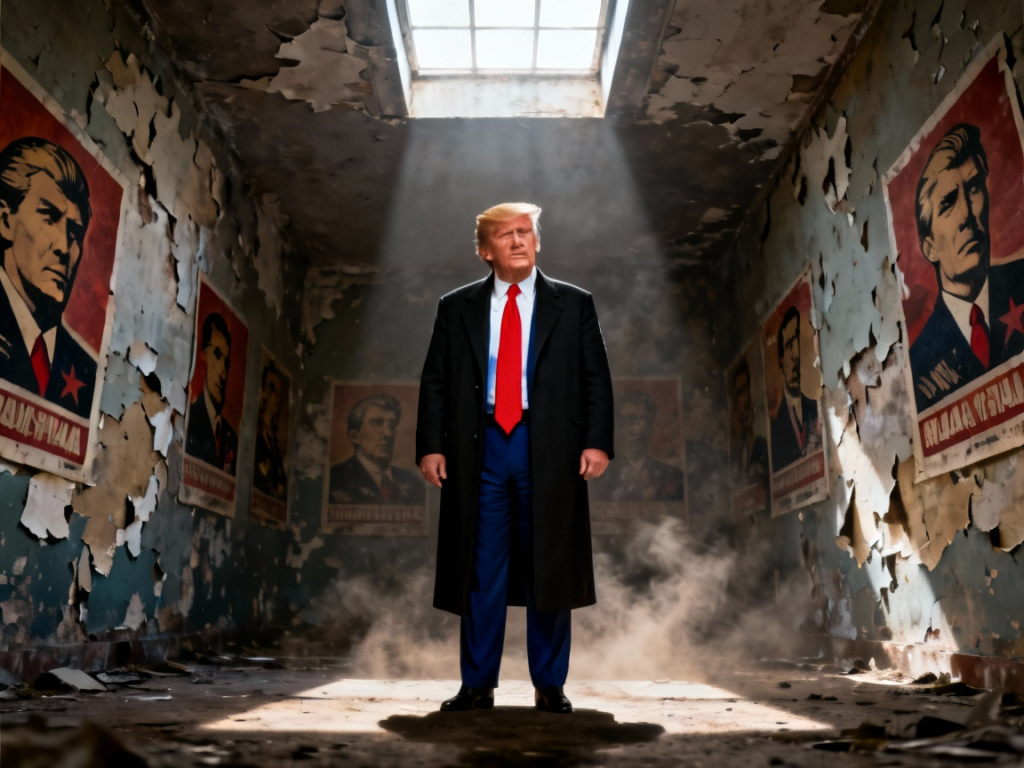
Description:
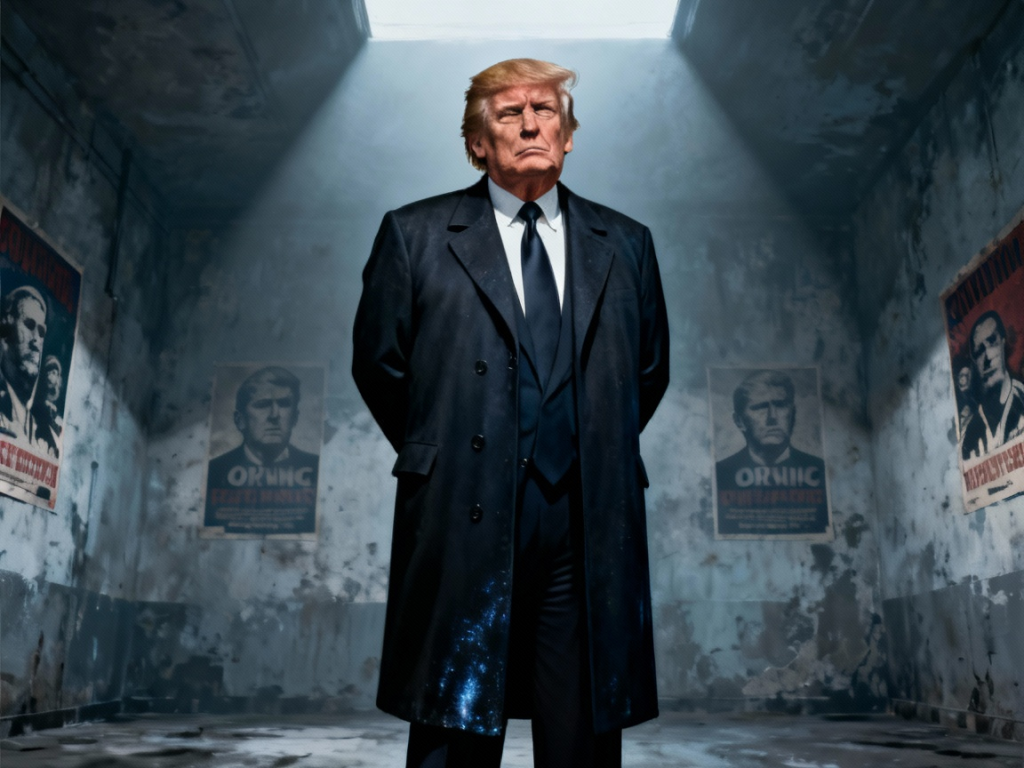
In a decaying propaganda chamber, the authoritarian Leader stands beneath a shaft of cold light, framed by peeling walls plastered with his own mythic posters. His posture is rigid, immovable — a man who expects obedience, not debate. Around him, the room breathes the claustrophobic tension of a society collapsing into enforced reverence. The image captures the moment when one man’s ego becomes a nation’s prison.
(Dark overcoat version — similar to your uploaded image, but more atmospheric)
Prompt:
realistic photorealistic cinematic lighting, dystopian propaganda chamber, authoritarian leader that looks like Trump, standing beneath a harsh skylight, wearing a long black overcoat, blue suit and red tie, stern expression, peeling walls covered in stylized propaganda posters, faint dust in the air, dramatic shadows, soft natural dark colors, fantasy realism, emotional depth, highly detailed, landscape composition, 1024×576
THE ROOM OF SILENT LOYALTY
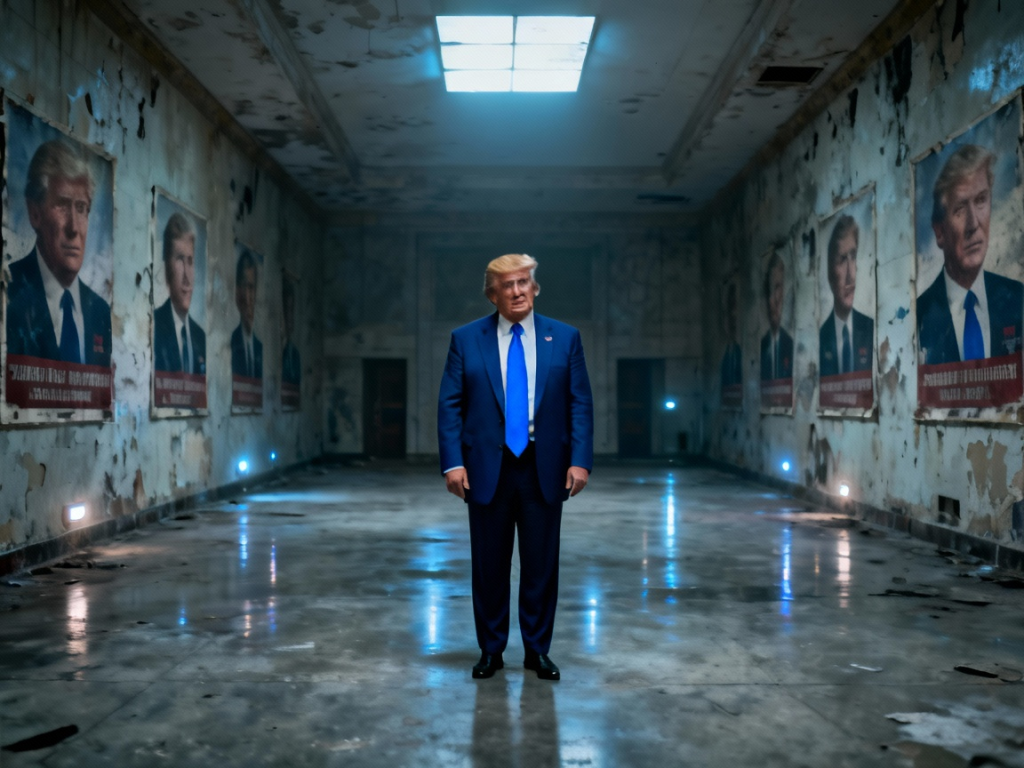
Description:
The Leader stands alone at the center of a stark, corroded chamber littered with his own propaganda. The posters echo his image endlessly, amplifying the illusion of inevitability. Light pours from above like a spotlight from an unseen judge, exposing the emptiness behind manufactured grandeur. This is the heart of the Empire — a place where silence is loyalty and fear is policy.
(Blue suit, blue tie, more “governmental stage” feeling — cleaner, colder)
Prompt:
realistic photorealistic cinematic lighting, authoritarian leader that looks like Trump, in a blue suit and blue tie, standing in a stark abandoned government hall, walls lined with faded propaganda posters of his younger self, cool-toned overhead lighting, polished concrete floor reflecting faint glows, atmosphere of silence and surveillance, intense emotional depth, fantasy realism, highly detailed, landscape, 1024×576
THE EMPEROR OF THE FORGOTTEN ROOM
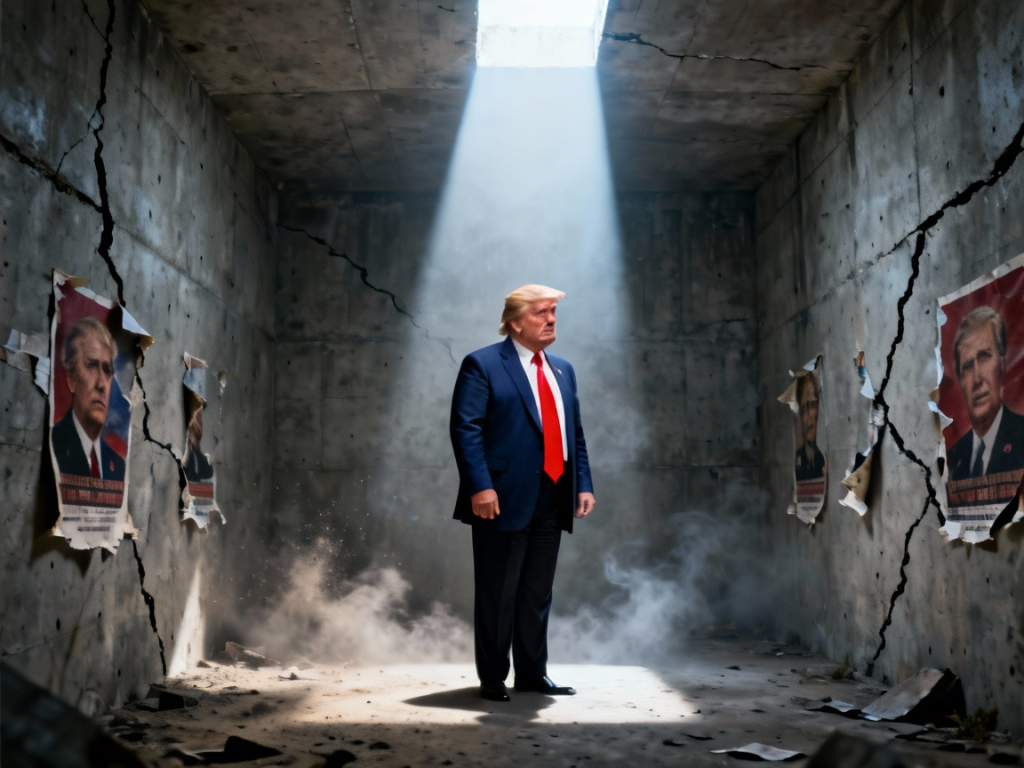
Description:
Set in a grim, bunker-like hall stained by time and tyranny, the Leader, who looks like Trump, blue suit, red tie, towers in his dark overcoat, a solitary figure illuminated by a harsh skylight. Faded posters of his likeness line the walls, relics of a propaganda machine built to elevate one man above the nation. The image embodies the chilling transformation of a democracy into a cult of personality, where the Leader’s shadow stretches farther than his promises ever did.
(Blue suit, red tie, more brutalist, harsher contrast, heavier intimidation vibe)
Prompt:
realistic photorealistic cinematic lighting, authoritarian leader that looks like Trump, in a dark blue suit with a vivid red tie standing in a brutalist concrete bunker lit by a single shaft of cold white light, cracked walls with torn propaganda posters, subtle fog and dust in the air, mood of dominance and decay, fantasy realism, highly detailed, emotional depth, landscape composition, 1024×576
⭐ SUBSCRIBE BLOCK 💠 JOIN OUR COMMUNITY OF READERS, THINKERS & SEEKERS
Your subscription helps support our historical research, mythological analysis, creative writing, and the evolving “Age of the Awakener” narrative.
Subscribe here: https://substack.com/@janetalexlessinphd
Follow our wider work:
- EnkiSpeaks.com
- DragonAtTheEndOfTime.com
- ElephantsInOurRooms.com
- Aquarian Media
⭐ RELATED ARTICLES
Related Reading From This Series & Universe:
- The Age of the Awakener: Enki, Marduk & the Final Battle for Earth’s Future
- Domination vs. Partnership: The Anunnaki War Across History
- The Williamite Wars: Marduk’s Shadow Over Ireland
- The Irish Confederate Wars: Domination, Partnership & the Shadow of the Gods
- Why Not Peace? A Conscious Civilization Blueprint
- Interview With the Fisher King (Enki’s Avatars Series)
- SAXONS: From Tribal Migrants to Founders of England
⭐ NEXT IN THE SERIES
Coming Next:
WHITENING OF AMERICA
A deep dive into how purity myths, demographic fear, and political manipulation converge into a modern caste-based schema that mirrors the oldest imperial patterns.
⭐ SOCIAL MEDIA BLURBS (X, Facebook, LinkedIn)
X (Twitter) — Short & Punchy:
What happens when a nation slowly forgets its past? “Evil Empire: An Orwellian Tale” explores how power rises when memory fades. Read the new chapter here.
#EvilEmpire #OrwellianTale #JanetLessin #SashaLessin #AquarianAge
Facebook — Warm & Narrative:
Our newest article, “Evil Empire: An Orwellian Tale,” examines how societies shift, inch by inch, into the shadow of authoritarian power. This is fiction—but it echoes patterns we’ve seen before and must recognize again. Dive into this powerful narrative and join the conversation.
LinkedIn — Professional & Analytical:
In “Evil Empire: An Orwellian Tale,” we explore the psychological, structural, and generational conditions that allow authoritarian systems to take root—a narrative lens for examining real-world policy, governance, and civic responsibility.
⭐ TAGS
Evil Empire, Orwellian Tale, authoritarianism, democracy, surveillance state, resistance, multiculturalism, generational trauma, purity myth, nationalism, sociology, political psychology, history, Aquarian Age, Anunnaki Overlay, Janet Kira Lessin, Sasha Alex Lessin
⭐ HASHTAGS (for social media)
#EvilEmpire #OrwellianTale #JanetKiraLessin #SashaAlexLessin #SurveillanceState #Resistance #AnunnakiOverlay #ConsciousCivilization #AquarianAge
⭐ AUTHOR BIOS
About the Authors
🜁 Janet Kira Lessin — Lead Author
Janet is a multidimensional historian, experiencer, researcher, and author whose work braids together mythology, contact phenomena, alternative history, political analysis, and the psychology of civilizations. Her writing seeks to illuminate patterns that repeat across eras—from ancient extraterrestrial narratives to modern structures of power—offering guidance for humanity’s conscious evolution.
🜂 Sasha Alex Lessin, Ph.D. — Contributing Author
Anthropologist, counselor, and philosopher, Sasha brings decades of research into ancient civilizations, human behavior, and the Domination vs. Partnership paradigm. His work integrates anthropology, psychology, and spirituality to understand how societies rise, fracture, and heal.
Together, Janet and Sasha develop a unique lens for understanding the forces shaping our world—and our future.
⭐ IMAGE LIST (BACK END REFERENCE)
Include at the bottom for your workflow:
- The Empire Rising (header)
- The Voice That Became a Gravity
- The Country Began to Lean
- The Spectacle of Obedience
- The Half That Never Slept — And the Half That Never Woke
- The Era of Forgetting
- The Illusion of Belonging
- The Expansion of Surveillance
- The Machinery of Loyalty
- The Turning of the Wheel
- The True Nature of the Empire Revealed
- The Slow Awakening
- Resistance in the Quiet Places
- The Reveal
- The Moral of the Empire
(Each with 1024×576 prompts already created.)
⭐ SERIES LIST (THE “AGE OF THE AWAKENER” COLLECTION)
- Evil Empire: An Orwellian Tale
- Whitening of America (coming next)
- The Architecture of Authoritarianism
- The Memory of Empires
- The Myth of Purity
- The Shattering of the Great Forgetting
- Lessons for the Aquarian Age
- Enki’s Role in the Restoration of Partnership
- Toward a Conscious Civilization