THIS IS WHAT COLLAPSE LOOKS LIKE
Why an Economy Without Workers Can’t Function—No Matter What MAGA Pretends
By Janet Kira Lessin
with Dr. Sasha Alex Lessin, Ph.D. (Contributing Author)
(Part of the ongoing series: GOVERNING THROUGH CRUELTY — How Trumpism Breaks the Systems That Keep Us Alive)
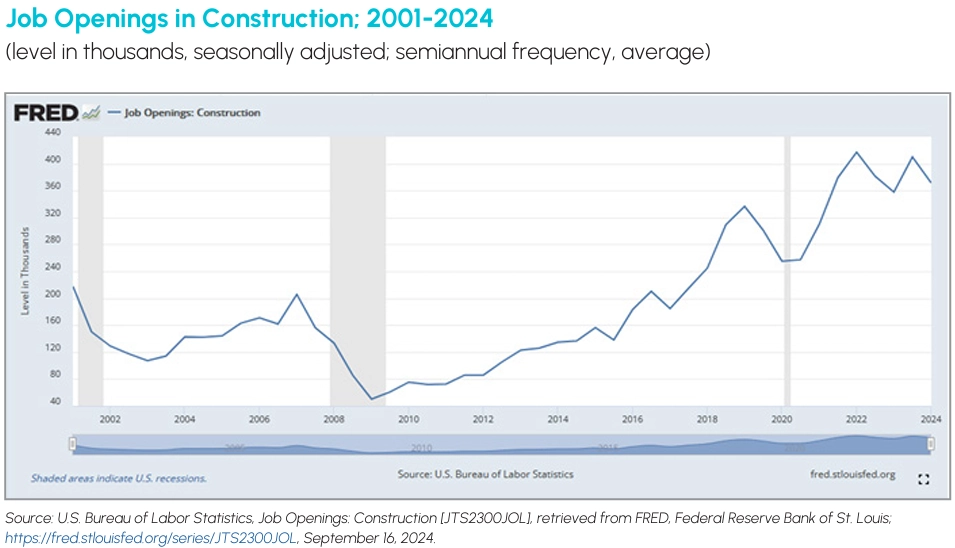
On Maui, my roof is leaking. My pipes are leaking. My sister has dementia. And I cannot find help.
When I locate a plumber, they are booked for months. When I find a caregiver, the position disappears almost as quickly as it appears. This is not a scheduling inconvenience. It is not a temporary disruption. It is a structural failure unfolding quietly, relentlessly, and everywhere.
My brother on the mainland is experiencing the same breakdown. His landlord cannot secure essential repairs to his apartment—not because of indifference or neglect, but because there simply are not enough workers available. The labor force that once kept ordinary life functioning has been frightened away, removed, or pushed beyond exhaustion.
This is what collapse looks like in daily life: not chaos in the streets, but the slow failure of systems people depend on to survive.
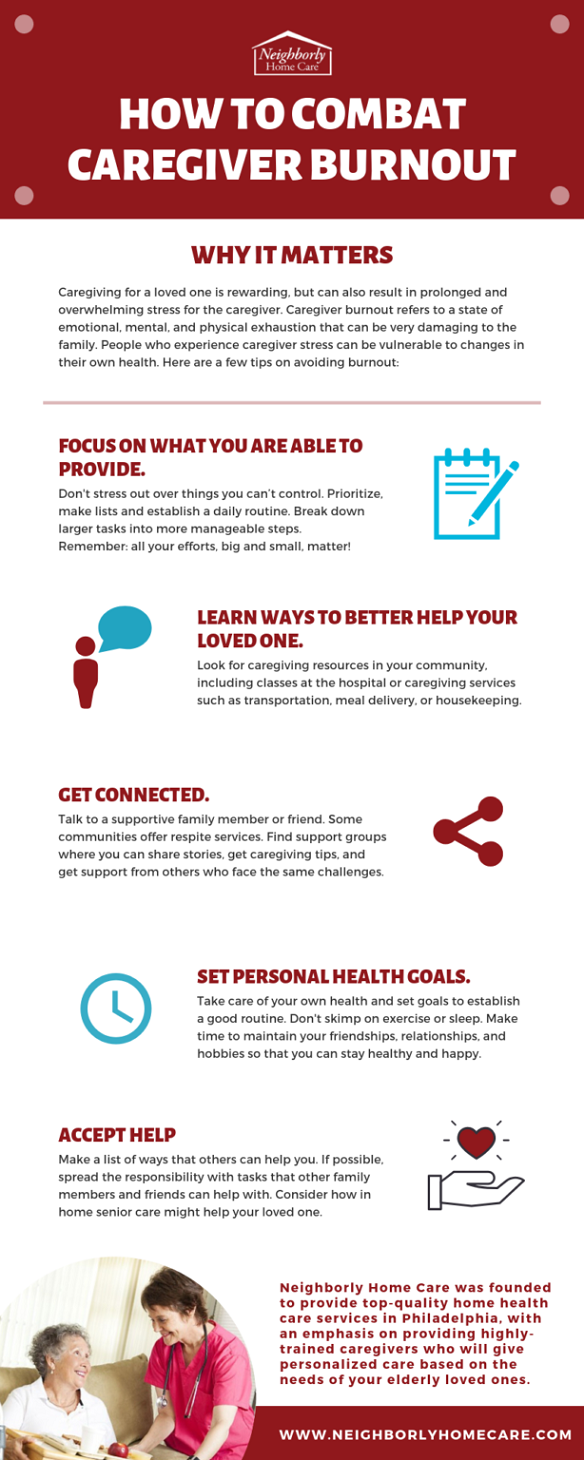
Collapse Does Not Announce Itself

Collapse is often imagined as spectacle—sirens, riots, visible catastrophe. In reality, it more often arrives as an accumulation of absences:
- months-long waits for basic home repairs
- No caregivers for elders or people with disabilities
- childcare slots that no longer exist
- businesses cutting hours or closing entirely
- families quietly absorbing impossible burdens
Nothing explodes. Nothing trends for long. Life becomes harder, lonelier, and more fragile.
For decades, the United States relied on an unspoken truth: immigrant labor held up the invisible infrastructure of daily life. Caregivers, nannies, babysitters, home health aides, cleaners, tradespeople, farmworkers, warehouse staff, drivers, and hospitality workers made modern life possible. In places like Hawaii—where geographic isolation magnifies every shortage—this labor was not optional. It was essential.
That workforce is now being systematically destabilized.
How Things Actually Get on Shelves
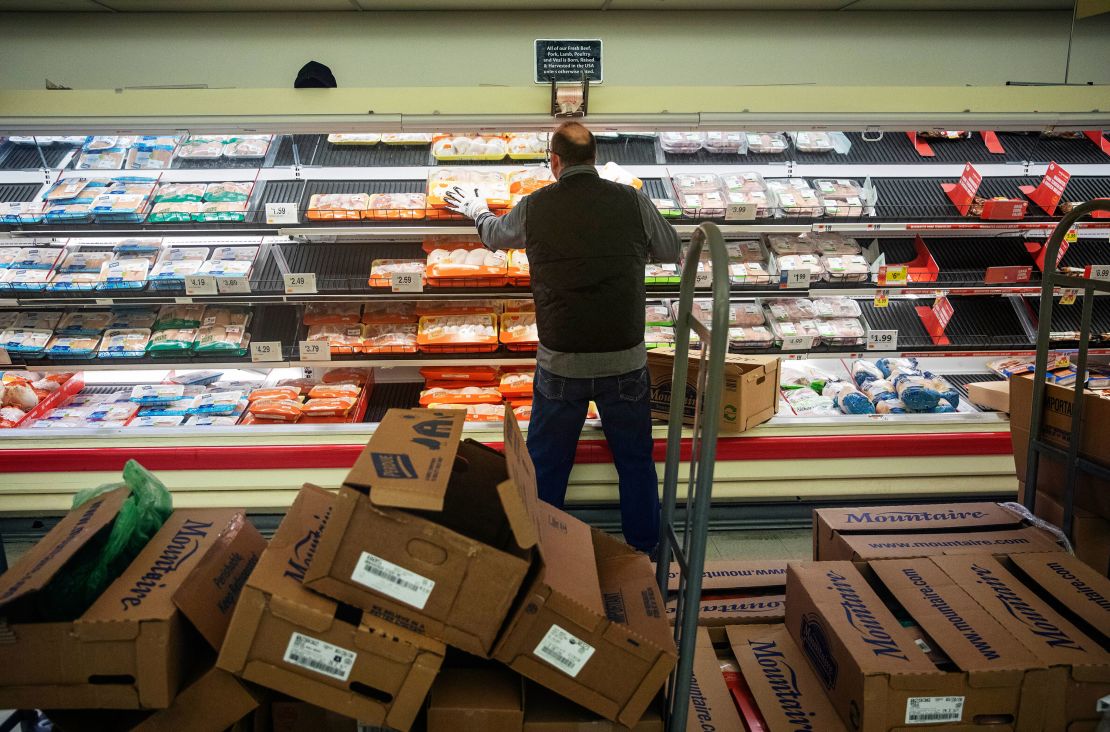
One of the most damaging fantasies in American life right now is the belief that the economy is automatic—that groceries appear, packages arrive, homes are repaired, and care is delivered because “the market” wills it so.
They do not.
Nothing at Costco, Walmart, Target, Amazon, or your local grocery store appears by magic. Items do not materialize because someone blinked, prayed, or waved a flag. They exist because human beings performed a long chain of coordinated labor:
- Someone planted or raised it
- Someone harvested it
- Someone processed and packaged it
- Someone transported it
- Someone stocked it
- Someone maintained the buildings, trucks, ports, warehouses, and equipment that made all of that possible
Remove any worker from that chain, and the system slows. Remove enough of them, and the system fails.
This is not ideology.
It is logistics.
An Economy Without Workers Cannot Stabilize—Let Alone Grow

At its most basic level, an economy requires three things: labor, capital, and demand. Capital and demand are meaningless without people to do the work.
You can inject money into the system.
You can cut taxes.
You can stimulate consumption.
But you cannot stabilize or grow an economy when there are not enough workers.
What happens instead is predictable:
- shelves thin out
- Services are delayed or canceled
- repair backlogs grow
- care disappears
- Prices rise without corresponding productivity
That last point matters. This is inflation driven by scarcity, not abundance. It punishes families while producing no real growth.
Why This Shortage Is Different
Labor shortages have occurred before. This one is different because multiple forces are colliding at once:
- an aging population requiring far more care
- a shrinking working-age population to provide it
- widespread burnout in essential sectors
- and the deliberate suppression and removal of immigrant labor
Immigrant workers historically filled gaps in construction, caregiving, agriculture, food processing, logistics, hospitality, and maintenance—the very sectors that make daily life possible.
When that labor is demonized, terrorized, detained, or deported, there is no hidden reserve waiting to replace it.
There is only absence.
From Cradles to Dementia Wards

My sister’s most devoted caregiver in Pennsylvania was Jamaican. She was patient, kind, and deeply attentive—not only to my sister’s needs, but to her dignity. Long after my sister moved to Hawaii, that caregiver called me to check on how she was adjusting.
I did not ask about her immigration paperwork. I did not need to. What mattered was trust, compassion, and the unmistakable presence of genuine care.
Care work in the United States has long been performed disproportionately by people of color—many of them immigrants, many with accents, many from cultures that value intergenerational responsibility. This was not incidental. It was the foundation of childcare, eldercare, and disability support for generations.
The same political movement that claims to protect families and honor elders has dismantled the workforce that actually does that work.

The Grocery Myth—and the Fantasy at the Top
This is where the disconnect becomes dangerous.
Donald Trump has never lived the reality most Americans live. He did not shop for groceries. He did not price-check staples. He did not navigate childcare waitlists or scramble for elder care. He famously bristled at the very term “groceries,” as if the mundane work of feeding a household were beneath notice.
That distance matters.
When leaders who do not engage with daily life make policy for those who do, reality breaks. The people left holding the consequences are families—trying to keep roofs from leaking, elders from being abandoned, and shelves from going empty.
The Cost of Pretending Otherwise
When political movements pretend labor shortages are imaginary—or that immigrants are expendable—or that cruelty has no economic cost—the bill comes due.
It is paid by:
- elders who cannot find care
- parents who cannot find childcare
- renters whose homes go unrepaired
- communities where nothing works the way it used to
This is not sudden.
It is not mysterious.
And it is not inevitable.
It is what happens when governance severs the human foundation of the economy and then acts surprised when the structure above it begins to fail.
This is not a culture war.
It is a systems failure.
And it is happening everywhere.
🔔 SUBSCRIBE
This essay is part of an ongoing series documenting the real-world consequences of cruelty-driven governance as they unfold in everyday American life.
👉 Subscribe on Substack: https://substack.com/@janetalexlessinphd
SERIES: GOVERNING THROUGH CRUELTY

How Trumpism Breaks the Systems That Keep Us Alive
(Ongoing Series | WIP — updated frequently)
SERIES DESCRIPTION
GOVERNING THROUGH CRUELTY
How Trumpism Breaks the Systems That Keep Us Alive
This series examines what happens when fear replaces governance and cruelty replaces competence. It documents, in real time, how policies driven by exclusion, resentment, and spectacle destabilize the labor systems that make daily life possible — food production, construction, caregiving, hospitality, logistics, and service work.
We are doing this series because a collapse does not always arrive as a dramatic event. More often, it comes quietly: in missing caregivers, delayed repairs, empty restaurant tables, thinner grocery shelves, exhausted families, and communities stretched beyond endurance.
Where are we going? Toward clarity.
This series aims to reconnect Americans with a simple, foundational truth: modern societies run on human labor, and the United States has long depended on immigrants to supply that labor at scale, across generations, and across industries. Diversity has not weakened America — it has made it resilient, innovative, and globally competitive.
What do we hope to accomplish?
To replace fantasy with reality.
To replace fear with understanding.
To show that harming immigrants harms America itself.
This is not about politics as theater.
It is about systems, survival, and the future we are choosing — or refusing — to build.
📌 ARTICLE 1
THIS IS WHAT COLLAPSE LOOKS LIKE
Labor Shortages, Broken Homes, and No One Left to Help

I live on Maui. My pipes are leaking. My roof is leaking. My sister has dementia. I cannot find caregivers. When I find workers, they’re booked for months. When I find help, it vanishes again.
This is not an inconvenience.
This is not “the market adjusting.”
This is a collapse, happening quietly, house by house, family by family.
My brother is experiencing the same thing on the mainland. His landlord cannot get essential repairs done because there aren’t workers available. Not because people don’t want the work, but because the workforce that keeps daily life functioning has been deliberately terrorized, removed, or pushed into the shadows.
This is what happens when cruelty becomes policy.

🧱 Collapse Is Not a Riot — It’s a Waitlist
Collapse doesn’t always look like flames in the street. More often, it looks like:
- Six-month waits for plumbers
- No caregivers for the elderly
- families burning out quietly
- landlords deferring repairs indefinitely
- Women leaving the workforce to cover care gaps
- disabled people left without support
Nothing dramatic. Just everything is breaking at once.

For decades, this country relied on an unspoken truth: immigrant labor held up the care economy.
Caregivers. Nannies. Babysitters. Home health aides. Cleaners. Tradespeople. Farmworkers. Hospitality workers.
They showed up.
They worked.
They cared.
And now they are being hunted, detained, deported, or frightened into disappearance — while politicians pretend to be shocked that nothing works anymore.

🧠 Economics 101 (Yes, That’s the Term)
This is what economists call the equilibrium price:
where supply meets demand at a sustainable level.
We had that.
Labor met need.
Families functioned.
Costs were predictable.
Communities were stable.
Then Trumpism intentionally shattered the labor supply — not to replace it, not to train for it, not to value it — but to perform cruelty as politics.
The result?
A system with no slack, no backup, and no mercy.
👵 From Cradles to Dementia Wards
My sister’s best caregiver in Pennsylvania was Jamaican. She was kind. She was loving. She cared deeply — not just professionally, but humanly. She even called me from the mainland after my sister moved to Hawaii to check in and make sure she was adjusting.
Did I check her papers?
No.
I checked her heart.

People of color overwhelmingly do care work in America. Many have accents. Many come from cultures that still value intergenerational responsibility.
This is not a flaw in the system.
It was the system.
And now the same political movement that claims to “protect children” and “honor elders” has destroyed the workforce that actually does that work.
🚨 Artificial Shortage, Real Suffering
Let’s be clear: this labor shortage is not inevitable.
It is:
- artificially induced
- ideologically driven
- economically illiterate
- morally bankrupt
You cannot deport caregivers, demonize immigrants, suppress labor supply, and then act surprised when families are abandoned and homes fall apart.
That’s not law and order.
That’s a self-inflicted collapse.
THE WORKERS WHO HOLD AMERICA TOGETHER
🌾 Agricultural Workers — Feeding a Nation
Immigrant agricultural workers plant, tend, and harvest the food that appears on American tables every day. They perform physically demanding labor under extreme heat and weather, often for long hours, ensuring that the food supply remains stable, affordable, and abundant.
Without these workers, crops rot in fields, prices rise, and food insecurity spreads. This is not hypothetical — it has happened repeatedly when labor shortages hit.
Agricultural labor is foundational. It is the first link in the supply chain that feeds the nation. By sustaining food production at scale, immigrant farm workers help stabilize prices, protect domestic food security, and keep the United States competitive in global agricultural markets.
A country that cannot feed itself is not strong.
Immigrant labor helps ensure that America can.
🌾 IMMIGRANTS IN AGRICULTURE (PLANTING & HARVESTING)
IMMIGRANTS IN AGRICULTURE (PLANTING & HARVESTING)
Feeding America, Every Single Day
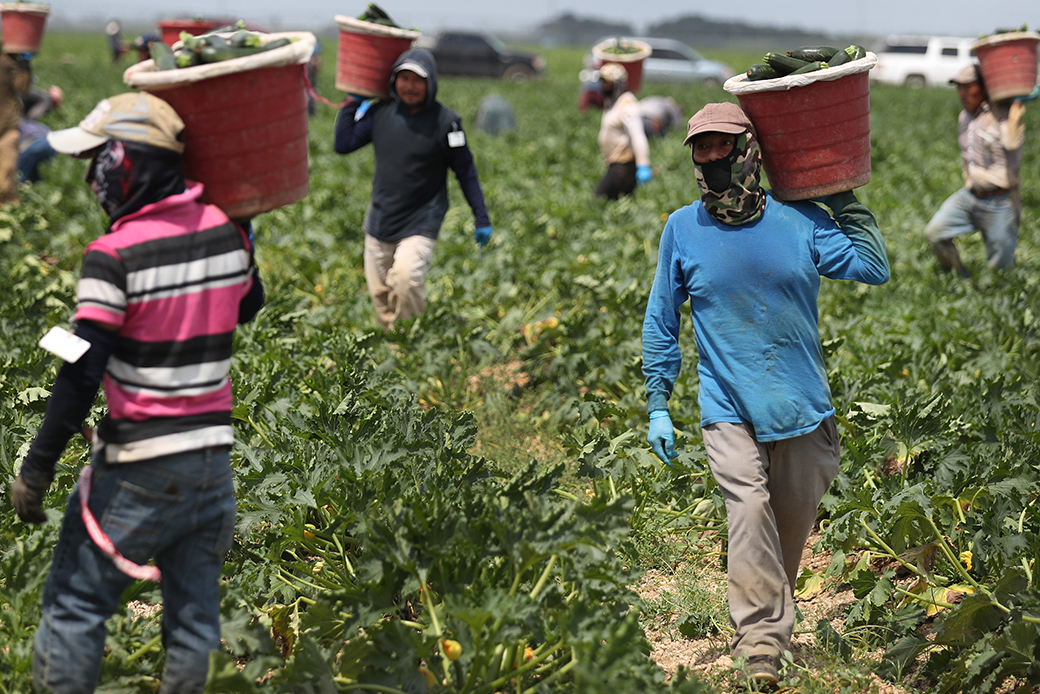
Immigrant agricultural workers are the foundation of America’s food system. They plant, tend, and harvest the crops that stock grocery shelves, supply restaurants, and sustain families across the country. This work is physically demanding, often dangerous, and performed in extreme heat and long hours — yet it remains among the least visible forms of essential labor.

Without immigrant farm workers, food does not move from field to table. Crops are time-sensitive; when labor is unavailable, harvests fail, prices rise, and food insecurity spreads. This is not theoretical. It has occurred repeatedly in regions experiencing labor shortages, resulting in millions of dollars in lost produce and higher consumer costs.
Agricultural workers do more than pick crops. They stabilize food prices, protect domestic food security, and help ensure that the United States remains a major agricultural producer in the global economy. Their labor supports farmers, distributors, truckers, retailers, and entire rural communities.
A nation that cannot reliably feed itself is not strong.
Immigrant agricultural workers help make American abundance possible.
Their contribution is not optional, expendable, or replaceable at scale. It is foundational — and it deserves recognition, protection, and respect.
Image Prompt
realistic, photorealistic, cinematic lighting, soft natural colors, fantasy realism, highly detailed, emotional depth, artistic composition, documentary style, landscape orientation — immigrant farm workers harvesting vegetables in a large agricultural field in the United States, brown and Black workers bent over crops at sunrise, hands in soil, rows of plants stretching into the distance, dust in the air, quiet determination, dignity and strength visible on faces, no stereotypes, no exaggeration, honest labor feeding a nation

🏗️ IMMIGRANTS IN CONSTRUCTION & INFRASTRUCTURE
🏗️ Construction Workers — Building Homes, Cities, and Infrastructure
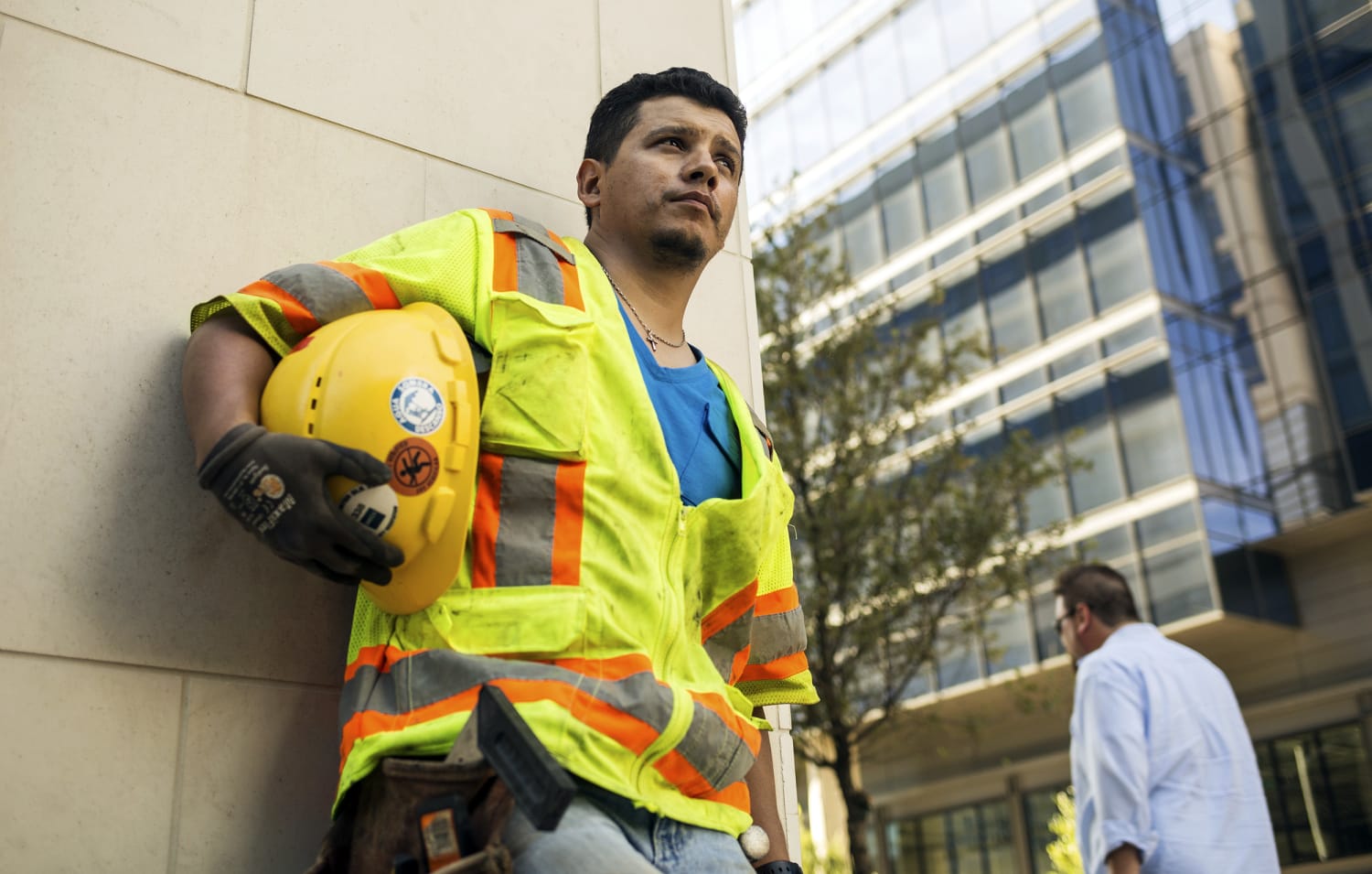
Immigrant construction workers build and maintain the physical backbone of the United States: homes, apartments, roads, bridges, schools, hospitals, and commercial buildings. They repair what breaks, expand what grows, and rebuild after disasters.
When these workers disappear, housing shortages worsen, repairs stall, costs skyrocket, and infrastructure decays. Communities feel it immediately — in unsafe housing, unaffordable rents, and delayed recovery after storms or fires.

Construction labor is not easily replaced. It requires skill, endurance, teamwork, and experience. Immigrant workers bring all of these, helping America grow rather than crumble.
Strong infrastructure is a prerequisite for global leadership.
Immigrant builders help make that strength possible.
Image Prompt
realistic, photorealistic, cinematic lighting, soft natural colors, fantasy realism, highly detailed, emotional depth, artistic composition, documentary style, landscape orientation — brown and Latino immigrant construction workers on an active building site, wearing hard hats and safety vests, framing a house or pouring concrete, sweat and sunlight, cranes and unfinished structures behind them, focused expressions, the physical reality of building homes and cities

🏭 IMMIGRANTS IN FACTORIES & WAREHOUSES
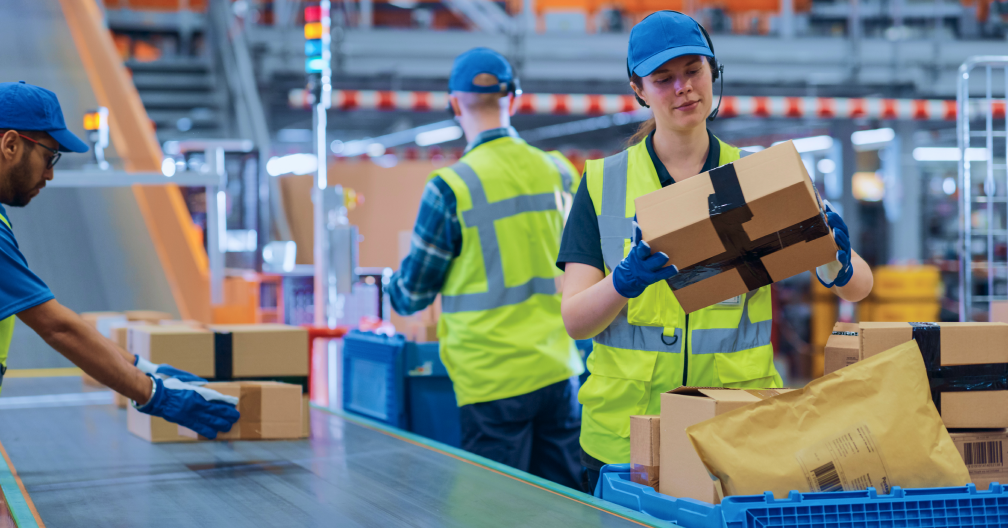
🏭 Factory and Warehouse Workers — The Engine of Modern Commerce
Behind every package delivered, every product assembled, and every shelf stocked are workers in factories and distribution centers — many of them immigrants. They operate machinery, manage logistics, and keep goods moving through complex supply chains.
This labor allows American businesses to function at scale and compete globally. When warehouse floors are understaffed, and factories cannot meet demand, shortages ripple outward, driving inflation and slowing economic growth.

Immigrant workers bring reliability, adaptability, and productivity to sectors that depend on precision and coordination. They are not peripheral to modern commerce — they are central to it.
An economy that cannot move goods efficiently cannot lead.
Immigrant labor keeps the engine running.
Image Prompt
realistic, photorealistic, cinematic lighting, soft natural colors, fantasy realism, highly detailed, emotional depth, artistic composition, documentary style, landscape orientation — immigrant factory and warehouse workers operating machinery and sorting packages, brown and Black workers inside a large distribution center, conveyor belts and pallets visible, quiet intensity, teamwork, the unseen engine of modern commerce

🏨 IMMIGRANTS IN HOSPITALITY (HOTELS & TOURISM)

🏨 Hospitality Workers — Sustaining Tourism and Service Economies
Hotels, restaurants, and tourism economies — especially in places like Hawaii — rely heavily on immigrant labor. Housekeeping staff, kitchen crews, maintenance workers, and service personnel make travel, dining, and hospitality possible.
This work is often invisible, but its absence is immediately felt: closed rooms, reduced hours, higher prices, and lost revenue. Tourism dollars support entire regions, and immigrant workers are the human infrastructure that makes those economies viable.

Hospitality is not “unskilled.” It requires stamina, precision, coordination, and emotional labor. Immigrant workers excel in these roles, sustaining industries that bring billions into the U.S. economy.
A welcoming nation depends on people who know how to serve with care.
Immigrants make that possible.
Image Prompt
realistic, photorealistic, cinematic lighting, soft natural colors, fantasy realism, highly detailed, emotional depth, artistic composition, documentary style, landscape orientation — hotel housekeeping staff made up of immigrant women of color cleaning guest rooms, sunlight through windows, crisp linens, carts in hallway, quiet pride in work, dignity, the invisible labor supporting tourism economies like Hawaii

🍽️ IMMIGRANTS AS WAITPERSONS & RESTAURANT STAFF

🍽️ Restaurant Workers — Community, Culture, and Daily Life
Immigrant waitstaff, cooks, and kitchen workers are the backbone of America’s restaurant industry. They prepare food, serve customers, and create the everyday social spaces where communities gather.
Restaurants do not fail because people stop eating. They fail because they cannot staff kitchens and dining rooms. When immigrant labor disappears, restaurants close — taking jobs, culture, and local vitality with them.
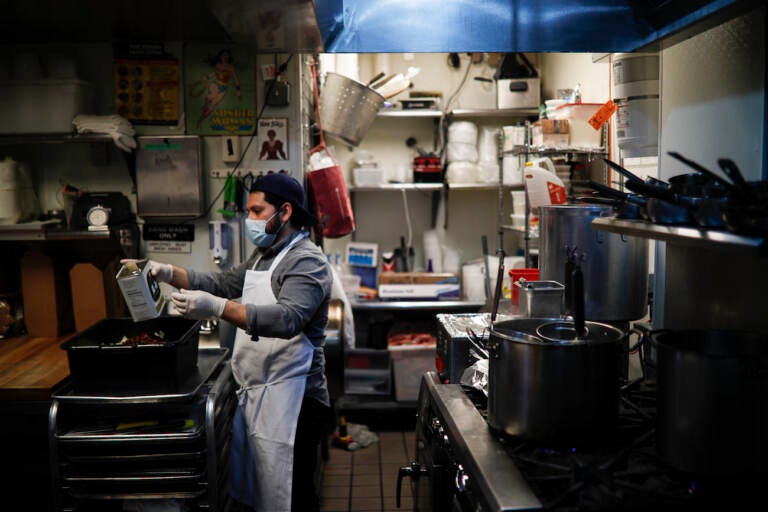
Food culture is one of America’s great strengths, reflecting global influences and shared traditions. Immigrant workers make that richness real, night after night.
A country that eats together builds social cohesion.
Immigrant workers help keep that table set.
Image Prompt
realistic, photorealistic, cinematic lighting, soft natural colors, fantasy realism, highly detailed, emotional depth, artistic composition, documentary style, landscape orientation — immigrant waitstaff and kitchen workers in a busy restaurant, brown and Asian servers carrying plates, cooks visible in open kitchen, steam, movement, long hours, service work holding communities together

🧹 DOMESTIC WORKERS & CLEANING STAFF

🧹 Domestic and Cleaning Workers — The Invisible Labor of Stability
Domestic workers and cleaning staff keep homes, offices, hospitals, schools, and apartment buildings functional and safe. They reduce disease, maintain order, and allow families and businesses to operate smoothly.
This work is rarely noticed until it is gone. When cleaning labor disappears, health risks rise, productivity falls, and systems quietly deteriorate.

Immigrant domestic workers provide reliability and professionalism in roles that underpin public health and daily functioning. They make modern life manageable.
Stability is built on maintenance.
Immigrant labor provides that foundation.
Image Prompt
realistic, photorealistic, cinematic lighting, soft natural colors, fantasy realism, highly detailed, emotional depth, artistic composition, documentary style, landscape orientation — immigrant domestic workers cleaning homes and apartment buildings, brown women with cleaning supplies, sunlight on floors, quiet professionalism, invisible labor that keeps households functioning

👶👵 CAREGIVERS (CHILDREN, ELDERS, DISABLED)

👶👵 Caregivers — The Moral Backbone of Society
Immigrant caregivers care for children, elders, people with disabilities, and the chronically ill. They provide physical assistance, emotional support, and human connection — often in the most intimate and vulnerable moments of life.
As America ages, demand for caregiving is exploding. Without immigrant caregivers, families are forced into impossible choices: leaving the workforce, neglecting elders, or facing crisis without support.

Caregiving is not just economic — it is moral. It reflects a society’s values. Immigrant caregivers bring compassion, patience, and cultural traditions of intergenerational care that strengthen families and communities alike.
A society that cannot care for its youngest and oldest is not civilized.
Immigrant caregivers help preserve our humanity.
Image Prompt
realistic, photorealistic, cinematic lighting, soft natural colors, fantasy realism, highly detailed, emotional depth, artistic composition, documentary style, landscape orientation — immigrant caregivers caring for elderly and children, brown and Black caregivers holding hands with elders or comforting children, intimate human connection, trust, compassion, caregiving as the moral backbone of society
🧭 This Is Only the Beginning
Maui is not unique. It’s early.
The mainland is next.
As Baby Boomers age en masse, the need for care is exploding — and the workforce that provides that care is being dismantled in real time.
This is what happens when fear replaces governance.
This is what collapse looks like.
https://dragonattheendoftime.com/this-is-what-collapse-looks-like/
WHY DIVERSITY MAKES US STRONGER
Biology teaches a simple lesson: diversity creates resilience. Genetic diversity increases adaptability, health, and survival. Homogeneity weakens systems and makes them brittle.
The same is true for societies.
America’s strength has always come from hybrid vigor — the blending of cultures, skills, perspectives, and experiences. Immigrants bring innovation, work ethic, cultural intelligence, and demographic balance to an aging nation.
Diversity is not charity.
It is a strategy.
If the United States wants to remain economically potent, socially stable, and globally competitive, it must protect — not persecute — the people who keep it running.
This series exists to make that truth visible again.
IMMIGRANTS WHO BUILT AMERICA’S POWER — AND SAVED IT AT KEY MOMENTS
The United States did not become a global leader by accident. It became one by absorbing talent from everywhere, giving it room to work, and benefiting from the results. Again and again, immigrants have changed the course of American history — economically, scientifically, culturally, and morally.
To understand why diversity is not a weakness but a strategic advantage, it helps to remember who actually built the foundations of American power.
🧬 WHY THIS PATTERN MATTERS
Across centuries, immigrants have brought:
- scientific breakthroughs
- industrial capacity
- cultural richness
- moral clarity born of lived experience
- demographic renewal
This is societal hybrid vigor — the same principle biology teaches: diversity strengthens systems, while enforced sameness makes them fragile.
America’s leadership has always depended on:
- absorbing global talent
- welcoming those driven to contribute
- allowing differences to become innovation
When immigration is attacked, America is not “protected.”
It is weakened.
🌍 THE THROUGHLINE
From fields to factories, from caregiving to space exploration, immigrants have:
- fed America
- built America
- defended America
- innovated for America
- cared for America
They did not dilute American identity.
They created it.
This series exists to remind us that when we turn against immigrants, we are turning against the very force that made the United States strong enough to lead the world.
WHY WE NEED IMMIGRANTS
The United States has never been strong because it was uniform.
It has been strong because it was adaptive.
From its earliest days, America absorbed people from other nations — people driven by curiosity, survival, ambition, creativity, faith, or freedom — and transformed that diversity into economic power, scientific leadership, cultural vitality, and moral influence.
Immigrants do not “replace” America.
They renew it.
They replenish the workforce in an aging society.
They bring skills where shortages exist.
They found companies, staff hospitals, harvest food, build homes, teach children, care for elders, and imagine futures that did not yet exist.
Biology calls this hybrid vigor: systems with diversity are stronger, more resilient, and more innovative. Societies follow the same rule. When diversity is attacked, systems weaken. When diversity is welcomed, societies thrive.
America’s most tremendous leaps forward — industrial, scientific, cultural, and technological — have repeatedly come from immigrants or the children of immigrants.
This is not sentiment.
It is history.
IMMIGRANTS WHO CHANGED AMERICA — AND THE WORLD
Below are 20 immigrants whose presence in the United States fundamentally altered its trajectory. This list is not exhaustive — it is illustrative.
🧠 Science, Innovation, and Survival

Albert Einstein — Germany → United States
Revolutionized physics; helped catalyze U.S. scientific dominance during WWII and the Cold War. His work underpins nuclear energy, electronics, and modern science.
Einstein fled Nazi Germany and found refuge in the U.S., where his work reshaped modern physics. His theories underpinned advances in nuclear energy, electronics, and space science. During World War II, his warning to President Roosevelt about atomic research helped spur the Manhattan Project — a decisive factor in ending the war.
America’s scientific leadership in the 20th century is inseparable from Einstein’s immigration.

Nikola Tesla — Serbia → United States
Invented the AC electrical system that powers modern civilization. Without Tesla, there is no modern grid.
Tesla revolutionized electrical power with alternating current (AC), the system that still powers modern cities. His work enabled long-distance electricity transmission, industrialization, radio technology, and countless innovations.
Without Tesla, the modern electrical grid — and much of contemporary life — would not exist.
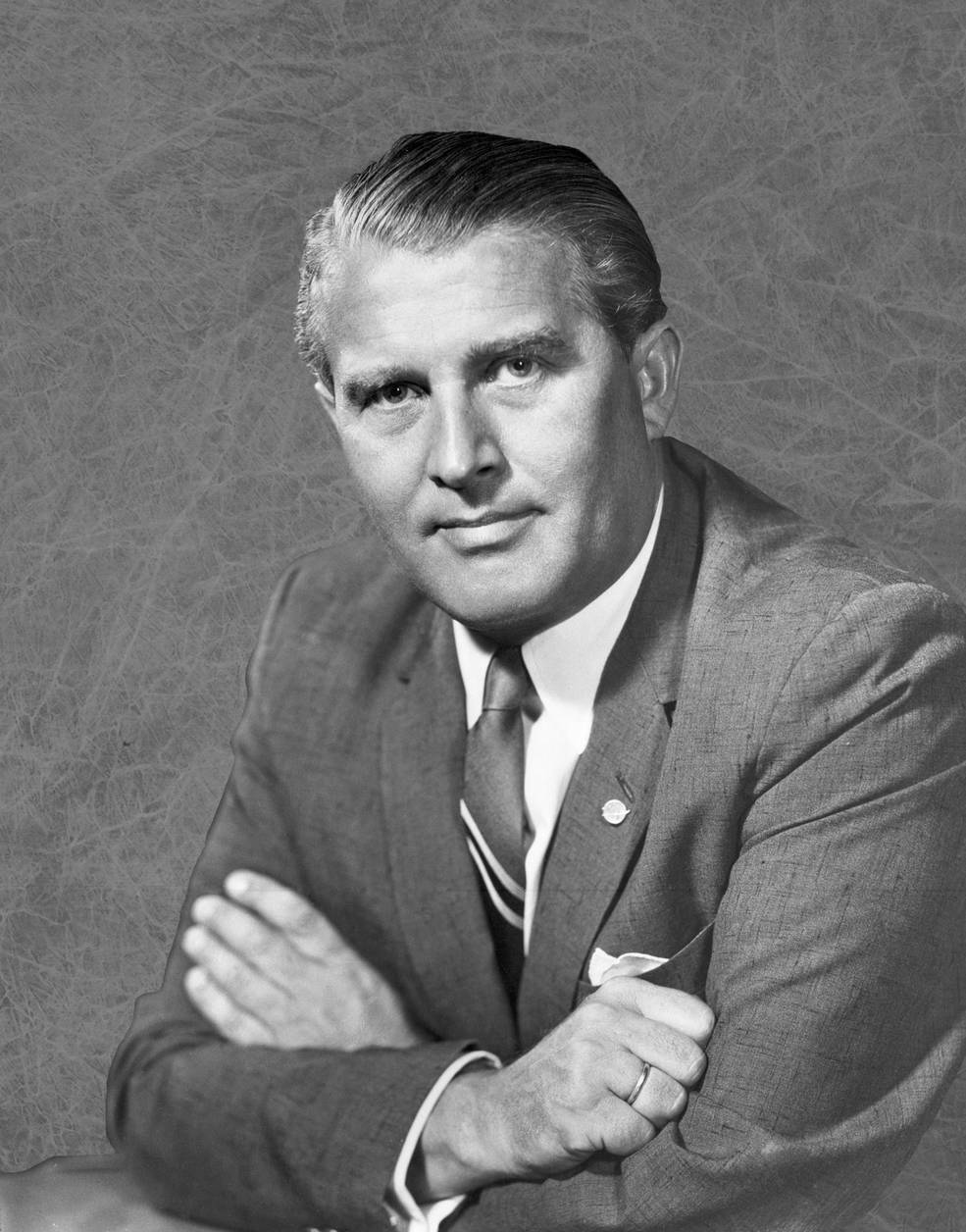
Wernher von Braun — Germany → United States
Architect of the U.S. space program and the Apollo moon landings. Central to Cold War technological leadership.
Von Braun became the chief architect of America’s space program. His engineering leadership made possible the Saturn V rocket and the Apollo moon landings.
America’s victory in the Space Race — a cornerstone of Cold War prestige and technological dominance — was built by immigrant expertise.
🏭 Industry, Infrastructure, and Economic Power
Andrew Carnegie — Scotland → United States
Built America’s steel industry; enabled railroads, skyscrapers, and industrial power. Major philanthropist.
Carnegie arrived poor and helped build America’s steel industry, which powered railroads, bridges, skyscrapers, and industrial expansion. His philanthropy reshaped education and public libraries nationwide.
America’s rise as an industrial power was driven by immigrant ambition and innovation.
🎬 Culture, Democracy, and Moral Influence
Joseph Pulitzer — Hungary → United States
Shaped investigative journalism and democratic accountability. Founder of the Pulitzer Prizes.
Pulitzer revolutionized journalism and helped establish standards for investigative reporting and public accountability. The Pulitzer Prizes remain among the most respected awards in journalism and literature.
A free press — central to democracy — was shaped by an immigrant.
💻 Technology and the Modern Economy
Sergey Brin — Soviet Union → United States
Co-founded Google, transforming global information access and the digital economy.
A refugee from antisemitism, Brin co-founded Google, reshaping information access, global communication, and the digital economy.
Today’s tech-driven economy rests heavily on immigrant-founded companies.
Elon Musk — South Africa → United States
Founded or led transformative companies in electric vehicles, spaceflight, and satellite communications.
Musk helped transform electric vehicles, private spaceflight, and satellite communications. Regardless of politics, his companies have influenced global energy, transportation, and space industries.
Innovation thrives where talent can cross borders.
Levi Strauss — Germany → United States
Created Levi’s jeans — iconic American workwear tied to labor, expansion, and culture.
Strauss founded Levi’s, creating durable workwear that became a symbol of American labor, resilience, and culture. His company supplied miners, workers, and pioneers during westward expansion.
Even American cultural icons are often immigrant creations.
Alexander Graham Bell
Scotland → United States
Invented the telephone, transforming communication and commerce.
Enrico Fermi
Italy → United States
Key architect of nuclear physics and the Manhattan Project. A cornerstone of U.S. scientific leadership.
Madeleine Albright — Czechoslovakia → United States
First female U.S. Secretary of State; refugee who shaped post-Cold War diplomacy.
A refugee from totalitarianism, Albright became the first female U.S. Secretary of State. Her life embodied America’s role as a haven for those fleeing oppression — and the strength that comes from it.
Irving Berlin
Russia → United States
Wrote “God Bless America” and helped define American music and identity.
Henry Kissinger
Germany → United States
An immigrant refugee who shaped U.S. foreign policy during the Cold War (controversial, but influential).
Jonas Salk
Poland (family origin) → United States
Developed the polio vaccine, saving millions of lives worldwide.
Steve Jobs
Son of a Syrian immigrant → United States
Co-founded Apple; reshaped computing, communication, and design culture.
Arianna Huffington
Greece → United States
Founded The Huffington Post; reshaped digital journalism.
Jan Koum
Ukraine → United States
Co-founded WhatsApp, transforming global communication.
Sundar Pichai
India → United States
CEO of Google; central figure in modern AI and technology infrastructure.
Ilhan Omar
Somalia → United States
Refugee-turned U.S. Congresswoman; an embodiment of democratic inclusion.
Arnold Schwarzenegger
Austria → United States
Cultural icon, entrepreneur, and Governor of California — the American dream personified.
THE PATTERN IS UNMISTAKABLE
Immigrants have:
- powered America’s economy
- defended democracy
- advanced science and medicine
- built global industries
- enriched culture and identity
They didn’t weaken America.
They made it formidable.
To attack immigrants is to attack the engine of American success itself.
🔗 SERIES CONTINUES
Upcoming / In Progress (WIP):
- THE TRUMP SHIT SHOW – Cruelty, Chaos, and the Collapse of Everyday Life
- WHEN CRUELTY COLLAPSES CARE – Elders Abandoned, Caregivers Gone
- FROM CRADLES TO DEMENTIA WARDS – How Immigrants Held Up America’s Care Economy
- LOVE HAD AN ACCENT – Why Trust Mattered More Than Papers
- AN ARTIFICIAL LABOR COLLAPSE – Trumpism’s War on Workers
- FEAR IS NOT GOVERNANCE – ICE Tactics and the Politics of Intimidation
- WHY DOESN’T THE USA HAVE A VOTE OF NO CONFIDENCE?
- THIS WAS NEVER ABOUT POLITICS – Who We Chose to Protect
🔔 SUBSTACK CALL
If this resonates, subscribe.
This series documents the real-world consequences of cruelty-driven governance — as lived by families, elders, caregivers, and workers across the country.
New posts added frequently.
👉 Subscribe: https://substack.com/@janetalexlessinphd
📣 SOCIAL BLURBS (READY TO POST)
X (Twitter)
This isn’t politics. It’s collapsed.
Labor shortages, no caregivers, broken homes — this is what happens when cruelty becomes policy.
THIS IS WHAT COLLAPSE LOOKS LIKE
#GoverningThroughCruelty #TheTrumpShitShow
I live on Maui. I can’t find caregivers. I can’t find workers—my roof leaks. My sister has dementia. This isn’t an inconvenience — it’s systemic collapse.
Read: THIS IS WHAT COLLAPSE LOOKS LIKE
https://dragonattheendoftime.com/this-is-what-collapse-looks-like/
When governance prioritizes cruelty over competence, critical systems fail.
This article documents how immigration fear and labor suppression are dismantling the care economy in real time.
THIS IS WHAT COLLAPSE LOOKS LIKE
https://dragonattheendoftime.com/this-is-what-collapse-looks-like/
Substack Note
New series launch: GOVERNING THROUGH CRUELTY
First essay: THIS IS WHAT COLLAPSE LOOKS LIKE
More coming fast.
✍️ AUTHORS
Janet Kira Lessin — Primary Author
Dr. Sasha Alex Lessin, Ph.D. — Contributing Author
REFERENCES
- U.S. Bureau of Labor Statistics (BLS), Job Openings and Labor Turnover Survey (JOLTS)
- U.S. Census Bureau, Demographic & Aging Population Data
- Federal Reserve, Beige Book
- Economic Policy Institute
- Migration Policy Institute
- Brookings Institution
- U.S. Department of Health and Human Services
- AARP
- U.S. Department of Housing and Urban Development
- Smith, Adam. The Wealth of Nations
- Polanyi, Karl. The Great Transformation
🔔 SUBSCRIBE / FOLLOW
This essay is part of an ongoing series documenting the real-world consequences of cruelty-driven governance.
👉 Substack: https://substack.com/@janetalexlessinphd
👉 Website: https://dragonattheendoftime.com/this-is-what-collapse-looks-like/
ABOUT THE AUTHORS
Janet Kira Lessin
Janet Kira Lessin is a writer, researcher, and narrative journalist based in Hawaii. Her work examines how large-scale political and economic decisions manifest in everyday life—particularly for elders, caregivers, families, and marginalized communities. She writes from lived experience, emphasizing clarity, accountability, and the human cost of system failure.
Dr. Sasha Alex Lessin, Ph.D. (Contributing Author)
Dr. Sasha Alex Lessin is an anthropologist, educator, and author whose work spans governance systems, cultural adaptation, and long-term civilizational patterns. His research emphasizes partnership versus domination models and how institutional design shapes human well-being across societies.
END — ARTICLE 1