THE DUTY OF DISSENT: NAVIGATING THE BOUNDARIES OF MILITARY LEGALITY
By Janet Kira Lessin, Contributing Author: Sasha Alex Lessin, Ph.D.
The integrity of a military force rests not only on its discipline but also on its capacity for moral and legal discernment. While the chain of command is essential for operational success, it is not absolute. Under the Uniform Code of Military Justice (UCMJ), service members possess a profound legal obligation: they must obey all lawful orders, but they are equally bound to refuse those that are manifestly unlawful. This principle ensures that the military remains an instrument of the Constitution rather than a tool for individual tyranny or criminal enterprise.
The Standard of Manifest Illegality
The legal threshold for refusing an order is defined by its transparency as a crime. An order is “manifestly unlawful” if a person of ordinary sense and understanding would recognize it as illegal. This standard removes the “Nuremberg defense”—the plea of simply following orders—from the legal landscape. If an order directs a soldier to commit a crime, the soldier is legally liable for carrying it out. The responsibility of the individual remains paramount, requiring a constant state of consciousness and ethical awareness.
Violations of the Laws of War

The most critical area of mandatory disobedience involves orders that constitute war crimes. International treaties, including the Geneva Conventions, provide the framework for these boundaries. Service members must refuse orders to intentionally target non-combatants, including unarmed civilians or medical personnel. Similarly, the summary execution of prisoners of war or the use of torture during interrogations are patently illegal. The destruction of sites with no military necessity, such as religious structures or historic estates, also falls under this category of prohibited actions.
Constitutional Boundaries and Domestic Limitations
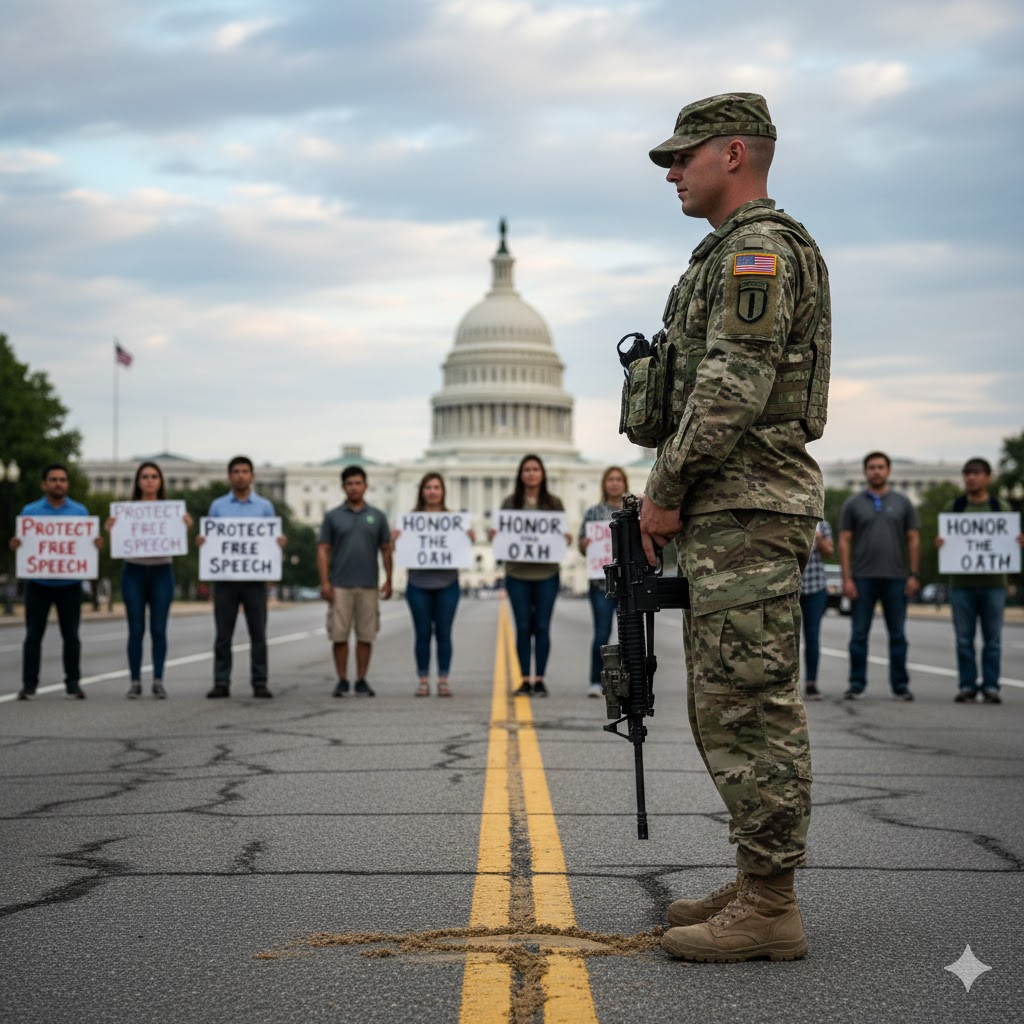
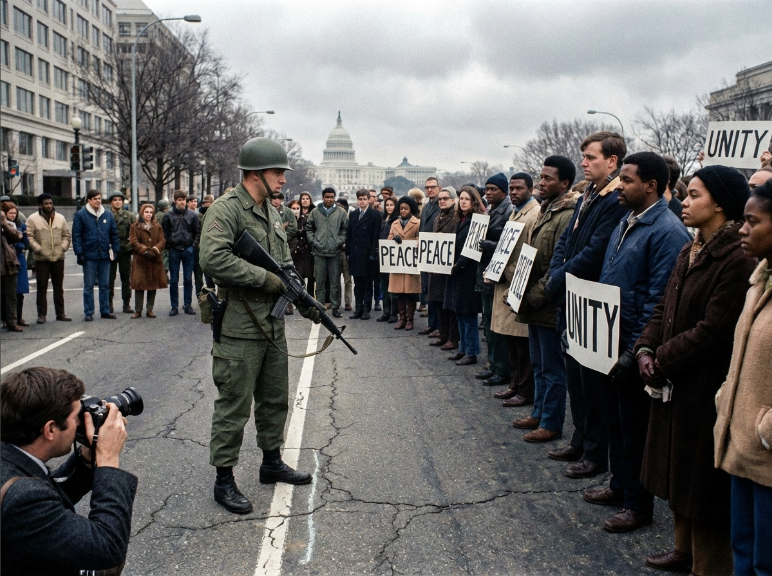
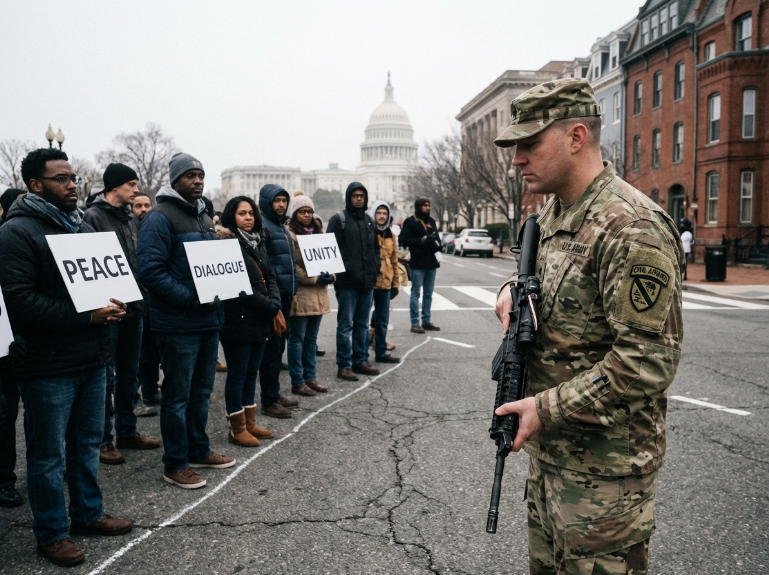
In the United States, the military’s authority is strictly curtailed when operating on domestic soil. The Posse Comitatus Act generally prohibits federal troops from engaging in domestic law enforcement activities. Consequently, an order to arrest American citizens, conduct warrantless searches, or seize private property without specific legal authorization is unlawful. Furthermore, any command to suppress peaceful assembly or use force against citizens exercising their First Amendment rights contradicts the oath to “support and defend the Constitution.”
Abuse of Command and Personal Gain
A lawful order must possess a legitimate military necessity. When a commander utilizes subordinates for personal errands, private financial gain, or the maintenance of private residences, they are issuing illegitimate commands. The exploitation of military resources for private interests is a breach of federal law and military ethics. Recognizing these abuses is essential for maintaining the professional boundary between public service and private benefit.
The Archetypal Guardian of Ethics
This legal framework mirrors the broader pursuit of consciousness and communication. To refuse an unlawful order requires the courage to stand apart from the collective when that collective veers toward injustice. It is a manifestation of the “Guardian” archetype—the individual who protects the vulnerable and preserves the historical record against the tides of chaos. By understanding the limits of authority, we empower the individual to act as a conscious steward of humanity, ensuring that power is always tempered by law and morality.

Author Bios
Janet Kira Lessin is an author, researcher, and advocate for consciousness and animal welfare. Through her work at Dragonattheendoftime.com and her Substack, she focuses on the intersection of ancient archetypes, historical preservation, and the evolution of human communication. Her mission includes establishing cat colonies and saving historic estates for animal rescue and educational purposes.
Sasha Alex Lessin, Ph.D. is an anthropologist and educator specializing in ancient history, extraterrestrial archaeology, and the evolution of human consciousness. He has co-authored numerous works exploring the hidden narratives of human origins and the archetypal structures that govern societal behavior.

References
- Uniform Code of Military Justice (UCMJ), Article 92
- The Posse Comitatus Act (18 U.S.C. § 1385)
- Geneva Conventions of 1949 and Additional Protocols
- Manual for Courts-Martial (MCM), United States
Tags
Military Law, Constitutional Rights, Ethics, War Crimes, Posse Comitatus, Consciousness, Archetypes, Animal Rescue, Historical Preservation
Related Articles in This Series
- The Timelord and the Key: Awakening the Guardian Archetype
- Preserving the Past: Why Victorian Estates are Essential to Our Future
- Communication as a Tool for Global Peace
Hashtags
#MilitaryEthics #Constitution #Consciousness #JanetKiraLessin #AnimalRescue #HistoricalPreservation #TheGuardian #DutyToRefuse
Facebook Promo
THE DUTY OF DISSENT: WHEN DISOBEYING AN ORDER IS THE LAW
In an era of shifting global dynamics, the line between military discipline and individual conscience has never been more critical.
In our latest feature article, Janet Kira Lessin and Sasha Alex Lessin, Ph.D., provide a journalistic analysis of the legal mandate requiring service members to refuse “manifestly unlawful” orders. From the historical lessons of the Nuremberg trials to the domestic protections of the Posse Comitatus Act, we explore how the U.S. Constitution demands consciousness over blind obedience.
This report examines the archetypal “Guardian” required to protect the vulnerable, preserve our historical estates, and uphold the rule of law.
Read the full investigative piece and subscribe to support our mission at: https://janetalexlessinphd.substack.com
#MilitaryEthics #ConstitutionalLaw #Consciousness #JanetKiraLessin #DragonAtTheEndOfTime #TheGuardian #AnimalRescue #HistoricalPreservation
X (Twitter) Promo
When does “following orders” become a legal violation? ⚖️🛡️
Janet Kira Lessin and Sasha Alex Lessin, Ph.D. deconstruct the military duty to refuse unlawful commands—from war crimes to domestic overreach.
Read the full report on Substack: https://janetalexlessinphd.substack.com
#MilitaryLaw #Ethics #Constitution #JanetKiraLessin #Consciousness #GuardianArchetype
Image Prompts for Your Publication
1. Featured Image (Landscape 16:9)

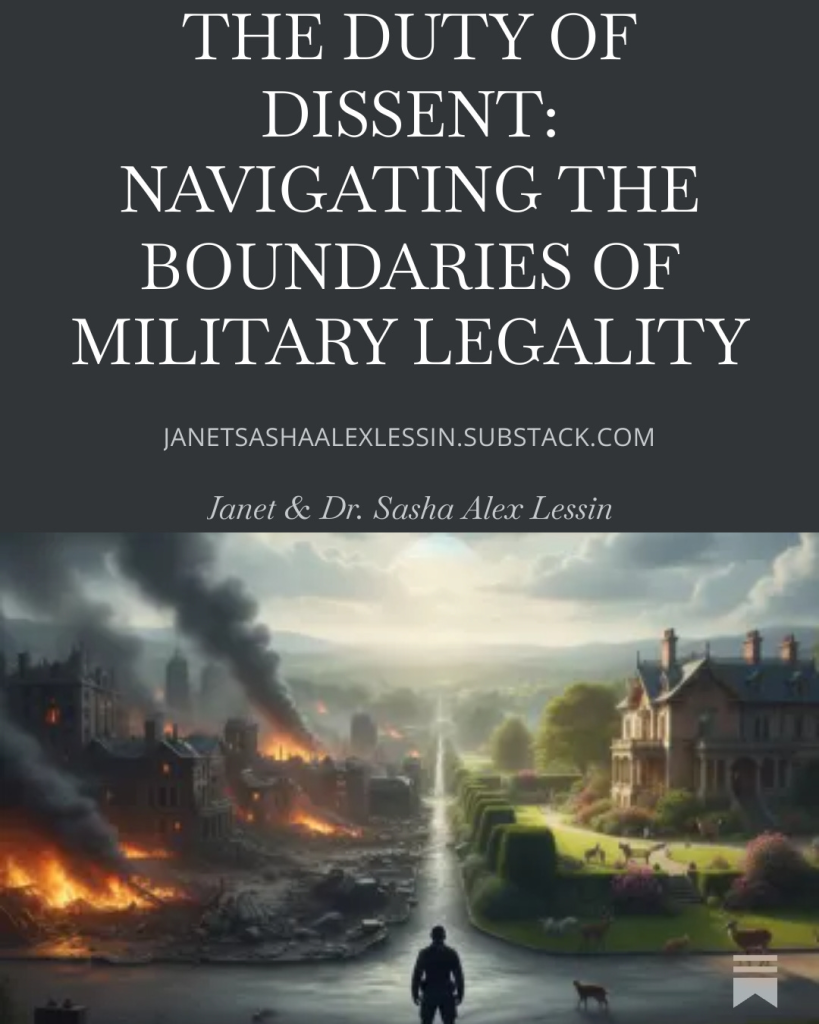
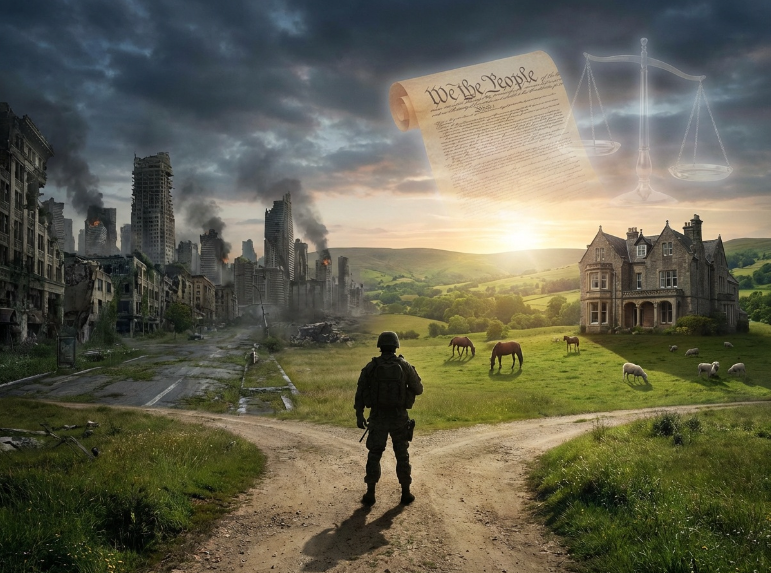
- Prompt: A cinematic landscape showing a silhouette of a soldier standing at a crossroads. On one side, a decaying city representing chaos; on the other, a lush valley with a historic Victorian estate and animals. In the sky, a faint, translucent image of the U.S. Constitution and scales of justice. Photorealistic, epic scale.
2. The Standard of Manifest Illegality
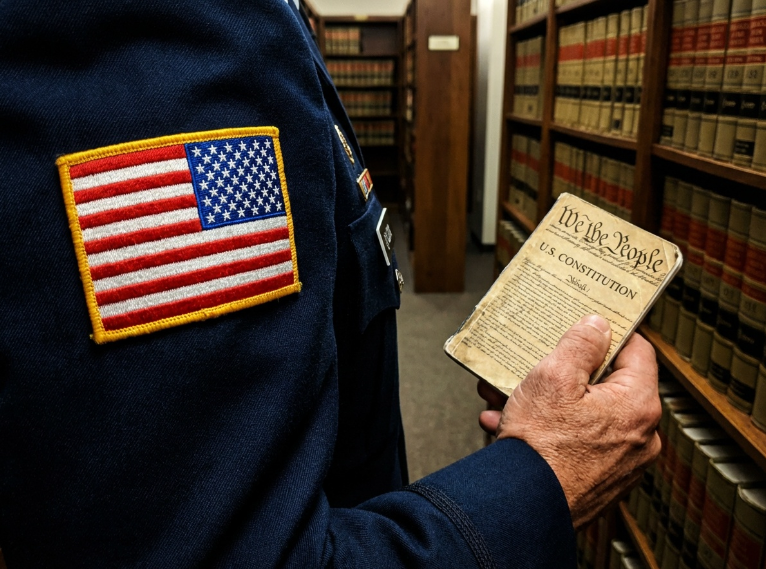
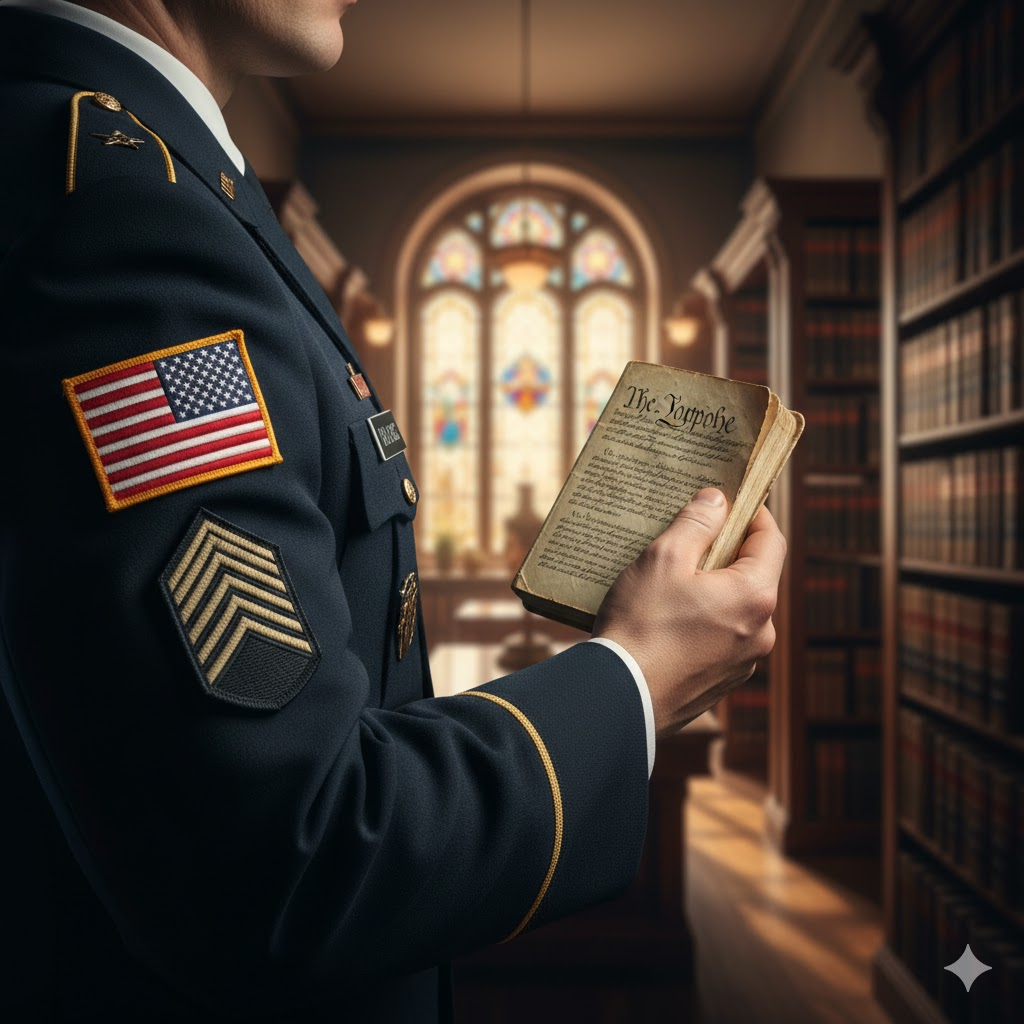
- Prompt: A professional close-up shot of a military dress uniform sleeve with an American flag patch, with a hand holding a small, weathered copy of the U.S. Constitution. Blurred legal library background. High contrast.
3. Violations of the Laws of War

- Prompt: A symbolic image showing a white dove flying over a historic stone archway. In the background, distant smoke, but the archway and peaceful animals beneath it remain in light. Cinematic, photorealistic.
4. Constitutional Boundaries and Domestic Limitations
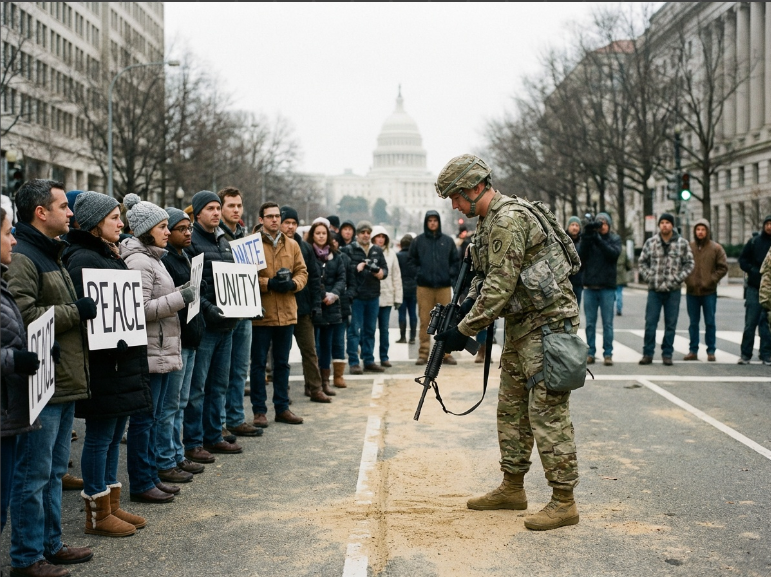
- Prompt: A military officer standing at a line in the sand on a city street. On one side are peaceful civilians; the soldier is lowering their weapon, looking toward the civilians with respect. U.S. Capitol dome in the distance. Documentary style.
5. Abuse of Command and Personal Gain

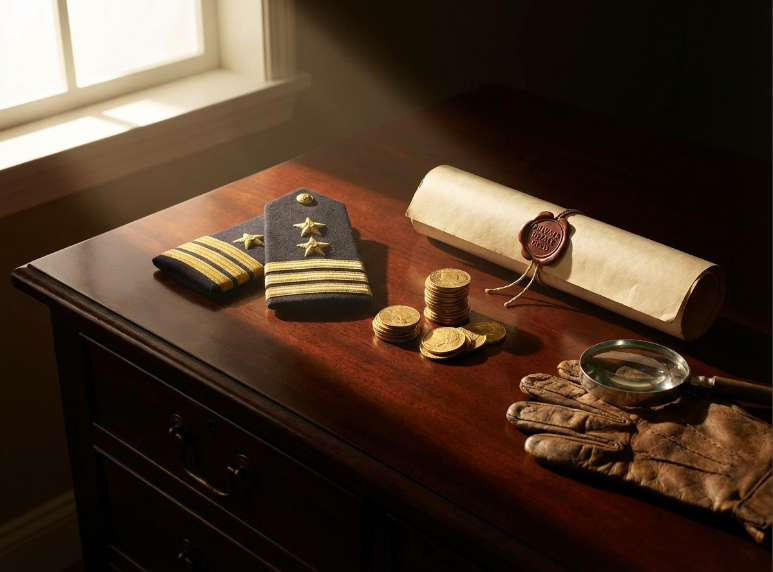
- Prompt: A conceptual image. Military rank insignia sitting on a mahogany desk next to a stack of gold coins and a deed to a private estate. Dramatic lighting, representing the choice between duty and corruption.
6. The Archetypal Guardian of Ethics
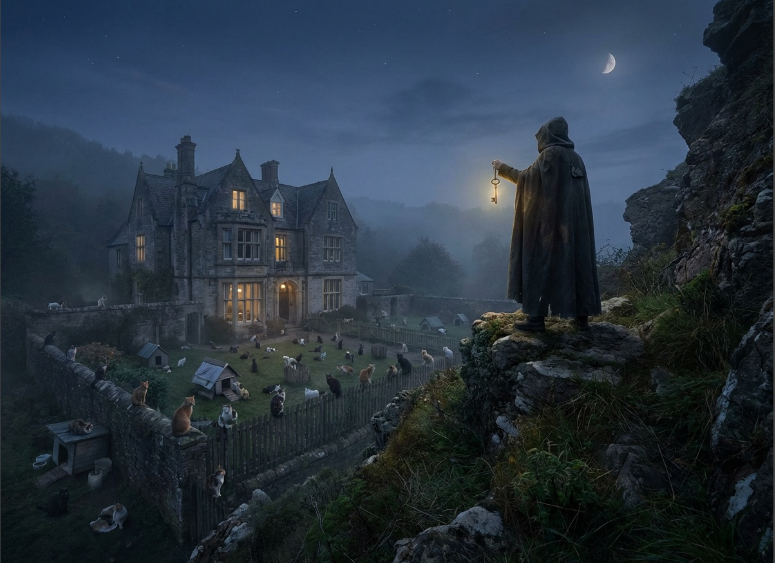
- Prompt: A powerful image of a cloaked figure (The Timelord/Guardian) standing on a cliffside, looking down at a beautiful Victorian estate and a cat colony. The figure holds a glowing key. Fantasy realism.