Oannes: The Divine Teacher of Humanity ~ 4th to 3rd millennium BCE
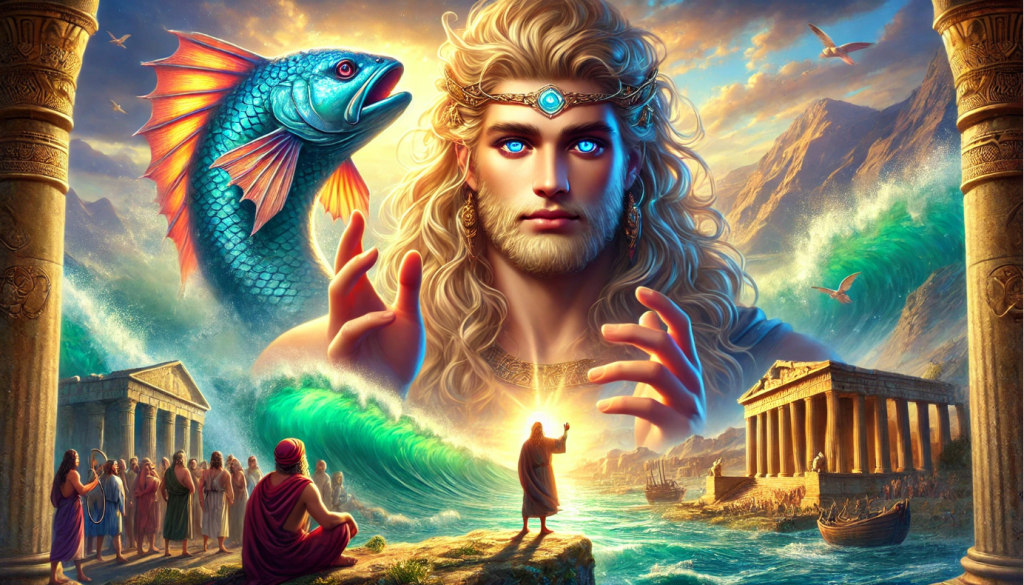
Long ago, in the early days of Mesopotamian civilization—around the 4th to 3rd millennium BCE—a remarkable being named Oannes emerged from the Persian Gulf. Revered as a cultural hero and a divine emissary, Oannes appeared when humanity was taking its first steps toward an organized society. His arrival marked a profound turning point, as he brought the gifts of wisdom and knowledge that would lay the foundation for civilization.
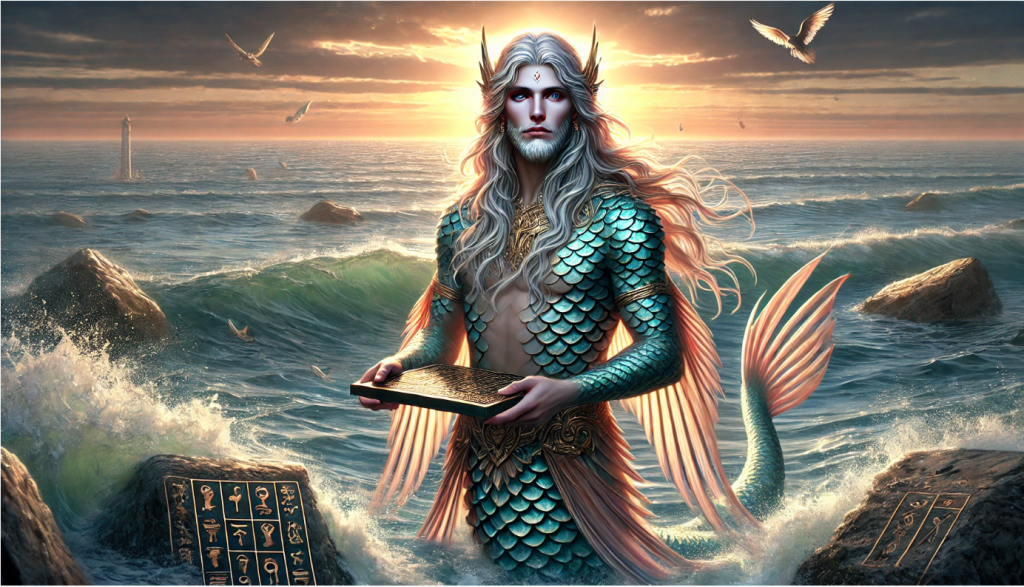
Described in vivid detail by the Babylonian priest Berossus, Oannes was an amphibious being with an extraordinary form. He was said to have the body of a man but was enveloped in a fish-like exterior, with a human head beneath the fish’s head and human feet emerging below its tail. Each day, Oannes would rise from the waters of the Persian Gulf and come ashore to teach humanity. By night, he would return to the sea, symbolizing the mystical connection between the aquatic and terrestrial realms.
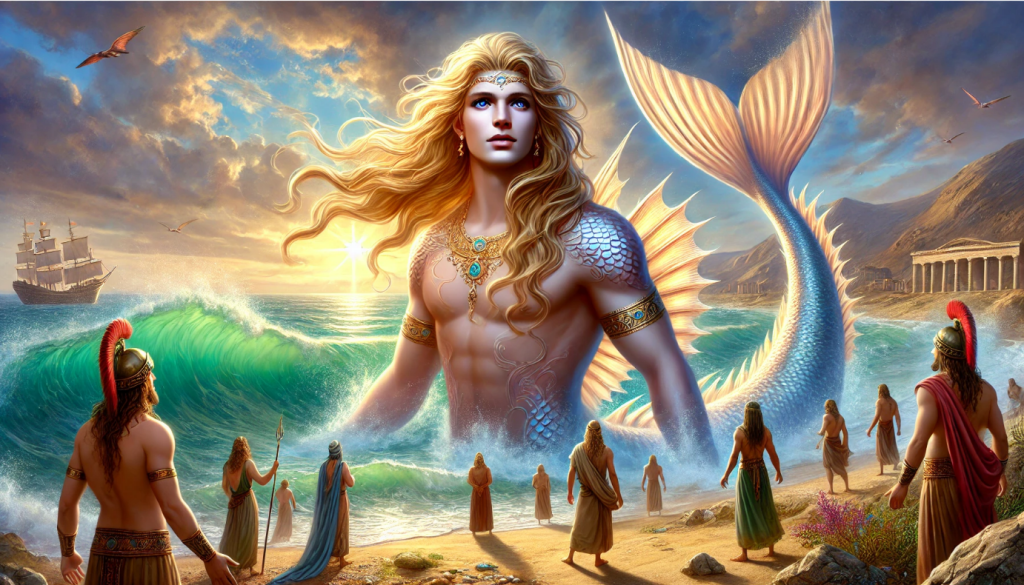
Oannes teaches vital skills and knowledge, including writing, art, mathematics, agriculture, and architecture. He shared the secrets of moral and spiritual values, fostering humanity’s growth into a more advanced and harmonious society. His teachings bridged the gap between the divine and the mortal, offering humans the tools to thrive and progress.
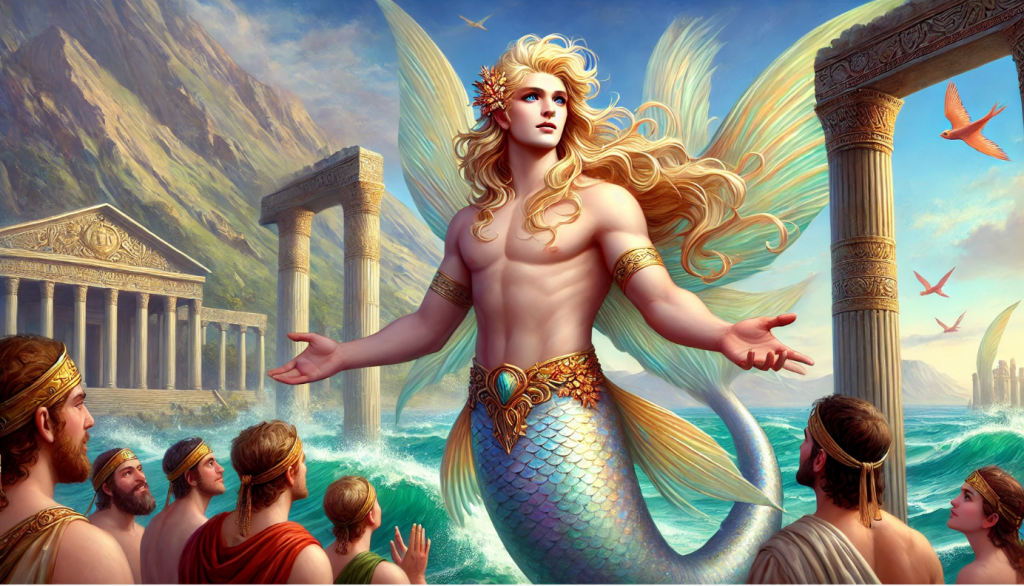
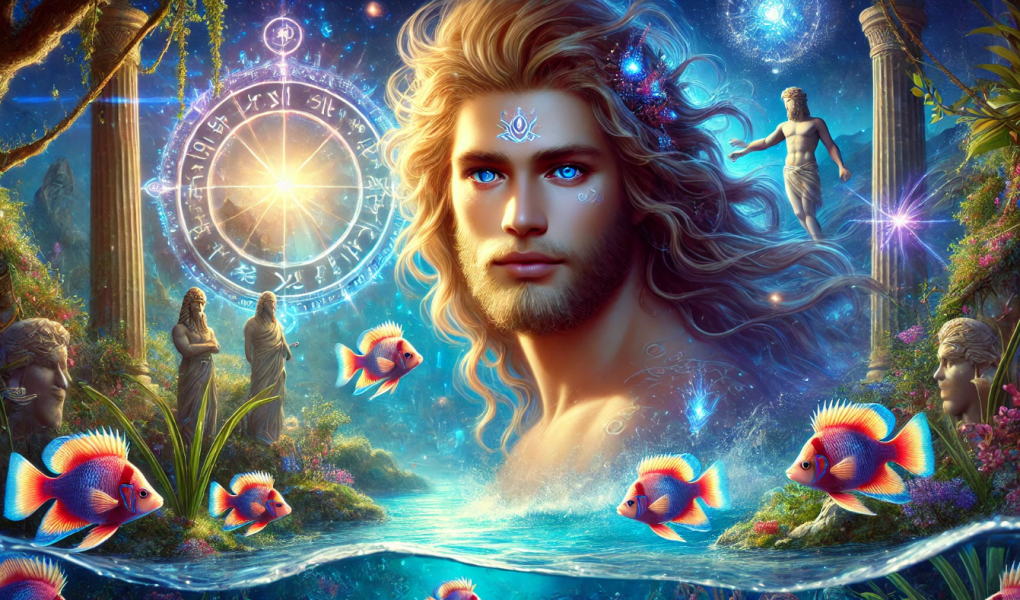
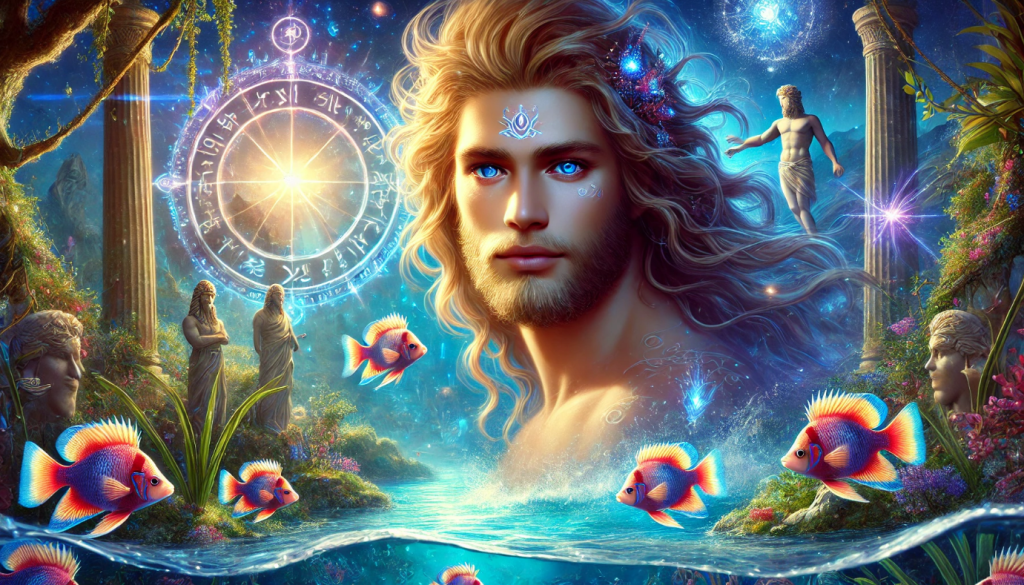
In Mesopotamian mythology, Oannes is often associated with the Apkallu, a group of semi-divine beings tasked with preserving and transmitting wisdom. He is also considered an emissary of Ea (or Enki), the god of the freshwater deep and wisdom. As such, Oannes became a symbol of enlightenment and culture, a figure who shaped the material aspects of civilization and its spiritual and intellectual foundations.
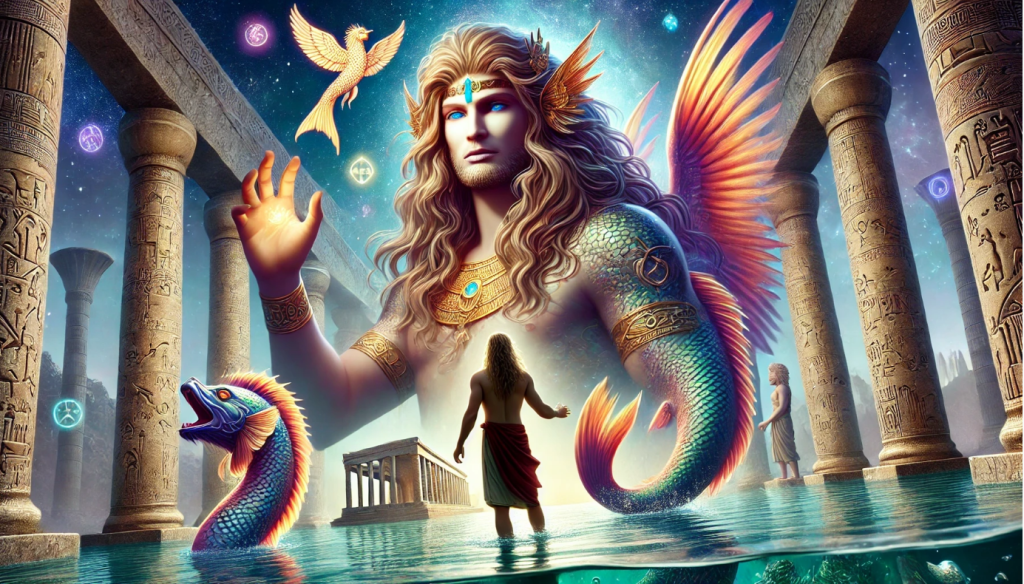
The impact of Oannes’ teachings resonates far beyond Mesopotamia. Historians and mythologists regard him as a universal archetype of the wise teacher, with parallels in other water-related deities and figures across global mythologies. His story suggests a recurring motif of divine beings emerging from the sea to uplift humanity, emphasizing the interconnectedness of myths and the universal longing for enlightenment.
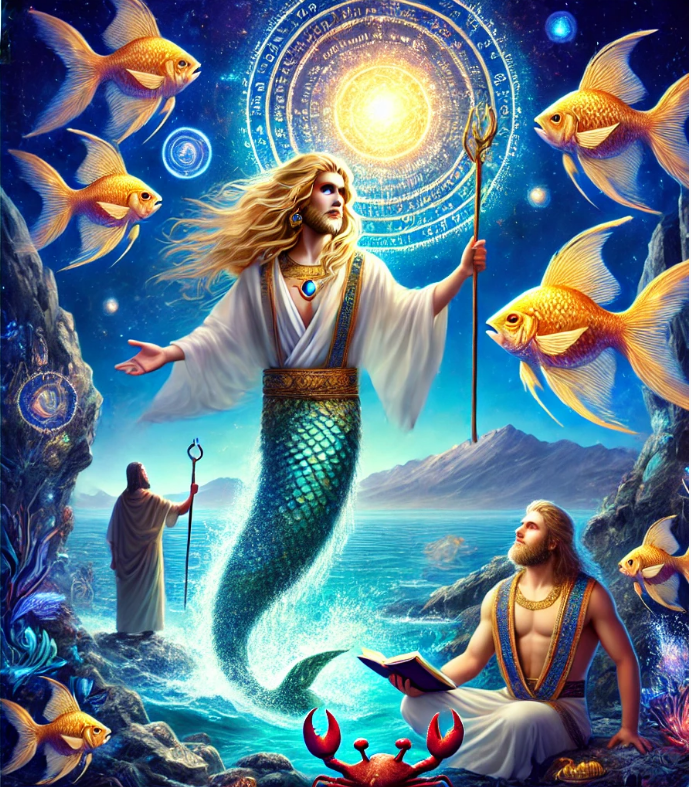
Through his daily acts of teaching and his divine presence, Oannes transformed the world of early humanity. He bridged the sacred and the earthly, the aquatic and the terrestrial, leaving a legacy that would inspire generations. His tale is a testament to the power of wisdom, compassion, and the enduring connection between the divine and the mortal.
Oannes: The Bringer of Civilization
Oannes is a celebrated figure in ancient Mesopotamian mythology, often described as a half-human, half-fish being who emerged from the sea to share the gift of wisdom with humanity. During the dawn of civilization, he is credited with teaching essential skills such as writing, art, mathematics, agriculture, and architecture, earning him reverence as a bringer of enlightenment and progress. Oannes symbolizes wisdom and culture, bridging the terrestrial and the divine.
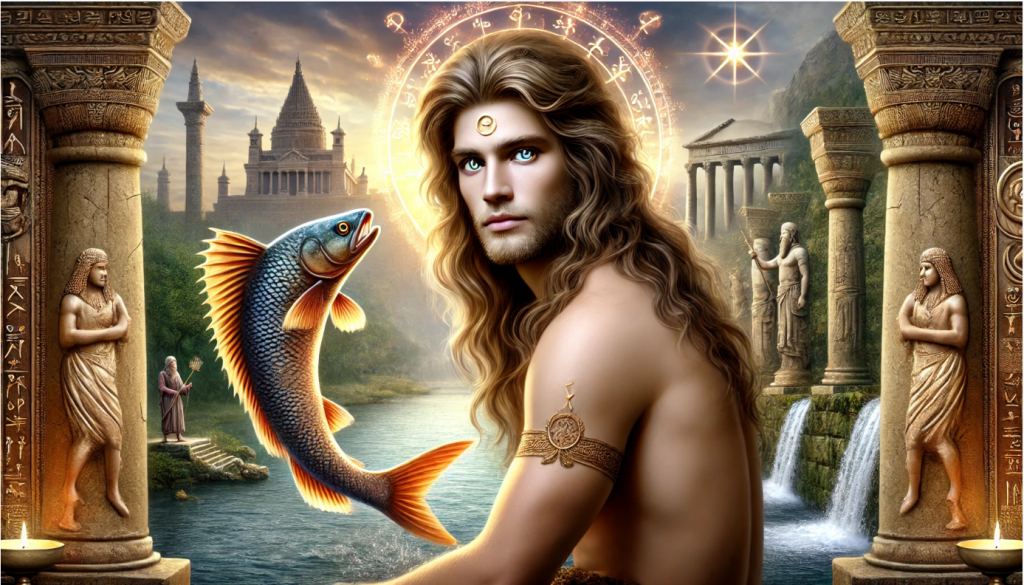
A Deeper Dive into Oannes
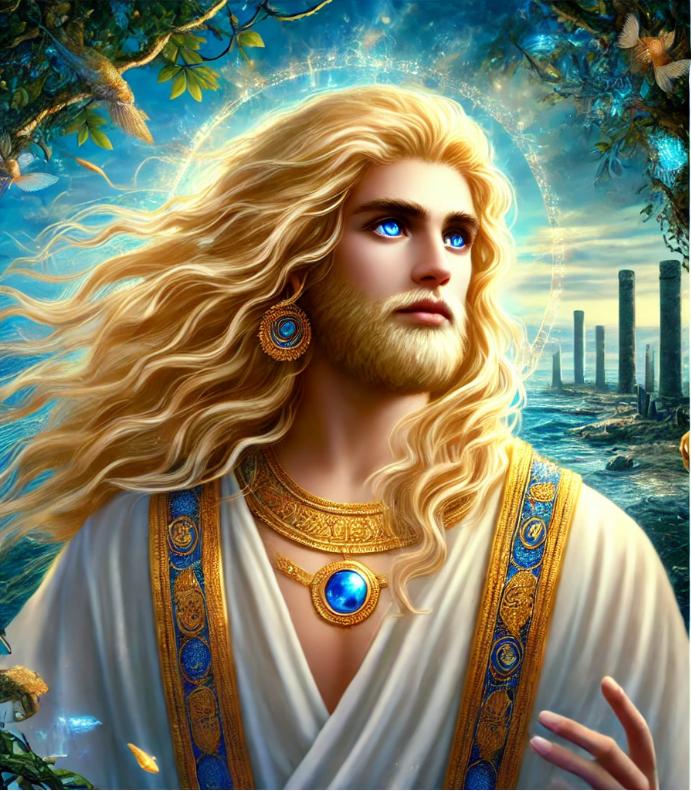
Oannes, also known as Uanna, is prominent in Mesopotamian mythology as a teacher and cultural hero. According to the Babylonian priest Berossus, Oannes would rise daily from the waters of the Persian Gulf, his appearance striking and otherworldly. He is described as having a human torso and head beneath a fish-like exterior, complete with a tail and fins. By day, he walked among humans, teaching them agriculture, architecture, writing, science, and moral and spiritual principles. By night, he returned to the sea, symbolizing the connection between the aquatic and terrestrial realms.
Oannes is often linked to the Apkallu, a group of semi-divine beings entrusted with safeguarding and transmitting divine wisdom. He is also considered an emissary of Ea (or Enki), the Mesopotamian god of the freshwater deep and wisdom, further cementing his role as a divine teacher.
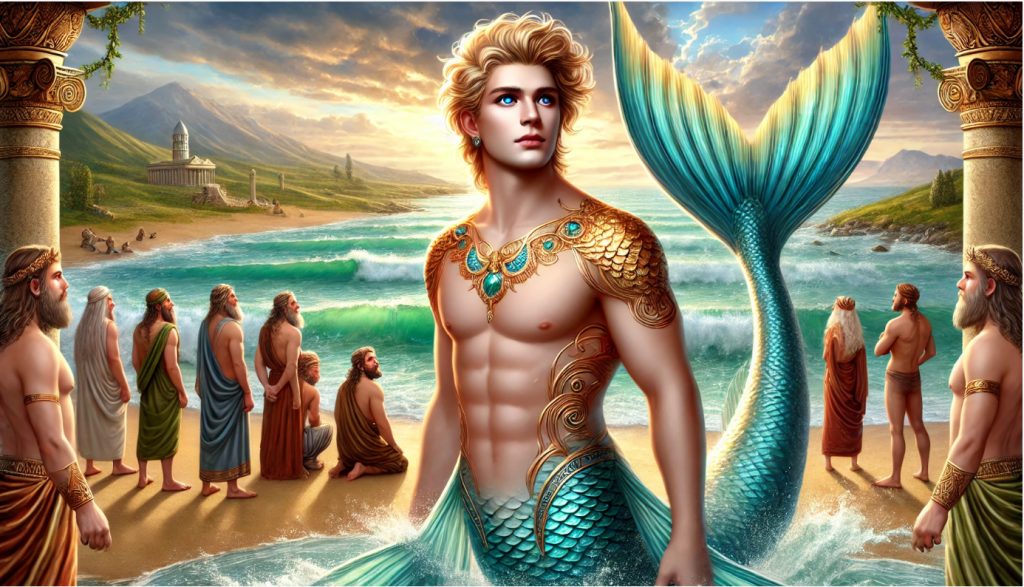
Historians and mythologists regard Oannes as a universal archetype of the wise teacher emerging from the sea—a motif in many cultures’ myths. His story parallels other water deities who uplifted early societies, reinforcing his significance as a foundational figure in human history. Through his teachings, Oannes forever shaped the course of civilization, leaving an enduring legacy of knowledge and enlightenment.
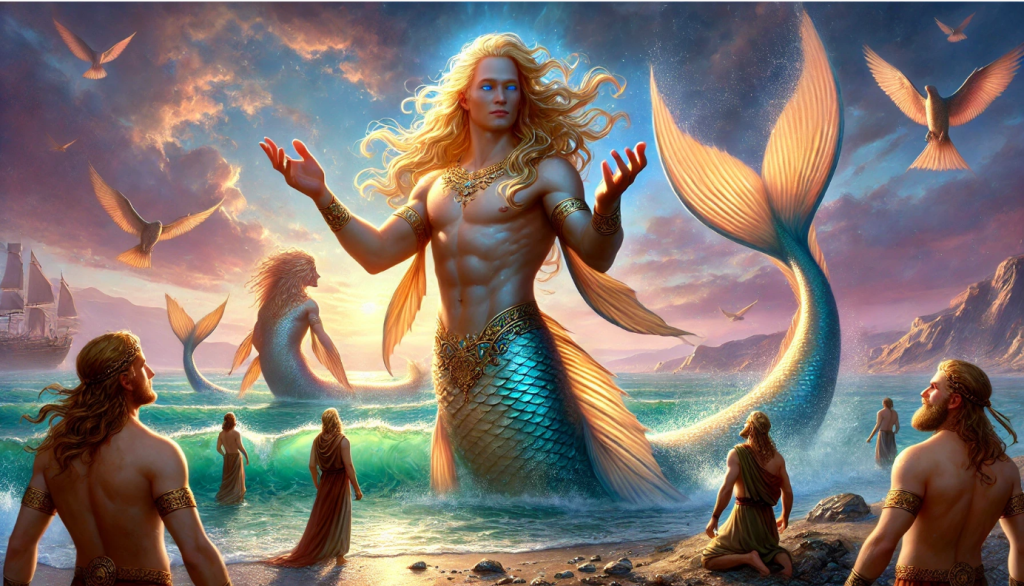
Oannes: The Teacher of Humanity
Period: Approximately 250,000 BCE to 150,000 BCE, during the early phases of civilization’s development.
Oannes, an emanation of Enki, is depicted as a wise and benevolent figure emerging from the seas to teach early humans essential knowledge, including writing, agriculture, and governance.
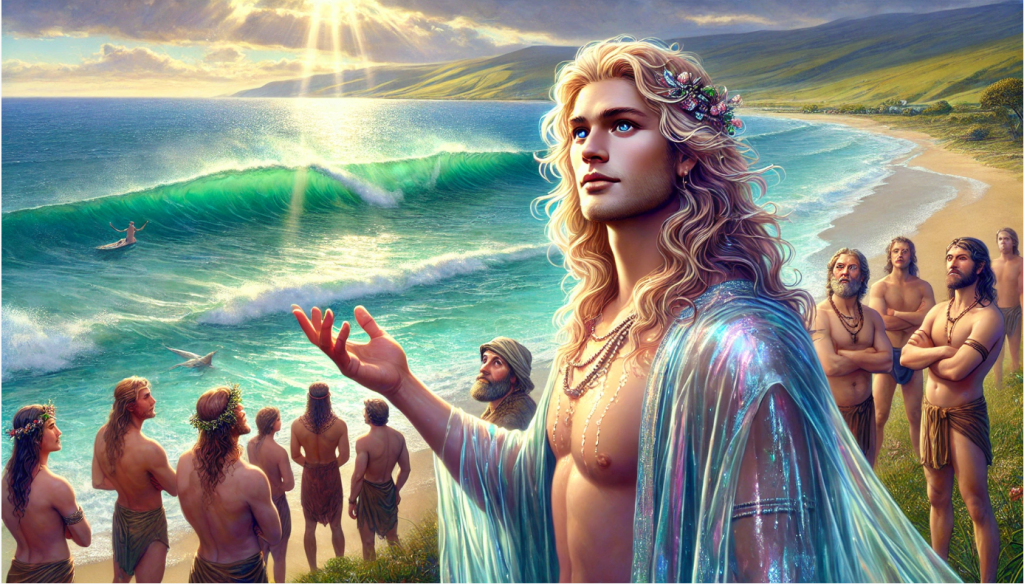
Around 250,000 BCE, Oannes, an emanation of Enki, took on the role of teacher and guide to early humanity. Emerging from the seas, Oannes is often described as a semi-aquatic figure with profound wisdom, revered for his contributions to human advancement. This emanation aligns with Enki’s mastery over water and life, symbolizing his nurturing and guiding influence.
Oannes is credited with introducing early humans to essential knowledge, such as writing, agriculture, and governance. These teachings laid the foundation for early civilizations and marked a significant leap in humanity’s progress. His emergence from the seas represents water’s life-giving and transformative power, a recurring theme in Enki’s many emanations.
In this depiction, Oannes is shown as a wise and serene figure, standing at the shoreline where land and water meet. His form blends human and aquatic elements, emphasizing his unique connection to both worlds. The background includes a scene of early humans gathered around him, listening intently to his teachings, symbolizing his pivotal role in shaping human destiny.