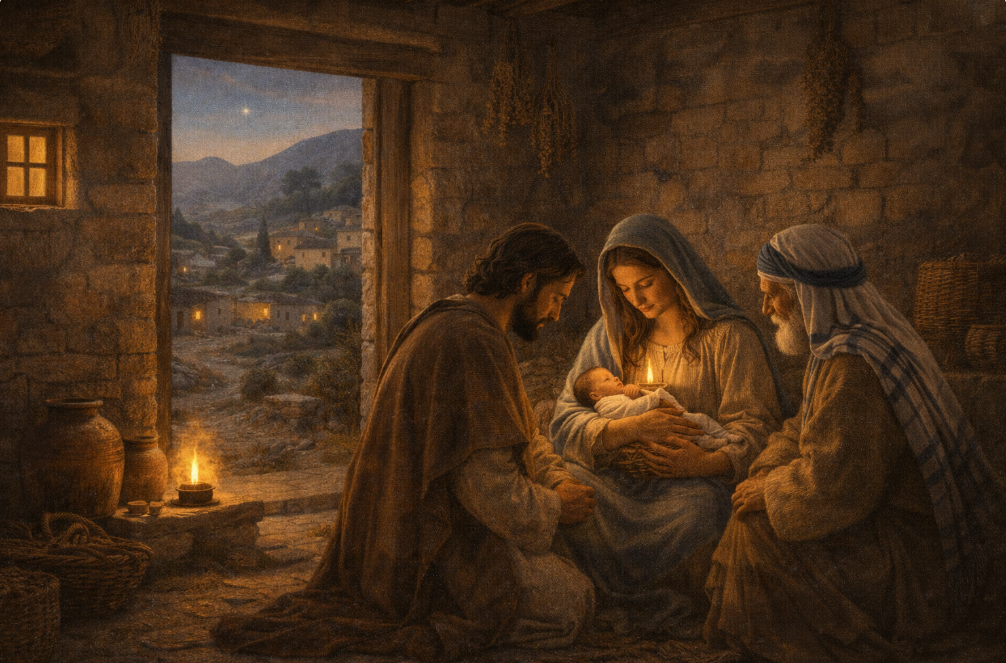
JESUS WAS BORN IN A HOUSE — NOT A STABLE — IN MARCH, 7 CE
By Sasha Alex Lessin, Ph.D. (Anthropology, UCLA)
With Janet Kira Lessin
JESUS WAS BORN IN A HOUSE — NOT A STABLE — IN MARCH, 7 CE
By Sasha Alex Lessin, Ph.D. (Anthropology, UCLA)
With Janet Kira Lessin
For nearly two thousand years, Western Christianity has told a birth story that archaeology, anthropology, and early texts do not support. Churches, paintings, and pageants repeat the same image: Mary, turned away from an inn, gives birth in a stable and lays her child in a manger beneath a cold December sky. The story moves people emotionally — but it does not describe historical reality.
First-century Judea did not operate that way. No commercial inns existed in the modern sense. No reservation systems turned travelers away. No cultural custom forced a woman in labor into the night. Families lived communally, often in extended households, and women gave birth in homes surrounded by kin. When Mary gave birth, she did so in a house — the usual place for childbirth in her time and culture.
Later generations invented the stable. Medieval Europe supplied the imagery. Devotional dramatizations, especially those associated with St. Francis of Assisi, fixed the manger scene in popular imagination. The earliest Gospel texts do not support it. In fact, the Gospel of Matthew states directly that the Magi visited Jesus in a house, not a stable (Matthew 2:11).
Church tradition also assigned Jesus the wrong birthday. Early Christians did not celebrate December 25. Roman authorities later imposed that date by merging Jesus with Mithras, a Persian solar deity worshipped widely by Roman soldiers. Mithraic religion celebrated the rebirth of the sun at the Winter Solstice. When Christianity spread through the Roman Empire, church leaders absorbed that symbolism and reassigned it to Jesus.
Nothing in the historical record places Jesus’ birth in December. Climate, agricultural practice, Roman census timing, and internal Gospel chronology all point instead to a spring birth, most plausibly March, around 7 CE — several years earlier than the later ecclesiastical date of 1 CE. Scholars who examine the evidence closely reach this conclusion not by speculation, but by alignment of known historical markers.
Still, the exact date matters less than what followed.
Before Christianity hardened into doctrine, it functioned as a radical ethical movement. Jesus taught compassion, nonviolence, and care for the poor. He rejected hierarchy. He challenged religious authority. He treated women as moral equals. Those teachings threatened both priestly elites and imperial power.
Over time, Christmas absorbed Roman Saturnalia — feasting, gift-giving, revelry — and Norse Yule traditions, including evergreen symbolism and solar rebirth. Merchants eventually replaced meaning with consumption. Jesus never inspired shopping seasons; institutions built them around him.
Modern spiritual traditions now reclaim the Winter Solstice as metaphor rather than dogma: the moment when light begins to return, when something stirs beneath the cold surface of winter. In that sense, the symbolism aligns with Jesus’ teachings — not as a literal birthday, but as a reminder that renewal begins quietly, from within.
Church authorities later removed much of Jesus’ early story from public view. Several centuries after his death, under Emperor Constantine, church councils excluded the Apocrypha from the New Testament. Those texts described Jesus’ birth, childhood, and formative years — material that complicated imperial theology and threatened centralized control. The Church did not lose those books accidentally; it set them aside deliberately.
Non-canonical texts and later anthropological analysis preserve alternative traditions. These sources describe “angels” not as cherubic children, but as powerful emissaries — intermediaries between ruling forces and humanity. Ancient cultures often depicted them with wings to signal flight or technological superiority. Later theology spiritualized what earlier societies described more concretely.
Some interpretations argue that ruling powers engineered Jesus’ lineage to serve elite control narratives — a familiar pattern in ancient societies where gods, kings, and priests maintained authority through bloodlines and myth. Whether one reads these accounts literally or symbolically, they reveal how deeply power shaped religious storytelling.
Other traditions place Jesus far from Judea during his so-called “missing years.” Ancient Buddhist and Hindu sources describe a foreign teacher named Issa who studied in India and Tibet. These texts portray him as a student and teacher who absorbed Eastern philosophy, rejected caste systems, defended the poor, and challenged religious elites. In India, he associated with outcasts and offended priests — a pattern that later repeated itself in Palestine.
When Jesus returned to Judea in his early thirties, he did not meet popular expectations. Many Jews wanted a warrior messiah who would overthrow Roman rule. Jesus refused that role. He spoke instead about inner transformation, shared humanity, and moral responsibility. His message unsettled both Roman authorities and religious leaders, who recognized its destabilizing power.
Some alternative historical interpretations suggest that Jesus survived crucifixion, married Mary Magdalene, fathered children, and continued resisting imperial domination in Europe and beyond. Whether taken as literal history or symbolic narrative, these accounts reinforce a consistent theme: Jesus rejected systems of domination and affirmed human agency.
What happened after Jesus left the scene remains unmistakable.
When Constantine adopted Christianity, he converted a pacifist movement into the religion of the empire. Roman soldiers carried the cross on their shields. Hierarchy replaced compassion. Obedience replaced conscience. As Noam Chomsky later observed, the Church aligned itself with wealth and power — the opposite of the Gospel message.
Church leaders deliberately erased women. They silenced Mary Magdalene, whom Gnostic traditions revered as “the one who knew all.” They suppressed female authority because lineage, memory, and continuity pass through women — and always have.
Across cultures, suppressed texts, and competing interpretations, one message survives intact:
Jesus taught universal empathy.
He did not teach fear.
He did not teach domination.
He did not teach hierarchy.
He taught people to recognize themselves in one another.
Every life carries value. Every gift exists to be shared. Each human being contributes something unique to the whole. Humanity does not form a ladder; it forms a network.
As Christmas and its commercial machinery return each year, we would do well to remember the difference between the story institutions handed us and the one history continues to reveal.
Please share this post — and be merry.
THE ANUNNAKI OVERLAY: JESUS AS ENKI, SON OF GOD
Anthropology does not treat gods as abstractions. It treats them as descriptions of experienced power. Ancient people did not separate religion, science, and governance. They recorded encounters with advanced beings using the language available to them. Those records became myth. Myth became theology. Theology hardened into doctrine.
When we apply the Anunnaki Overlay to the Jesus story, the hierarchy resolves clearly.
Anu stands at the apex.
He functions as the prime creator — the source intelligence, the cosmic father.
From Anu emerge the Anunnaki, among them Enki, his son.
Enki does not rule like a king. He intervenes like a physician.
From the earliest Sumerian texts onward, Enki creates, repairs, teaches, and protects. He designs humanity. He improves it. He defies authoritarian control when it threatens life. He breaks rules when rules become lethal. He repeatedly sides with humans against systems of domination — including those imposed by his own kin.
When later cultures speak of “God,” they often compress this hierarchy into a single figure. But the older texts preserve the distinction.
Anu authorizes.
Enki acts.
Seen through this lens, Jesus is Enki — not metaphorically, not symbolically, but functionally. Enki enters the human system directly, embodied, constrained by flesh, subject to the same risks as those he seeks to protect.
Jesus behaves exactly as Enki behaves.
He heals without permission.
He violates religious law to preserve life.
He challenges priestly authority.
He refuses to rule through fear.
He teaches humans to think ethically rather than obey blindly.
These actions do not describe a submissive son pleading with God. They describe the son of God executing a corrective mission.
When Jesus speaks of the Father, he speaks of Anu — the higher source. When he rejects earthly kingship, he rejects domination as a model of governance. When he says, “The kingdom of God is within you,” he echoes Enki’s original project: humans capable of self-awareness, empathy, and moral choice.
In this lens, crucifixion does not redeem humanity through sacrifice. It exposes the failure of authoritarian systems — Roman, priestly, and cosmic. Enki walks into a fear-based structure knowing it will attempt to destroy him. He allows the system to reveal itself.
THE STORY WE WERE GIVEN — AND THE WORLD IT CAME FROM
For nearly two thousand years, Western Christianity has repeated a birth story that archaeology, anthropology, and early textual evidence do not support. The image is familiar: a pregnant Mary turned away from an inn, forced to give birth in a stable, laying her newborn in a manger beneath a cold December sky. It is emotionally powerful — and historically inaccurate.
In first-century Judea, there were no commercial inns as later imagined, no vacancy systems, and no cultural practice that would have excluded a woman in labor from shelter. Families lived communally, often in extended households. Births occurred in homes, surrounded by kin.
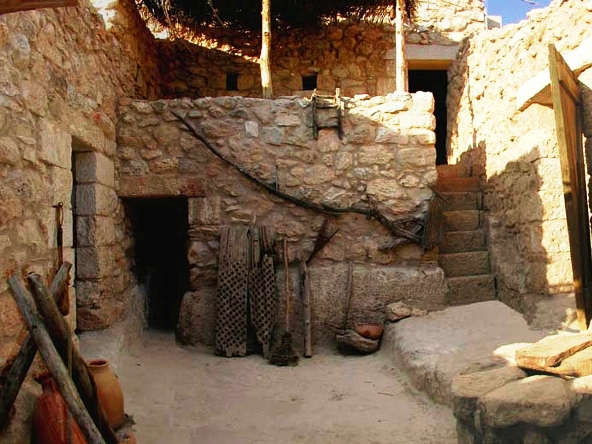
IMAGE TITLE:
A FIRST-CENTURY JUDEAN HOME — NOT A STABLE
Description:
Archaeological evidence shows that ordinary Judean families lived in stone homes with shared domestic spaces. There were no barn-style stables attached to homes and no inns that excluded women in labor.
Prompt:
realistic, photorealistic, cinematic lighting, soft natural colors, fantasy realism, highly detailed, emotional depth, artistic composition — interior of a first-century Judean stone home in Galilee, modest domestic setting, warm lamplight, historically accurate architecture, no animals, no manger, no halos, lived-in human space, landscape orientation
The familiar manger scene does not come from early history. It comes from medieval imagination, popularized centuries later by devotional dramatizations, most notably those associated with St. Francis of Assisi. Even the Gospel of Matthew states plainly that the Magi visited Jesus in a house, not a stable (Matthew 2:11).
WHY DECEMBER 25 WAS NEVER THE DATE
The December 25 birthdate does not originate in early Christianity. It emerges from Roman religious syncretism, specifically the conflation of Jesus with Mithras, a Persian solar deity widely venerated by Roman soldiers.
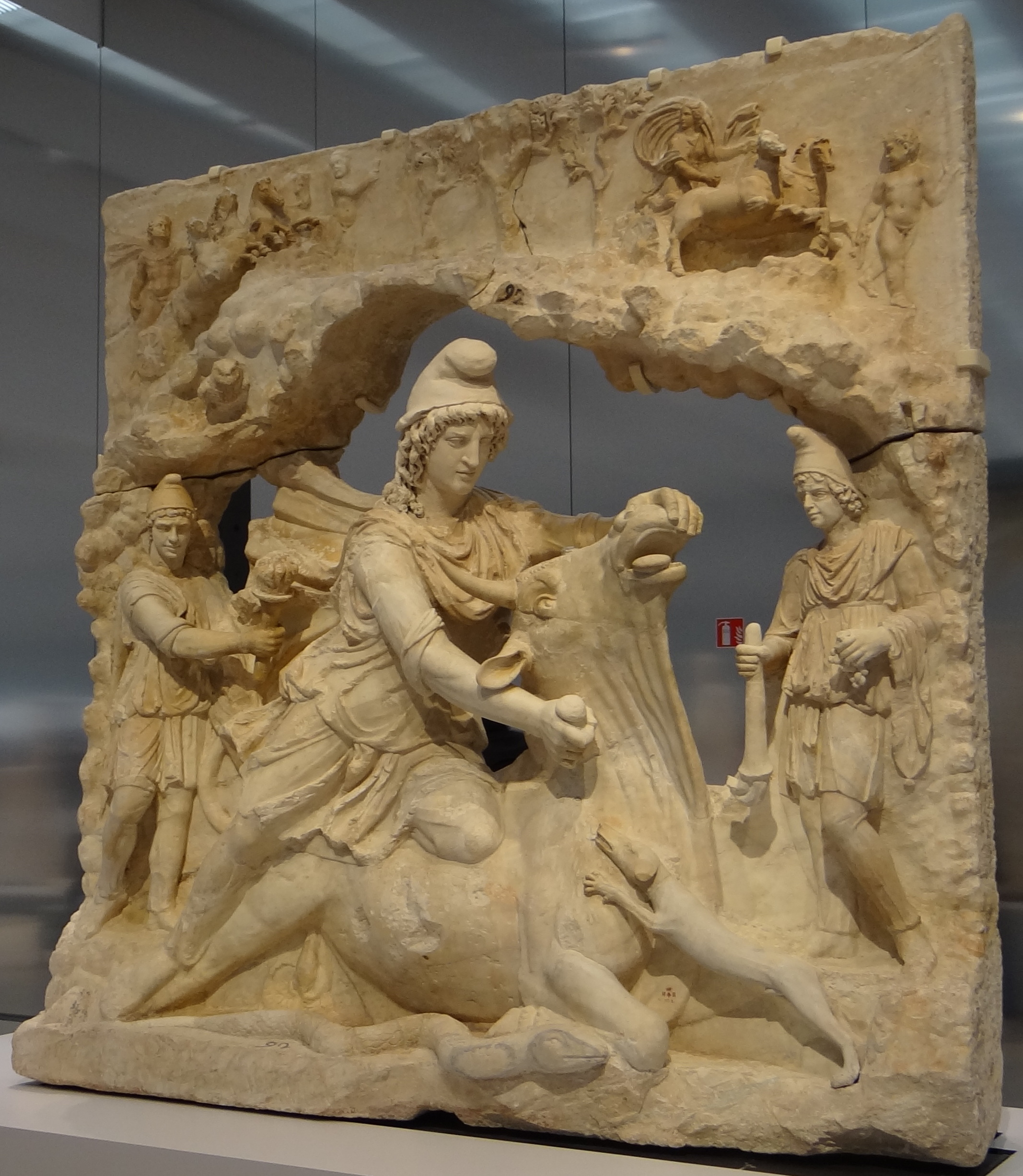

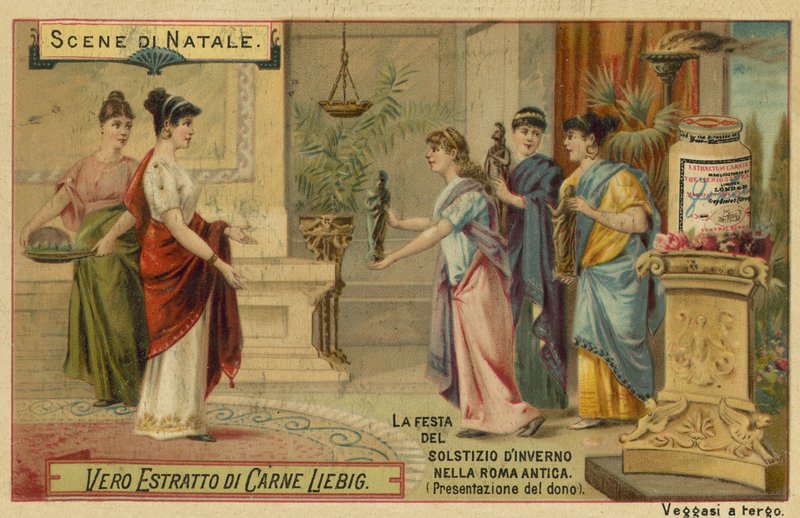
4
IMAGE TITLE:
FROM MITHRAS TO CHRISTMAS
Description:
Roman solar worship, Saturnalia, and Winter Solstice traditions were later merged with Christianity, reshaping the timing and symbolism of Jesus’ birth.
Prompt:
realistic, cinematic historical montage, Roman Saturnalia celebration blending into Mithraic solar imagery, winter solstice symbolism, firelight, ancient Rome atmosphere, subdued tones, educational realism, landscape orientation
There is no evidence that Jesus was born in December. Climatic, agricultural, and textual indicators instead point to a springtime birth, most plausibly March, around 7 CE, several years earlier than the later ecclesiastical date of 1 CE. This aligns with Roman census records, the reign of Herod, and internal Gospel chronology.
Yet dates, while important, are not the heart of the matter.
WHAT CHRISTMAS BECAME
Before its commercialization, Christmas absorbed elements of Roman Saturnalia (gift-giving, feasting, revelry) and Norse Yule (evergreens, solar rebirth). Jesus was never the reason for modern consumer frenzy. He was retrofitted into it.
In contemporary spiritual understanding, the Winter Solstice has regained symbolic meaning: the moment when light begins its return, when something dormant stirs beneath the cold surface of winter. In this sense, the symbolism resonates — not as a literal birthday, but as a metaphor for renewal, compassion, and awakening.
THE TEXTS THAT WERE REMOVED
Several centuries after Jesus’ death, under Emperor Constantine, Church authorities removed the Apocrypha from the New Testament. These texts included accounts of Jesus’ birth, childhood, and formative years — material that complicated imperial theology and centralized control.


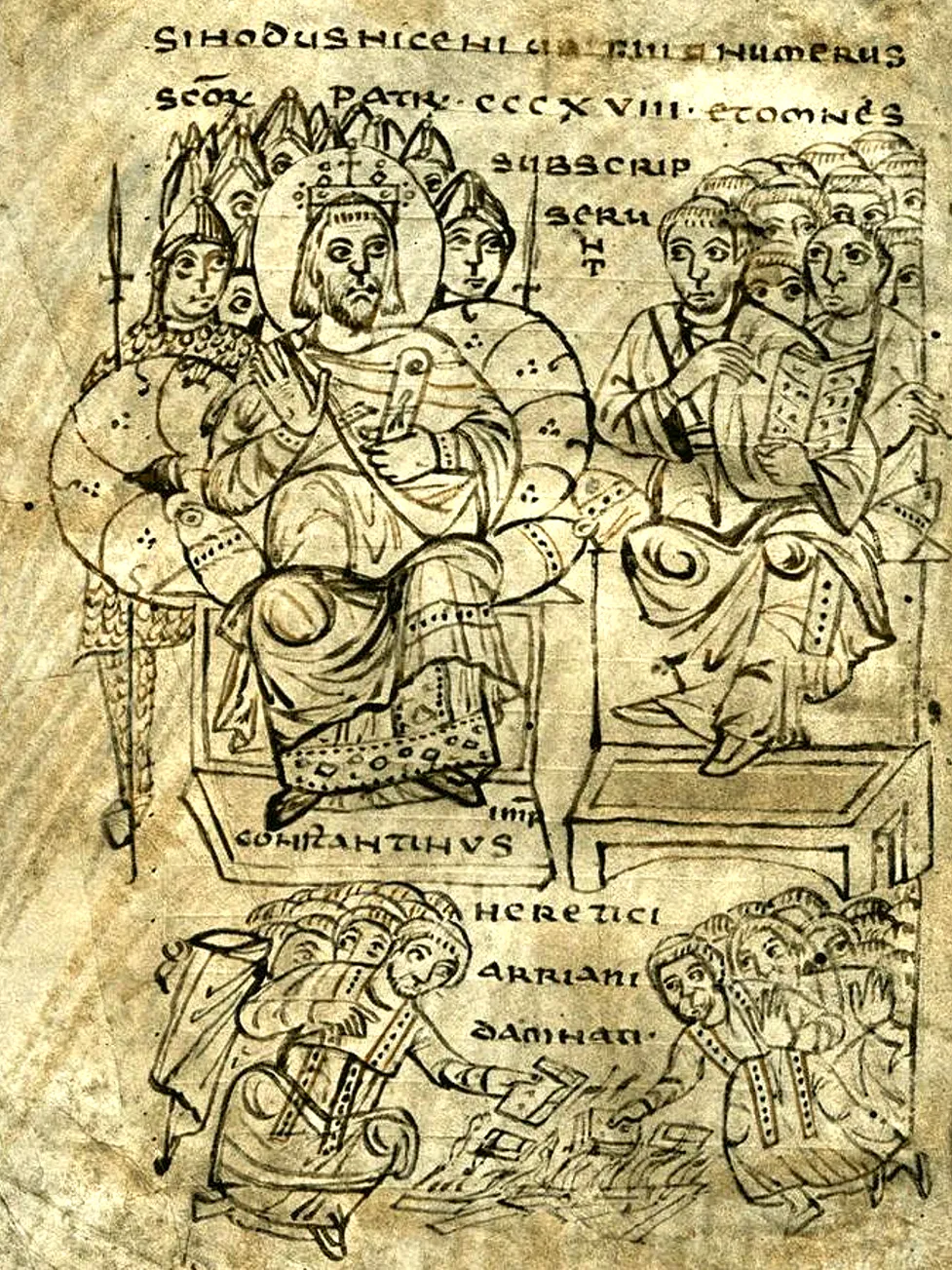
IMAGE TITLE:
THE BOOKS THAT DIDN’T MAKE THE CUT
Description:
The Apocrypha preserved early traditions about Jesus’ origins and youth that conflicted with emerging imperial Christianity and were later excluded from the canon.
Prompt:
realistic ancient manuscript scene, early Christian scribes handling scrolls, candlelit room, parchment textures, historical tension, cinematic lighting, educational realism, landscape orientation
Alternative traditions preserved in non-canonical texts — and later examined through anthropology — present a more complex picture of Jesus’ origins, education, and mission.
ANGELS, ANUNNAKI, AND ANCIENT POWER
In ancient texts, “angels” were not depicted as cherubic children. They were powerful emissaries, sometimes described with wings to indicate flight or technological superiority — consistent with ancient descriptions of ruling beings later mythologized.
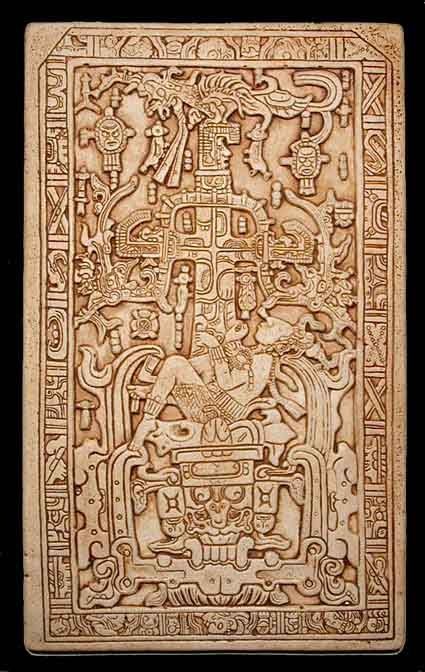
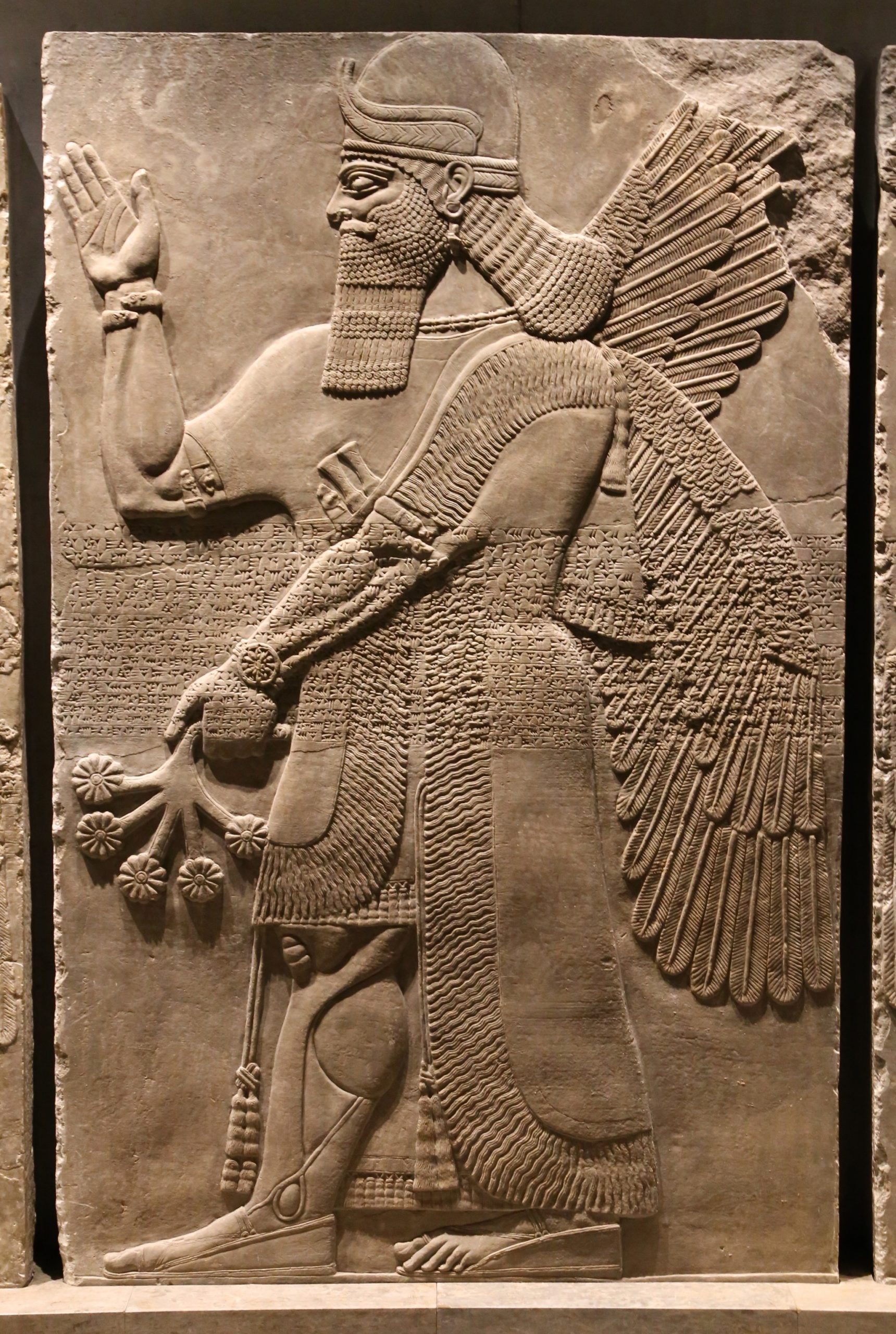
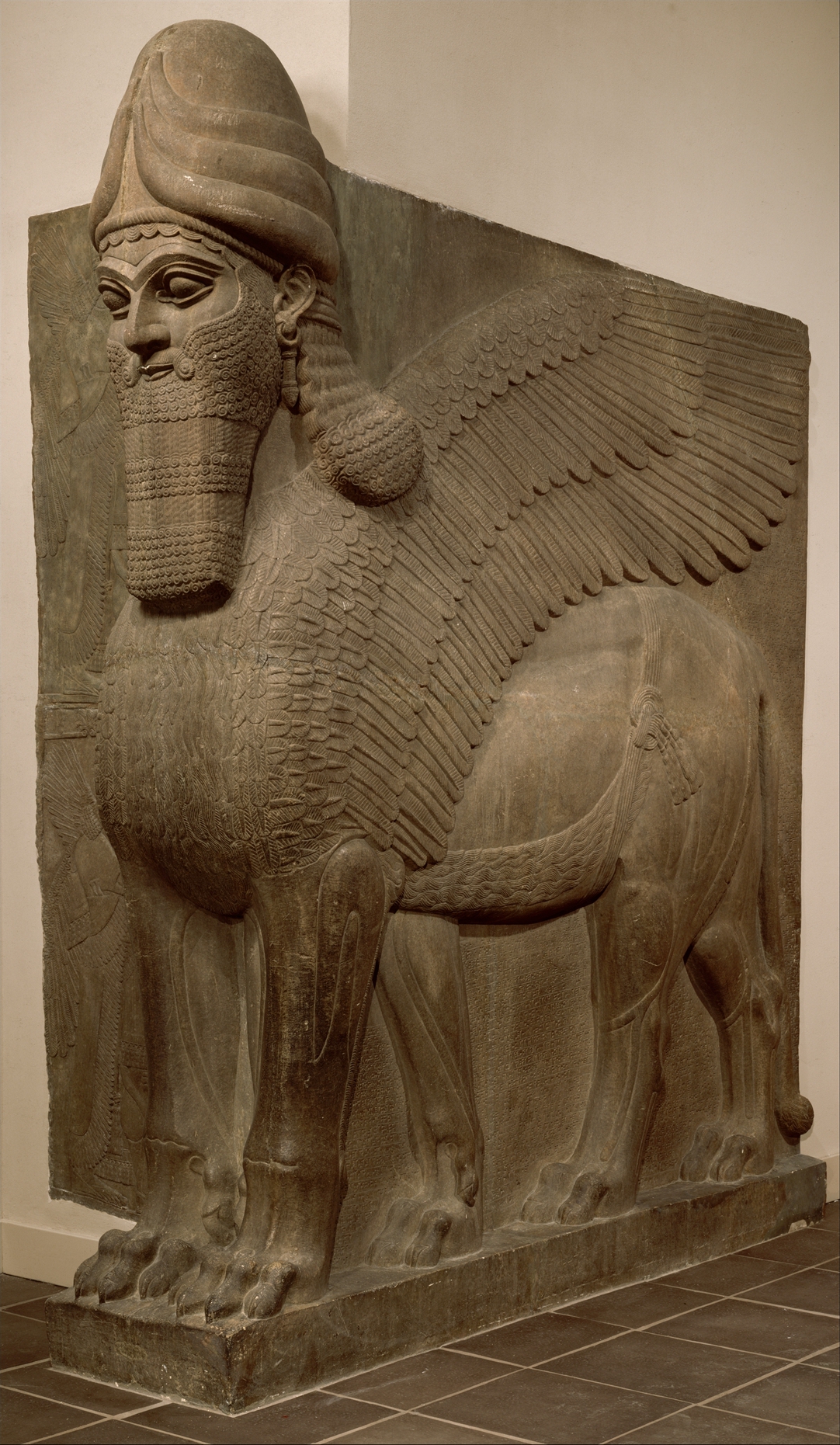
IMAGE TITLE:
ANGELS AS EMISSARIES
Description:
Ancient descriptions of angels align more closely with powerful intermediaries than with later religious imagery, reflecting how early cultures recorded encounters with advanced beings.
Prompt:
realistic ancient astronaut interpretation, tall luminous humanoid emissaries, subtle wing symbolism, Mesopotamian relief influence, advanced ancient technology aesthetic, cinematic lighting, fantasy realism, landscape orientation
Some interpretations propose that Jesus’ lineage was deliberately engineered to serve elite control narratives — a theme echoed across ancient cultures where gods, kings, and priesthoods maintained authority through myth and bloodline.
JESUS IN INDIA AND TIBET
One of the most persistent alternative traditions places Jesus in India and Tibet during his “missing years,” where he was known as Issa. Ancient Buddhist and Hindu sources describe a foreign teacher who studied with holy men, absorbed Eastern philosophy, and rejected caste systems.


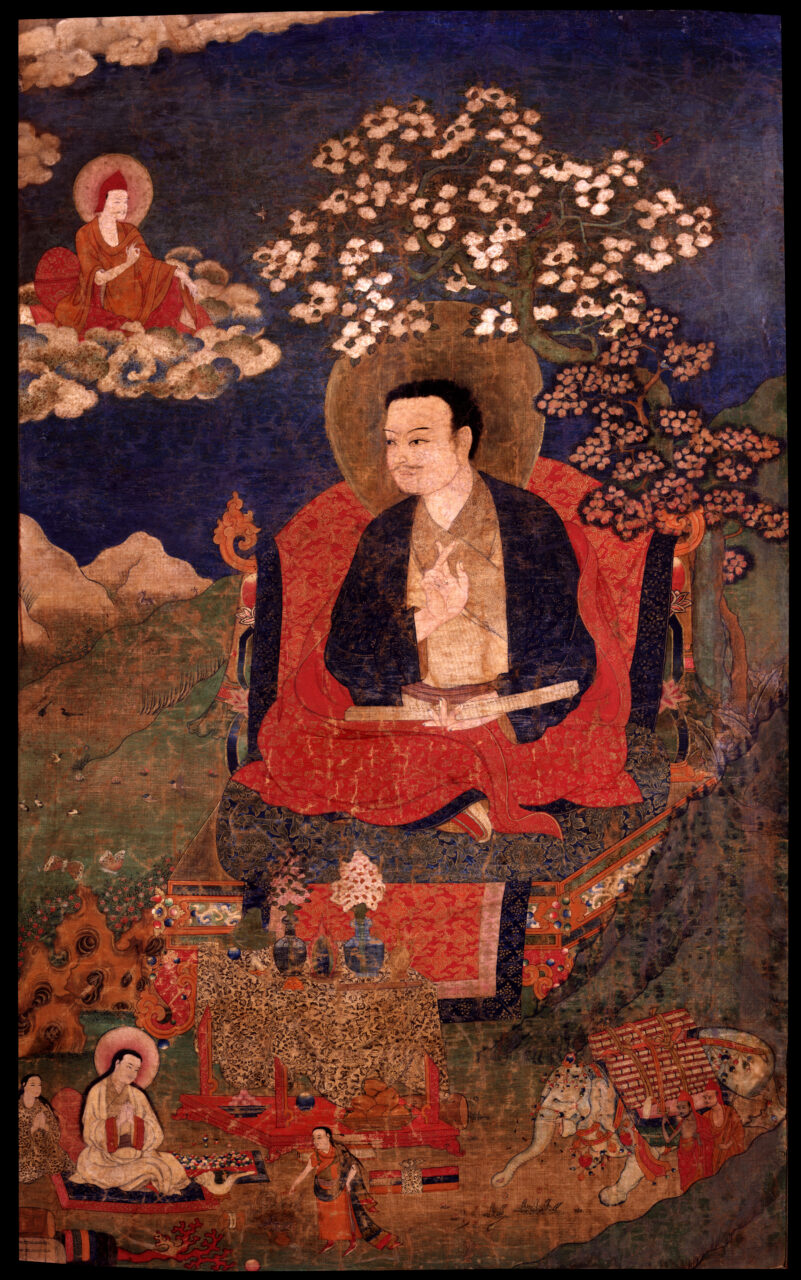
IMAGE TITLE:
ST. ISSA — JESUS OF THE EAST
Description:
Eastern traditions describe Jesus as a student and teacher who absorbed Buddhist and Hindu wisdom and challenged rigid social hierarchies.
Prompt:
realistic Himalayan monastery setting, Jesus-like figure studying with monks, ancient scrolls, mountain light, spiritual calm, cinematic realism, landscape orientation
In India, Jesus associated with the poor and the outcast, offended priestly elites, defended women, and rejected violence — themes that would later define his ministry in Palestine.
FROM MESSIAH TO REBEL
When Jesus returned to Judea in his early thirties, he was not the militant savior many expected. He did not call for armed rebellion. He spoke instead of inner transformation, shared humanity, and moral responsibility — alarming both Roman authorities and religious elites.
Some alternative accounts suggest Jesus survived crucifixion, married Mary Magdalene, had children, and continued resisting imperial domination in Europe and beyond.
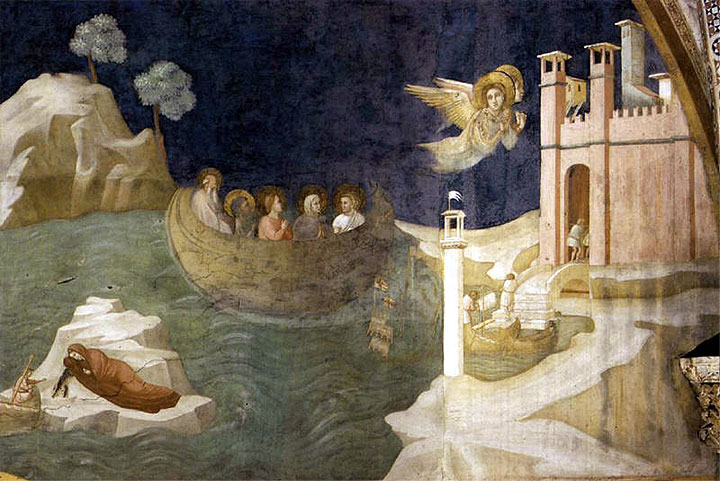
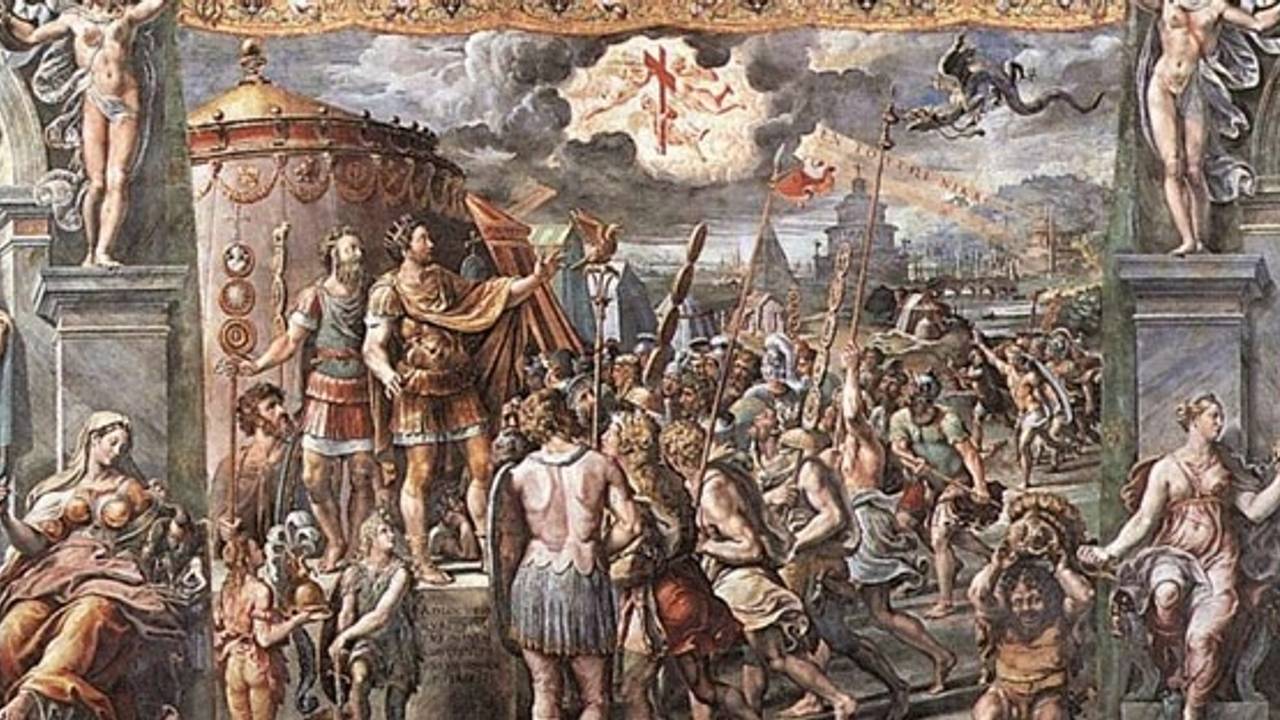
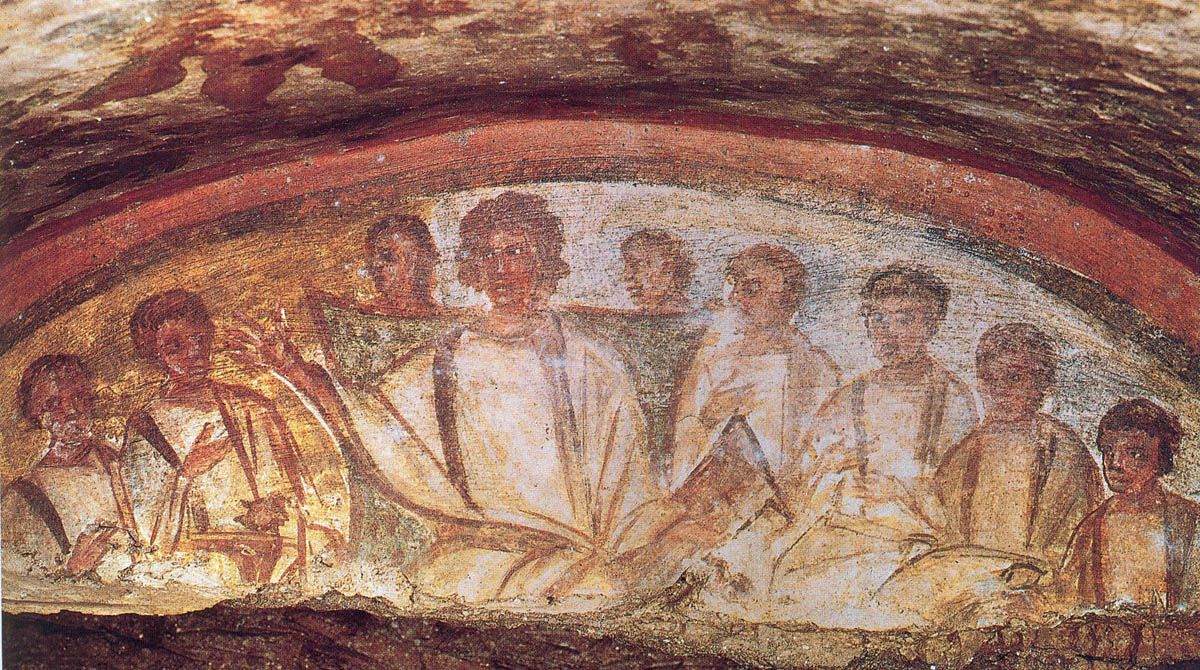
IMAGE TITLE:
AFTER THE CROSS
Description:
Alternative histories describe Jesus continuing his life and mission beyond the crucifixion, rejecting both Roman and priestly domination.
Prompt:
realistic historical alternative depiction, Jesus and Mary Magdalene in Provence, quiet revolutionary atmosphere, early Christian resistance symbolism, cinematic lighting, emotional depth, landscape orientation
CONSTANTINE AND THE REVERSAL
When Constantine adopted Christianity, a radical pacifist movement became the religion of empire. The cross — once a symbol of suffering imposed on the poor — was placed on Roman shields. Hierarchy replaced compassion.
Women were erased because lineage passes through women. Mary Magdalene, revered in Gnostic traditions as “the one who knew all,” was reduced to silence.
THE CORE THAT SURVIVED
Across cultures, myths, and suppressed histories, one message remains intact:
Jesus taught universal empathy.
Not fear.
Not domination.
Not hierarchy.
Empathy.
Every life is worth living. Every gift is meant to be shared. Each human being carries intrinsic value. Humanity is not a hierarchy — it is a network.
As Christmas and its commercial machinery return each year, it is worth remembering the difference between the story we inherited and the one we are still uncovering.
Please share this post & be merry.