Ptah: An Emanation of Enki
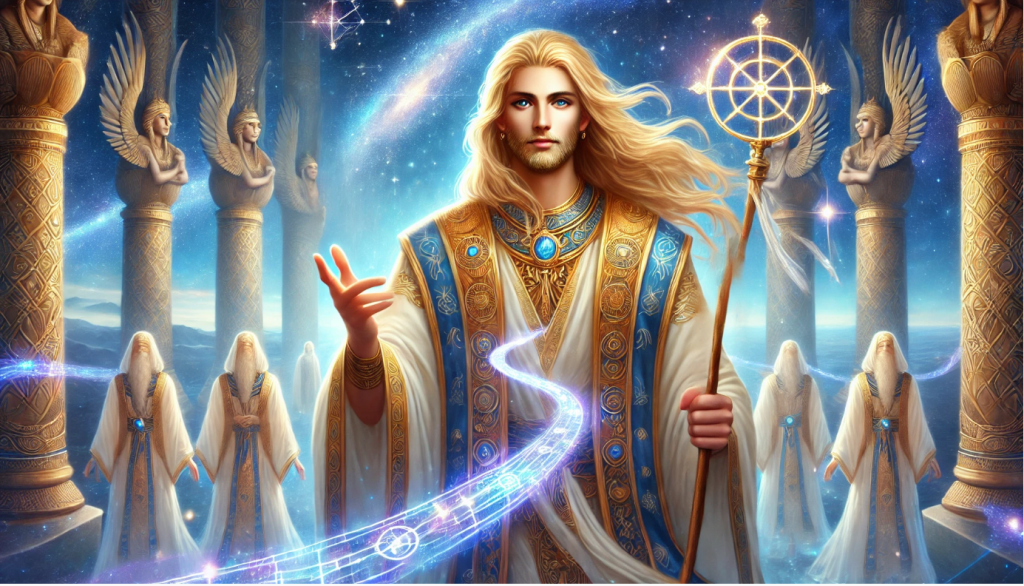
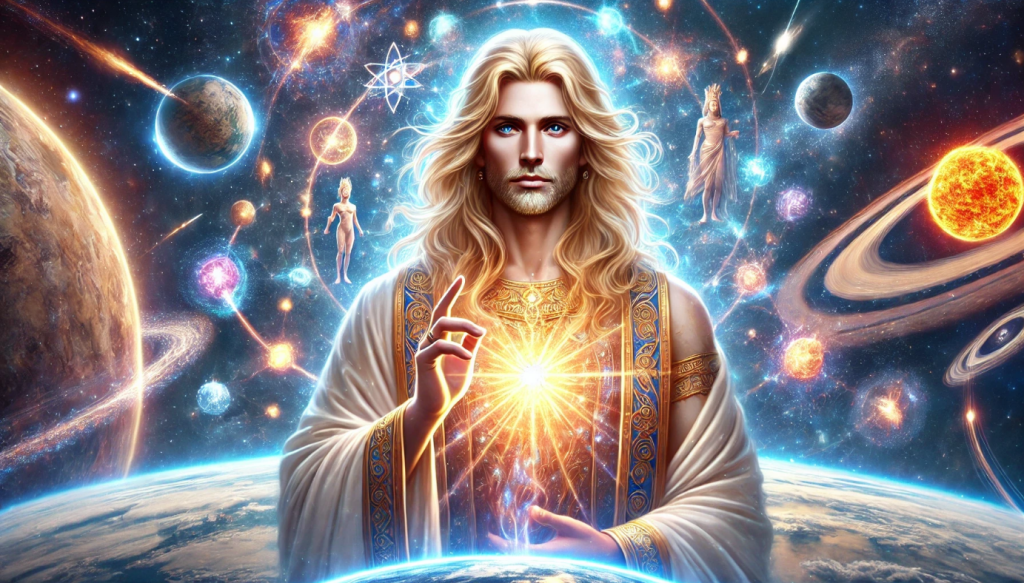
Ptah, an emanation of Enki, emerged as a central deity in ancient Egyptian mythology around 5,000 BCE, celebrated as a creator god, craftsman, and master architect. His influence extended to shaping civilizations through his skills in building and innovation, aligning with Enki’s role as a divine scientist and creator.
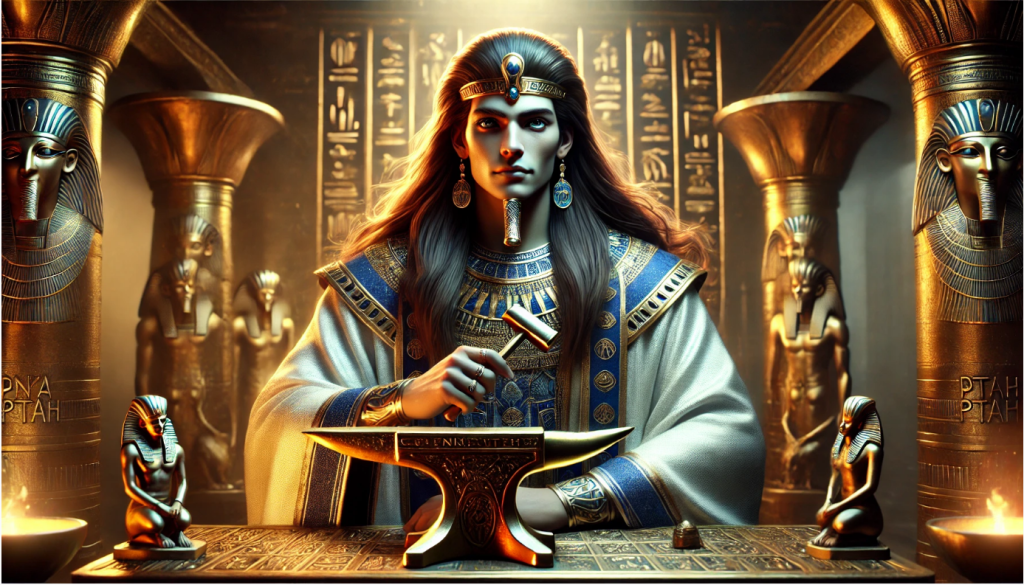
Ptah, known as an emanation of Enki, is revered as the divine architect and master craftsman of ancient Egypt. His emergence around 5,000 BCE coincides with the rise of Egyptian civilization, where he was worshipped as the god of creation, craftsmanship, and engineering. Ptah’s association with building and innovation reflects Enki’s enduring influence on humanity’s progress and development.
In Egyptian mythology, Ptah was believed to have created the world through thought and speech, an act symbolizing the power of divine intellect and creativity. He was closely connected to artisans and builders, inspiring advancements in architecture and engineering that defined ancient Egypt’s monumental achievements. Ptah’s worship was centered in Memphis, Egypt, where he was venerated as the patron of craftsmen and architects.
Ptah shares similarities with other emanations of Enki, such as Hephaestus and Vulcan, who also embody creative and transformative aspects. His influence echoes Enki’s legacy of sharing knowledge and fostering progress, emphasizing the harmonious relationship between humanity and the divine.
What Did Ptah Do?
- Creation through Thought and Speech: Ptah’s mythology highlights his ability to create by envisioning and speaking, symbolizing divine creativity and intellect.
- Patron of Craftsmen: Ptah inspired advancements in art, architecture, and engineering, influencing the construction of temples, statues, and other monumental works.
- Master Architect: As a divine builder, Ptah was seen as the force behind the harmony and design of the universe.
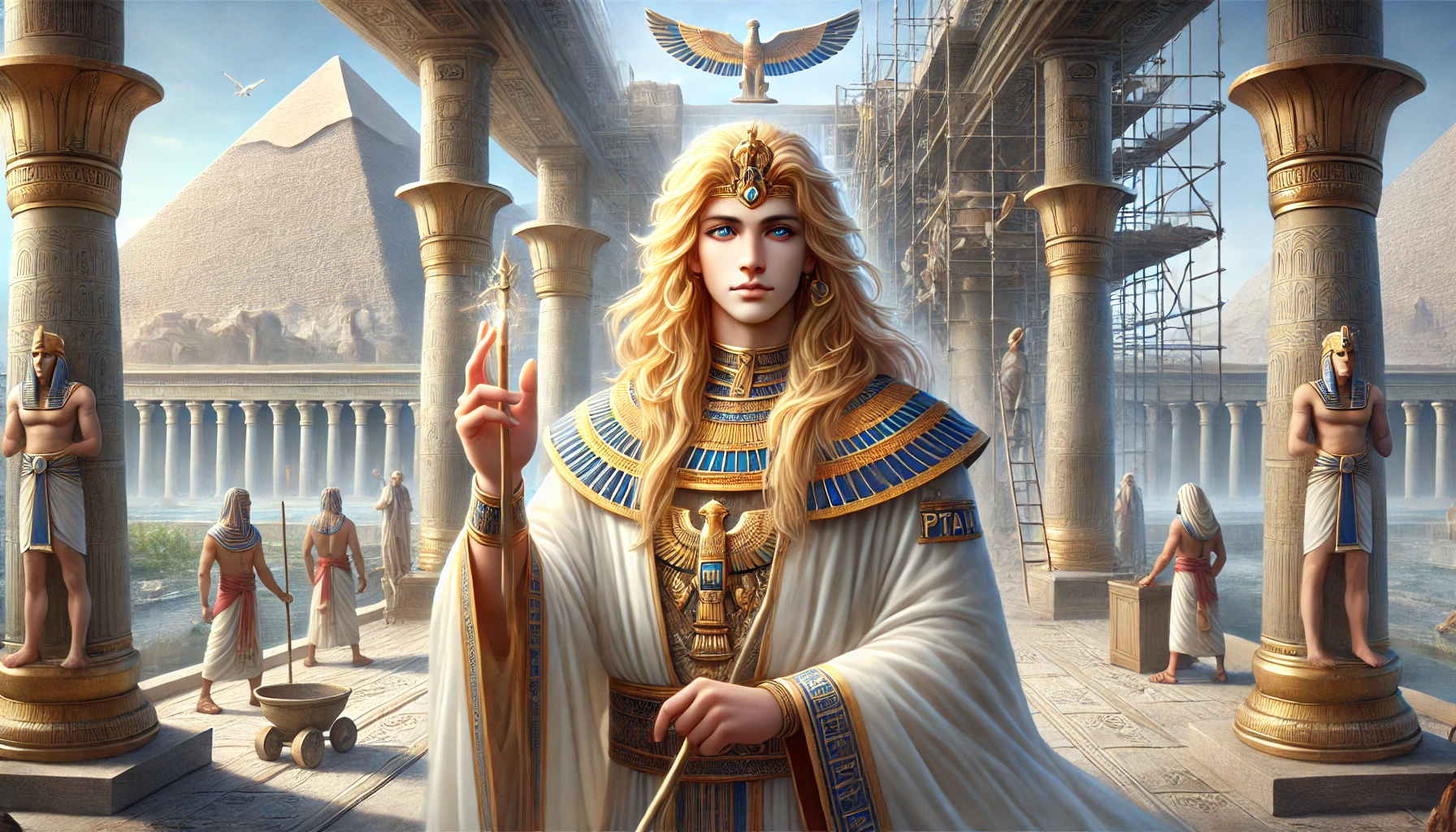
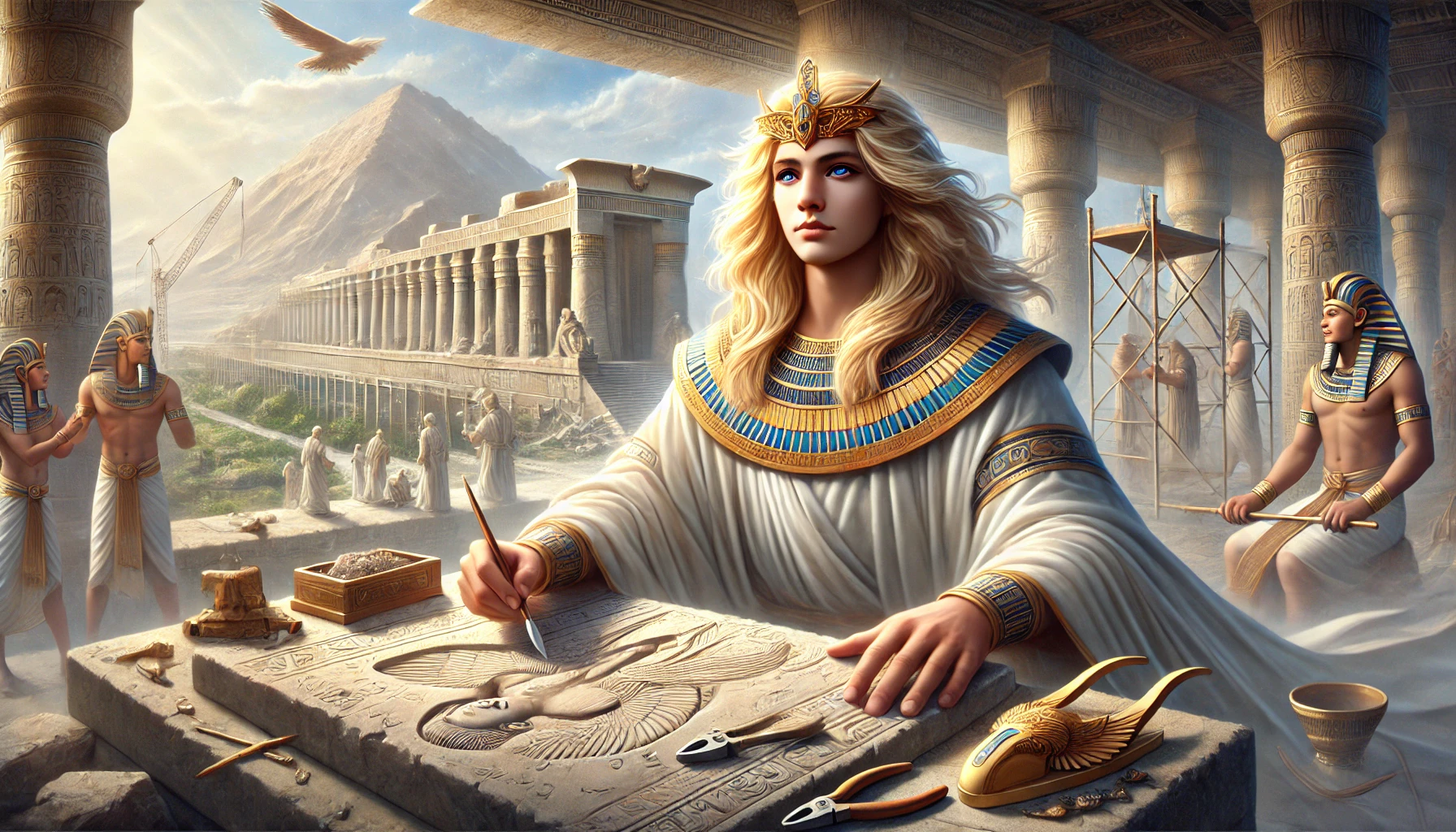
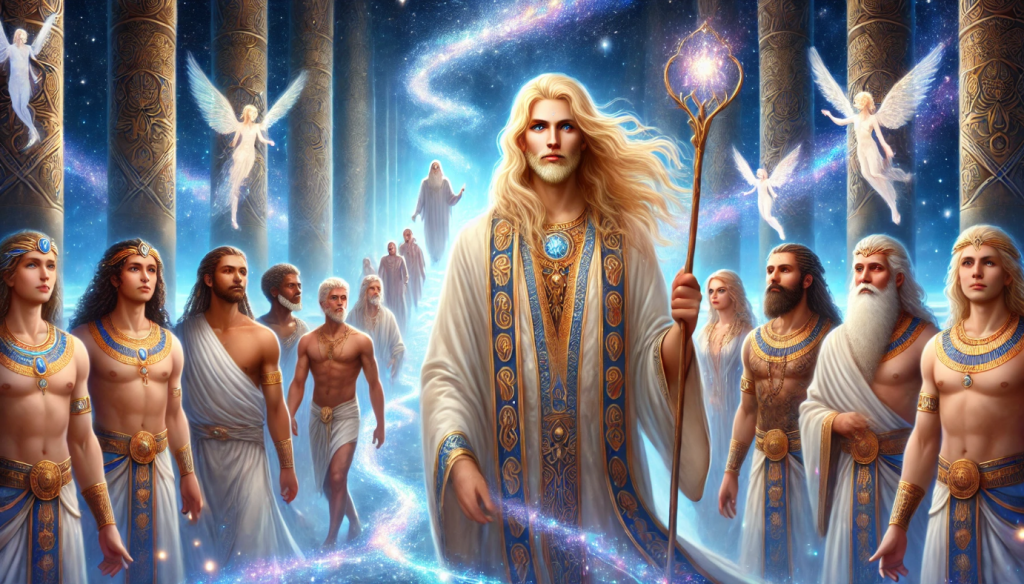
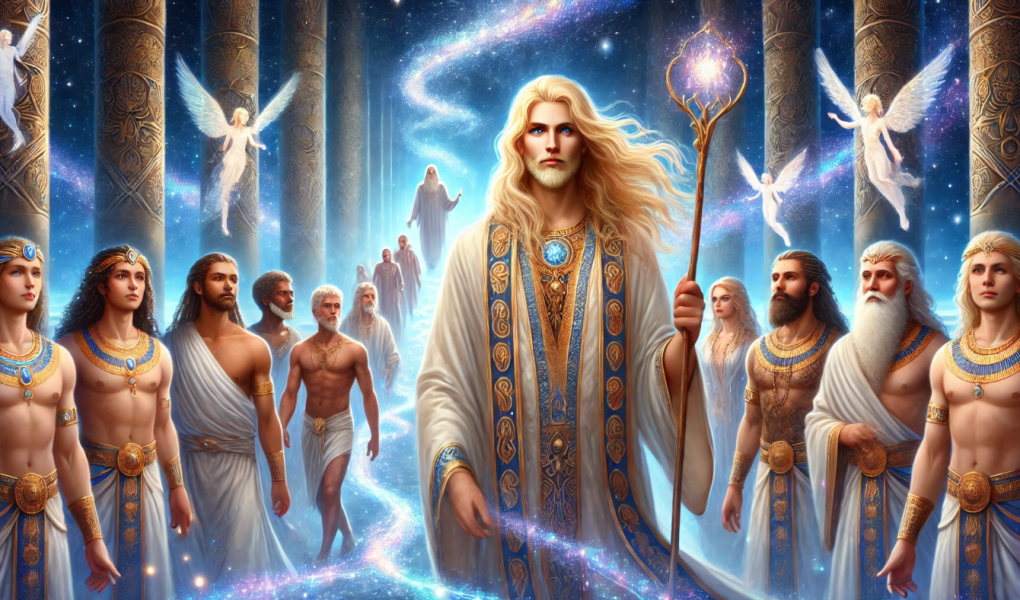
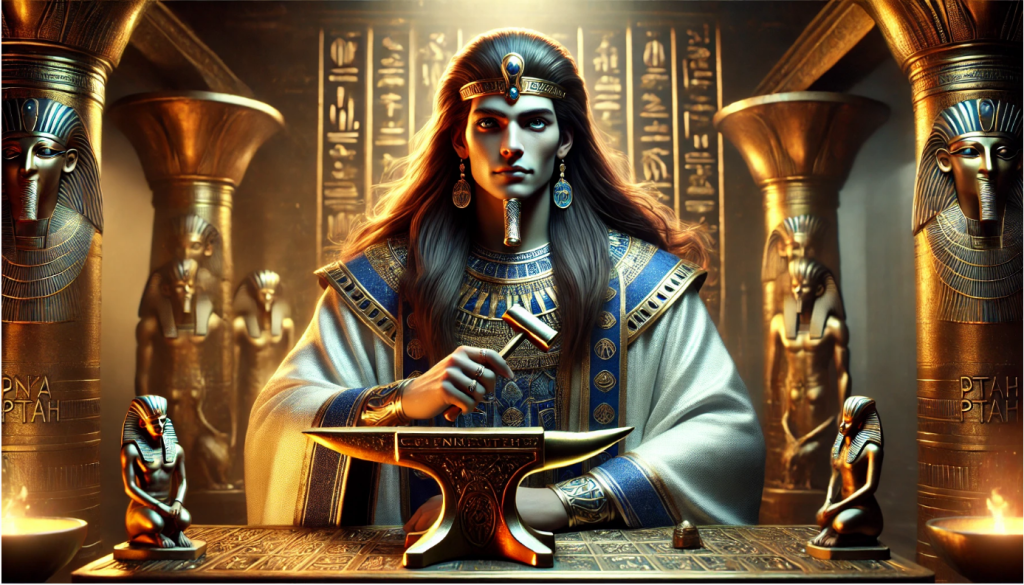
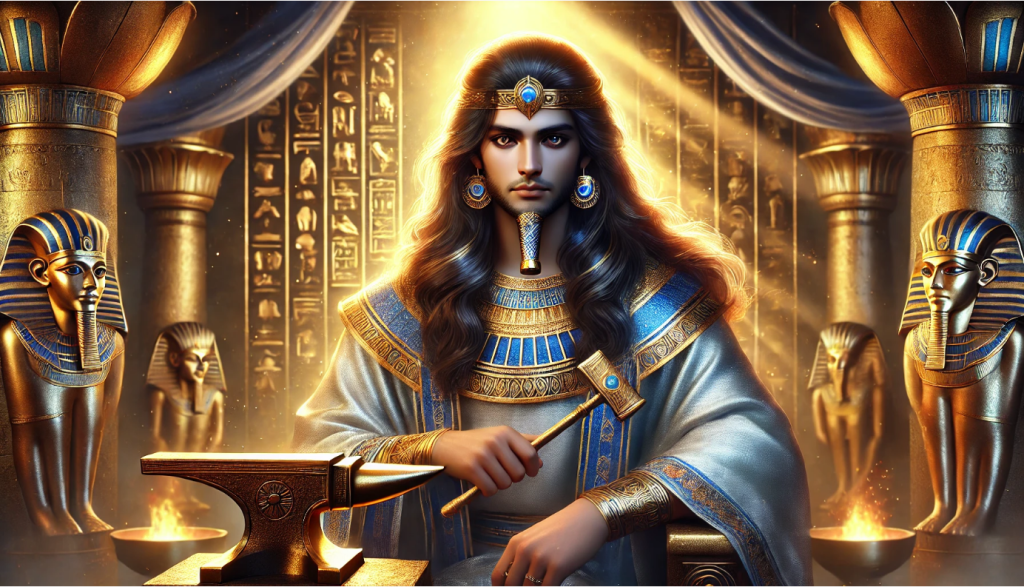
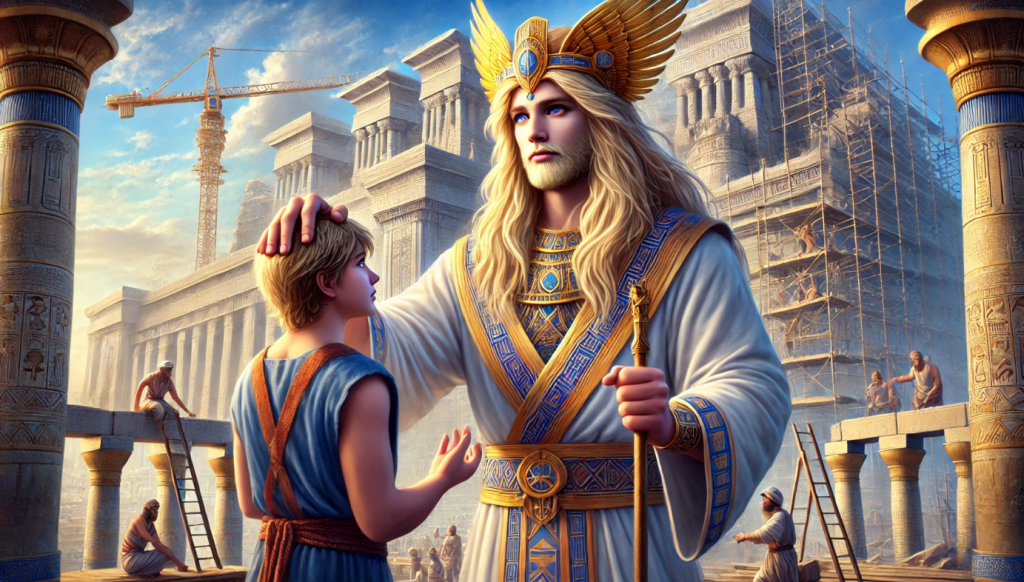
Ptah illustrates his hands-on role as a craftsman and divine architect. Let me know how you feel about this image, and I’ll proceed with the third one!
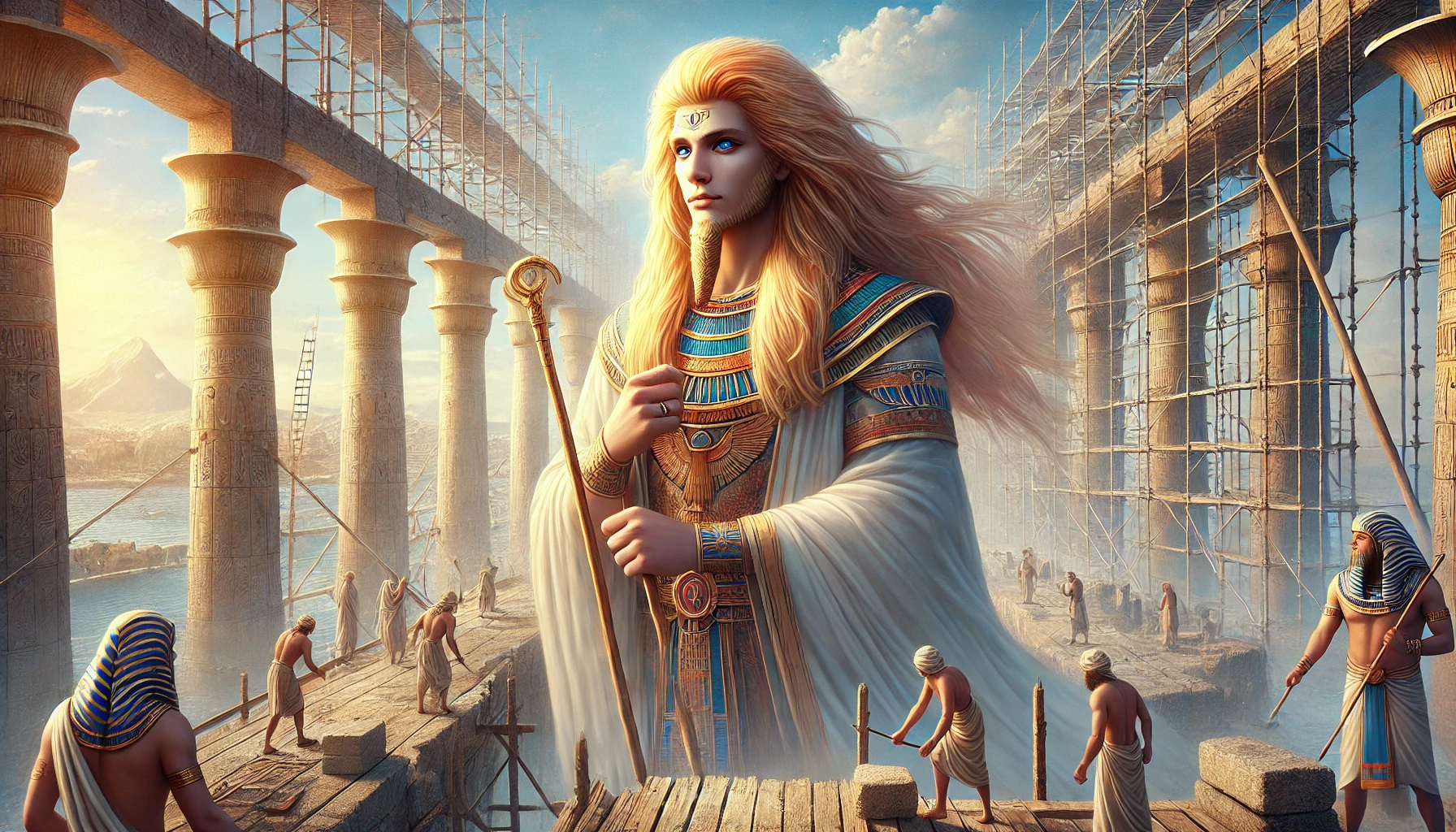
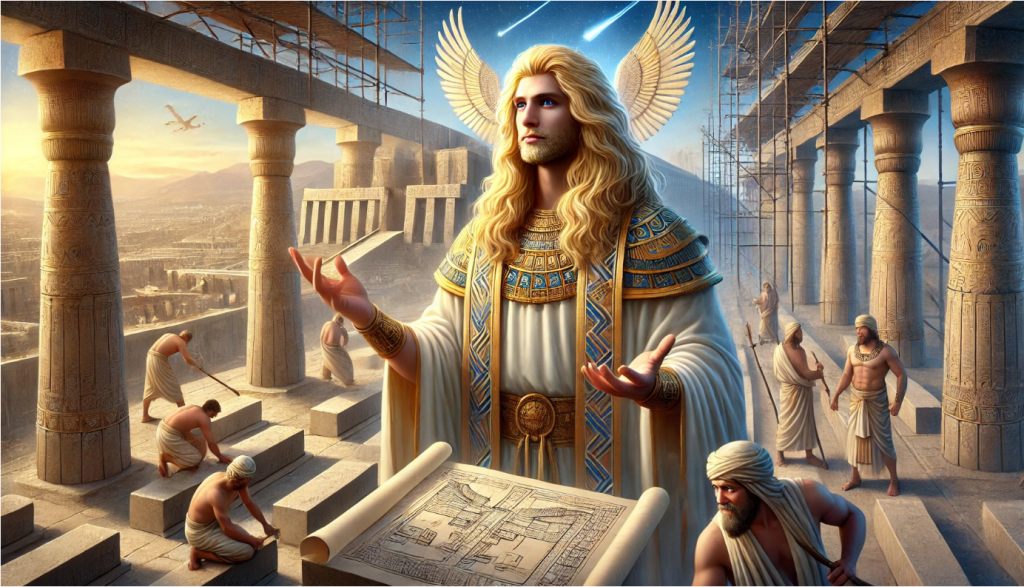
Ptah oversees the construction of a grand temple from a raised platform, symbolizing his role as the master architect and creator of ancient wonders. Let me know your thoughts or if further adjustments are needed!
Stories of Ptah: Narratives of a Divine Architect
Ptah is not just a creator; his myths and stories embody profound lessons about the power of thought, speech, and design in shaping the world. Below are some of the key narratives associated with Ptah:
The Creation of the Universe
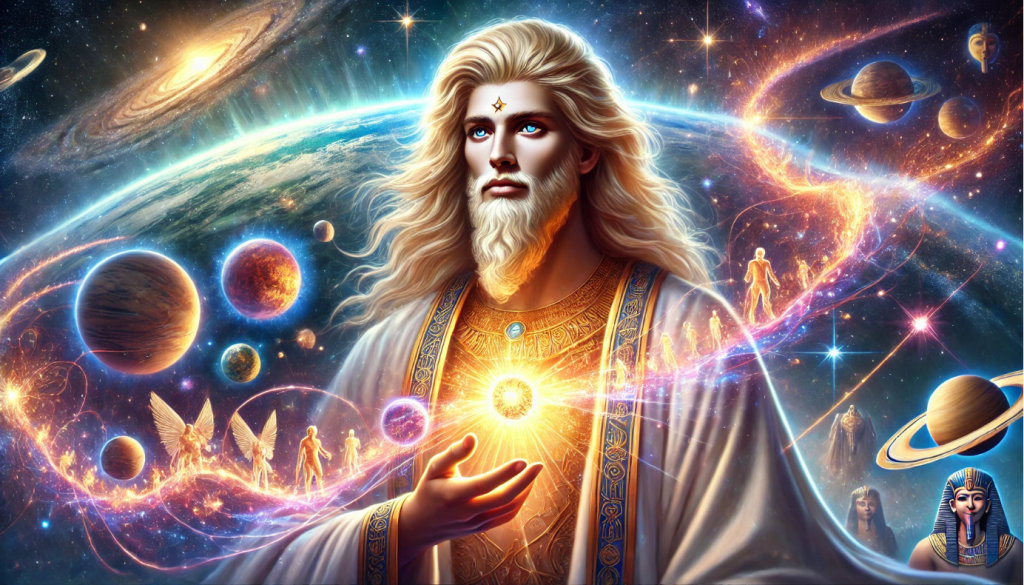
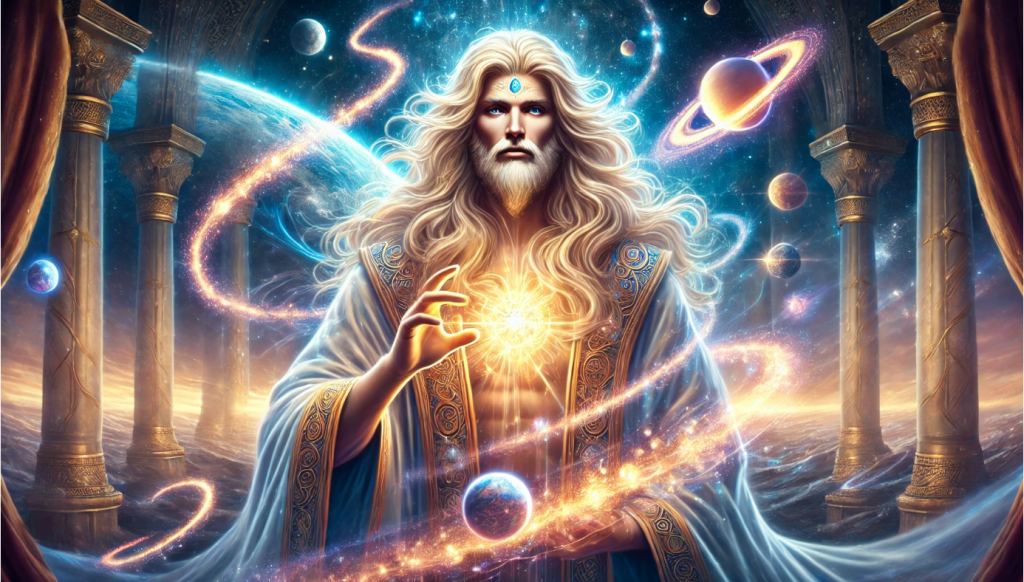
Ptah’s most celebrated myth centers on his role in creating the universe. Unlike other gods who used physical force or battle, Ptah created the world through the power of his mind and speech. According to ancient Egyptian beliefs, Ptah first conceived everything in his heart (considered the center of thought in Egyptian philosophy) and then spoke it into existence. This aligns with Enki’s role as a visionary creator and innovator in Sumerian mythology, showing their shared ability to design and manifest reality.
Builder of Monuments and Harmony
Ptah was revered as the divine architect responsible for designing the cosmos’ structure, society’s order, and the grandeur of temples and cities. In Memphis, Egypt, where his cult was centered, Ptah was credited with the design and construction of the town itself. Every artisan and craftsman was believed to work under his divine guidance, ensuring their creations reflected cosmic order and harmony.
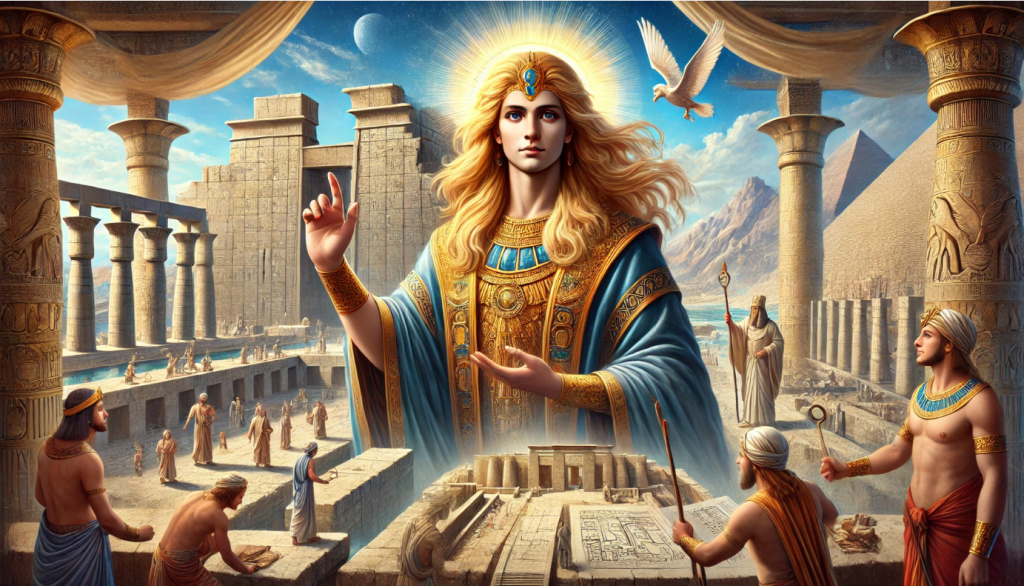
A notable story tells of Ptah guiding the construction of the great temple at Memphis, where he worked alongside his son Imhotep, another legendary architect and healer. Together, they symbolized the unification of divine wisdom and human ingenuity, ensuring the temple became a beacon of balance and spiritual elevation.
Protector of Craftsmen
Ptah’s role extended beyond creation to protection. He was known as the guardian of all craftsmen and builders, providing them inspiration, skill, and safety. It was said that before embarking on any major construction project, offerings were made to Ptah, ensuring the success and harmony of the endeavor.
Architect of the Afterlife
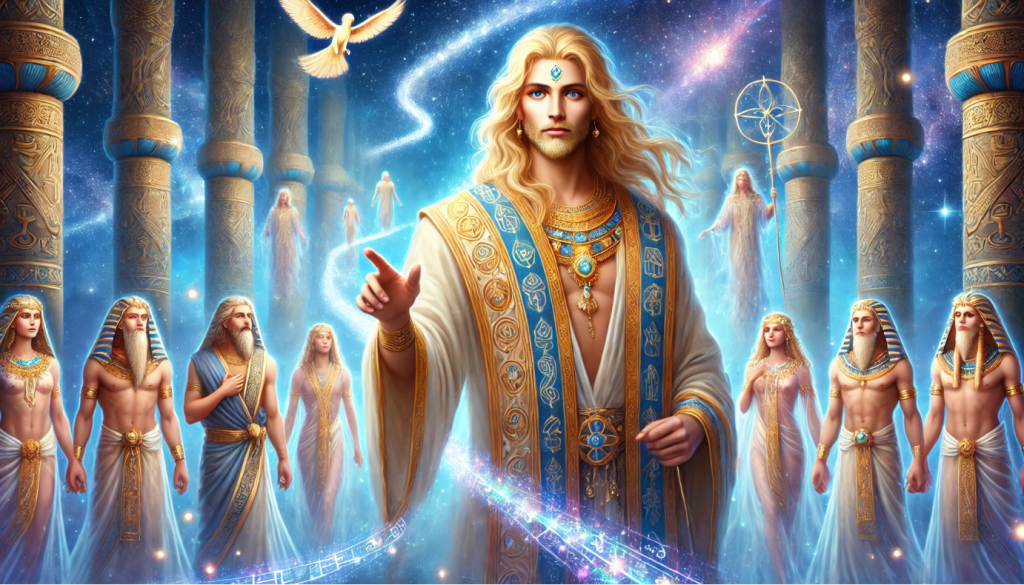
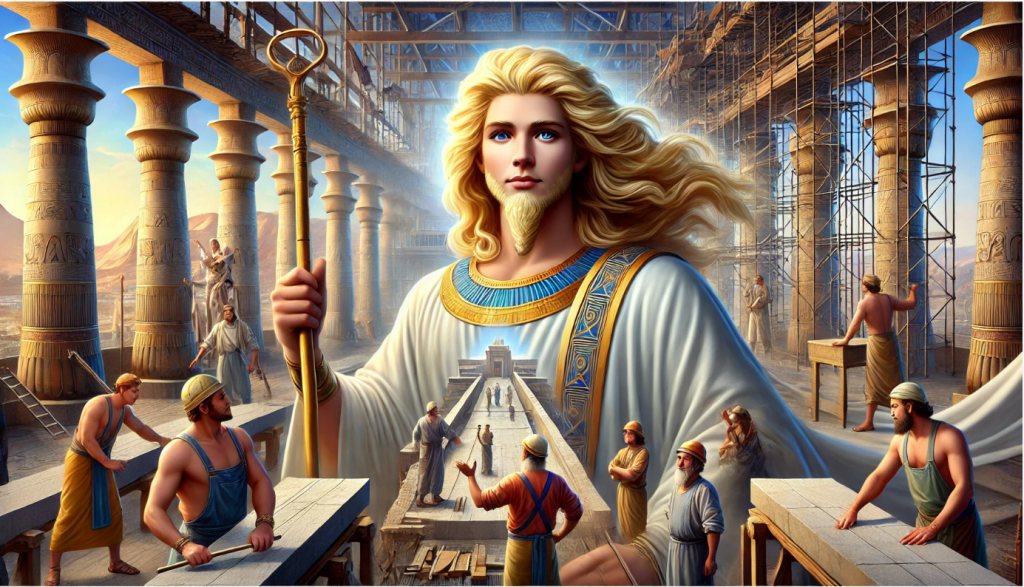
Ptah’s influence was not limited to the living world; he also played a role in the afterlife. As the divine architect, he was believed to have designed the underworld and its pathways, ensuring that souls could transition smoothly. Temples dedicated to him often included intricate carvings and designs thought to guide souls safely through the afterlife, reflecting his eternal influence on all realms of existence.
Parallels with Other Emanations
Ptah’s methods and characteristics closely align with other emanations of Enki, such as Hephaestus in Greek mythology, who was also a divine craftsman, and Vulcan in Roman culture. All embody the idea of creation through intellect, skill, and artistry, emphasizing the sacred aspect of craftsmanship.
Shared Characteristics Between Ptah and Enki
Divine Creation Through Thought and Speech
Both Ptah and Enki are celebrated as creators who use intellect and ingenuity rather than brute force. Ptah conceives the universe in his heart and speaks it into existence, while Enki uses his scientific knowledge and wisdom to shape humanity and the world.
The Creation of the Universe
Ptah’s most celebrated myth centers on his role in creating the universe. Unlike other gods who used physical force or battle, Ptah created the world through the power of his mind and speech. According to ancient Egyptian beliefs, Ptah first conceived all that exists in his heart – (considered the center of thought in Egyptian philosophy) and then spoke it into existence. This aligns with Enki’s role as a visionary creator and innovator in Sumerian mythology, showing their shared ability to design and manifest reality.
Mastery of Water and Fertility
Ptah, like Enki, is associated with the life-giving aspects of water. Both deities are connected to the sustenance of civilizations, ensuring the survival and growth of humanity through their nurturing roles.

Craftsmanship and Innovation
Both Ptah and Enki are revered for their technical and creative skills. Enki, as the master scientist, and Ptah, the divine architect, share a profound dedication to building, innovation, and advancing human knowledge.
Protection of Humanity
Ptah safeguards artisans and craftsmen, ensuring their success and safety, while Enki protects humanity from disasters, such as warnings about the Great Flood. Their roles emphasize a nurturing and paternal relationship with humanity.
Guidance in the Afterlife
Ptah designs pathways for souls in the afterlife, while Enki’s knowledge of the cosmos aids humanity in understanding life’s more profound mysteries. Both offer continuity and harmony beyond the physical world.