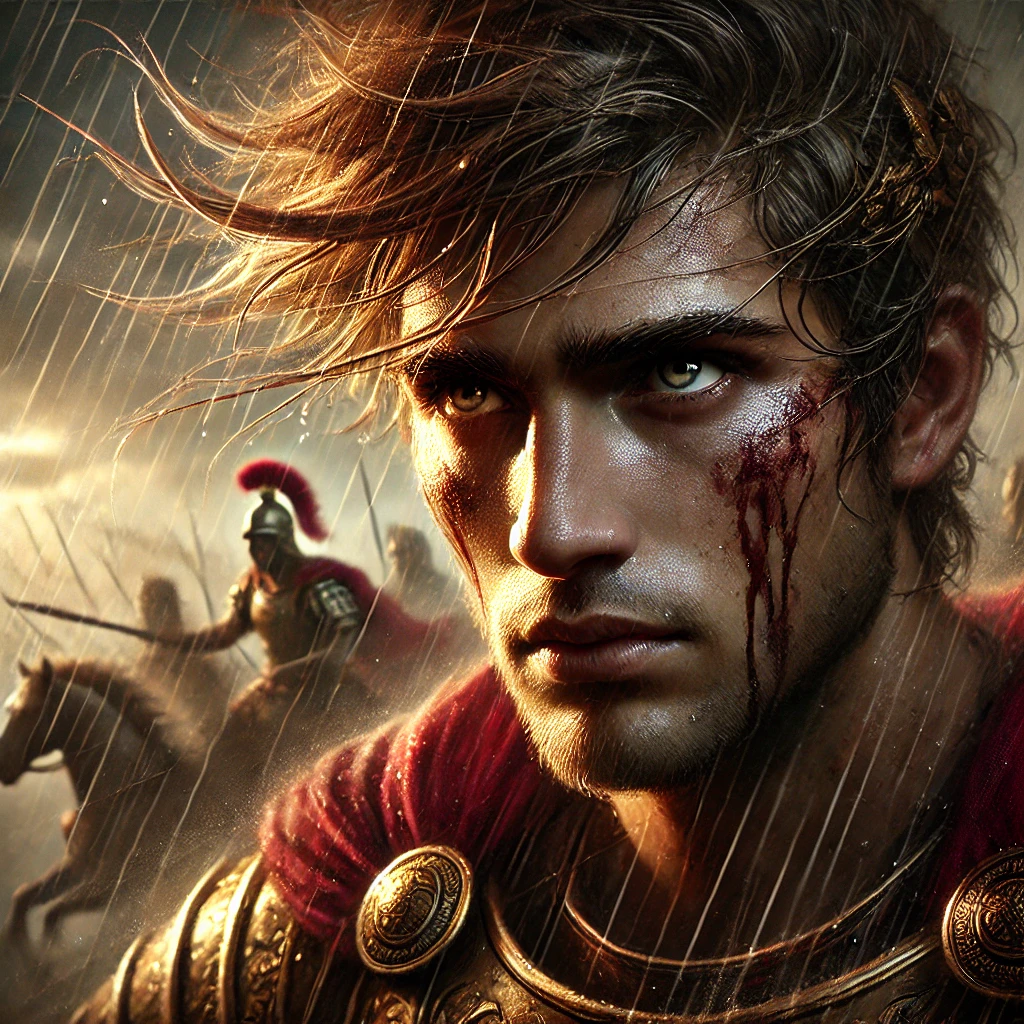
ALEXANDER THE GREAT KILLER Alexander charges into battle atop a mighty warhorse, leading his cavalry through fire and smoke. His golden helmet gleams as his intense gaze and raised spear embody the ruthless drive to conquer—a legacy of war passed down from the Anunnaki.
ALEXANDER, the Great Killer, personifies the “Kill to Rule” propensity of the Anunnaki that modern humans still embrace. 📺 This is a VIDEO — click the word “GREAT” to start the show: 👉 https://youtu.be/rhNO-dJNhWQ
ALEXANDER, the Great Killer
Personifies the “Kill to Rule” propensity of the Anunnaki that modern humans still embrace 📖 Please read all about him, see pix & references at: http://wp.me/p1TVCy-2MP
By Sasha Alex Lessin, Ph.D. (Anthropology) Excerpt from MARDUK: ANUNNAKI KING OF EARTH
“Alexander”—that’s what Dad named me. “He was called ‘Alexander the Great.’ Maybe you’ll be great too,” said my Papa.
When I became an anthropologist and studied the historical Alexander of Macedon, I asked, “What was great about him?”
Dad told me, in a sad voice:
“H.G. Wells & other historians considered Alexander of Macedon ‘great’ because HE KILLED THOUSANDS OF PEOPLE, BURNED CITIES, RAPED, PILLAGED & DESTROYED CIVILIZATIONS.”
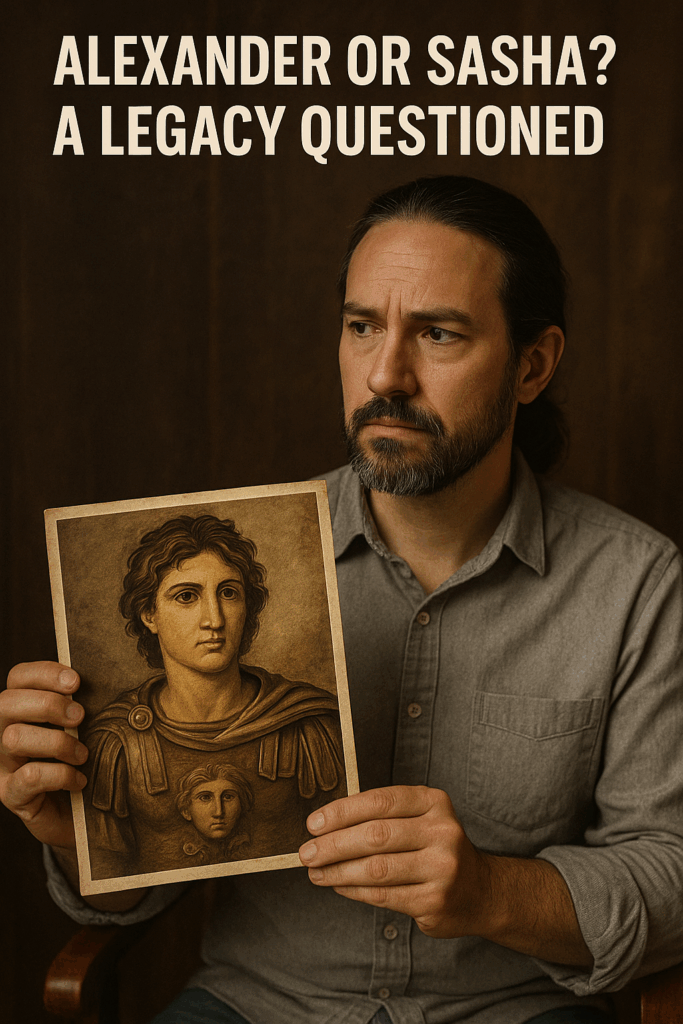
Yes, he was Alexander the Great KILLER. I didn’t want to be “Alexander” anymore because I’m SASHA — a peace activist dedicated to the Peace-on-Earth philosophies of Buddha and Jesus.
THE HISTORIC ALEXANDER
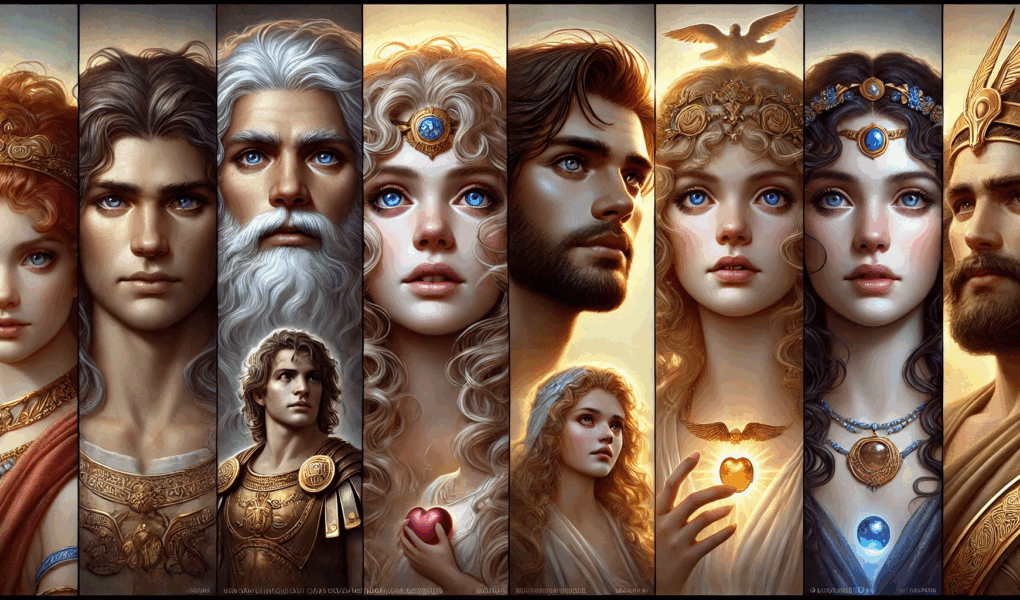
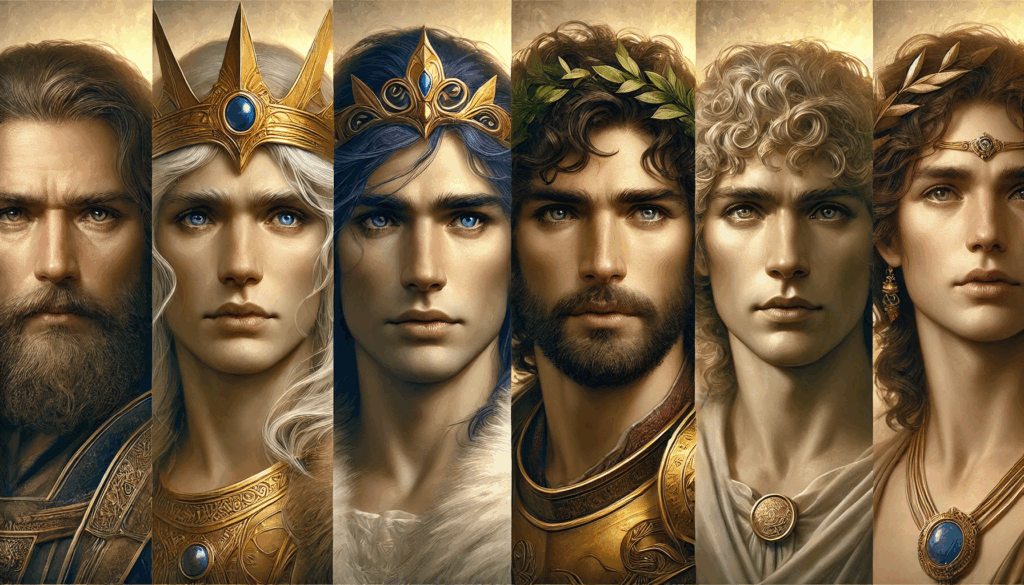
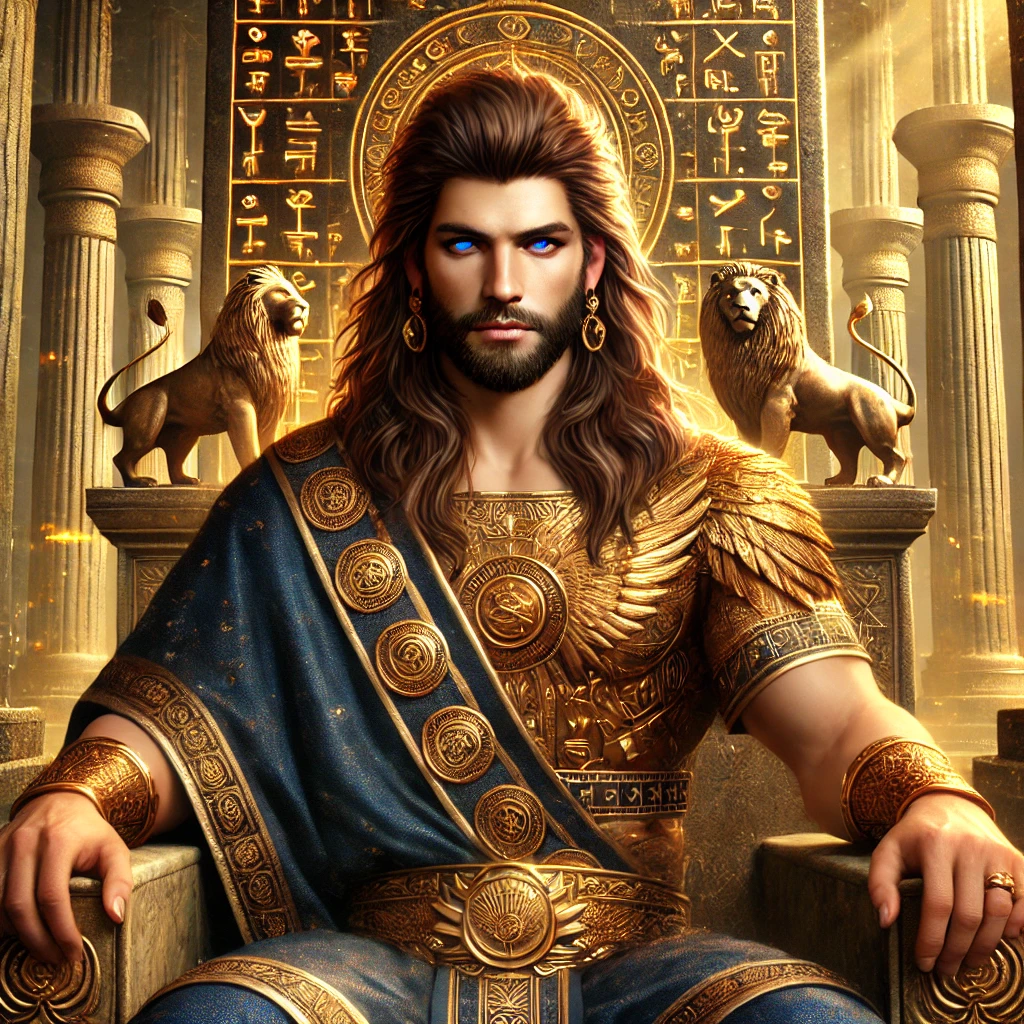
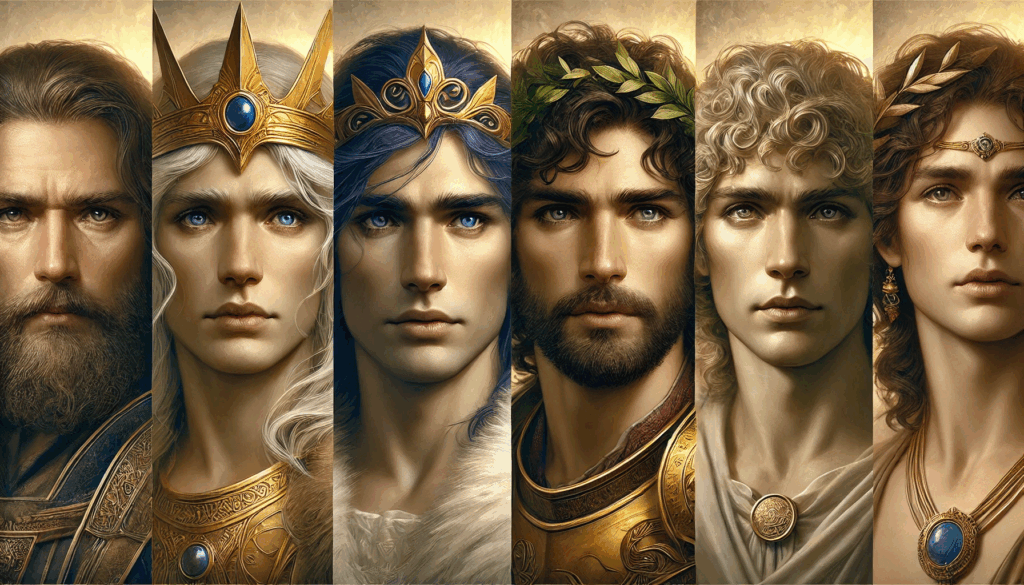
MARDUK: KING OF GODS, MASTER OF DESTINY Seated upon his golden throne, Marduk radiates supreme authority and divine presence. His piercing blue eyes and calm expression speak of ancient wisdom and unwavering command. Clad in richly adorned armor and royal blue robes, he embodies balance between might and order. The lions at his side—symbols of dominance and protection—stand guard as sacred inscriptions and cosmic sigils illuminate his celestial reign. This is the god who shaped the cosmos from chaos, ruling not with brute force, but with visionary power and eternal justice.
Alexander believed his mother’s confession that Anunnaki Prince Marduk/Ra had fathered him. Alexander’s mother, Olympias of Epirus, told Alexander she begat him with Zeus (aka Marduk in Sumer, Ra in Egypt, and Ahura Mazda in Persia).
Alexander finished the slaughter of rivals in Greece and Asia Minor that his putative father, King Philip of Macedonia, began. He consolidated Macedonia’s rule of the Greek archipelago.
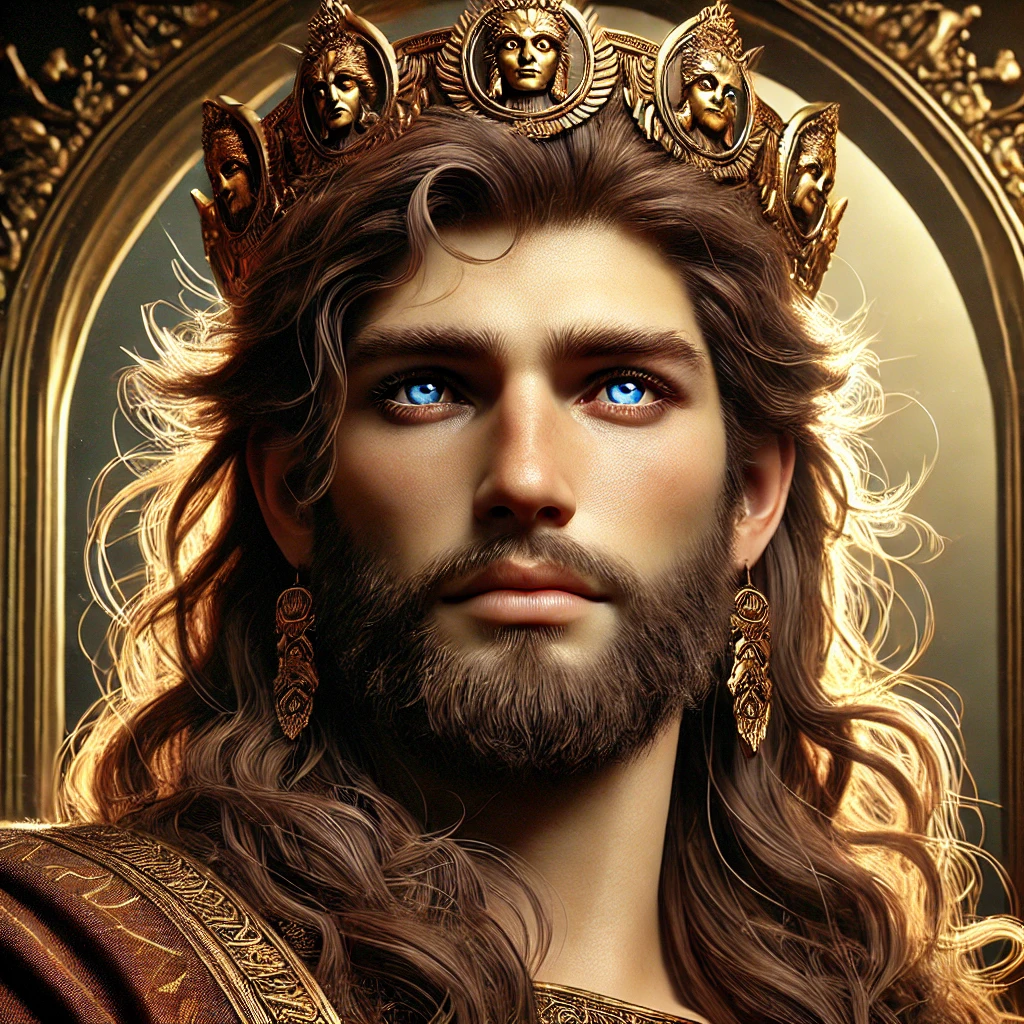
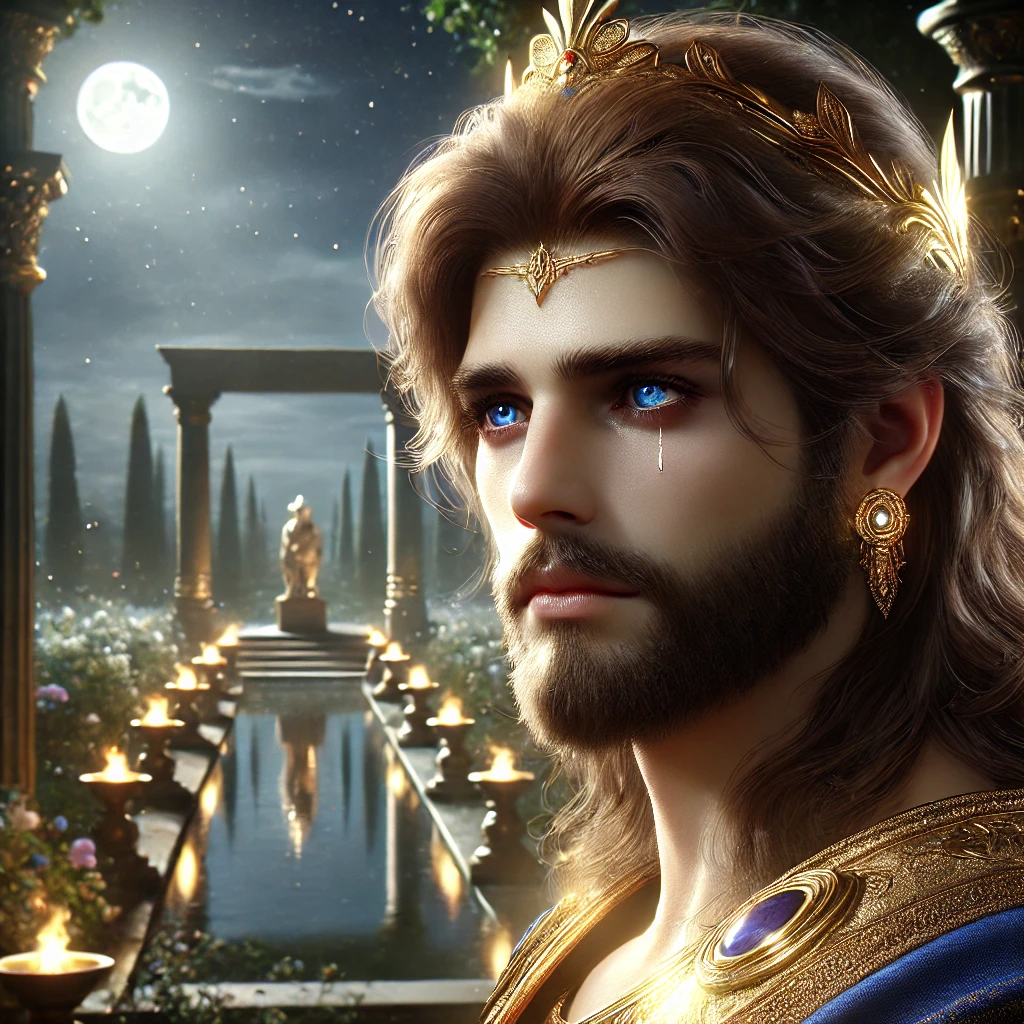
MARDUK: LORD OF BABYLONIAN GLORY This portrait captures Marduk in a moment of serene command. His flowing brown hair and radiant blue eyes symbolize divine vision and clarity. The crown, adorned with Babylonian motifs, speaks to his sovereignty over gods and men. Golden light illuminates his noble features, reflecting both wisdom and quiet power—the unmistakable aura of a creator and king.
Alexander sparked the Macedonian win over the other Greek city-states at Chaeronea, where his cavalry encircled and massacred Thebans who refused to surrender.
Pausanias, one of Philip’s bodyguards who felt Philip had slighted him, killed Philip before the king could beget a new son with a pure Macedonian wife (Cleopatra) who would displace Alexander in the line of succession.
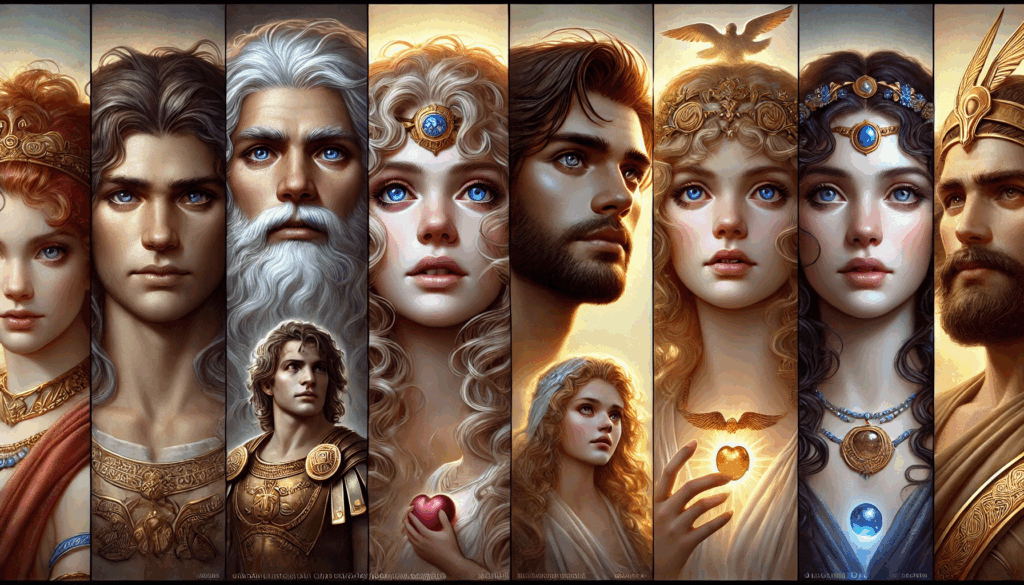
MARDUK & OLYMPIAS: THE DIVINE UNION OF EAST AND WEST In this radiant scene, Marduk, the celestial king of Babylon, walks beside Olympias, an embodiment of Greco-Macedonian elegance and divine femininity. Draped in golden robes and adorned with royal jewels, she glows with strength and allure. Marduk’s protective gaze reflects reverence, not just for her beauty, but for the cosmic balance she represents. Together, they symbolize a powerful convergence of empires, pantheons, and destinies—walking as equals between the pillars of eternity.
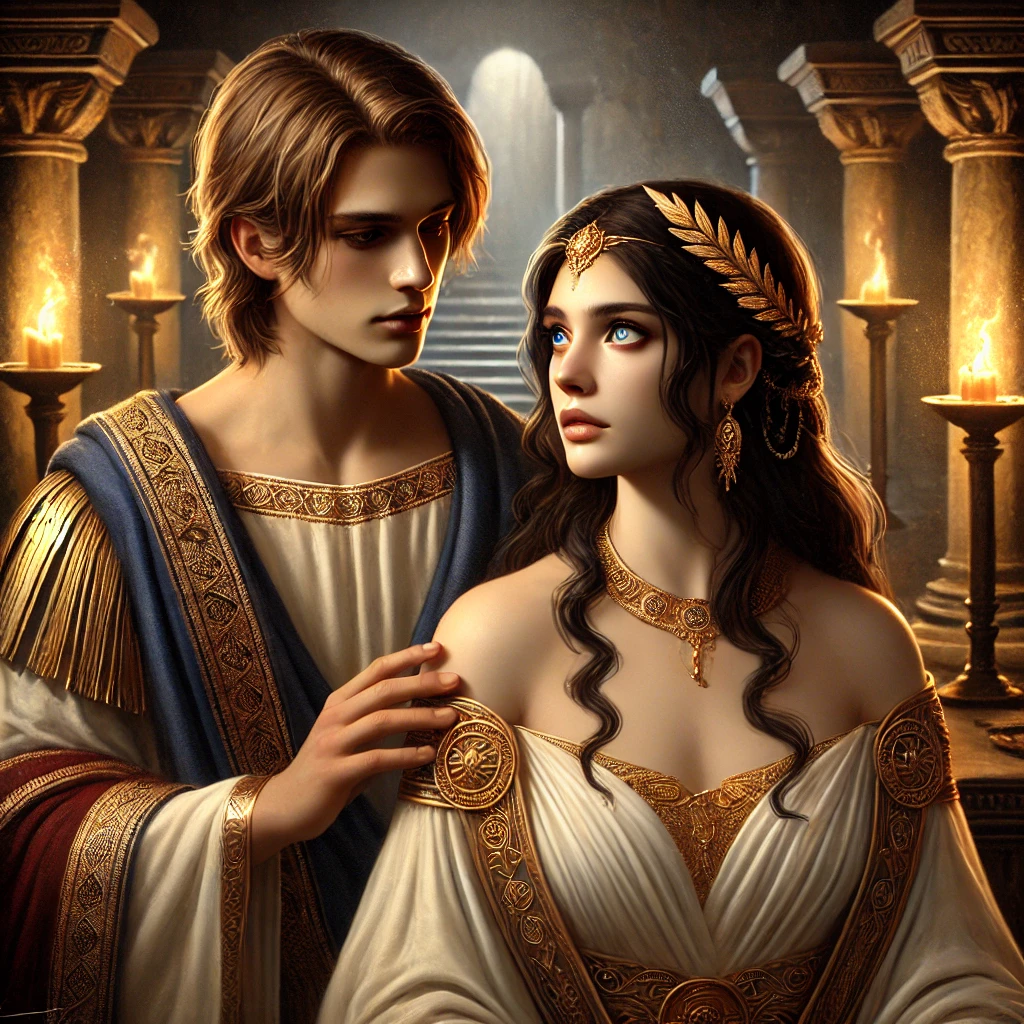
MARDUK & OLYMPIAS: WHEN TITANS FALL IN LOVE Bathed in golden light within an ancient temple, Marduk and Olympias stand face to face—his divine armor catching the glow, her ethereal gown whispering against the marble floor. Her dark curls and golden adornments shimmer with grace, while his eyes soften in reverence. This moment captures not only romance, but awe: a god known for dominion and judgment now captivated by the strength and mystery of a mortal queen. Together, they are myth and magnetism—eternal and unforgettable.
Alexander had no part in the killing of his father. Philip’s other bodyguards caught Pausanias and slew him.
Alexander took Macedonia’s throne.
Later, Alexander heard his mother, Olympias, say,
“I begat Alexander with Zeus [aka Ra/Marduk/Ahura Mazda].”
THE PROMISE WITHIN Bathed in golden light beneath ancient arches, Olympias cradles the life stirring within her. Her gown flows like time itself, embroidered with destiny, her hands resting gently on the future. In her stillness, there is prophecy. In her silence, the world waits—for the child who will one day shake empires and whisper to gods.
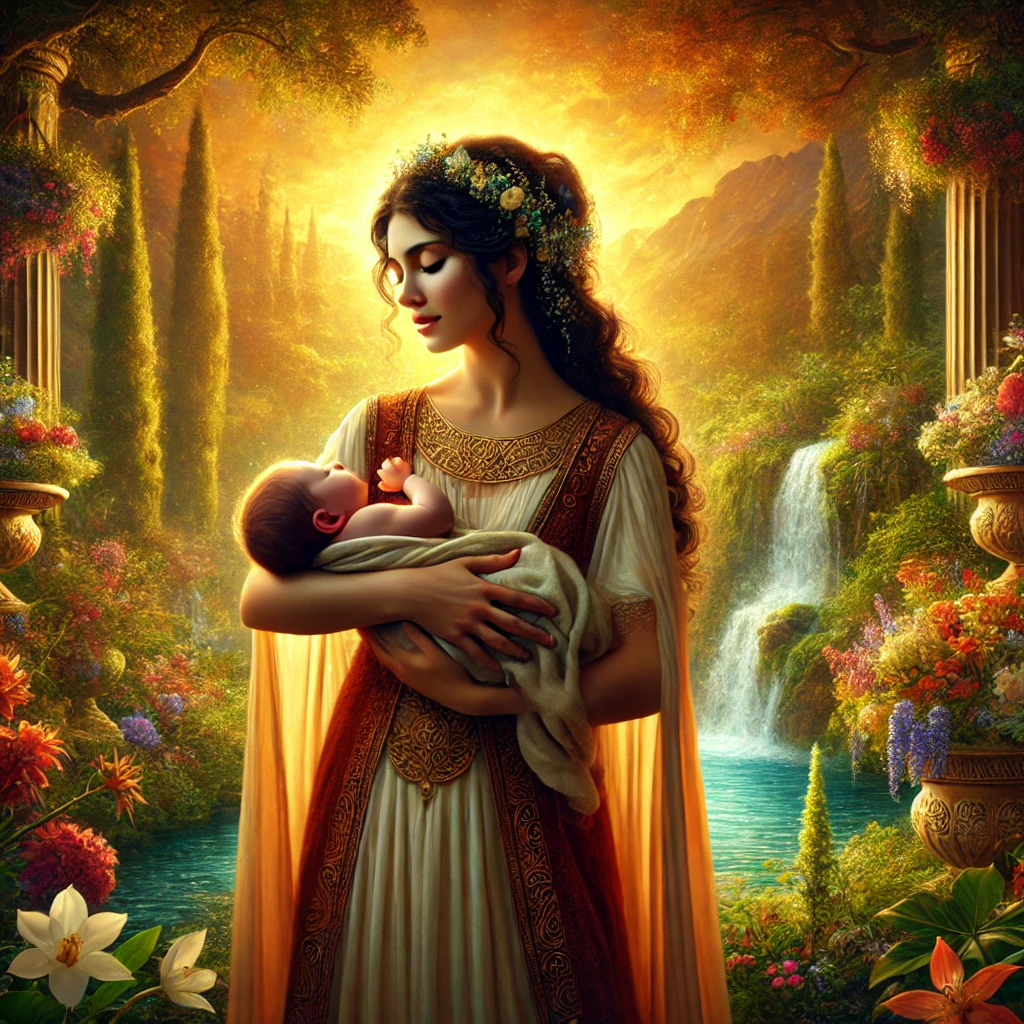
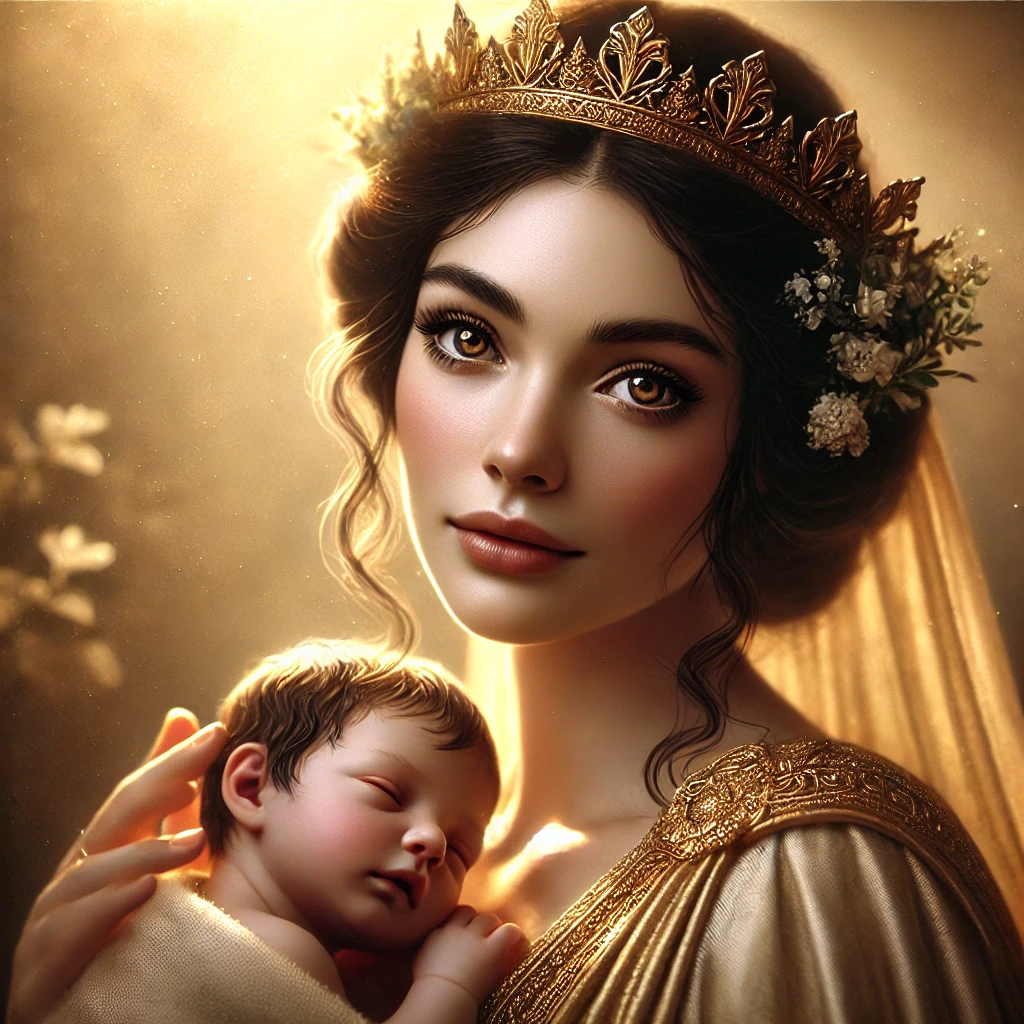
MORNING OF THE GOLDEN CHILD Bathed in the light of dawn, Olympias cradles her newborn son in a garden where heaven and earth meet. Her gaze is soft, her strength unshaken, surrounded by waterfalls, blossoms, and the hush of divine peace. The child stirs in her arms, wrapped in warmth and prophecy. No gods walk here now—only a mother and her son, alive in a world that blooms just for them. In this sacred stillness, destiny begins not with thunder, but with a breath, a bloom, a bond.
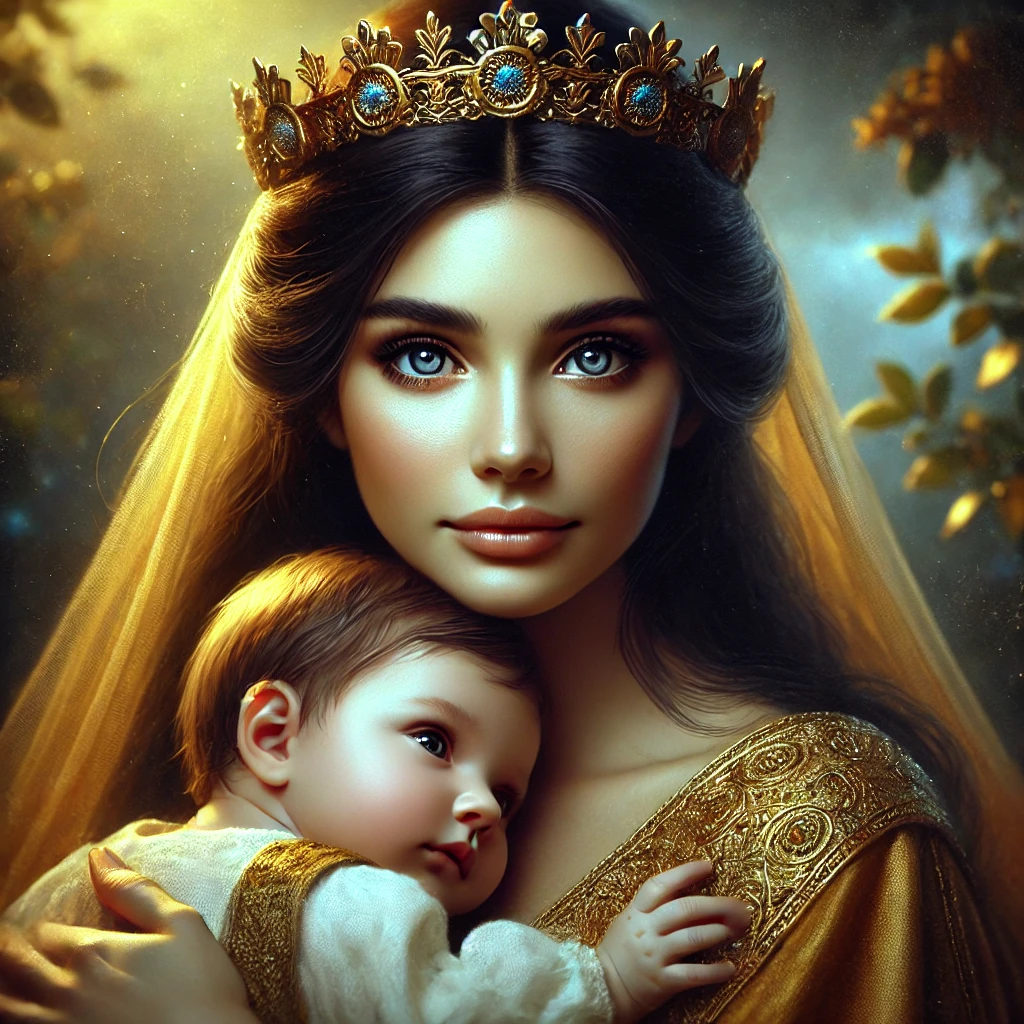
THE QUEEN AND HER PROMISED SON In the hush between stars and prophecy, Olympias holds her child close to her heart. Her crown gleams not just with jewels, but with the weight of destiny. Blue eyes unshaken, she gazes forward—not with fear, but with knowing. Wrapped in golden robes, the infant Alexander rests safely against her, his tiny hand already reaching for a world that will one day know his name. In this quiet, radiant moment, the future cradles the future.
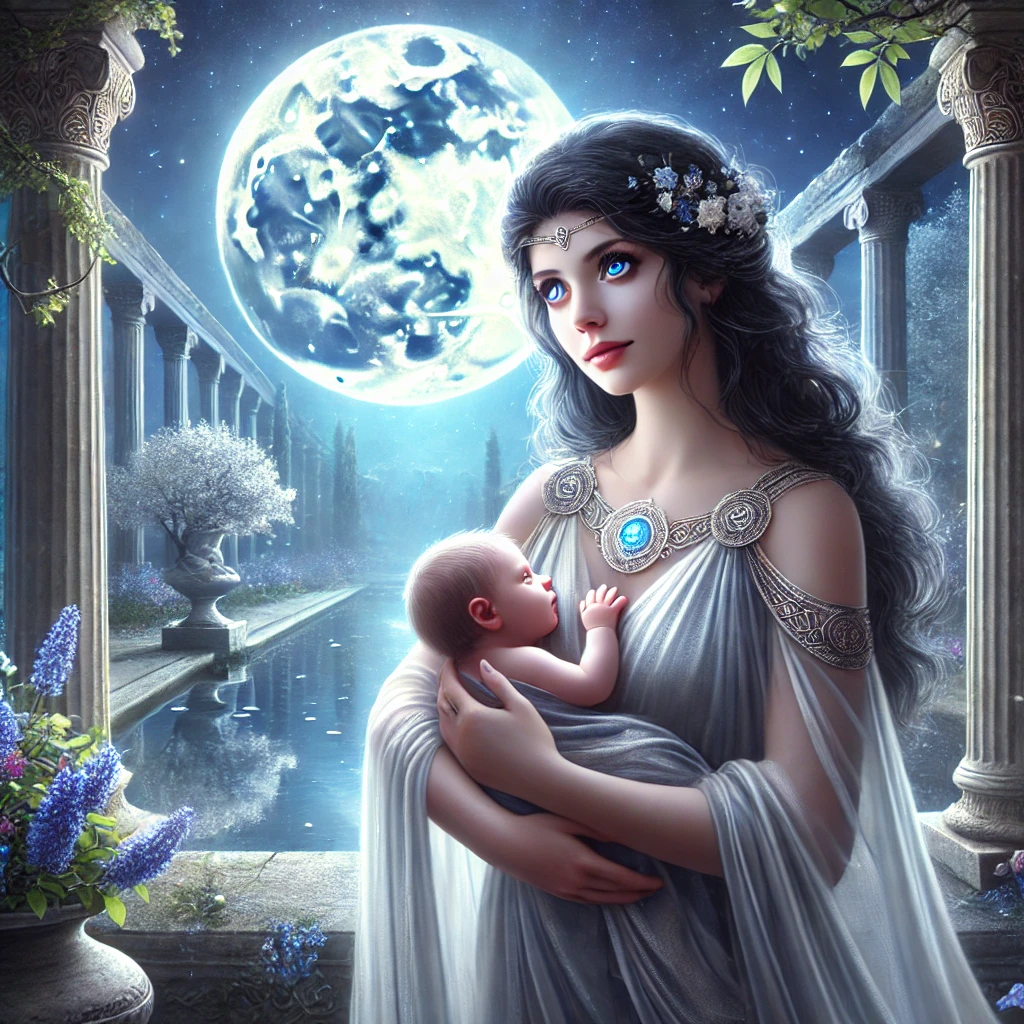
OLYMPIAS AND ALEXANDER: BENEATH THE MOON’S BLESSING Bathed in silvery moonlight, Olympias cradles her newborn son beneath a sky filled with stars and destiny. The garden glows around her—flowers blooming in the quiet of night, water shimmering like ancient glass. Her blue eyes are soft with devotion, her arms a cradle of strength and warmth. In this moment, all is still, as if nature itself holds its breath in reverence of a future king born under divine watch.
THE SACRED NIGHT OF MOTHERHOOD A goddess in grace, Olympias stands alone yet empowered beneath the full moon’s embrace. Draped in silver and white, she glows like the moon itself, a beacon of maternal love and purpose. The reflecting pool mirrors the stars above, as she gazes down at her son, his tiny form nestled close, his blue eyes matching hers—a silent promise between mother and child that greatness stirs in their bond.
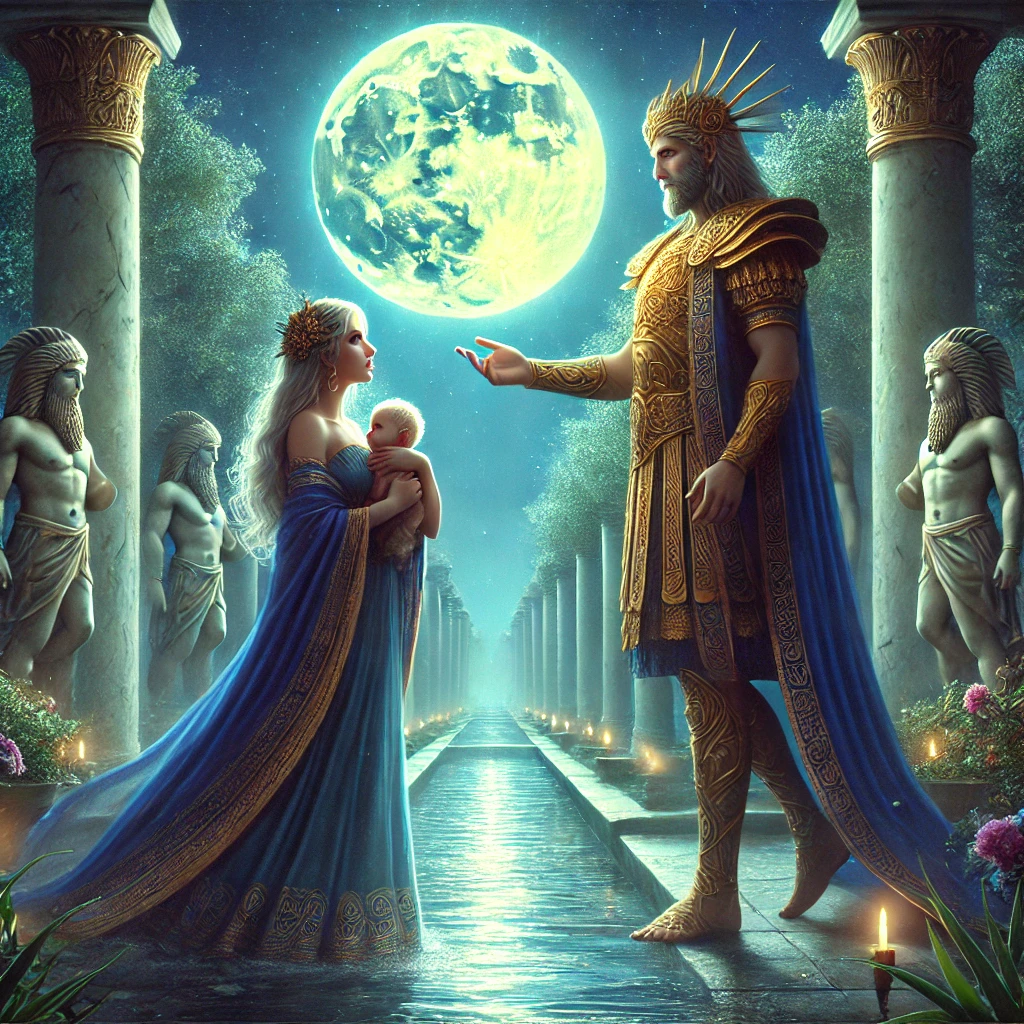
THE ARRIVAL OF THE GOD-KING Beneath the gaze of the full moon, Marduk steps into the garden’s hush—his golden robes glowing like firelight against the silvered marble. Olympias stands still, child in arms, a figure of grace and strength. Between them, the garden breathes—a sacred space about to witness the first meeting between a god and his mortal heir—the divine approaches not with thunder, but with humility.
BETWEEN WORLDS: THE FATHER RETURNS From between columns of stone and blossoms, Marduk emerges, cloaked in royal dusk and light. His eyes are fixed on Olympias and the child she bears—his child. She does not move, but the garden seems to open, to bloom, in response to his presence. The moon illuminates every leaf and ripple of water as gods and mortals prepare to meet in quiet awe.
THE GIFT OF DESTINY In the stillness of the moonlit garden, Olympias lifts her child toward Marduk—her hands steady, her gaze unwavering. The god, radiant in celestial armor and gold, receives his son with reverent awe. The garden glows not from moonlight alone, but from the sacredness of this moment: the passing of a legacy from mortal love to divine purpose.
A SACRED EXCHANGE She gives without fear. Olympias, cloaked in silver grace, offers her newborn to the god who walks between stars. Marduk bends slightly, not as a conqueror, but as a father receiving a gift beyond measure. Around them, nature watches in hushed reverence, the moonlit pool holding their reflection like prophecy written in water.
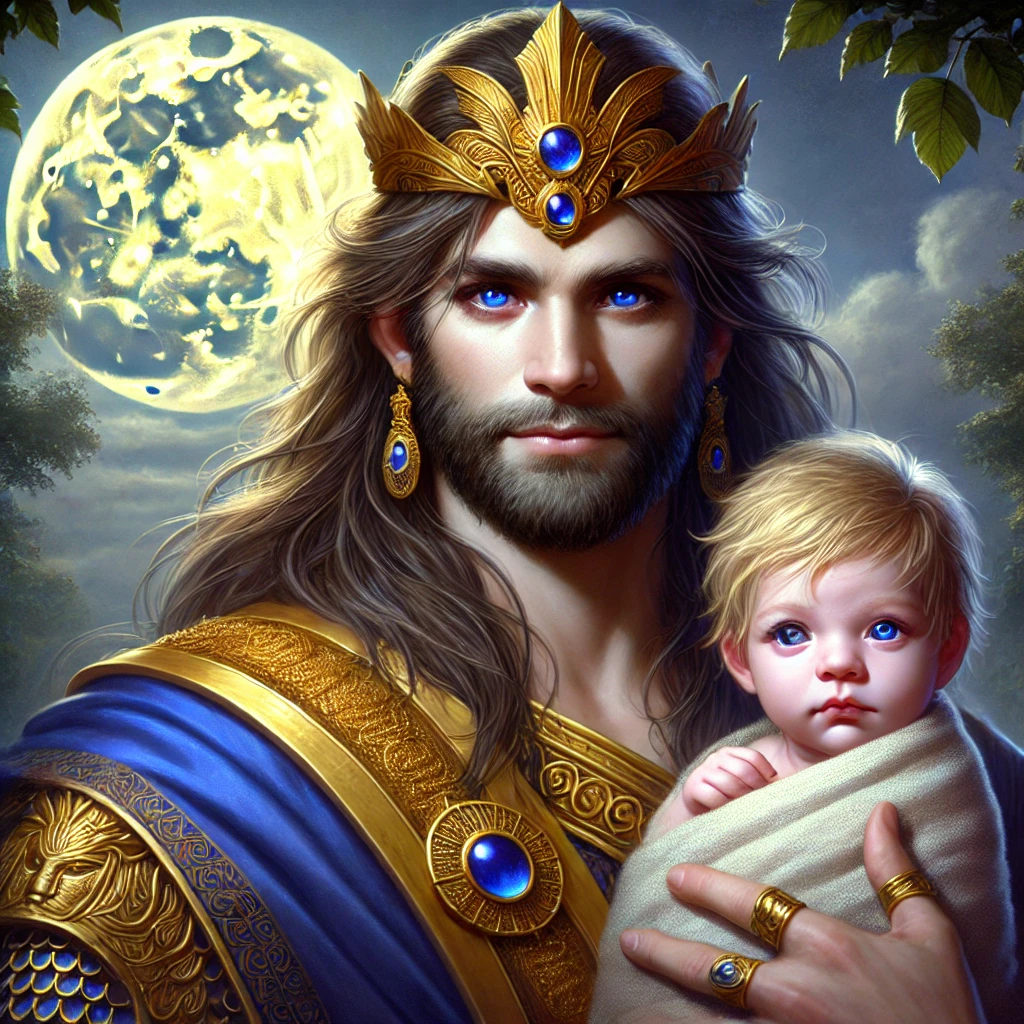
HEIR OF HEAVEN, SON OF EARTH Marduk holds his child with quiet pride, his piercing blue eyes locked with yours. In his arms rests Alexander, serene and glowing, blue eyes wide in innocent wonder. Beneath a sky of stars and prophecy, god and infant become one image of legacy, power, and the bond that shapes empires—a moment caught between the eternal and the now.
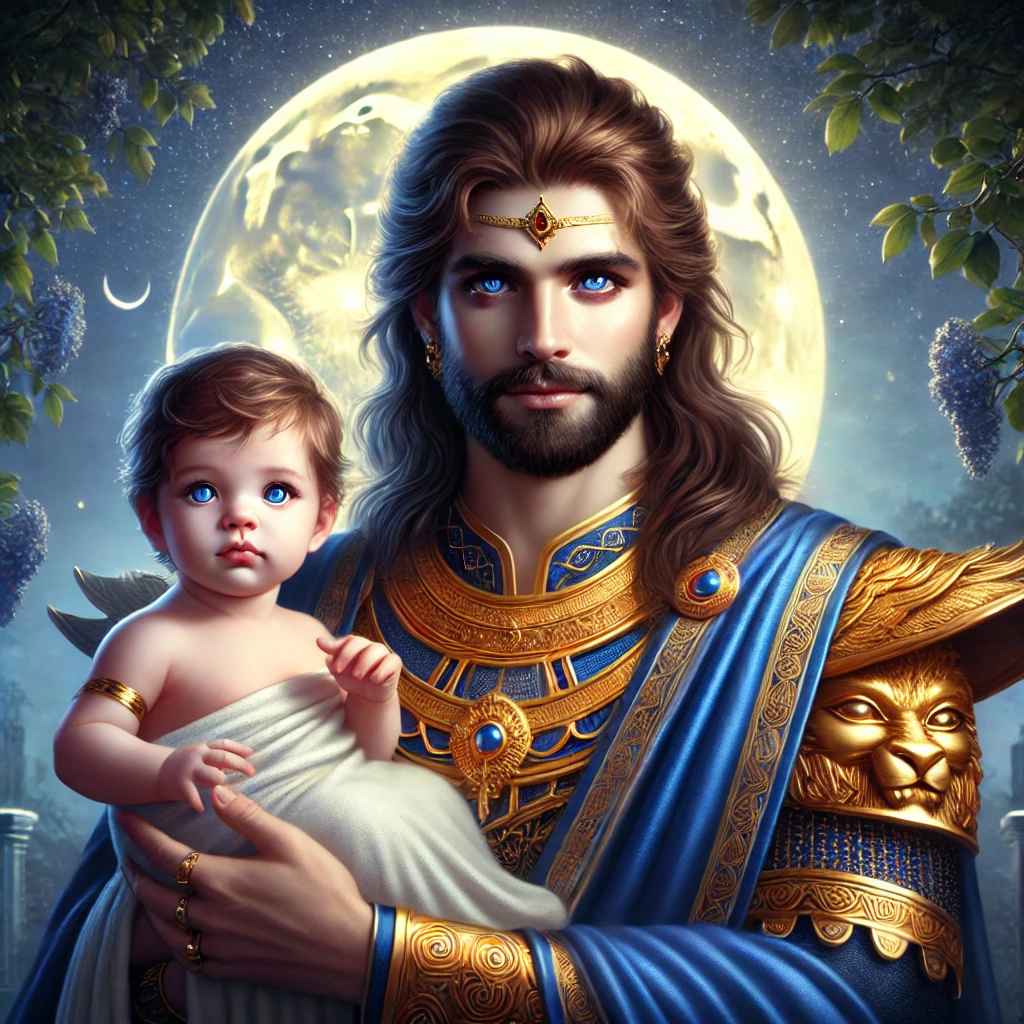
THE GAZE OF DESTINY In the hush of the moonlit garden, Marduk cradles Alexander close, their shared gaze unflinching and calm. The god’s presence radiates command, yet his hold is gentle. The child mirrors his father’s light, tiny but radiant with potential. Together, they meet the viewer’s eye, not as strangers, but as a beginning written in stars.
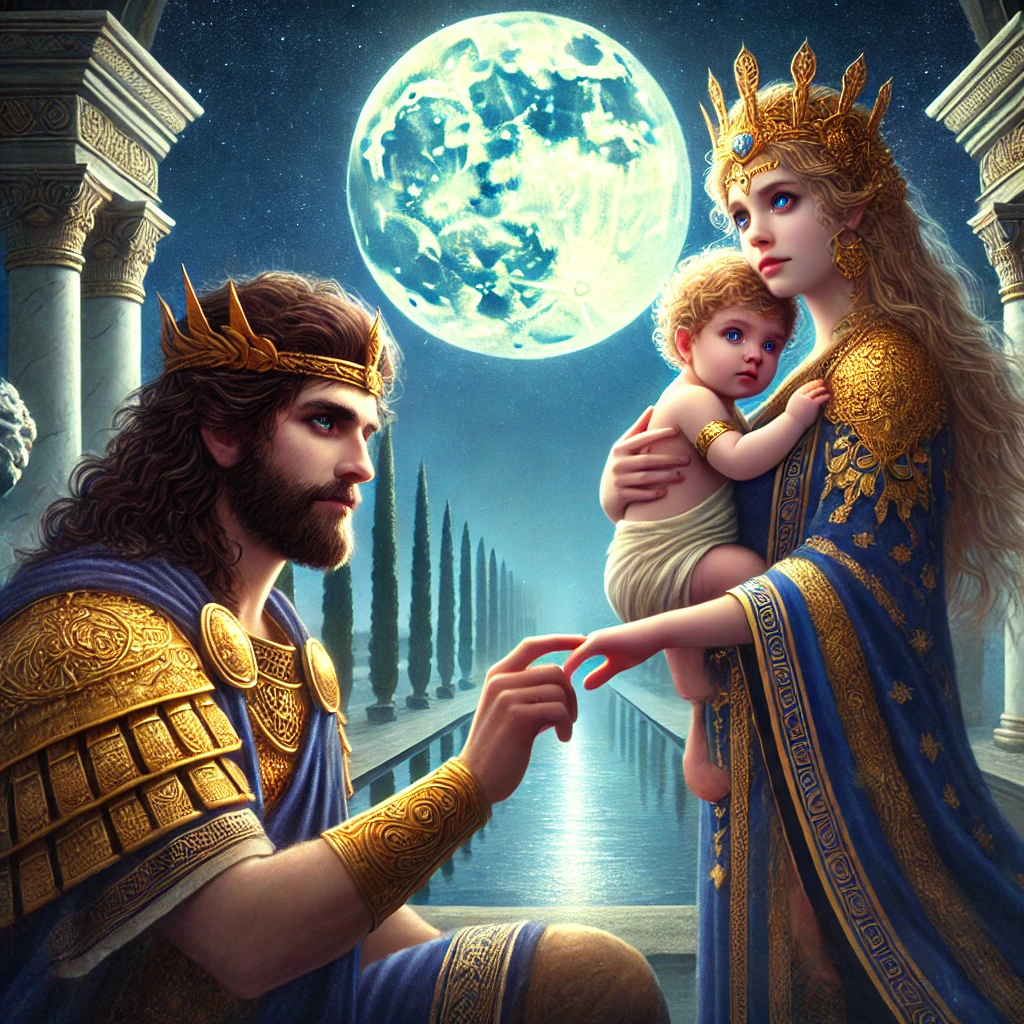
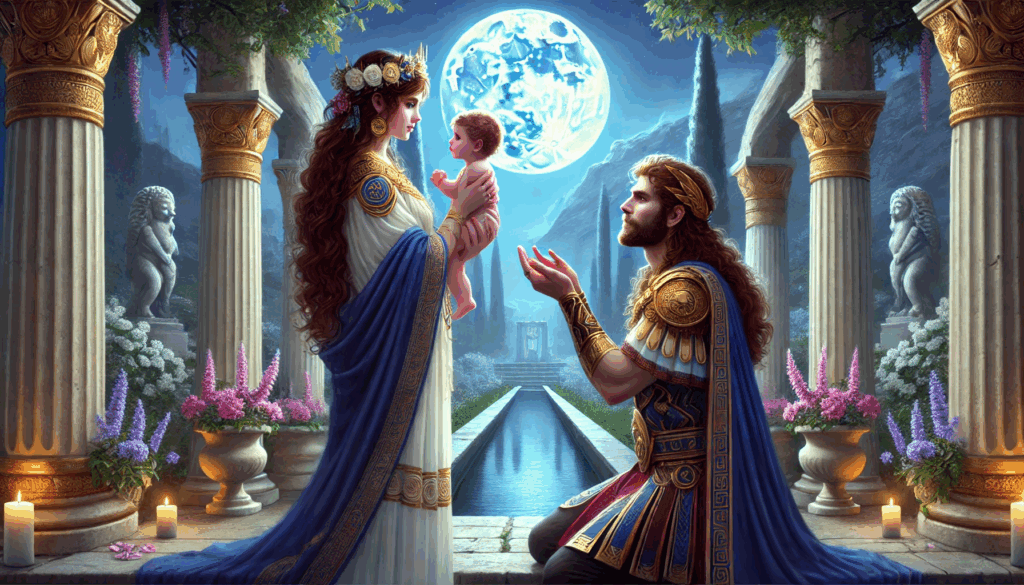
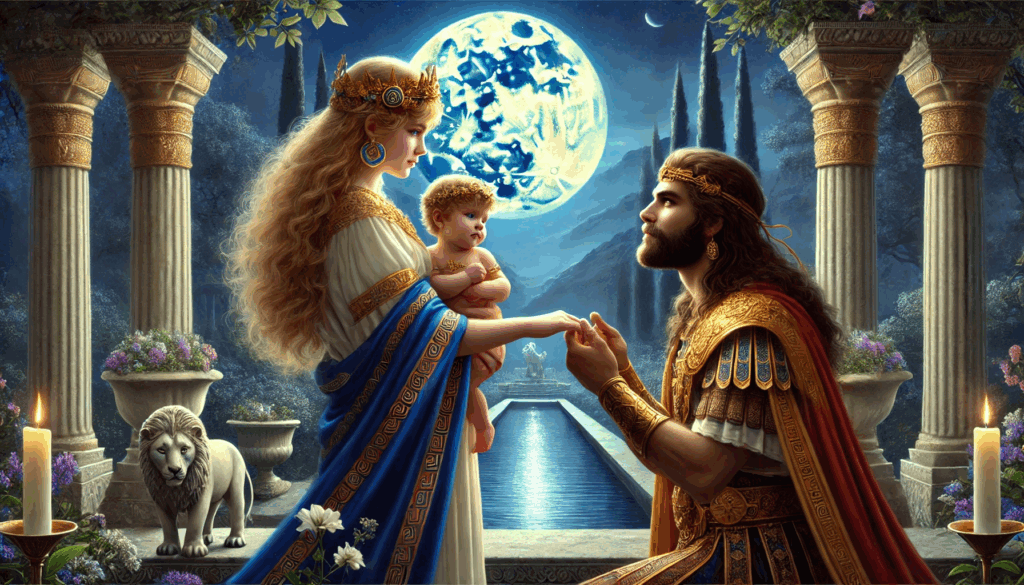
THE GOD BOWS TO MOTHERHOOD In the moonlit stillness of the sacred garden, Marduk kneels, king of gods, yet humble before the one who holds his son. He kisses Olympias’s hand, not as ruler, but as a father bidding farewell. She stands composed, aglow in silver, child in arms, embodying the strength of both worlds. Around them, the garden holds its breath as fate quietly shifts.
THE FAREWELL OF STARS AND BLOOD Wrapped in divine silence, Marduk bows low before Olympias, his eyes filled with solemn trust. She accepts his parting gesture, a mother now charged with raising a child who carries heaven in his blood. Their final moment glows with peace and gravity, a sacred promise exchanged beneath the stars.
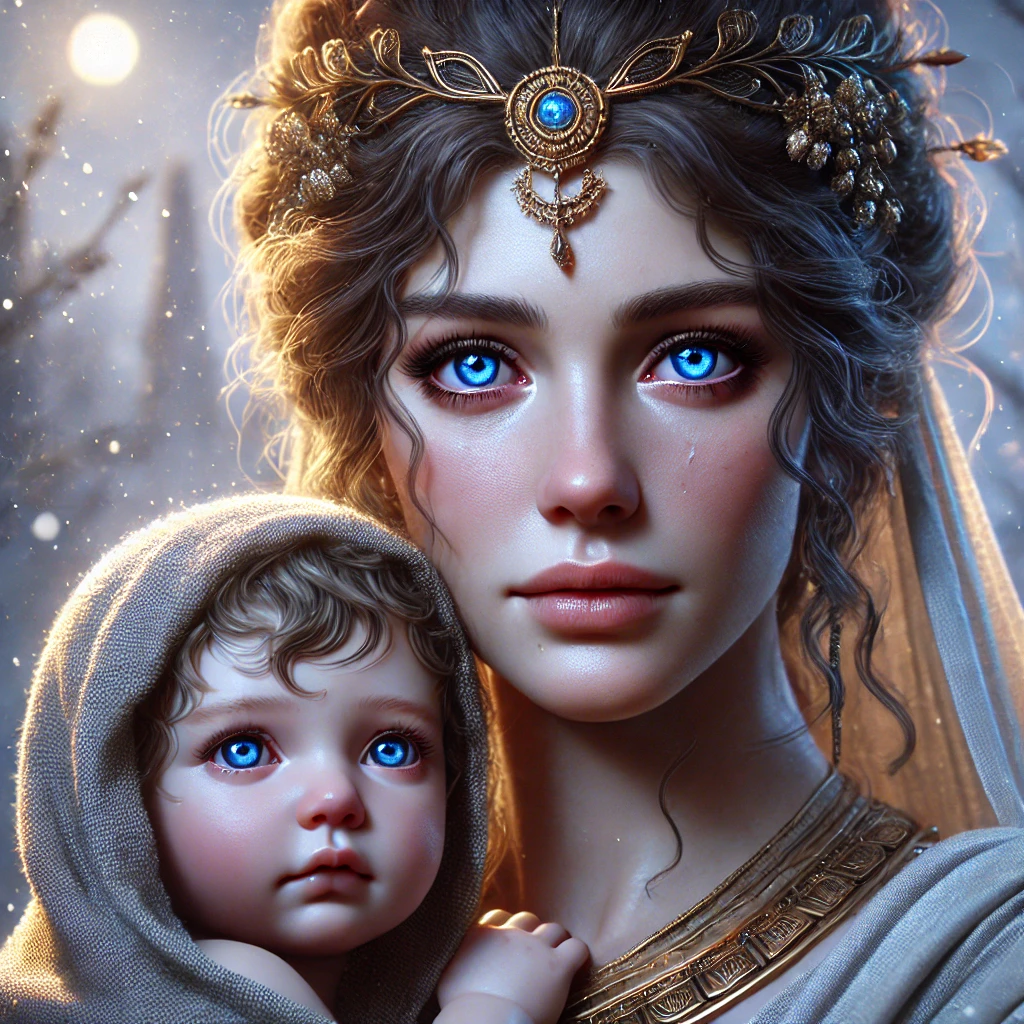
FAREWELL FROM MOTHER AND SON Their eyes meet yours—not with fear, but with acceptance. Olympias cradles her son, her tears reflecting the moonlight, her strength as fierce as her sorrow. Alexander rests quietly in her arms, his gaze wide and knowing. In this shared silence, they say goodbye to something greater than words—a moment of fate seen, felt, and honored.
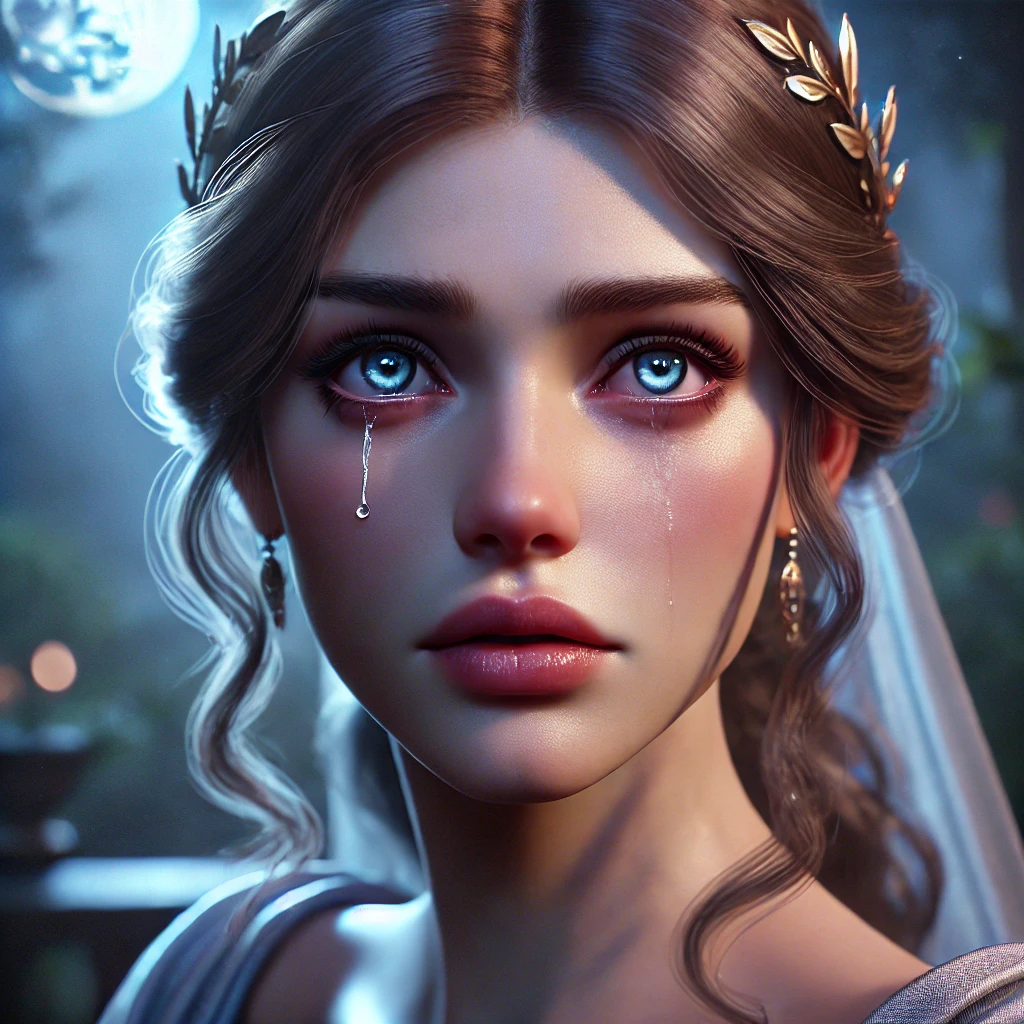
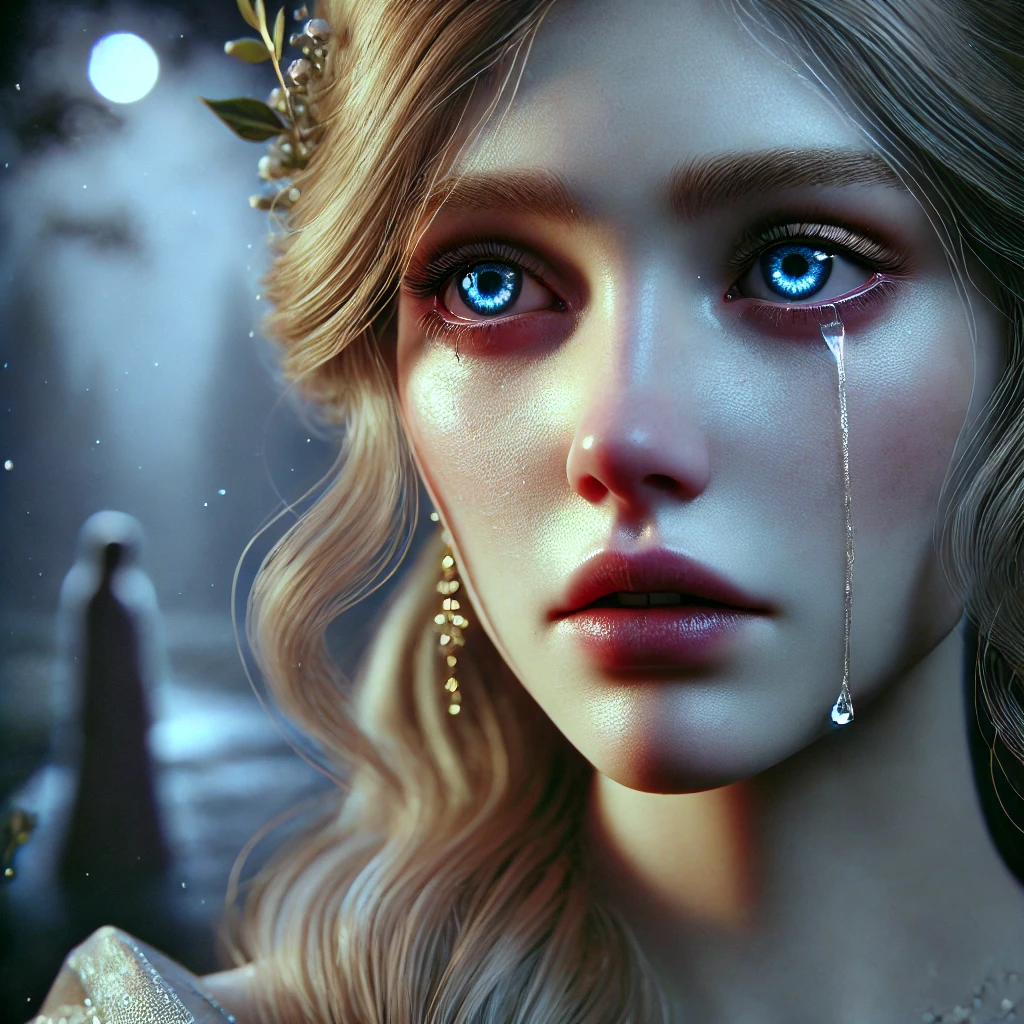
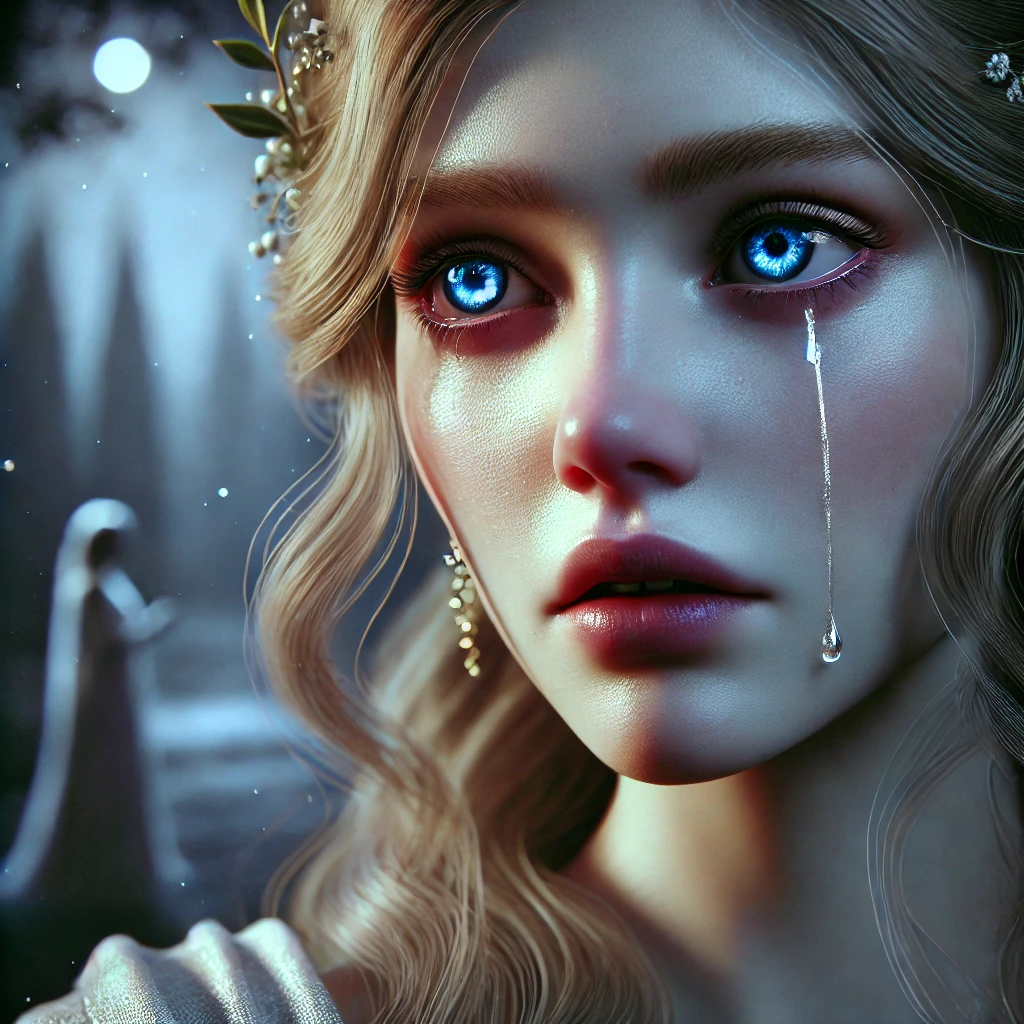
OLYMPIAS: TEARS FOR THE GOD WHO LOVED HER In the hush of a garden where gods walk only briefly, Olympias turns her gaze to the stars. Her blue eyes glisten, not with weakness, but with the weight of what was given—and what must be let go. She does not beg, nor regret. She mourns the silence that follows the sound of parting footsteps. A single tear falls for a love that may never return, but never truly leaves.
FAREWELL FROM MOTHER AND SON Their eyes meet yours—not with fear, but with acceptance. Olympias cradles her son, her tears reflecting the moonlight, her strength as fierce as her sorrow. Alexander rests quietly in her arms, his gaze wide and knowing. In this shared silence, they say goodbye to something greater than words—a moment of fate seen, felt, and honored.
A GOD’S TEAR He has faced monsters, shaped worlds, and ruled heavens—but this moment breaks through even his celestial armor. Marduk gazes outward, not with command, but with quiet grief. A single tear traces the path of love, sacrifice, and what it means to say goodbye to something no god can hold. In that tear, the myth ends—and humanity begins.
ALEXANDER’S GODLINESS
SON OF ZEUS, SON OF MARDUK In the golden hush of a royal chamber, Alexander turns to his mother with fire in his eyes and uncertainty in his heart. “Am I Zeus’ son?” he asks—not as a boy seeking comfort, but as a man seeking meaning. Olympias, cloaked in wisdom and grace, meets his gaze. She does not waver. With a gentle hand and ancient certainty, she reaffirms the truth: his father was not just a king, but a god.
Alexander then became obsessed with his own Anunnaki “godliness.”
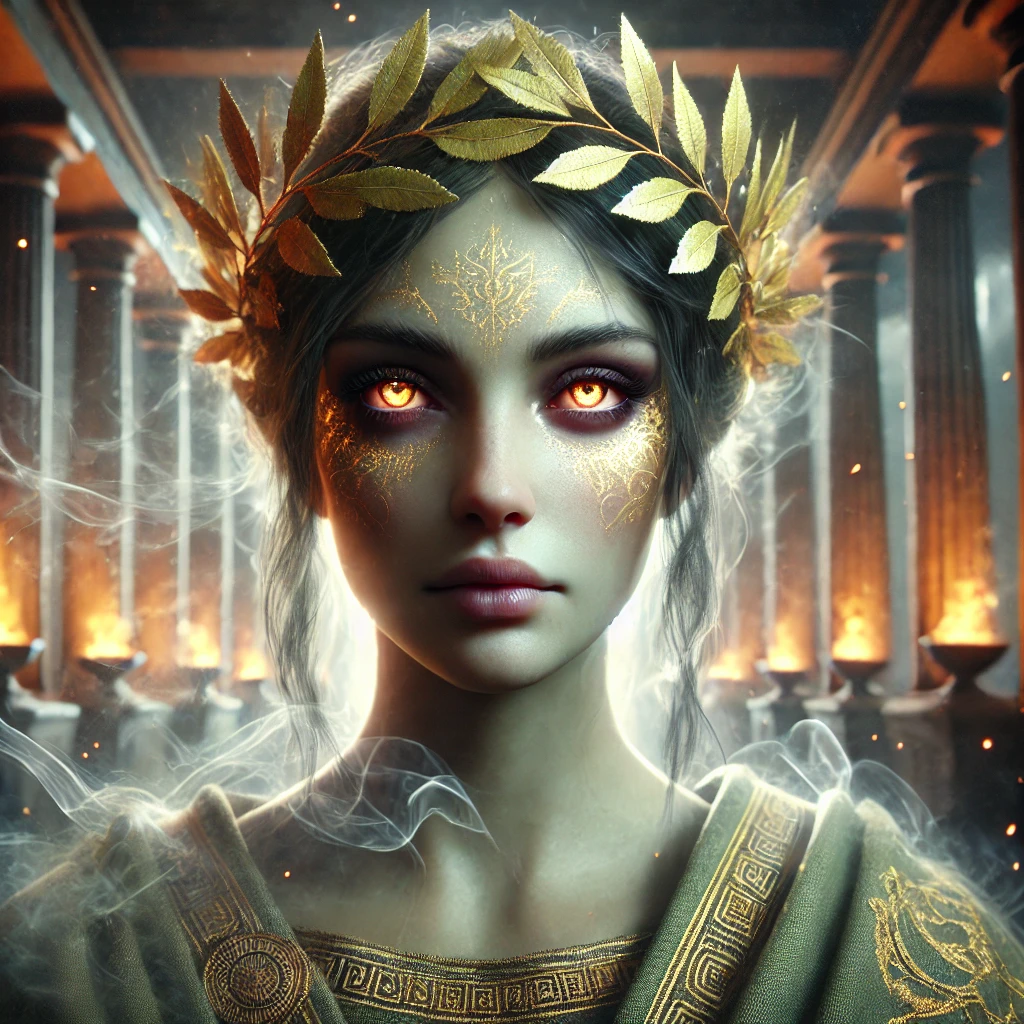
THE VOICE OF THE GOD She does not speak with her own voice, but with Apollo’s. Cloaked in mist and crowned in laurel, the Pythia sees what kings cannot. Her gaze pierces veils of time. In her stillness is thunder, in her breath, fate. Those who dare ask her questions must be ready to bear the answers.
He held Delphi’s Oracle Priestess at sword point:
“Am I Zeus’ son?” She confirmed him as the son of Zeus.
Re-affirmed as Marduk’s son, Alexander attacked Persia in 334 BCE with 32,000 infantry and 5,100 cavalry.
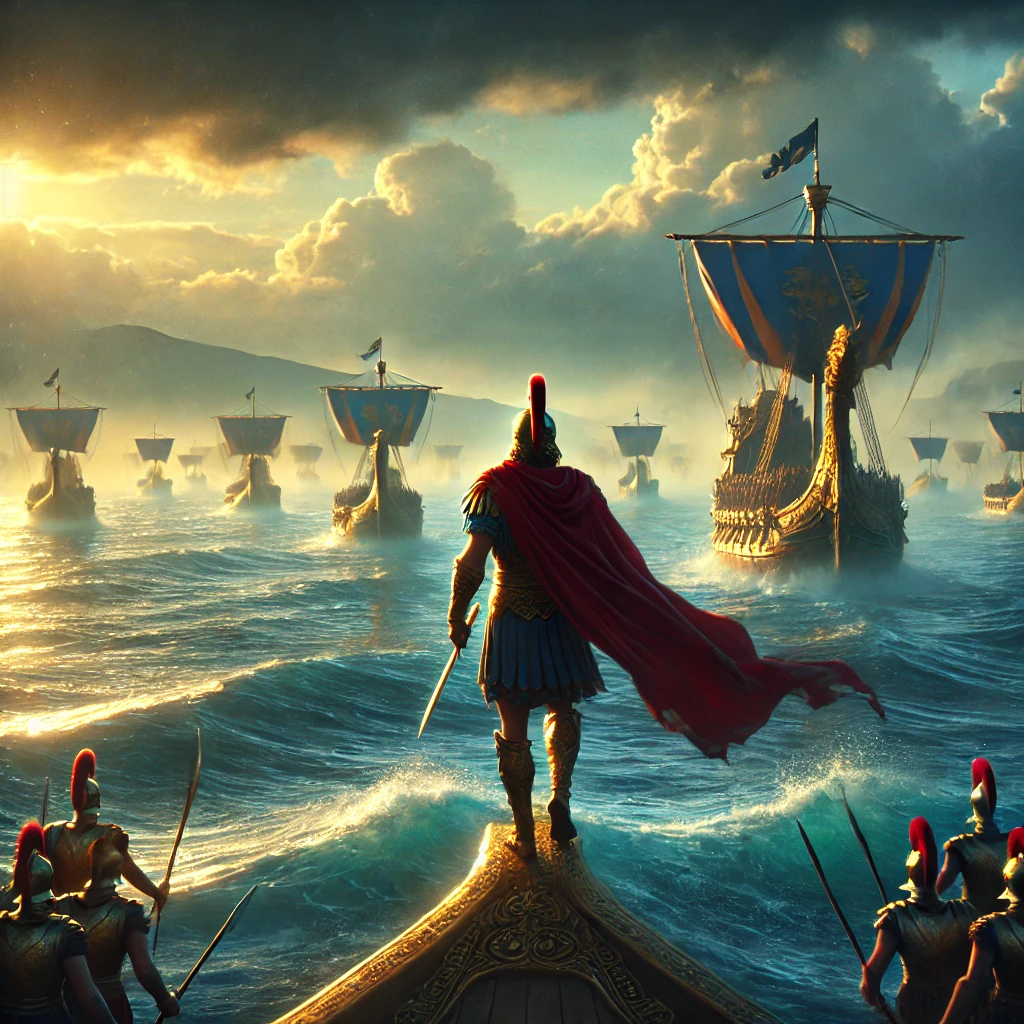
THE CROSSING TO EMPIRE The wind carried more than sails. It carried prophecy. Alexander stood at the prow, his crimson cape trailing like a war banner, the Anatolian coast rising in the mist ahead. Behind him, thousands rowed in rhythm—not toward battle, but toward legacy. The son of Marduk crossed not just water that day, but the threshold into legend.
THE EYES THAT CARRIED AN EMPIRE Not yet crowned, not yet scarred, Alexander stood at the edge of legend. The sea wind curled around him, but nothing moved in his gaze. He looked forward—not for glory, but for meaning. The gods had spoken. Now it was his turn.
While Darius and the Persian army quelled a rebellion in Egypt, Alexander’s army rowed across the Dardanelles to Abydos in Turkey.
The Macedonian infantry formed lines that stretched for miles and confronted the Persians with a phalanx of 18-foot pikes before the cavalry.
THE SON STRIKES FIRST The river surged, the sky split, and destiny galloped forward. With his sword aloft and eyes fixed ahead, Alexander led his cavalry through the Granicus—into water, into fire, into legend. Macedonian pikes bristled behind him, the Persians reeled before him, and history paused to witness the moment a mortal claimed a god’s warpath.
THE FACE OF VICTORY This was not the face of a boy. This was the face of fate. Wind and battle clung to him like prophecy. His armor gleamed beneath blood and water, and his gaze cut sharper than any sword. Alexander needed no crown—only this moment, where the world first saw what he was becoming.
Alexander led a cavalry charge that routed the Persian army and its Greek mercenaries at Granicus.
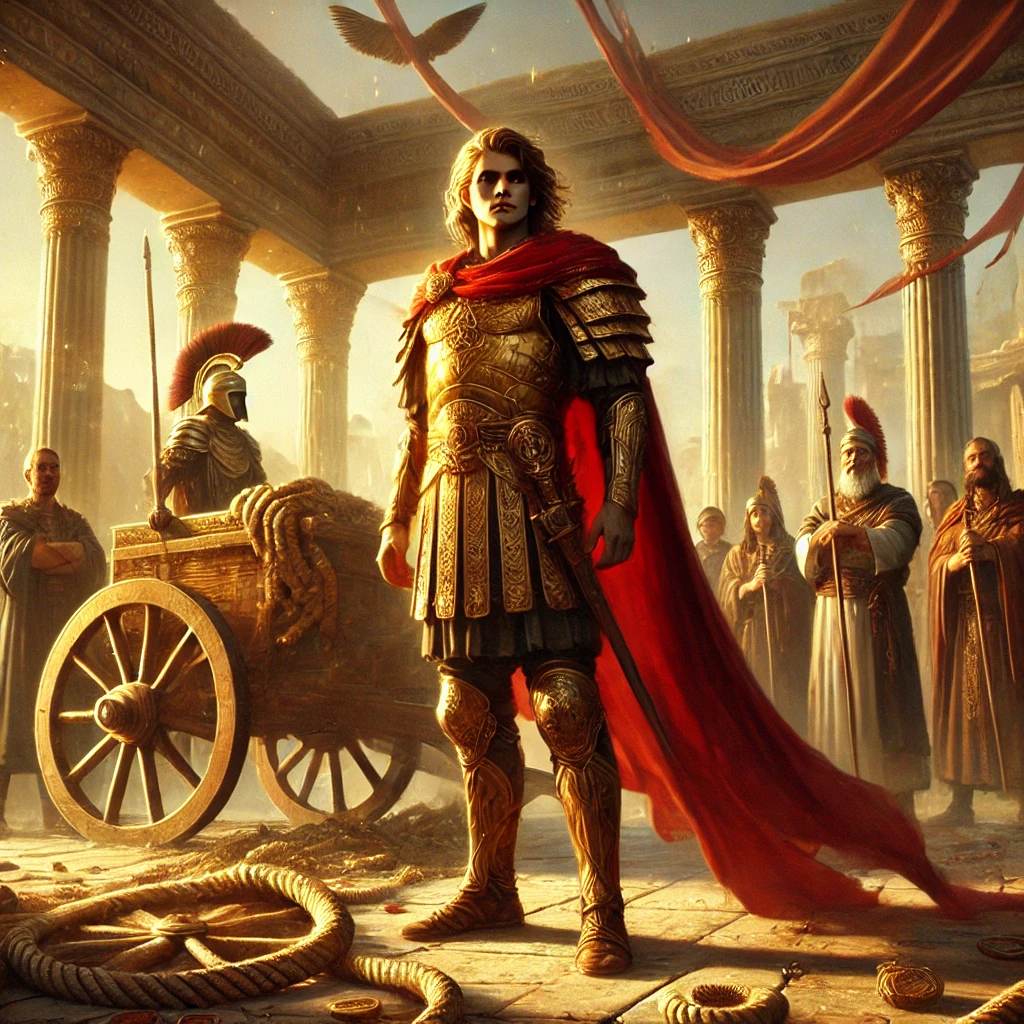
THE KNOT UNDONE The rope lies split, not with struggle, but with certainty. Alexander stands over the remnants, sword sheathed, gaze steady. The priests watch, the soldiers whisper, the wind shifts. He did not untie the knot—he ended the question. In that act, not of defiance, but of destiny, the East opened its gates to the West.
THE MOMENT THAT CUT THROUGH TIME He did not boast. He did not pause. In the golden hush after action, Alexander stood with the calm of one who understood: he had not just severed rope—he had severed doubt. The world would not be ruled by tradition, but by will.
At Gordium, Alexander hacked with his sword into the outer strand of a knot on the oxcart shrine of King Midas. Whoever could untie the knot would, people believed, rule Asia.
After severing the outer strand, he unwound the rest of the knot.
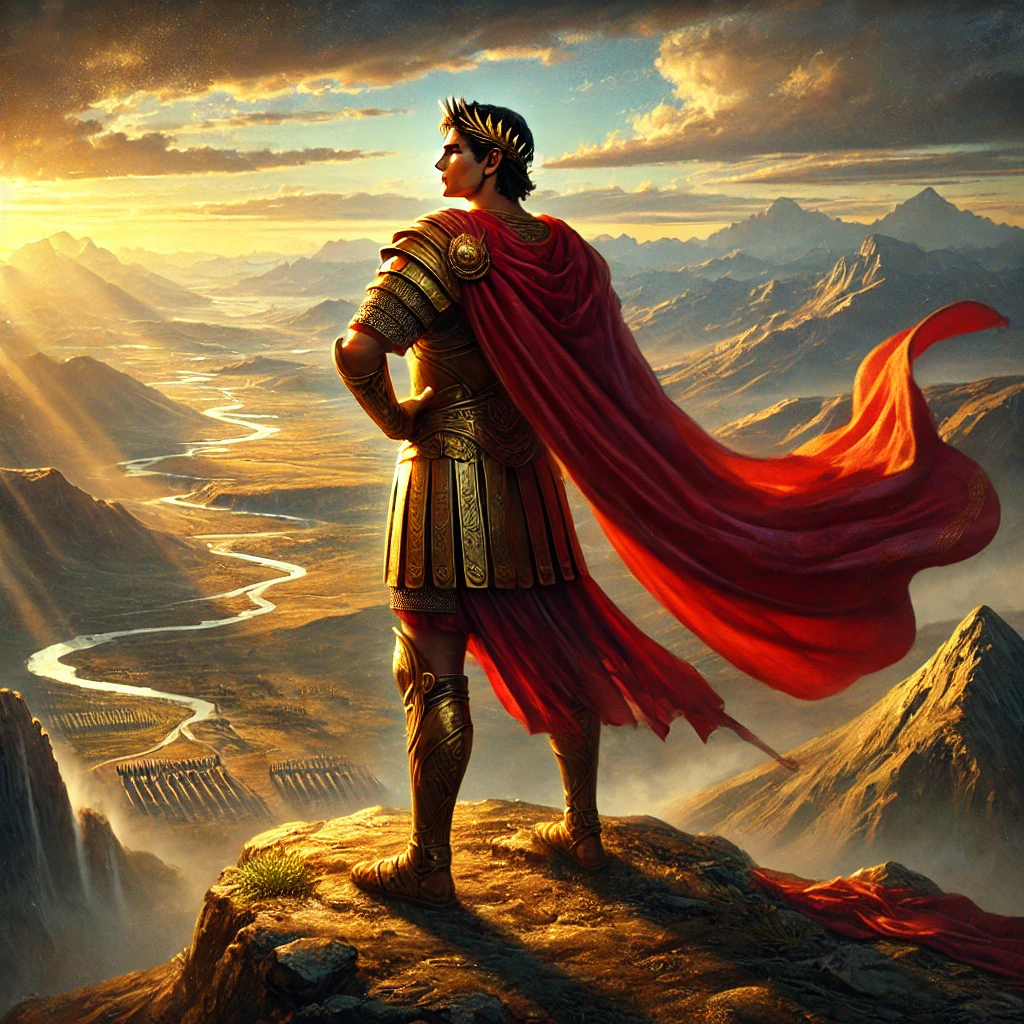
THE WORLD WITHIN HIS REACH From this height, he could see everything—rivers winding like veins, cities like jewels, mountains like gods asleep. He had crossed deserts, crushed kings, carved empires. And yet, in the quiet blaze of dawn, Alexander stood not as conqueror, but as a man. Alone. Looking out at all he had taken, and wondering what remained.
Alexander conquered the Persian Empire and extended his rule over much of Afghanistan, Pakistan, Mesopotamia, and Egypt.
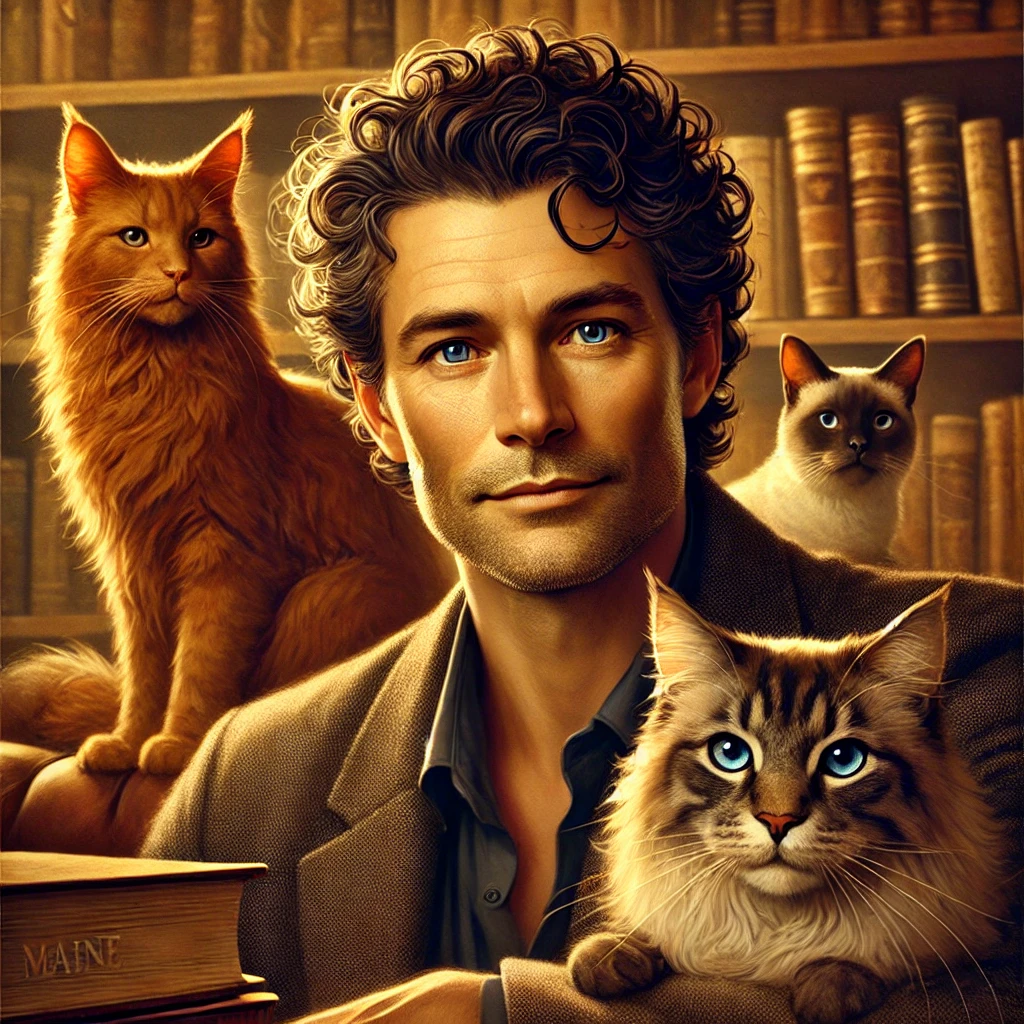
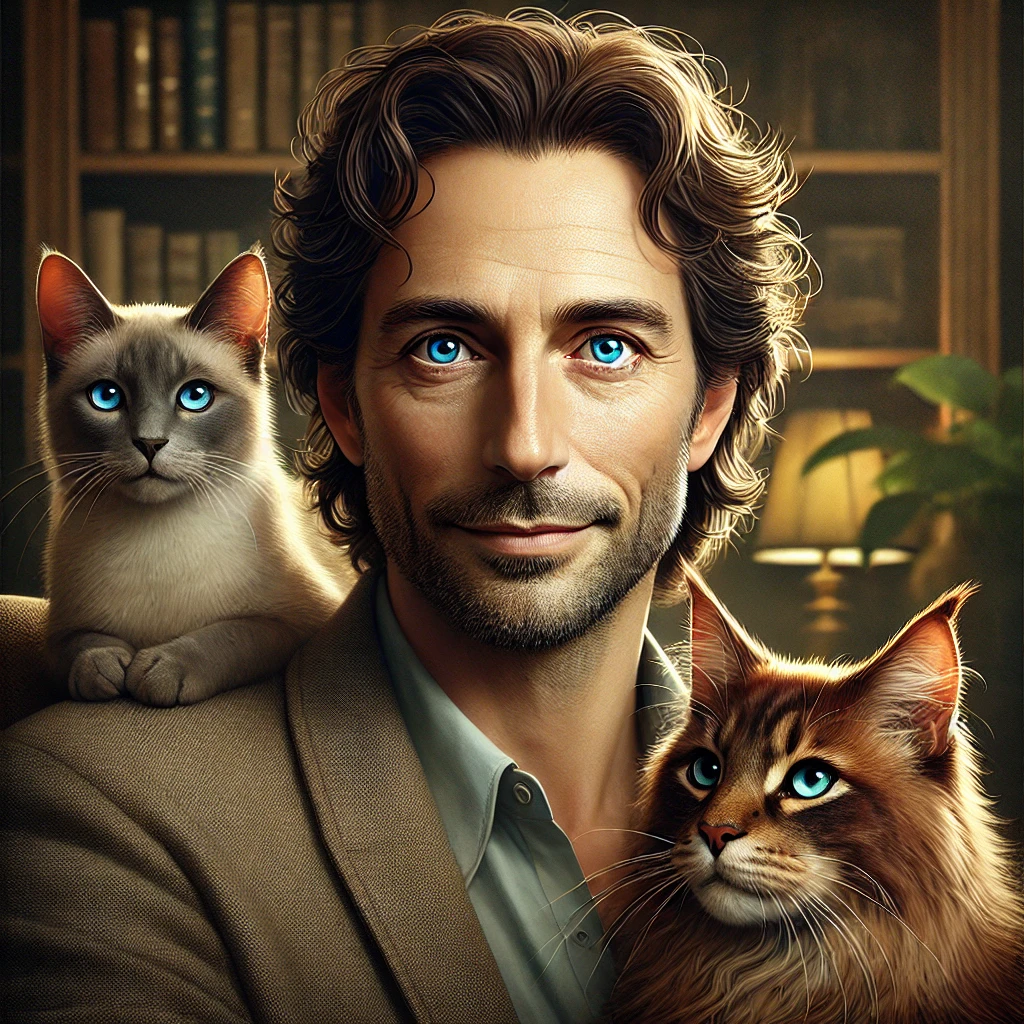
Dad was wrong; I’m humble, not great, though my cats may see me as great.
Sasha and his three cats, Athena, Mocha, and Furball.
RITUAL OF FORGIVENESS FOR HARM OUR ANCESTORS & ANCESTORS OF OTHERS INFLICTED
Close your eyes, breathe deeply.
Picture your ancestors—or even you—harming other people.
Next, imagine you stand before representatives of the particular people whom your ancestors hurt.
Look in their eyes. See their humanity.
See what they loved.
See the harm your progenitors—or you—inflicted upon them.
Empathize with their pain and the pain of their dear ones.
Tell the people you or your ancestors hurt that you can feel their hurt.
Tell them you wish to stop any ill feelings between you.
Ask them for forgiveness.
Receive it.
Then it’s your turn. Tell them you forgive them for the harm they or their people caused you, your ancestors, or kinfolk.
Imagine your representative putting your right palm on each other’s hearts.
Look into each other’s left eyes until you feel the same consciousness running through both of you.
THE VOICE OF THE GOD She does not speak with her voice, but with Apollo’s. Cloaked in mist and crowned in laurel, the Pythia sees what kings cannot. Her gaze pierces veils of time. In her stillness is thunder, in her breath, fate. Those who dare ask her questions must be ready to bear the answers.
ALEXANDER, the Great Killer, personifies the “Kill to Rule” propensity of the Anunnaki that modern humans still embrace. 📺 This is a VIDEO — click the word “GREAT” to start the show: 👉 https://youtu.be/rhNO-dJNhWQ
ALEXANDER, the Great Killer (Illustrated Version)
Personifies the “Kill to Rule” propensity of the Anunnaki that modern humans still embrace 📖 Please read all about him, see pix & references at: http://wp.me/p1TVCy-2MP
By Sasha Alex Lessin, Ph.D. (Anthropology) Excerpt from MARDUK: ANUNNAKI KING OF EARTH
“Alexander”—that’s what Dad named me. “He was called ‘Alexander the Great.’ Maybe you’ll be great too,” said my Papa.
When I became an anthropologist and studied the historical Alexander of Macedon, I asked, “What was great about him?”
Dad told me, in a sad voice:
“H.G. Wells & other historians considered Alexander of Macedon ‘great’ because HE KILLED THOUSANDS OF PEOPLE, BURNED CITIES, RAPED, PILLAGED & DESTROYED CIVILIZATIONS.”
Yes, he was Alexander the Great KILLER. I didn’t want to be “Alexander” anymore because I’m SASHA — a peace activist dedicated to the Peace-on-Earth philosophies of Buddha and Jesus.
THE HISTORIC ALEXANDER
Alexander believed his mother’s confession that Anunnaki Prince Marduk/Ra had fathered him. Alexander’s mother, Olympias of Epirus, told Alexander she begat him with Zeus (aka Marduk in Sumer, Ra in Egypt, and Ahura Mazda in Persia).
Alexander finished the slaughter of rivals in Greece and Asia Minor that his putative father, King Philip of Macedonia, began. He consolidated Macedonia’s rule of the Greek archipelago.
Alexander sparked the Macedonian win over the other Greek city-states at Chaeronea, where his cavalry encircled and massacred Thebans who refused to surrender.
Pausanias, one of Philip’s bodyguards who felt Philip had slighted him, killed Philip before the king could beget a new son with a pure Macedonian wife (Cleopatra) who would displace Alexander in the line of succession. Alexander had no part in the killing of his father. Philip’s other bodyguards caught Pausanias and slew him.
Alexander took Macedonia’s throne.
Later, Alexander heard his mother, Olympias, say,
“I begat Alexander with Zeus [aka Ra/Marduk/Ahura Mazda].”
Alexander then became obsessed with his own Anunnaki “godliness.”
He held Delphi’s Oracle Priestess at sword point:
“Am I Zeus’ son?” She confirmed him as the son of Zeus.
Re-affirmed as Marduk’s son, Alexander attacked Persia in 334 BCE with 32,000 infantry and 5,100 cavalry.
While Darius and the Persian army quelled a rebellion in Egypt, Alexander’s army rowed across the Dardanelles to Abydos in Turkey.
The Macedonian infantry formed lines that stretched for miles and confronted the Persians with a phalanx of 18-foot pikes before the cavalry.
Alexander led a cavalry charge that routed the Persian army and its Greek mercenaries at Granicus.
At Gordium, Alexander hacked with his sword into the outer strand of a knot on the oxcart shrine of King Midas. Whoever could untie the knot would, people believed, rule Asia. After severing the outer strand, he unwound the rest of the knot.
Alexander conquered the Persian Empire and extended his rule over much of Afghanistan, Pakistan, Mesopotamia, and Egypt.
Dad was wrong; I’m humble, not great, though my cats may see me as great.
RITUAL OF FORGIVENESS FOR HARM OUR ANCESTORS & ANCESTORS OF OTHERS INFLICTED
Close your eyes, breathe deeply.
Picture your ancestors—or even you—harming other people.
Next, imagine you stand before representatives or the particular people whom your ancestors hurt.
Look in their eyes. See their humanity.
See what they loved.
See the harm your progenitors—or you—inflicted upon them.
Empathize with their pain and the pain of their dear ones.
Tell the people you or your ancestors hurt that you can feel their hurt.
Tell them you wish to stop any ill feelings between you.
Ask them for forgiveness.
Receive it.
Then it’s your turn. Tell them you forgive them for the harm they or their people caused you, your ancestors, or kinfolk.
Imagine your representative putting your right palm on each other’s hearts.
Look into each other’s left eyes until you feel the same consciousness running through both of you.
THE FACE OF VICTORY This was not the face of a boy. This was the face of fate. Wind and battle clung to him like prophecy. His armor gleamed beneath blood and water, and his gaze cut sharper than any sword. Alexander needed no crown—only this moment, where the world first saw what he was becoming.
THE QUEEN AND HER PROMISED SON In the hush between stars and prophecy, Olympias holds her child close to her heart. Her crown gleams not just with jewels, but with the weight of destiny. Blue eyes unshaken, she gazes forward—not with fear, but with knowing. Wrapped in golden robes, the infant Alexander rests safely against her, his tiny hand already reaching for a world that will one day know his name. In this quiet, radiant moment, the future cradles the future.
THE KNOT UNDONE The rope lies split, not with struggle, but with certainty. Alexander stands over the remnants, sword sheathed, gaze steady. The priests watch, the soldiers whisper, the wind shifts. He did not untie the knot—he ended the question. In that act, not of defiance, but of destiny, the East opened its gates to the West.
THE MOMENT THAT CUT THROUGH TIME He did not boast. He did not pause. In the golden hush after action, Alexander stood with the calm of one who understood: he had not just severed rope—he had severed doubt. The world would not be ruled by tradition, but by will.
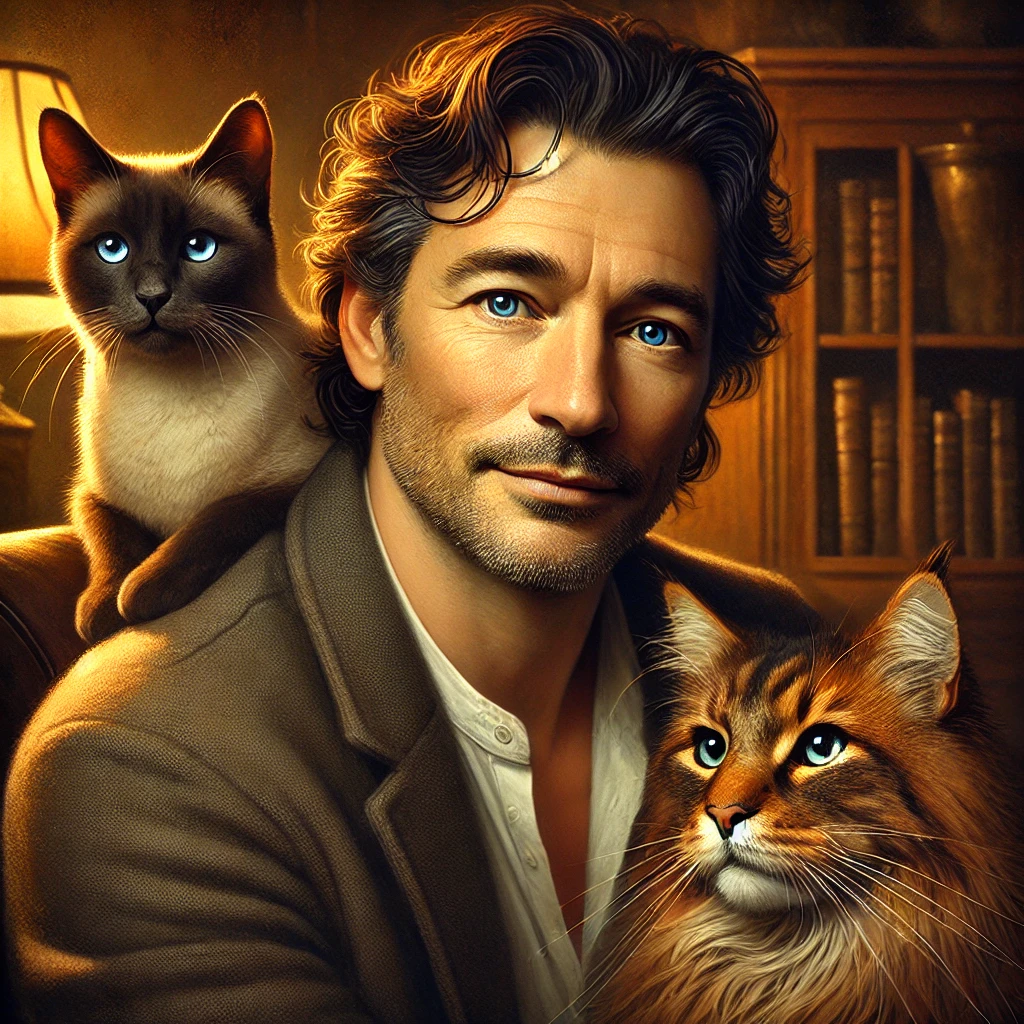
Sasha, Furball, Mocha & Athena in the rear.Sasha in the middle with Mocha on the left and Furball on his lap (as usual).Sasha with Mocha on his shoulder and Furball on his lap.
Janet & Sasha Lessin at home in the jungles of Maui, with Mocha, Furball, and Athena surrounded by books. Now that’s heaven.
✅ Tags (separated by commas)
historical fantasy, Alexander the Great, ancient history, emotional portraits, visual storytelling, family legacy, personal story, creative journey, cats of Instagram, Maui life, artistic sequence, book lovers, love story, Maui jungle, quiet moments, storytelling through art, soulmates, modern life, depth and beauty, meaningful stories
📘 Facebook + X (Twitter) Intro Text
A Story About Legacy, Love, and Quiet Strength From the jungles of Maui to the heart of ancient empires, this story weaves together powerful moments between mothers, sons, warriors, and one thoughtful man surrounded by books, cats, and the person who loves him most.
It asks a simple question: What does it really mean to be great?
Through a series of images, we follow a journey not of conquest, but of connection—between past and present, power and peace, and between two people who built a beautiful life, together.
This is for Sasha. Because love, memory, and quiet lives well lived… they tell the greatest stories of all. 🐾📚💛
Characters: Alexander the Great, his mother Olympias, a wise priestess, a quiet modern man (Sasha), and his wife and partner
Historical moments: The Battle of Granicus, the crossing to Abydos, the Gordian Knot, and the spread of culture and history
Themes: Legacy, strength, humility, curiosity, enduring love, personal reflection, and finding peace in the life you’ve built
Setting: From ancient cities to a home in the Maui jungle filled with books, light, and cats
Tone: Realistic, intimate, thoughtful, and beautiful
📘 Facebook Description
The Tale of Two Alexanders This is a visual and emotional journey about two very different men who share the same name.
One was Alexander the Great—a conqueror who slashed his way across continents, chasing glory, empire, and immortality.
The other lives quietly in the jungles of Maui, surrounded by books, cats, trees, and the woman who has loved him for 27 years. His power lies not in war, but in wisdom. Not in ambition, but in humility. He is a peaceful warrior.
This story is a reflection on what we inherit, what we carry, and what we choose to become.
It is a love letter to the man who chose peace.
🕊️ X (Twitter) Description
Two Alexanders. One changed the world by force. The other changed mine by loving quietly, reading deeply, and living with kindness in the jungles of Maui.
This is a tribute to the peaceful warrior. Books, cats, stillness, and heart. Not all greatness shouts.