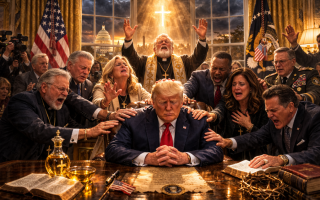
How Free Societies Are Dismantled from Within
By Janet Kira Lessin (Primary Author)
Contributing Author: Dr. Sasha Alex Lessin, Ph.D. (Anthropology, UCLA)
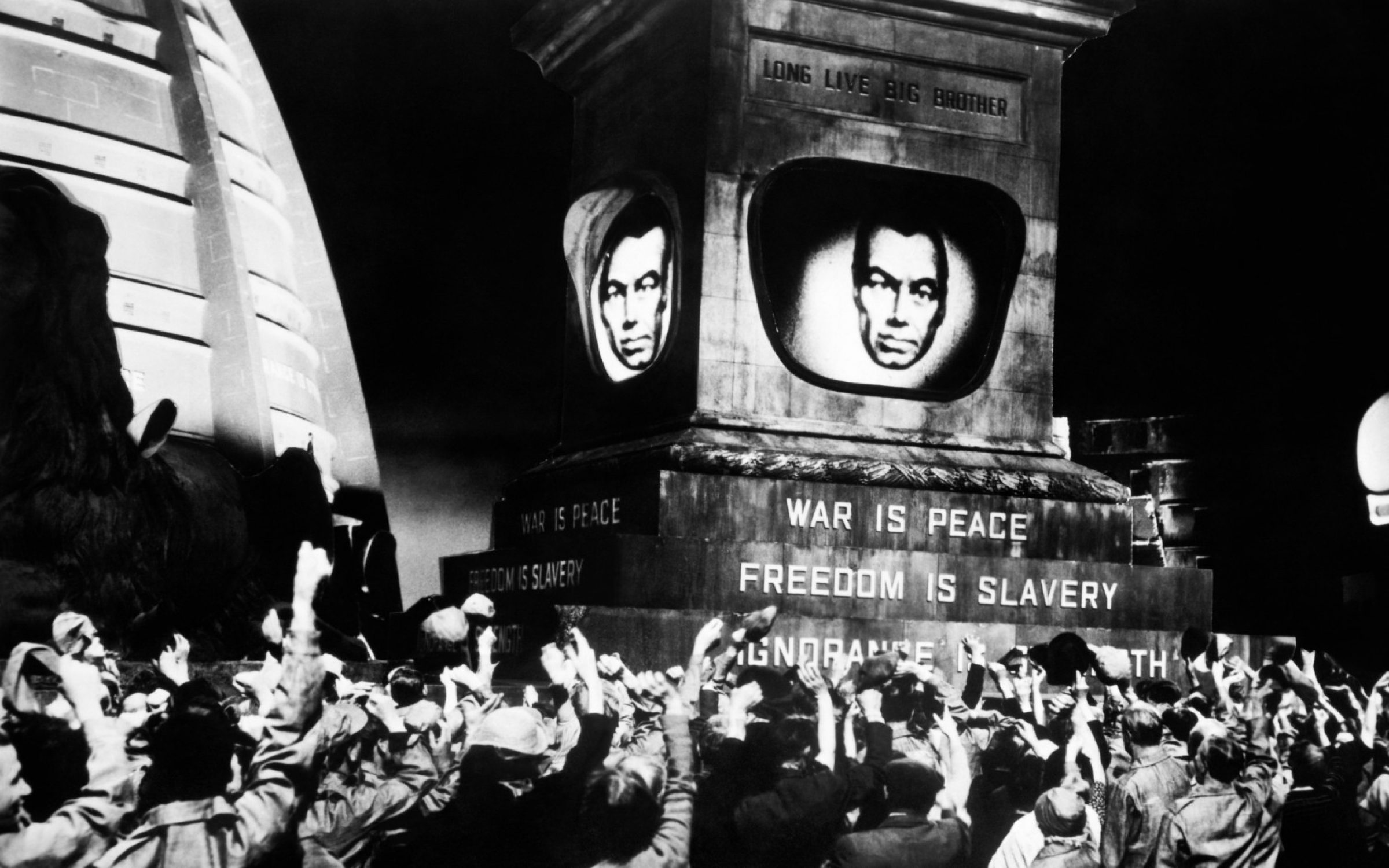
THE ORWELLIAN OVERLAY
How Free Societies Are Dismantled from Within
Article 1 of an 18-Article Series
INTRODUCTION
George Orwell did not imagine a distant dystopia so much as he described a recurring political and psychological mechanism. His work has endured not because it predicted a specific future, but because it identified a pattern that emerges whenever power seeks permanence without accountability. That pattern does not begin with violence. It begins with language.

When language ceases to describe reality and instead instructs people what to believe about reality, a society has already crossed an invisible threshold. At that point, force becomes secondary. Compliance can be generated through confusion, fear, and repetition. People begin to regulate themselves, often believing they are acting freely.
What follows is not a sudden collapse but a gradual overlaying of one reality atop another—an official narrative layered over lived experience, increasingly detached from observable truth. This is what will be referred to throughout this series as the Orwellian Overlay.
LANGUAGE AS THE FIRST CASUALTY
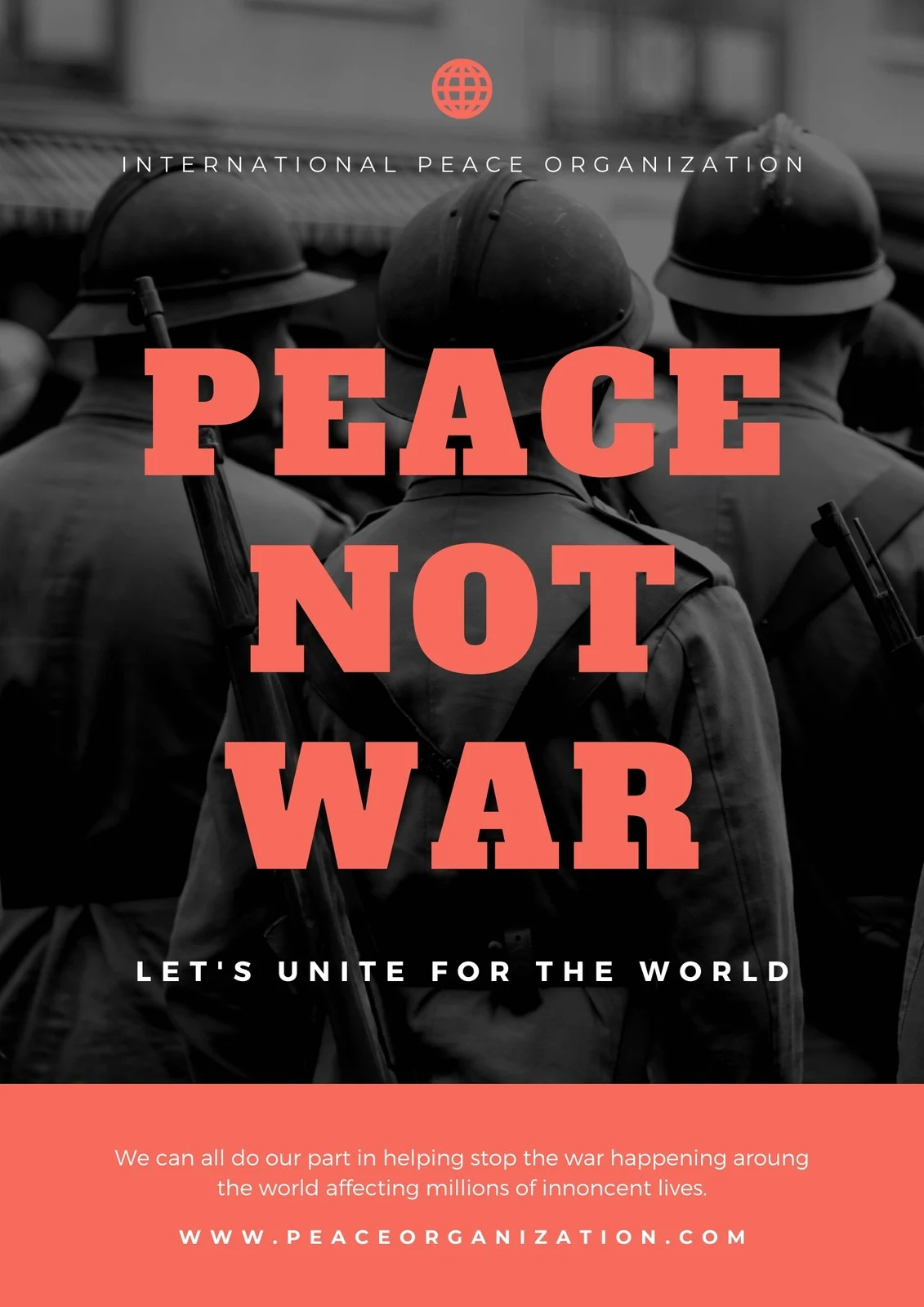
LANGUAGE TURNED AGAINST ITSELF

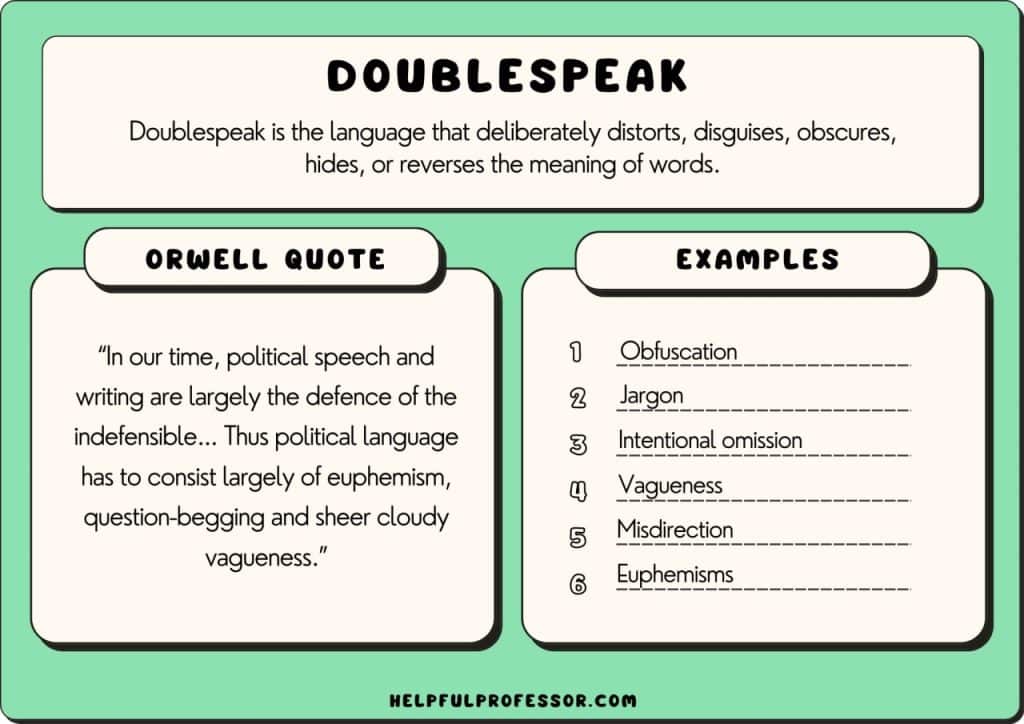
Realistic conceptual illustration of familiar political words dissolving and reforming into inverted meanings.
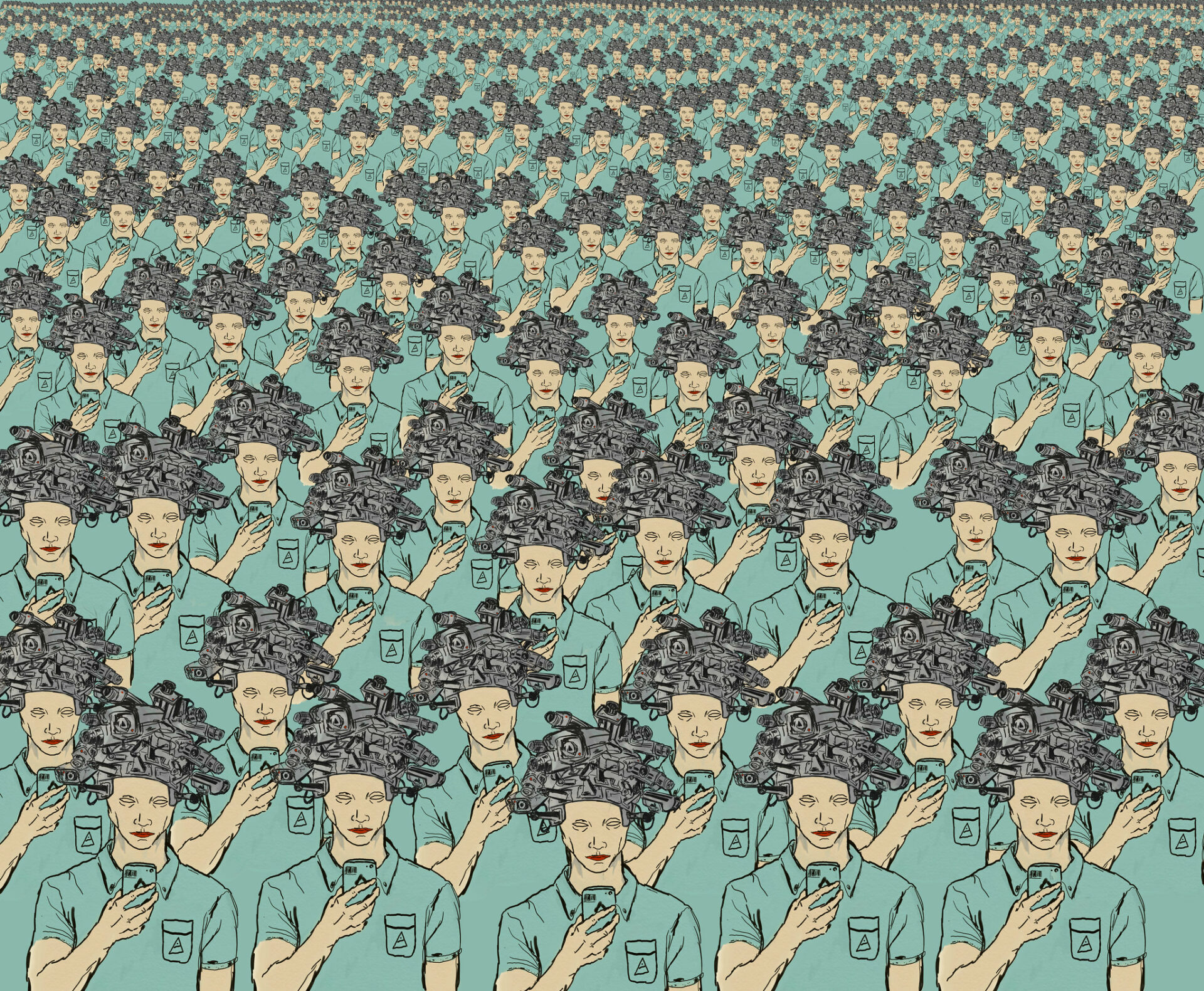
In functioning societies, language provides a shared reference point. Disagreements occur, but they occur within a common framework of meaning. When that framework erodes, disagreement becomes unresolvable because people are no longer talking about the same reality.
The erosion is rarely dramatic at first. Familiar terms are repurposed, softened, or inverted. “Security” comes to mean surveillance. “Order” comes to mean obedience. “Freedom” becomes conditional upon compliance. Over time, words stop describing what is happening and begin prescribing how it should be interpreted.
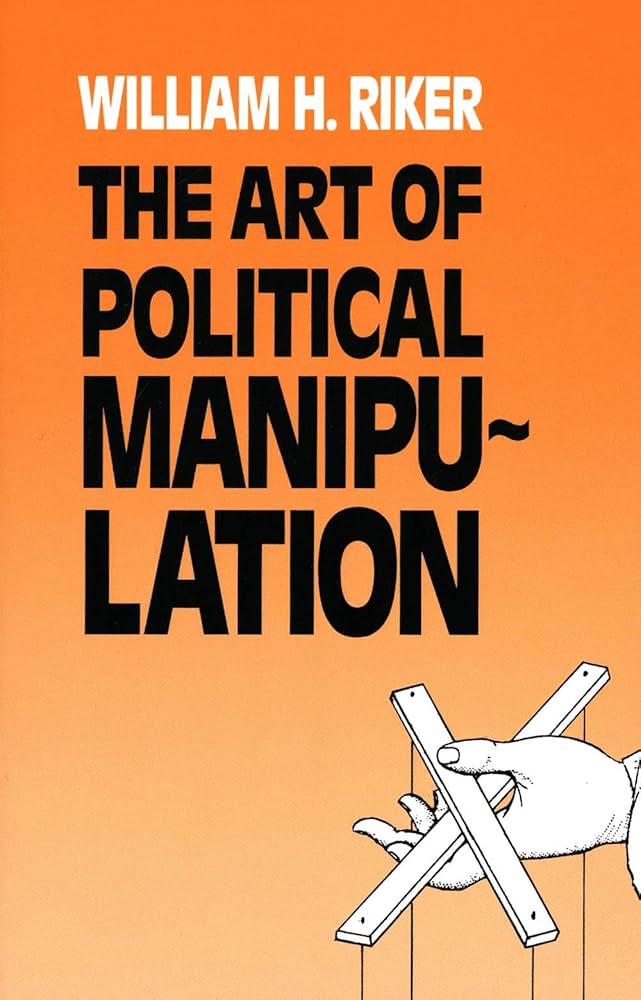
This process is not accidental. Controlling definitions is more effective than suppressing facts outright. Once the meaning of words is destabilized, truth itself becomes a matter of allegiance rather than evidence. Dissent no longer needs to be refuted; it can be dismissed.
FROM AWARENESS TO LIABILITY

WHEN AWARENESS BECAME A THREAT



There was a time when awareness—being attentive to harm, power, and consequence—was broadly regarded as a civic virtue. It implied responsibility, maturity, and ethical consideration. That understanding has undergone a deliberate transformation.
Awareness became reframed as disruption. Empathy was recast as weakness. Moral concern was portrayed as impractical or even dangerous. This inversion was not the result of cultural accident; it was a requirement. Systems that depend on hierarchy and coercion cannot tolerate widespread moral clarity. Conscience interferes with efficiency.
As a result, the very qualities that once sustained democratic culture were recoded as liabilities. Language again performed its quiet work, severing words from their ethical grounding and attaching them to caricature and contempt.
FEAR AND THE SIMPLIFICATION OF MORAL LIFE
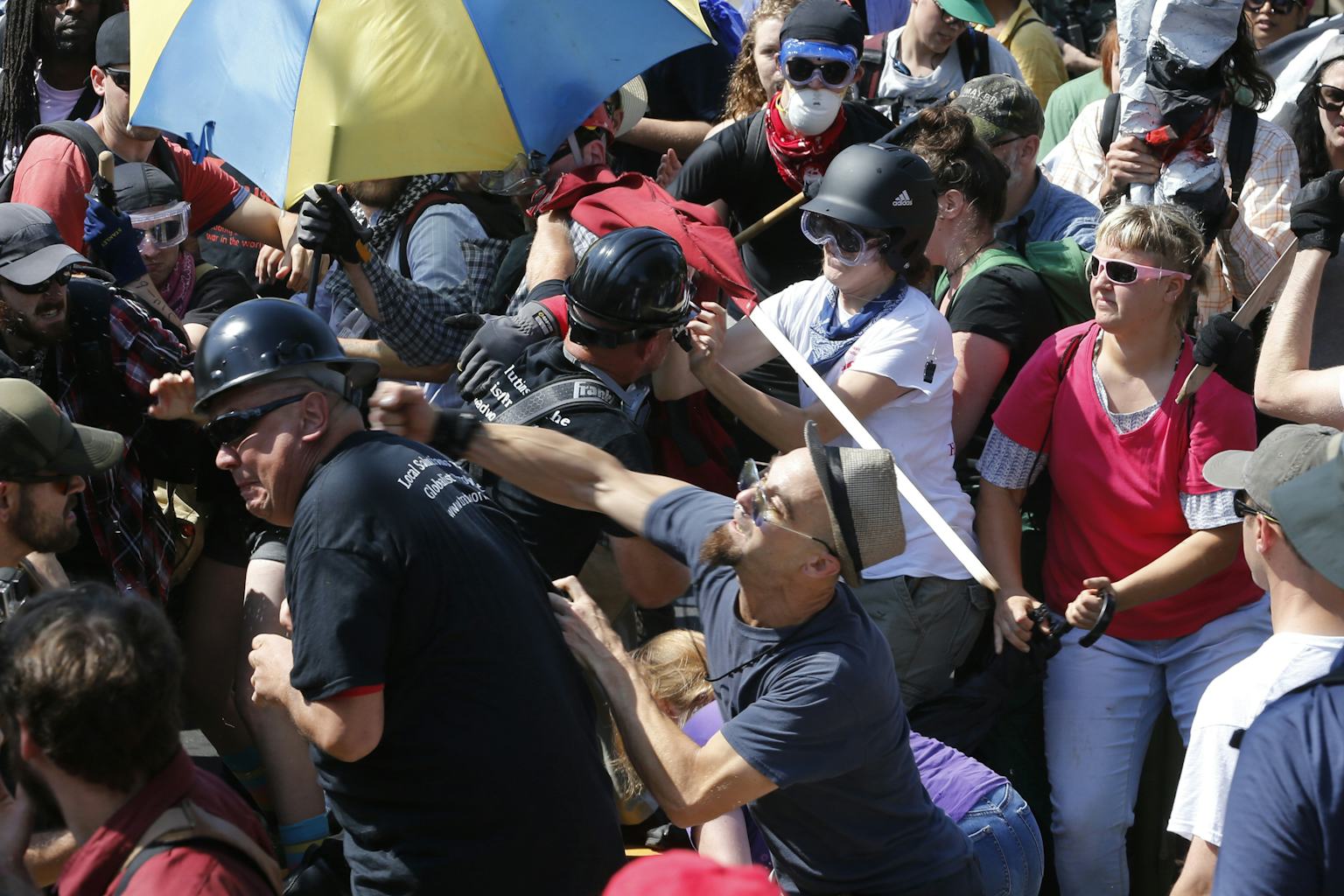
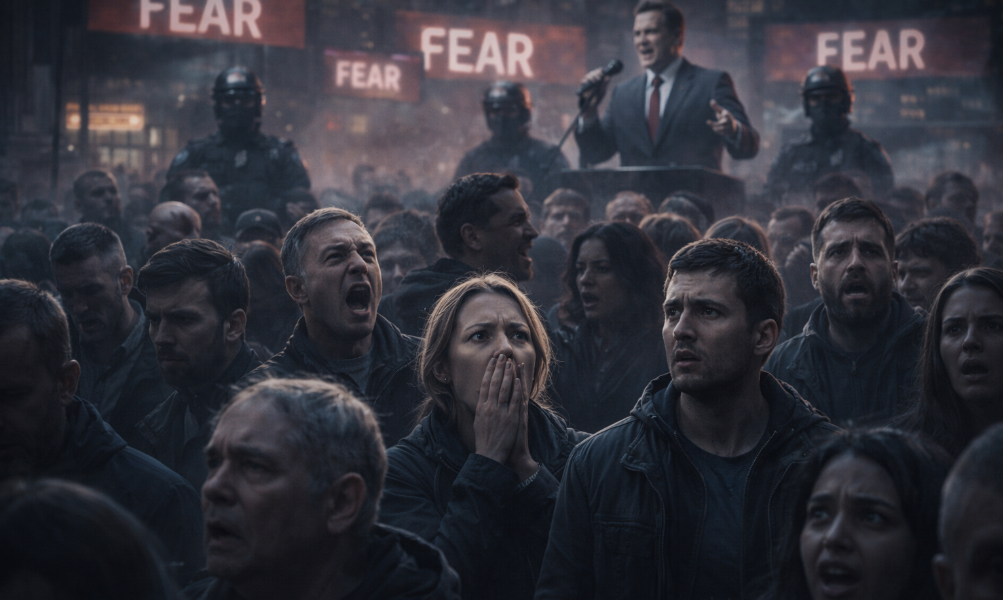
FEAR AS A GOVERNING TOOL


Fear is the engine that allows this transformation to proceed without resistance. Under sustained fear, complexity becomes intolerable. People seek certainty, even at the expense of accuracy. Nuance feels unsafe. Questions feel subversive.
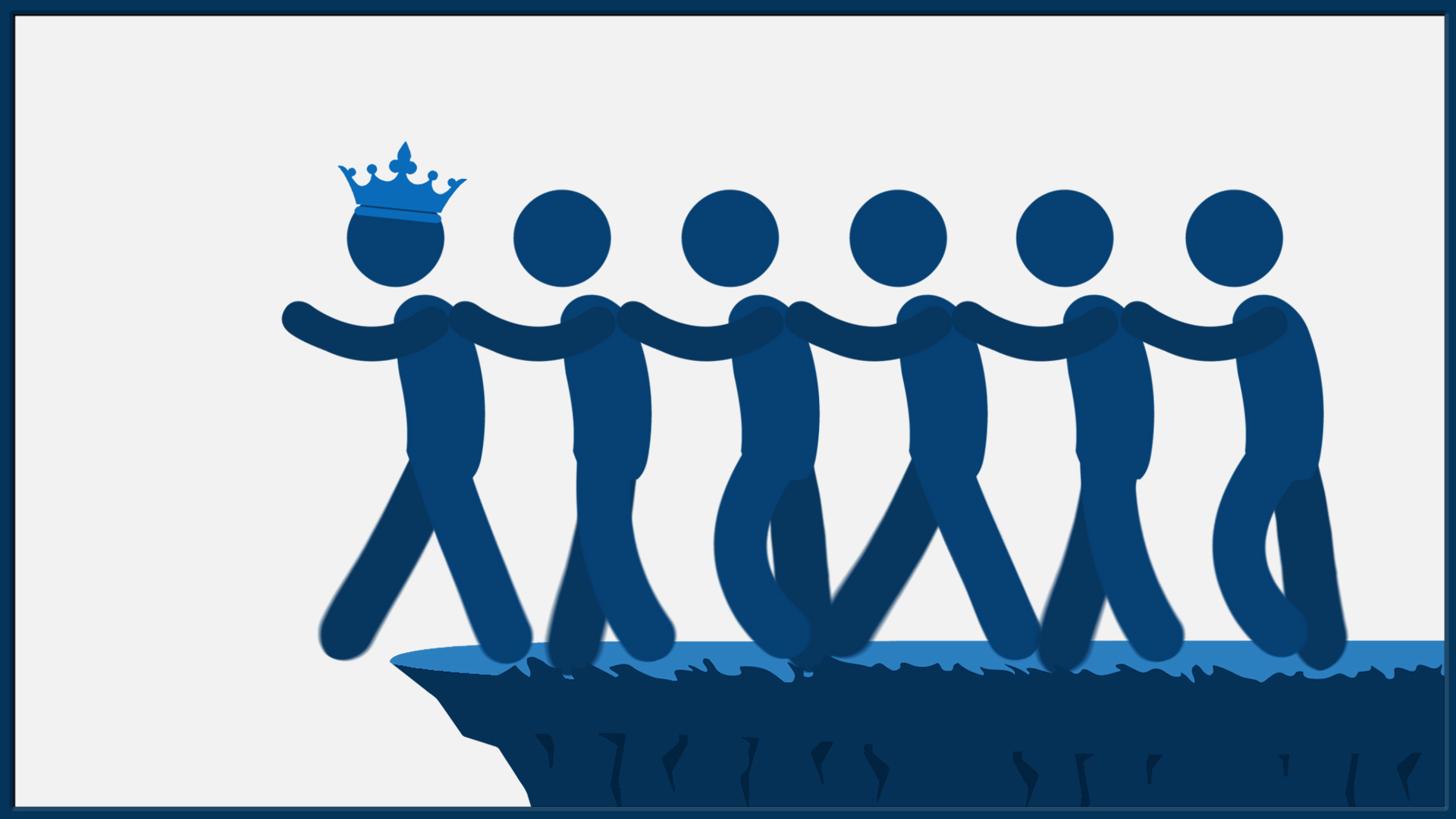
In such conditions, moral reasoning gives way to procedural thinking. The question shifts from whether something is right to whether it is permitted. Harm becomes abstracted into policy. Responsibility diffuses across institutions until no one feels accountable for outcomes.
This is how cruelty becomes normalized without explicit endorsement. It is framed as a necessity, a legality, or an inevitability. Silence becomes not merely common but rational.
HISTORY’S QUIETER WARNINGS

WHEN CIVILIZATIONS HOLLOW OUT


Civilizations do not collapse in dramatic explosions. They erode. Rome did not fall because its citizens abandoned civic ritual; those rituals continued long after the republic’s moral foundations had decayed. Weimar Germany did not dissolve because people rejected law and order; it collapsed because law became detached from justice.
In both cases, institutions retained their outward form while their ethical substance hollowed out. The appearance of continuity masked the reality of transformation. By the time consequences became undeniable, the mechanisms enabling resistance had already been dismantled.
The Orwellian Overlay thrives in this space between appearance and reality. It does not require chaos. It requires normalization.
WHAT THIS SERIES EXAMINES
This series does not argue that history repeats mechanically, nor that any single individual or moment bears sole responsibility. It examines a pattern that emerges when power seeks insulation from accountability and finds it through language, fear, and moral fatigue.
Each article will explore a different layer of that pattern: the treatment of truth-tellers, the use of crisis to expand authority, the reframing of compassion as weakness, the capture of narrative by wealth and technology, and the moral decisions individuals face when systems demand compliance.
The objective is not persuasion but recognition. Patterns lose power when they are named.

THE FIRST QUESTION
Every society reaches a moment when neutrality becomes a choice. Silence becomes participation. Obedience becomes a decision rather than a default.
The first act is not confrontation.
It is perception.
This series begins there.
🔔 BELLS & WHISTLES
📬 SUBSCRIBE
If this article resonates, subscribe to receive future installments of The Orwellian Overlay directly in your inbox.
👉 Subscribe on Substack:
https://substack.com/@janetalexlessinphd
📚 THE ORWELLIAN OVERLAY — SERIES LIST
- The Orwellian Overlay
- When “Awake” Became “Woke”
- The War on Shared Reality
- Rome, Weimar, and the Pattern of Collapse
- 9/11 and the Age of Permanent Emergency
- The Price of Revealing Truth
- From Watergate to WikiLeaks
- When Law Becomes a Weapon
- Immigrants Are Not Strangers
- Scapegoats and the Machinery of Hate
- Christianity vs. Christian Nationalism
- Awakening Is the End of Programming
- Minerva, Lucy, and the Choice to Withdraw
- AHIMSA Is Not Passivity
- Primal Protection
- Was I Kind?
- Who Controls the Narrative
- Remaining Human
🧠 REFERENCES & INFLUENCES
- George Orwell, 1984
- Hannah Arendt, The Origins of Totalitarianism
- Historical analyses of the Roman Republic and Weimar Germany
- Contemporary media studies on propaganda and narrative control
✍️ AUTHOR BIOS
Janet Kira Lessin
Writer and anthropologist exploring power, consciousness, ethics, and nonviolence in periods of social fracture.
Website: https://www.dragonattheendoftime.com
Substack: https://substack.com/@janetalexlessinphd
Dr. Sasha Alex Lessin
Anthropologist (UCLA), author, and cultural critic examining myth, history, and systems of social control.
Website: https://www.enkispeaks.com
🏷️ TAGS
Orwell, authoritarianism, language, consciousness, ethics, power, propaganda, media literacy, social psychology
🔹 ARTICLE TITLE
THE ORWELLIAN OVERLAY
How Free Societies Are Dismantled from Within
🐦 X (Twitter) – SHORT, INTELLECTUAL, NON-SENSATIONAL
Option 1 (Analytical):
George Orwell didn’t predict the future — he identified a pattern.
When language collapses, reality follows.
Article 1: The Orwellian Overlay
🔗 [link]
Option 2 (Historical):
Rome didn’t fall overnight. Weimar didn’t announce its collapse.
Free societies erode quietly — through language, fear, and compliance.
Article 1: The Orwellian Overlay
🔗 [link]
Option 3 (Ethical):
Authoritarianism doesn’t begin with violence.
It starts when words stop describing reality.
Article 1: The Orwellian Overlay
🔗 [link]
💼 LINKEDIN – PROFESSIONAL, JOURNALISTIC
Option 1 (Longform):
George Orwell’s enduring relevance lies not in prediction, but in diagnosis. History shows that free societies are rarely dismantled by force alone. More often, they erode when language is inverted, fear replaces moral reasoning, and obedience is normalized as responsibility.
Article 1 of The Orwellian Overlay examines how this process unfolds — quietly, incrementally, and with alarming familiarity.
🔗 [link]
Option 2 (Leadership & Governance):
When language stops describing reality and starts instructing belief, democratic accountability weakens. History offers clear warnings — from Rome to Weimar — about how easily institutions can hollow out while maintaining their appearance.
Article 1: The Orwellian Overlay
🔗 [link]
📘 FACEBOOK – ACCESSIBLE, HUMAN, INVITING
Option 1 (Narrative):
This isn’t about left or right.
It’s about how societies lose their moral center without realizing it.
Article 1 of The Orwellian Overlay explores how language, fear, and normalization quietly dismantle free societies — long before violence ever appears.
🔗 [link]
Option 2 (Reflective):
History doesn’t collapse loudly. It erodes quietly.
This article looks at how words lose meaning, conscience becomes inconvenient, and silence turns into participation — patterns Orwell warned us about decades ago.
🔗 [link]
🔔 SUBSTACK CALL TO ACTION (STANDARD)
If you value independent, long-form analysis that examines power, language, and moral responsibility without sensationalism, consider subscribing.
Subscribe to The Orwellian Overlay:
👉 https://substack.com/@janetalexlessinphd
Subscribers receive new articles directly in their inbox.
📚 REFERENCES & SOURCES (EXPANDED)
These references are credible, defensible, and appropriate for journalistic publication:
PRIMARY TEXTS
- Orwell, George. 1984. Secker & Warburg, 1949.
- Orwell, George. “Politics and the English Language.” 1946.
POLITICAL THEORY & HISTORY
- Arendt, Hannah. The Origins of Totalitarianism. Harcourt, 1951.
- Snyder, Timothy. On Tyranny: Twenty Lessons from the Twentieth Century. 2017.
- Paxton, Robert O. The Anatomy of Fascism. 2004.
ROMAN & WEIMAR PARALLELS
- Beard, Mary. SPQR: A History of Ancient Rome. 2015.
- Evans, Richard J. The Coming of the Third Reich. 2003.
MEDIA & LANGUAGE
- Chomsky, Noam. Manufacturing Consent. 1988.
- Lakoff, George. Don’t Think of an Elephant!. 2004.
🏷️ TAGS (SEO + DISCOVERY)
Orwell, authoritarianism, language, propaganda, democracy, power, ethics, social psychology, media literacy, historical parallels, consciousness, moral responsibility