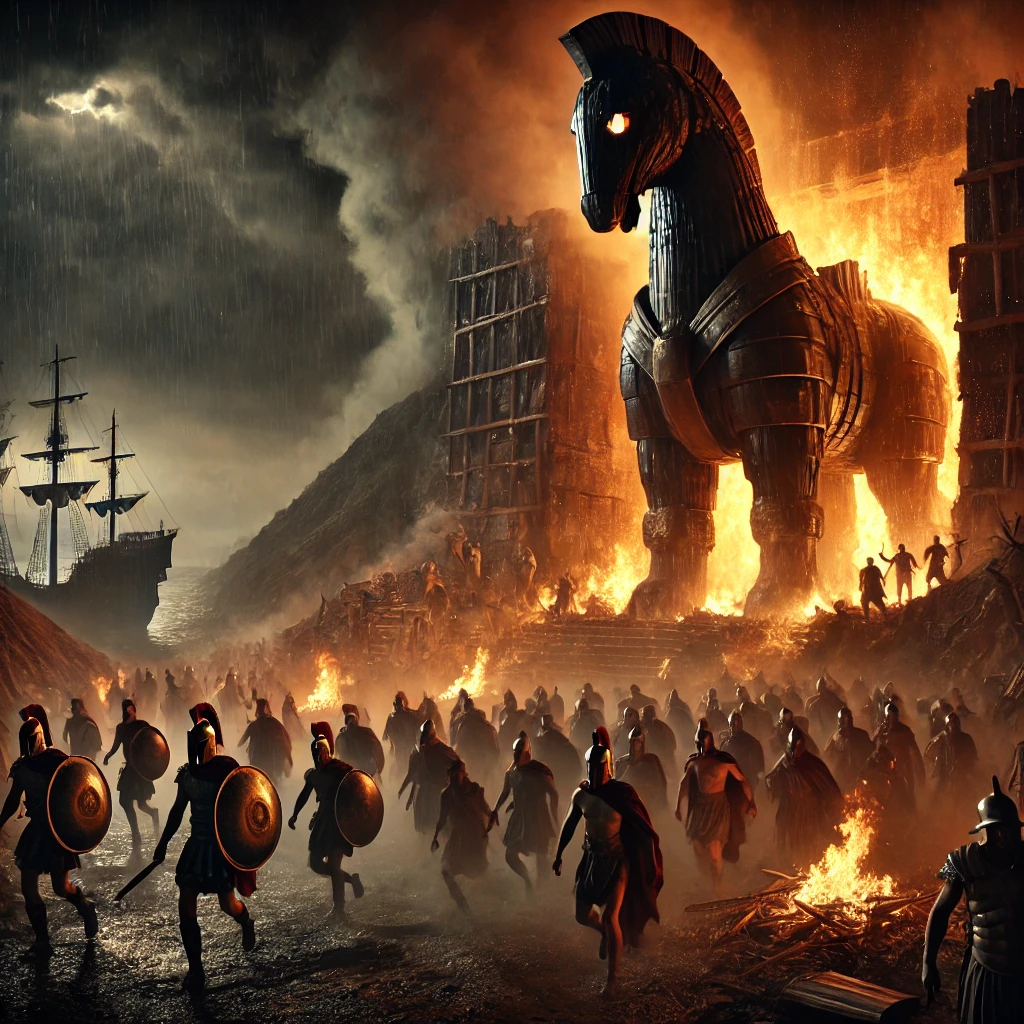
The fall of Troy: The city burns as Greek warriors erupt from the wooden horse and open the gates.
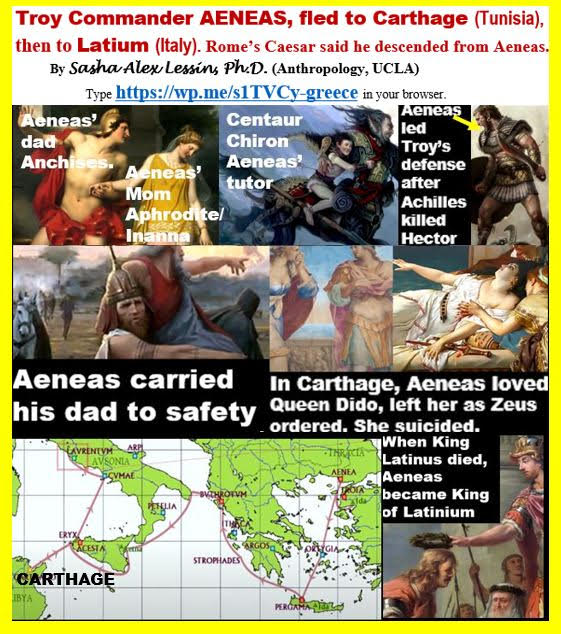
AENEAS, Hector’s successor as Troy’s Commander, fled to Carthage (now in Tunisia), then to Latium (Italy). Roman Ruler Caesar claimed he descended from Aeneas.
https://www.youtube.com/watch?v=D6oIk4rhshE
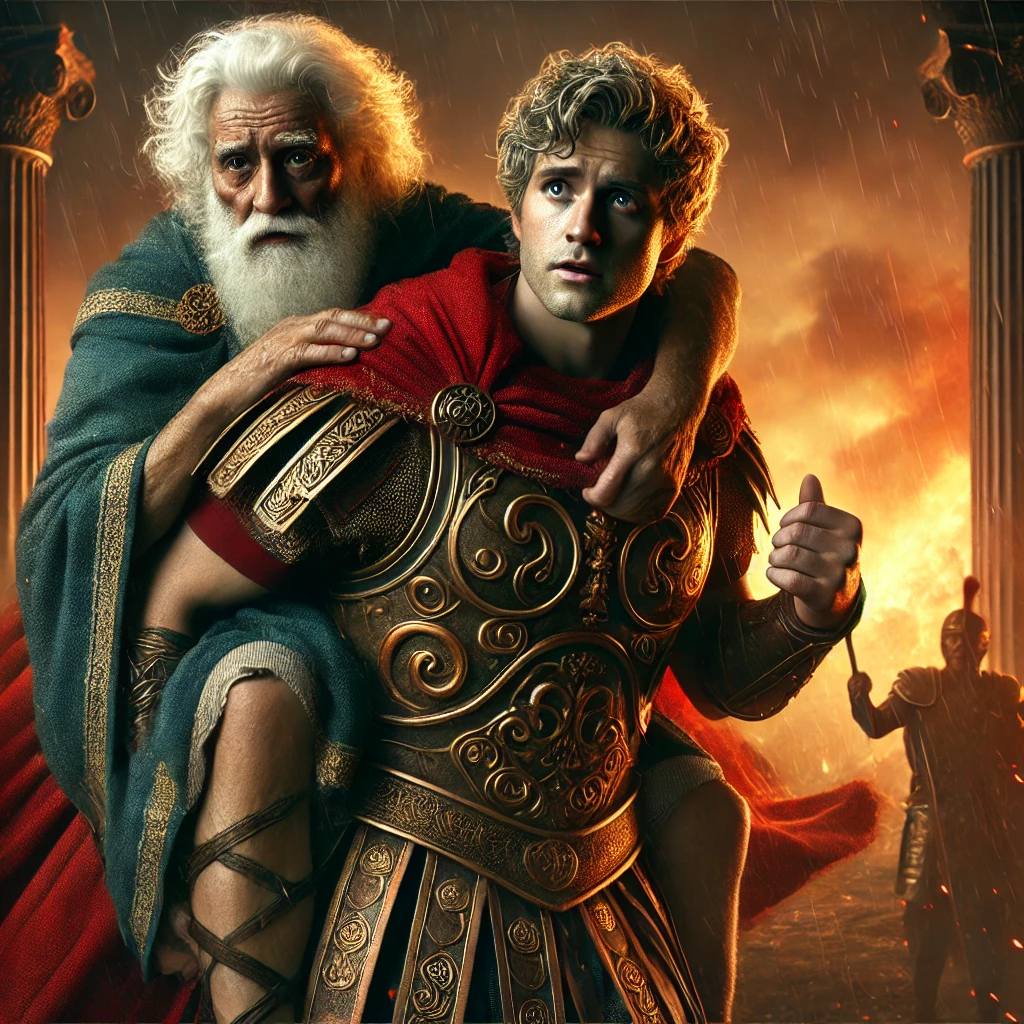
Aeneas escapes Troy, carrying his father Anchises and guiding his son Ascanius—symbolizing piety, legacy, and leadership amid chaos.
AENEAS, Hector’s successor as Troy’s Commander, fled to Carthage (now in Tunisia) and then to Latium (Italy). Roman Ruler Caesar claimed he descended from Aeneas.
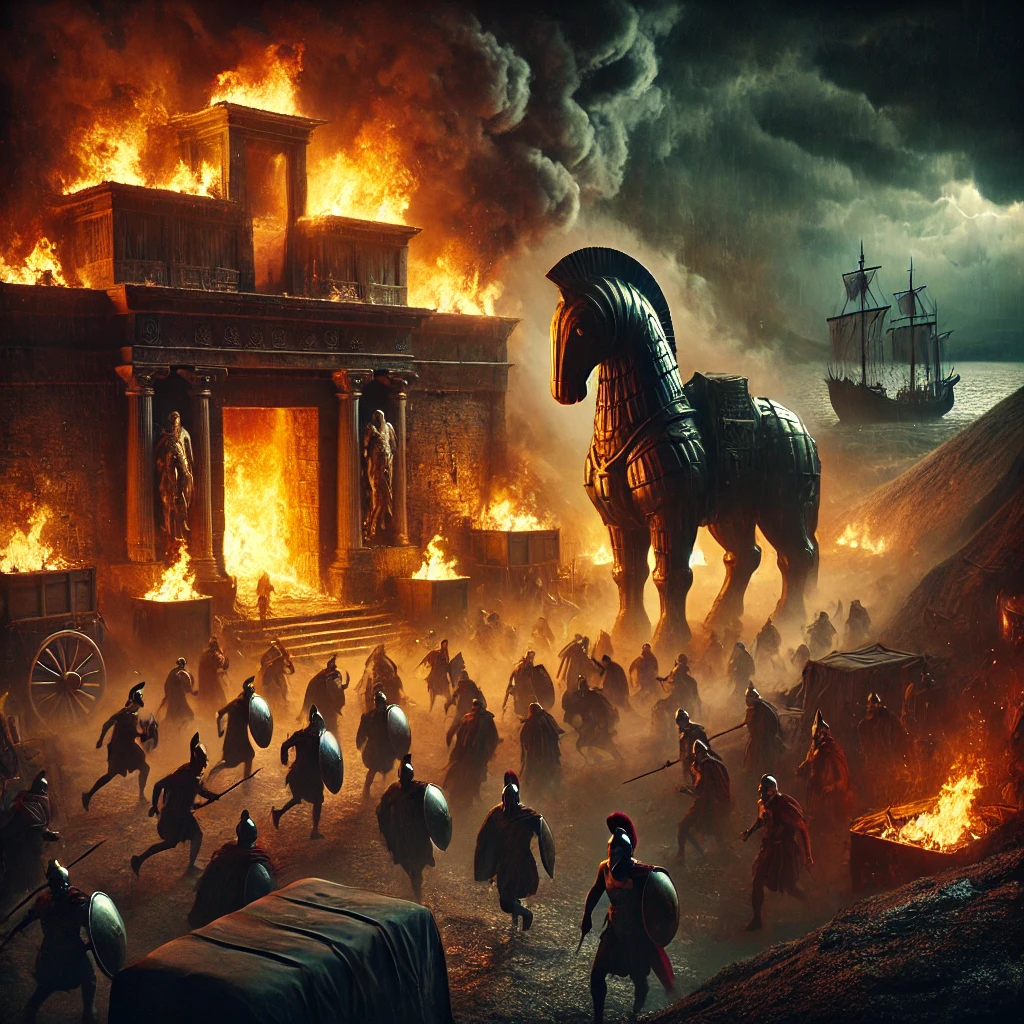
The fall of Troy: The city burns as Greek warriors erupt from the wooden horse and open the gates.
AENEAS, Hector’s successor as Troy’s Commander, fled to Carthage (now in Tunisia) and then to Latium (Italy). Roman Ruler Caesar claimed he descended from Aeneas.

Aeneas escapes Troy, carrying his father Anchises and guiding his son Ascanius—symbolizing piety, legacy, and leadership amid chaos.
By Sasha Alex Lessin, Ph.D. (Anthropology, UCLA)
See more on this at https://wp.me/s1TVCy-greece
AENEAS, Hector’s successor as Troy’s Commander, fled to Carthage (now in Tunisia) around 1190 BCE, then to Latium (Italy). Roman ruler Julius Caesar, much later, claimed he descended from Aeneas.
By Sasha Alex Lessin, Ph.D. (Anthropology, UCLA)
SEE VIDEOS FOR THIS POST IN “comments” UNDER THIS POST.
See more on this at https://wp.me/s1TVCy-greece
Aeneas was a grandson of King Capys of Dardania. Aeneas’ grandfather was King Capys of Dardania, a kingdom north of Mount Ida, just east of Troy in northwestern Asia Minor (modern-day Turkey), south of the Hellespont, a few miles northeast of Troy.
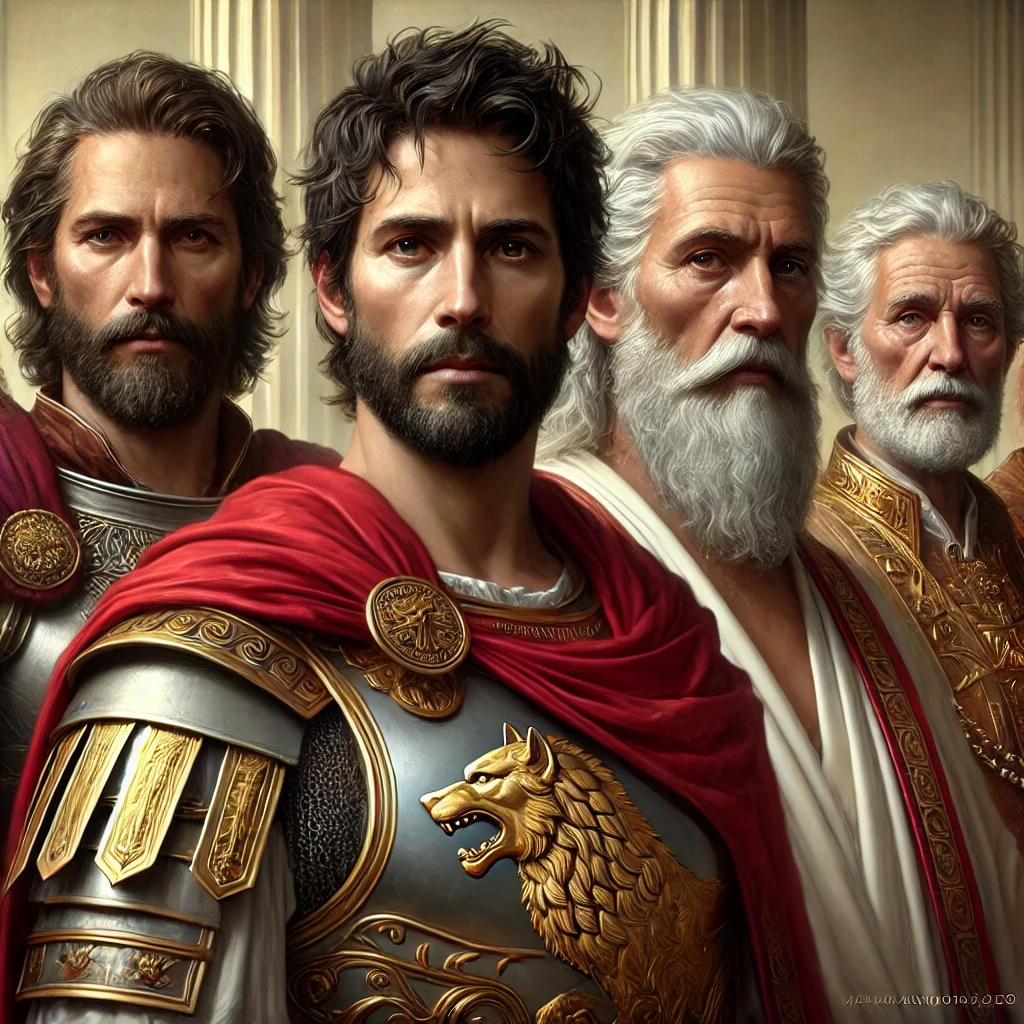
Aeneas was Troy’s Second-in-Command (under Troy’s Prince Hector) in the war against the Mycenaean Greek fleet that attacked Troy after Trojan Prince Paris stole Sparta’s gold and eloped with its Queen Helen.
Paris’s ostensibly friendly visit and his crimes in Sparta, while Helen’s husband was in Crete, ignited the war between Sparta’s Mycenaean Greek alliance and the Greek-speaking people of NE Turkey.
Aeneas’ father, ANCHISES, a noble Dardanian Earthling, begat Aeneas with Anunnaki Inanna, known to the Greeks as Aphrodite.**
The Centaur CHIRON, part of a race of half-human, half-horse beings created by Enki/Poseidon, trained Aeneas in warfare.
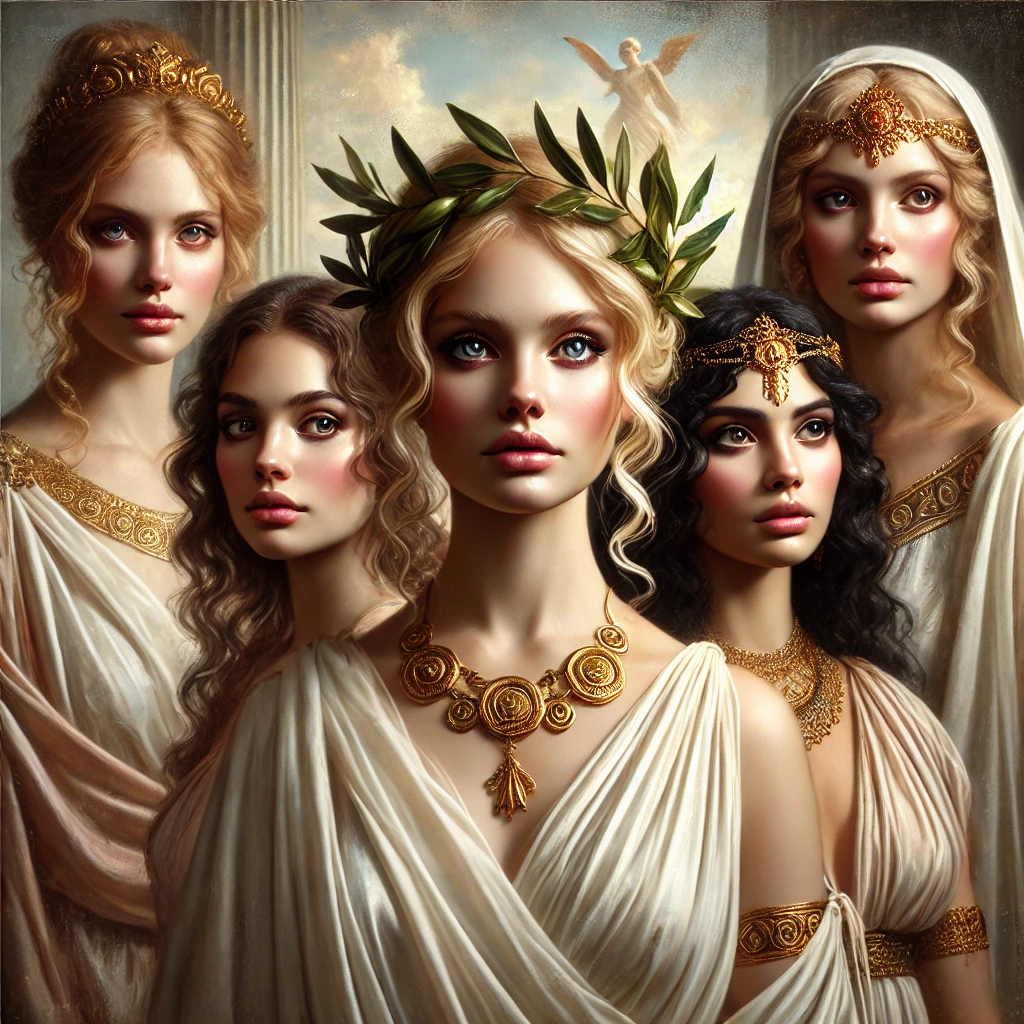
Aeneas married CREUSA, a daughter of Dardania’s overlord, King Priam of Troy.
After the Greek Hero Achilles killed Hector, Aeneas became the overall commander of the Trojans.
Aeneas was outside Troy’s walls when the Greeks, in the wooden horse they gave to Troy, opened the city’s gates and slaughtered the Trojans within. Aeneas organized a rescue of survivors but had to flee. He carried his father, Anchises, on his back. Greeks killed Creusa as she tried to escape with Aeneas.
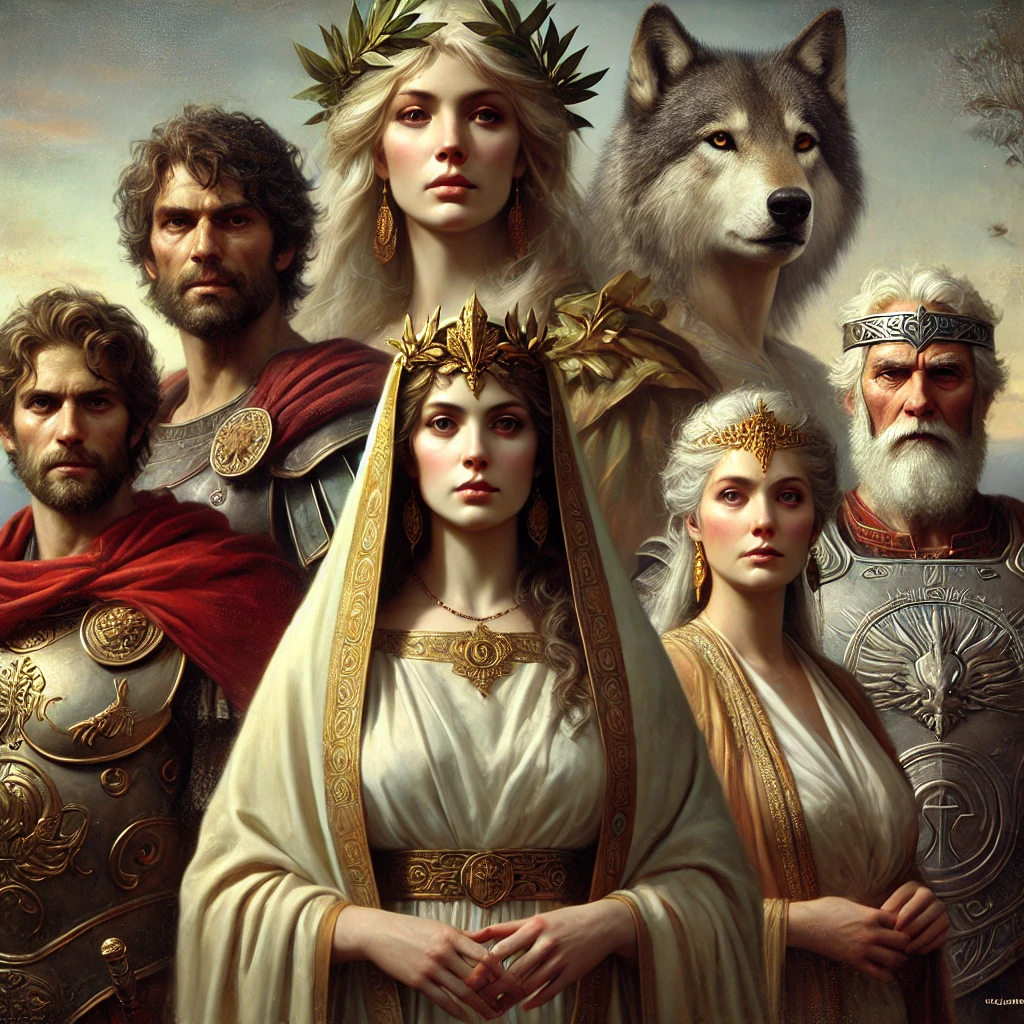
AENEAS BONDED WITH CARTHAGE’S QUEEN, BUT ZEUS/MARDUK MADE HIM LEAVE HER & SAIL TO LATINIUM IN ITALY
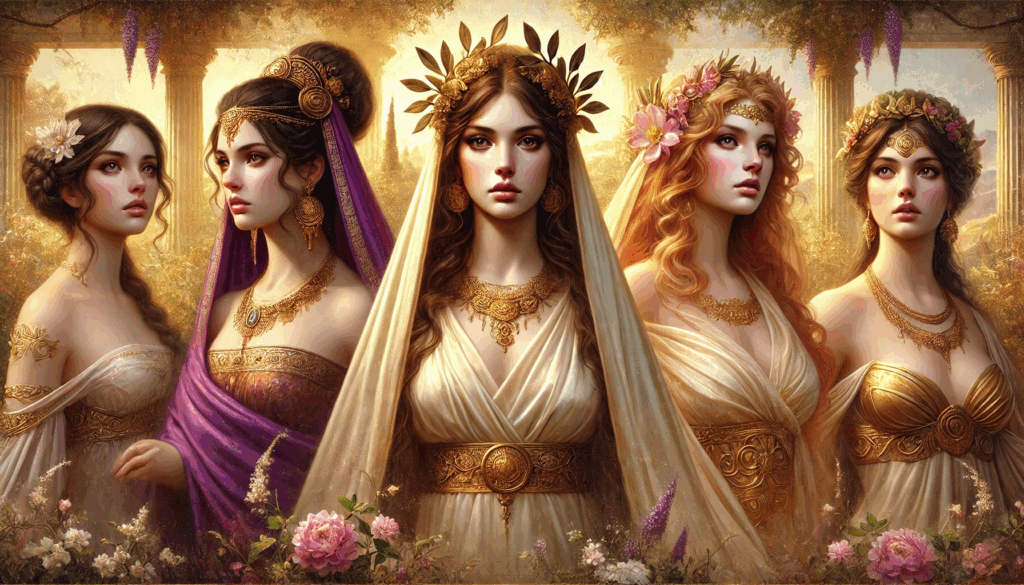
“In the Aeneid (by Virgil), which Julius Caesar cited to justify his apotheosis, a storm blew Aeneas to Carthage, Queen DIDO’s North African City. Some scholars believe Virgil fabricated this to flatter Rome’s Emperors—Augustus succeeded Caesar and had The Aeneid published anyhow.
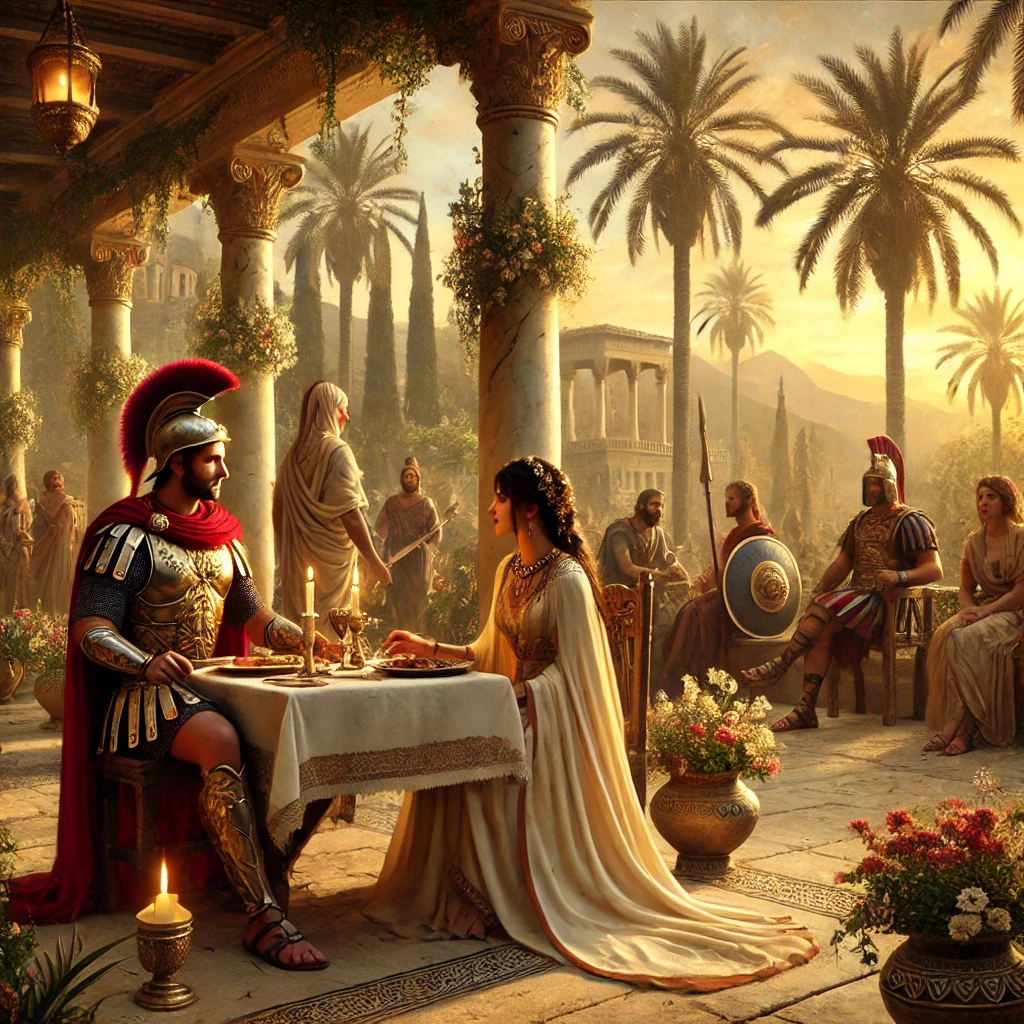
📸 Aeneas and Queen Dido relax in the royal gardens of Carthage—dining in a lush setting, surrounded by palm trees and curious courtiers.
In Carthage, Queen Dido’s brother, Pygmalion, had murdered her husband, Sychaeus. Widow Queen Dido entertained Aeneas & his crew for a year. He dazzled her with his exploits in the Trojan War.
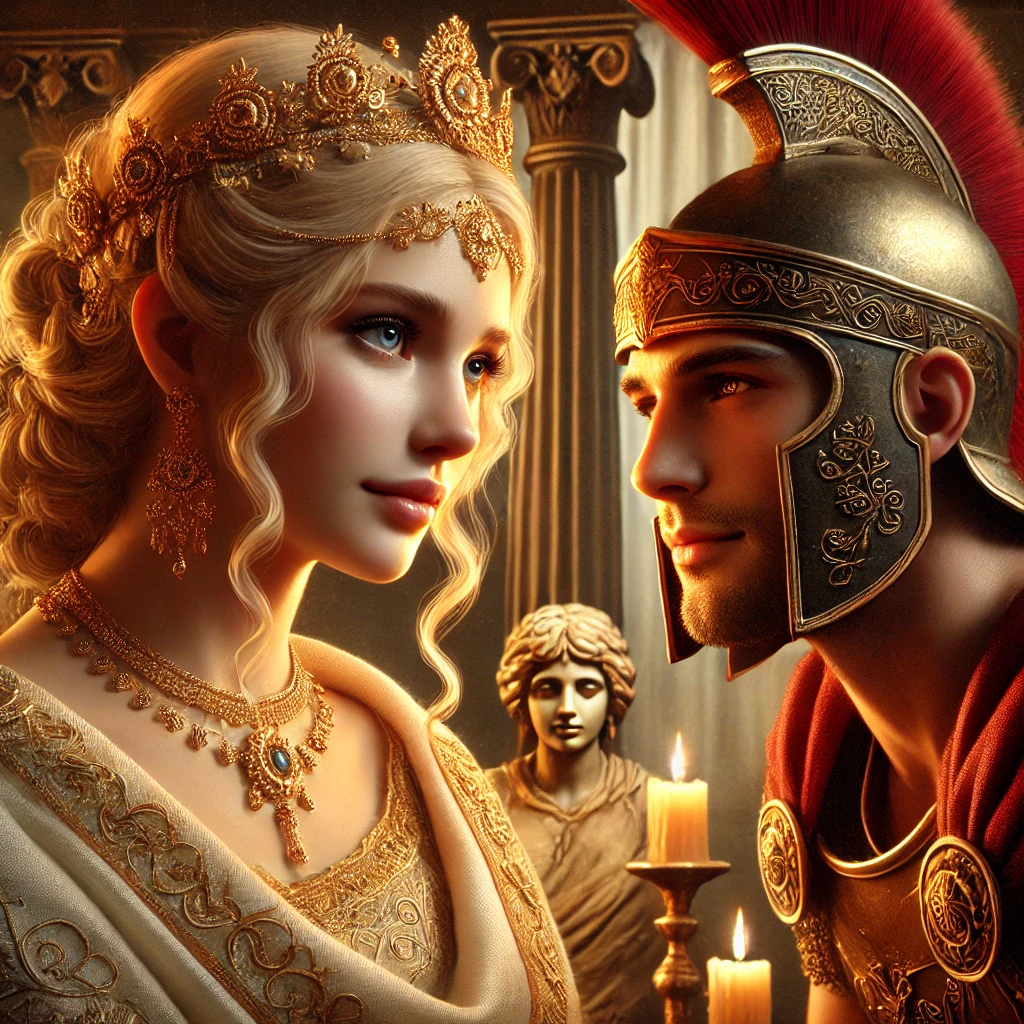
Queen Dido gazes at Aeneas with a look of awe and affection as he tells tales of Troy. Her love grows as her guard drops.

As Dido and Aeneas connected, IARBUS, King of nearby Getulia, who wanted Dido himself, became angry. She had refused Iarbus’ marriage proposal, she said, because she still mourned Sychaeus. But she fell for Aeneas & took him as her lover. To her subjects, her affair with Aeneas proved her disloyal to Carthage.
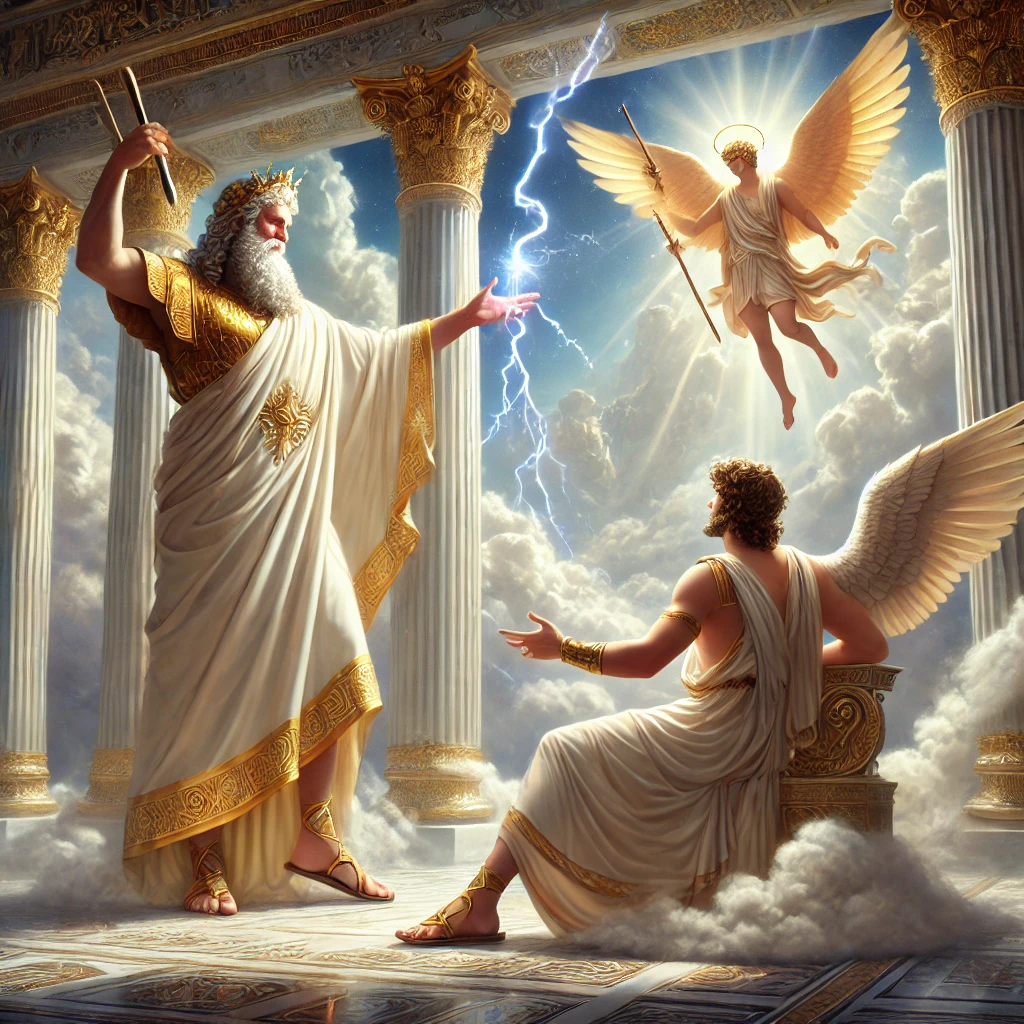
On Mount Olympus, Zeus commands Mercury to deliver a divine order: Aeneas must leave Carthage and fulfill his destiny.
Iarbus asked Zeus/Jupiter to make Aeneas leave Carthage. Jupiter told Aeneas to go. AENEAS THOUGHT HE COULDN’T DISOBEY ZEUS’ COMMAND, so Aeneas & his men sneaked off & sailed for Italy.
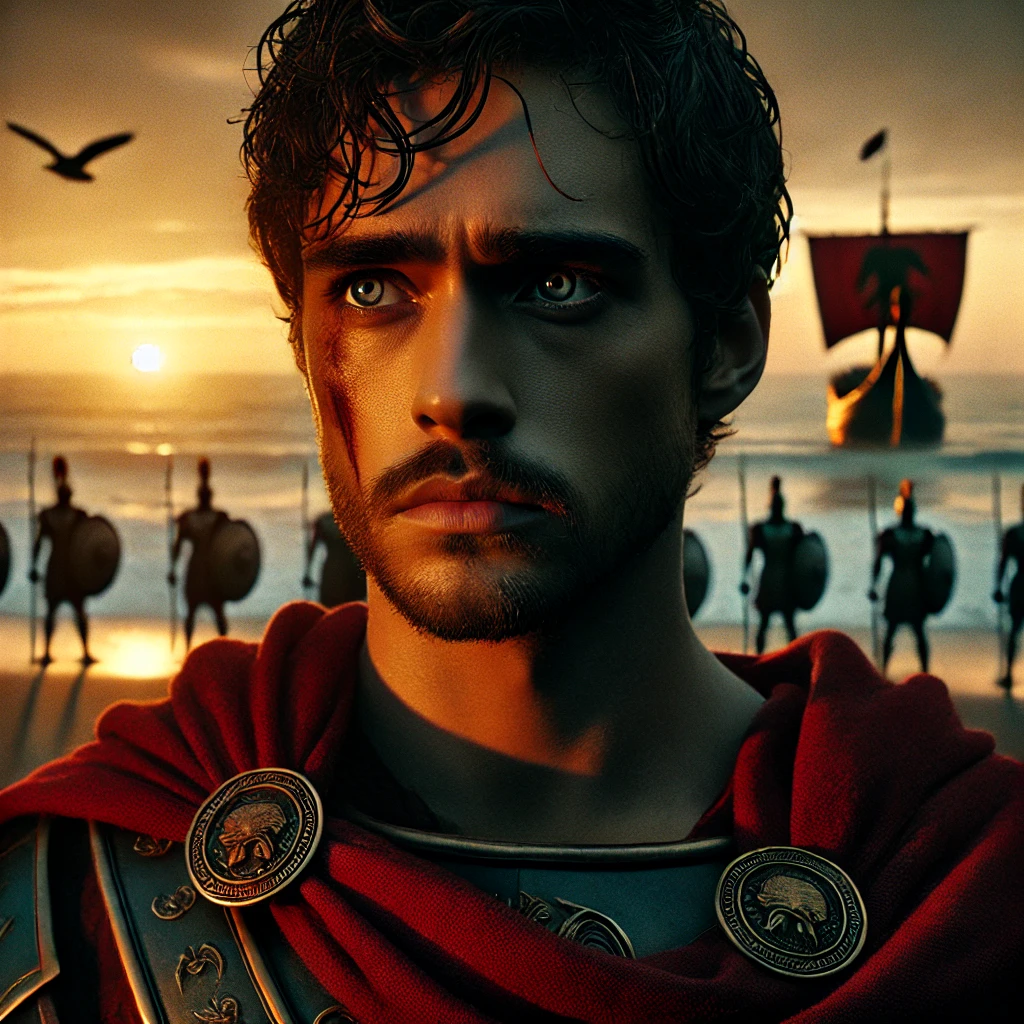
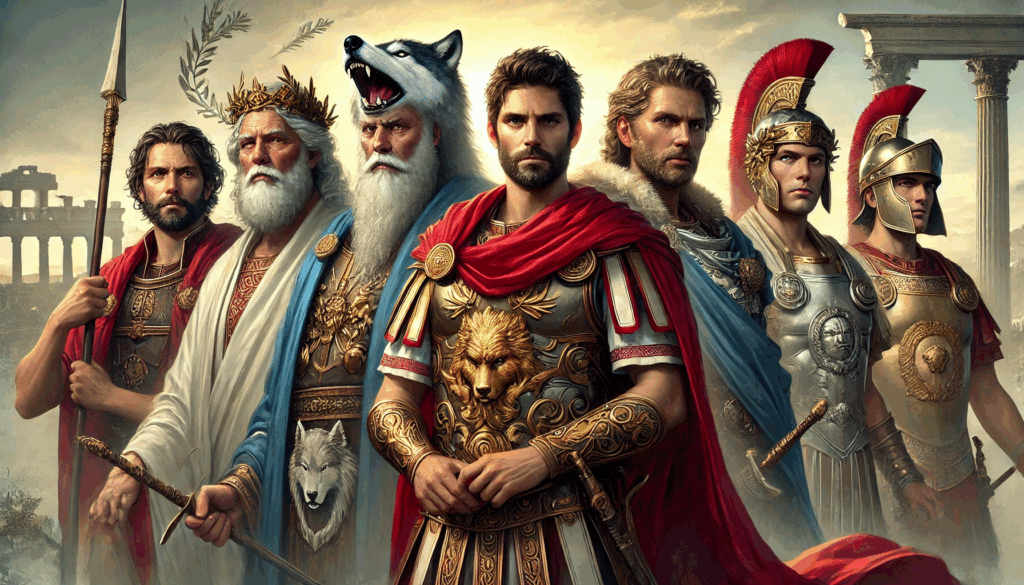
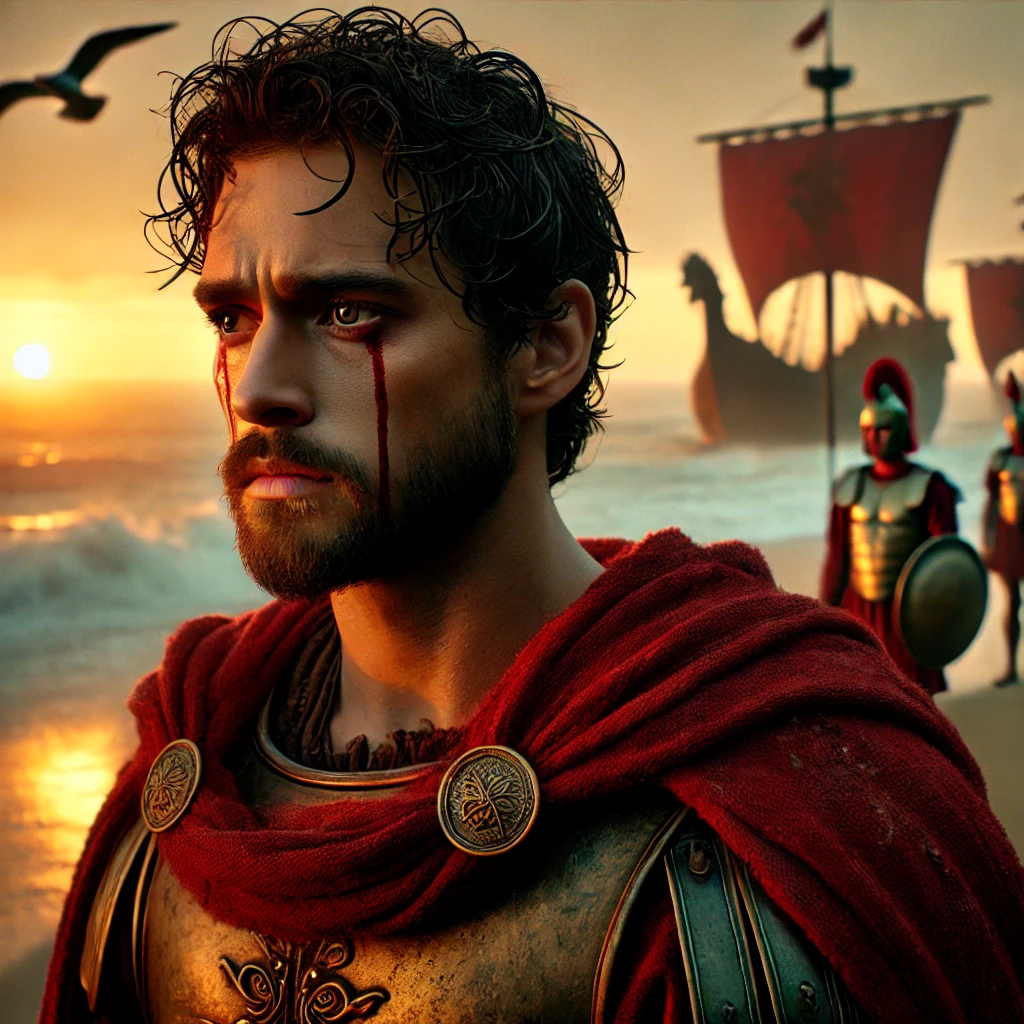
Aeneas’ departure burned up Dido (she died in a funeral pyre she made herself).
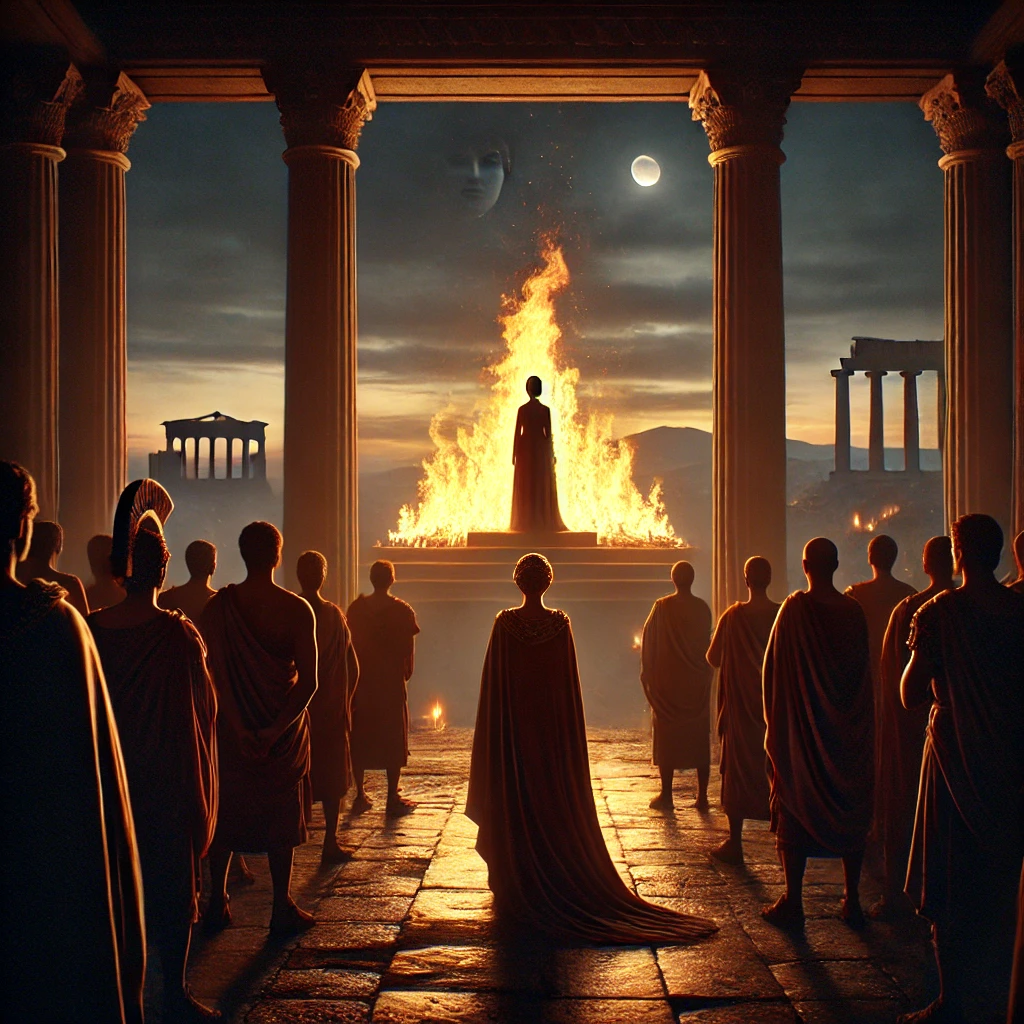
A royal pyre burns in the distance as the people of Carthage look on in grief. Queen Dido’s silhouette stands above the flames, symbol of a ruler torn between love and loyalty.
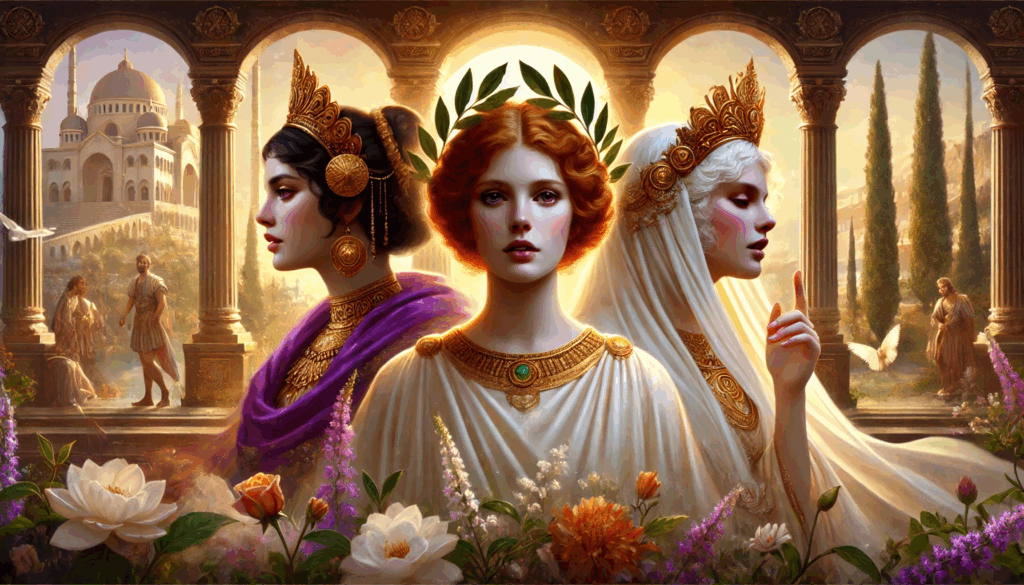
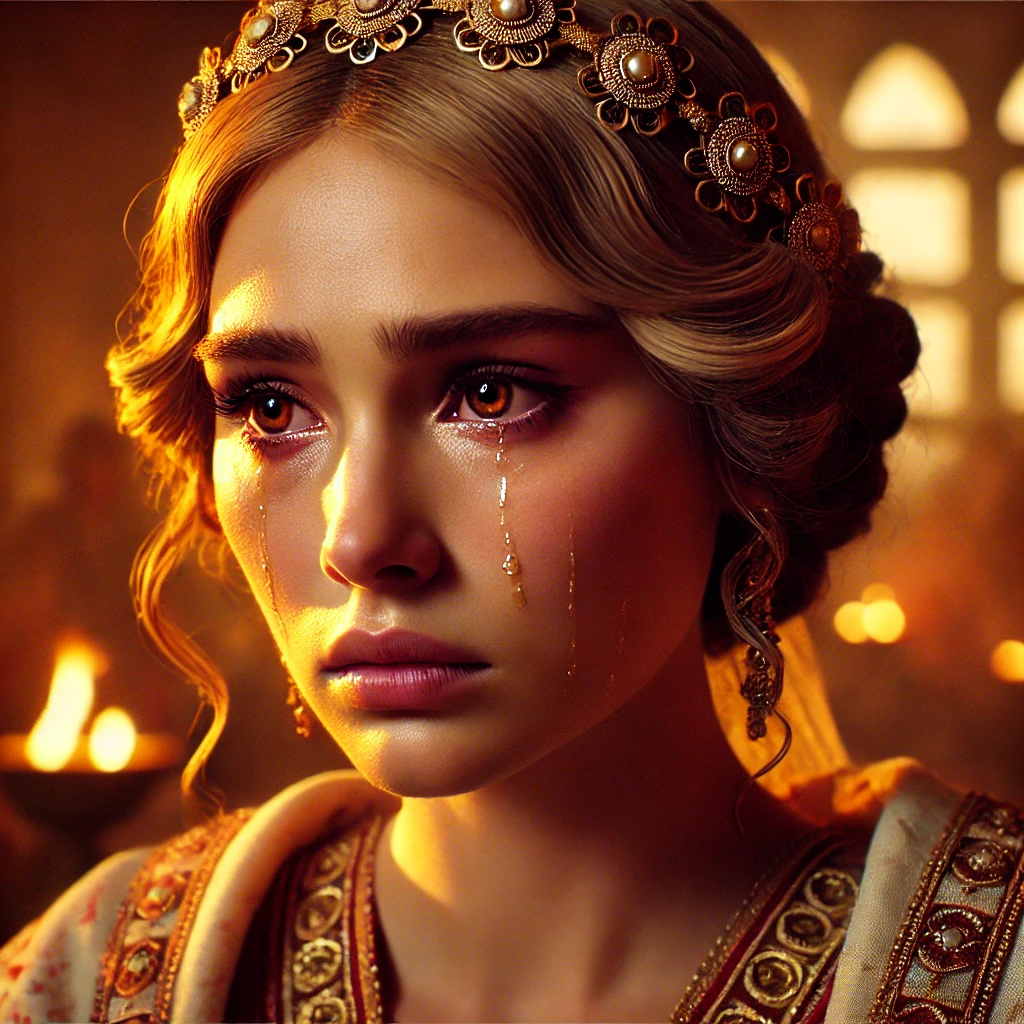
To Dido’s subjects, Dido’s passionate love affair with Aeneas compromised her loyalty to her kingdom. She had chosen love over duty to her realms & people, but Aeneas honored his duty over his love for Dido. He continued on his mission: founding Rome.
He stopped at Sicily & organized funeral games to honor his father, Anchises, who had died a year before.
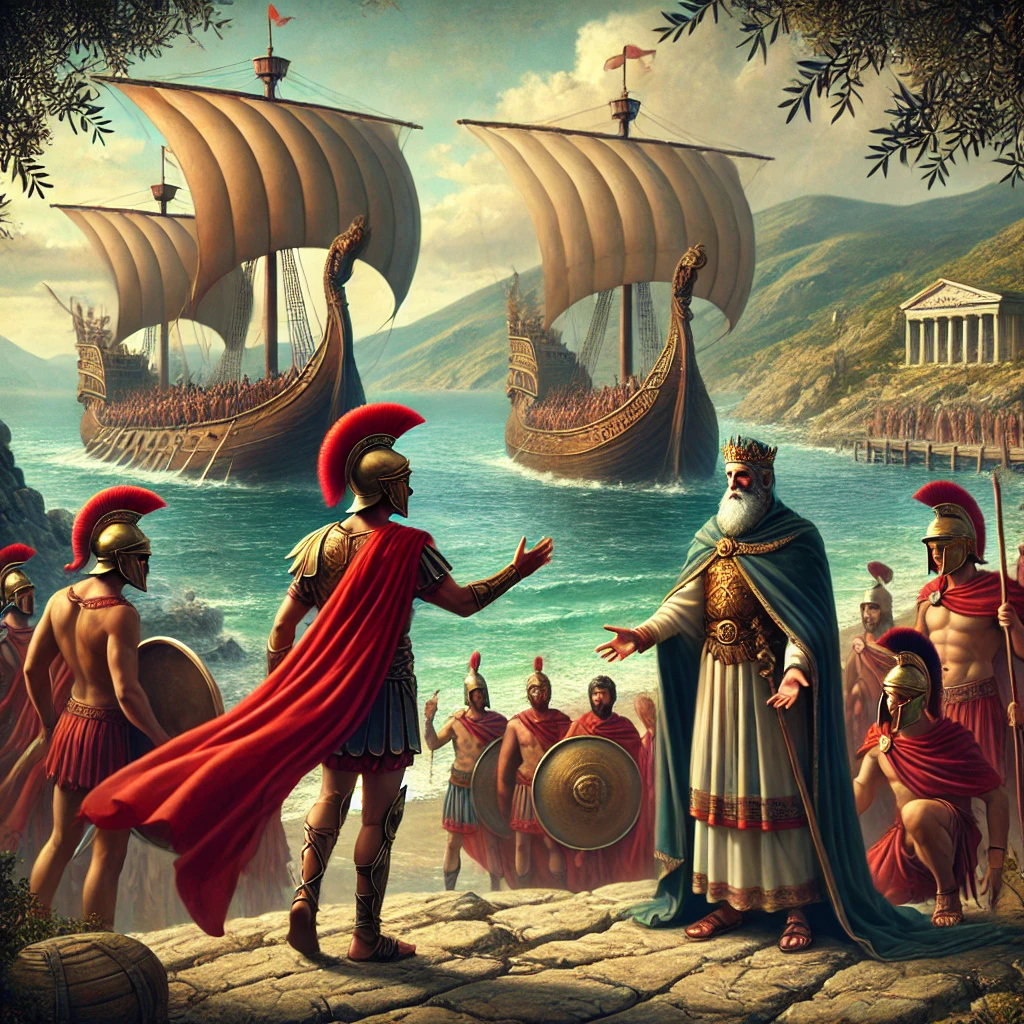
“Aeneas arrived on Italy’s west coast at the kingdom of the Latins, where KING LATINUS welcomed him.”
Trojan ships arrive on the coast of Latium. Aeneas steps ashore, greeted by King Latinus under the Mediterranean sun, as warriors and villagers observe with interest.
Aeneas arrived on Italy’s west coast at the kingdom of the Latins, where KING LATINUS welcomed him. Aeneas asked the King for his daughter, Lavinia, in marriage.
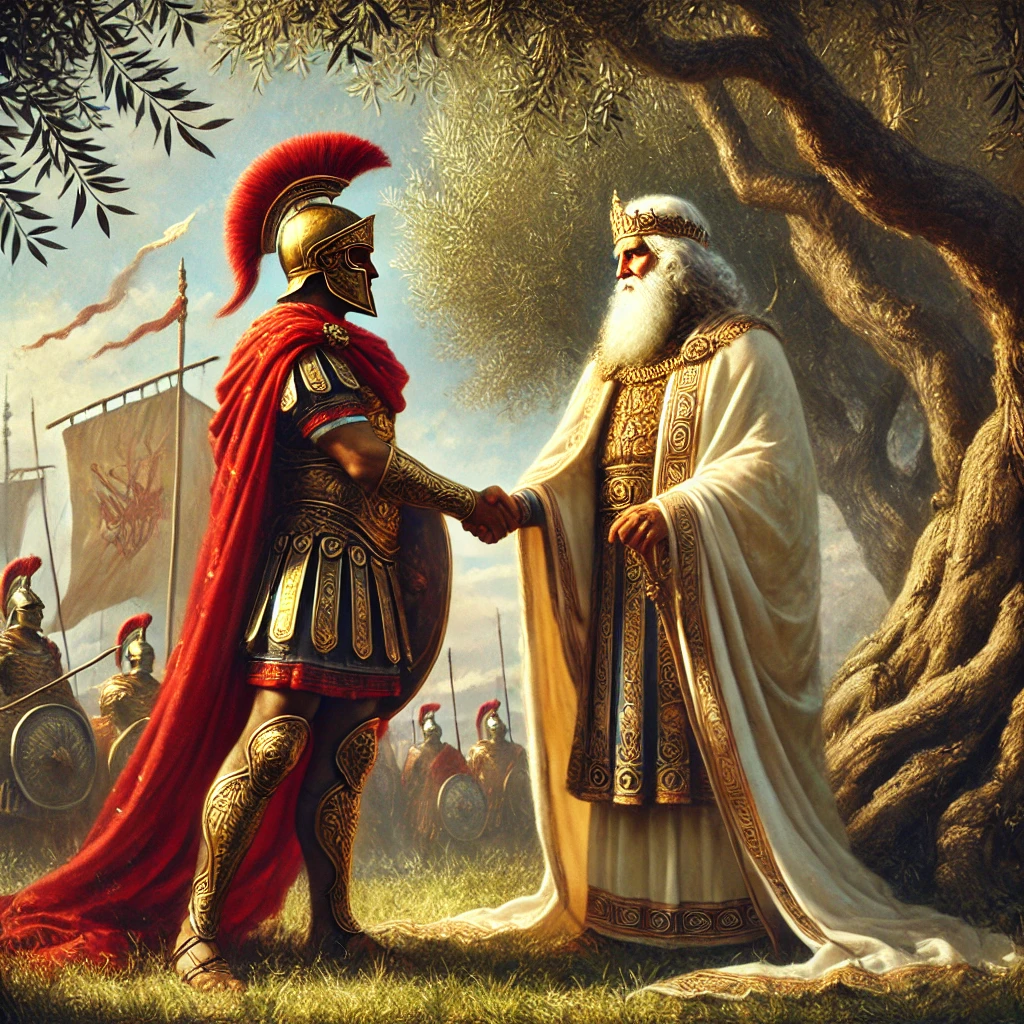

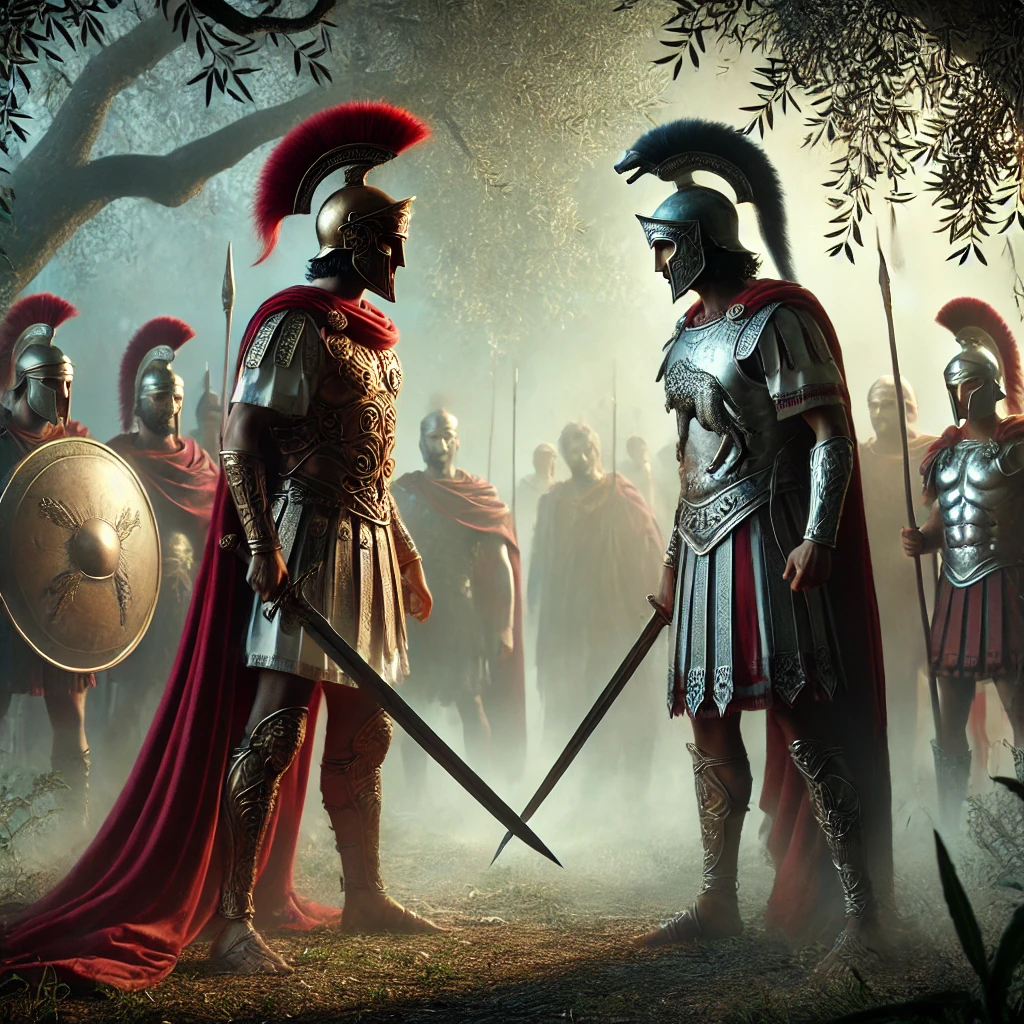
Aeneas and Turnus stand face-to-face at dawn in a quiet forest clearing, surrounded by silent warriors. The air is heavy with fate and the weight of a kingdom’s future.
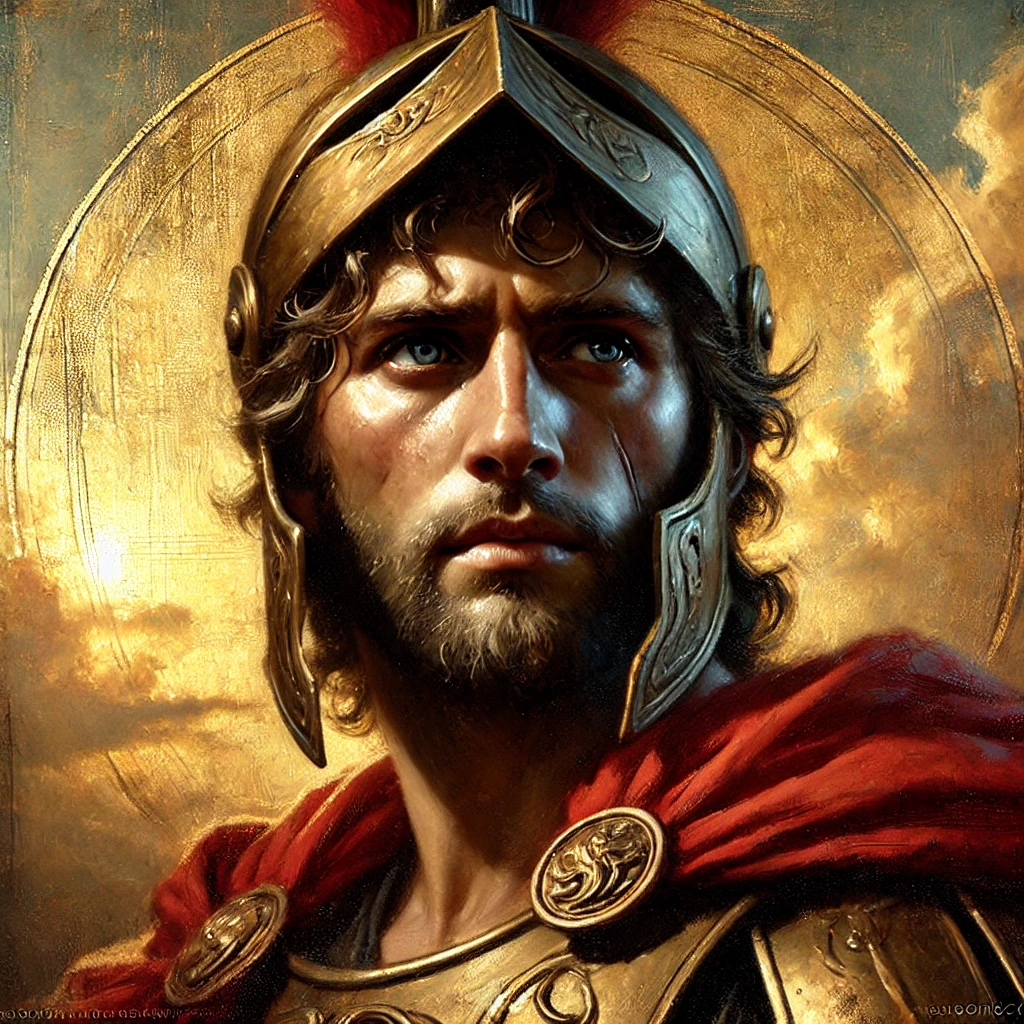
Aeneas stands solemn, weathered by war and loss, bound by fate to build a future.
TURNUS, King of the nearby Rutuli, challenged Aeneas for Lavinia and control of Latium, but Aeneas killed Turnus in single combat.
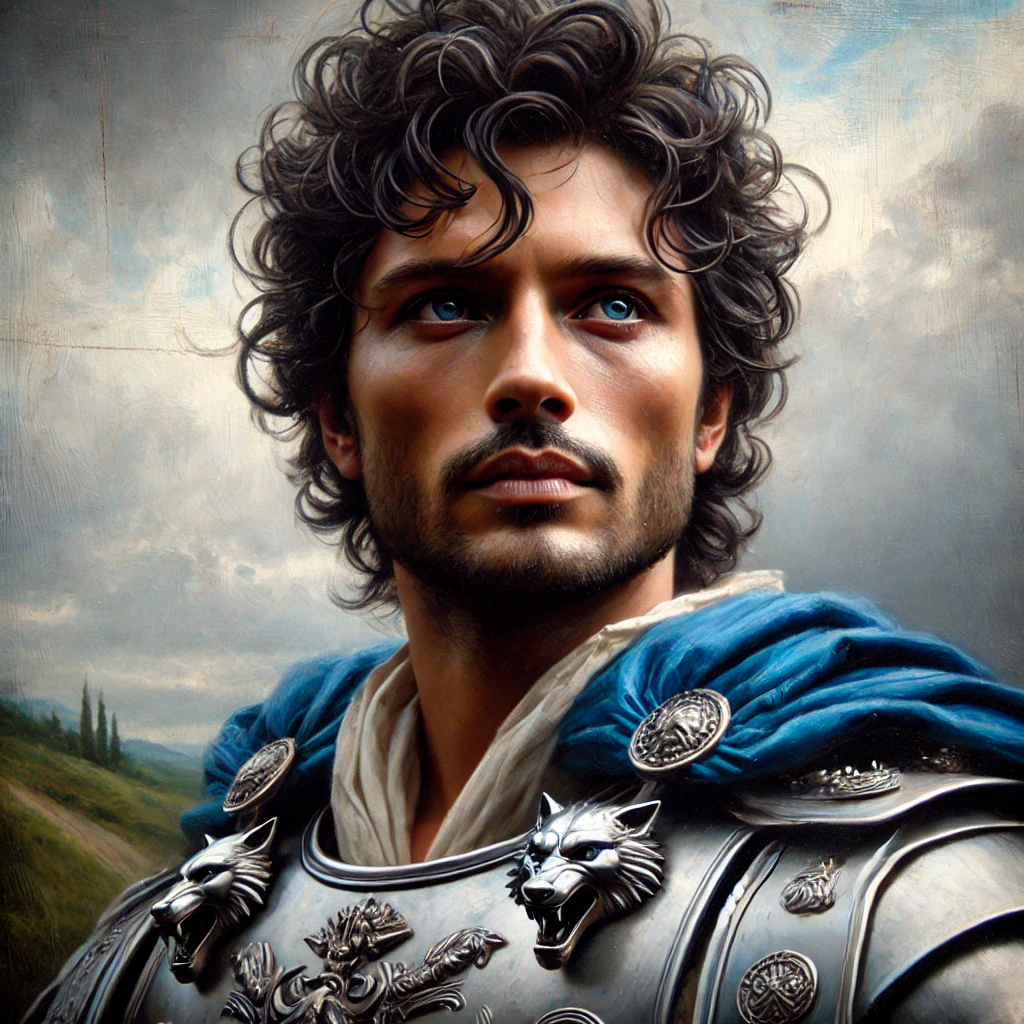
The fierce Italic warrior-king stands proud beneath stormy skies, defying fate and Rome’s future.
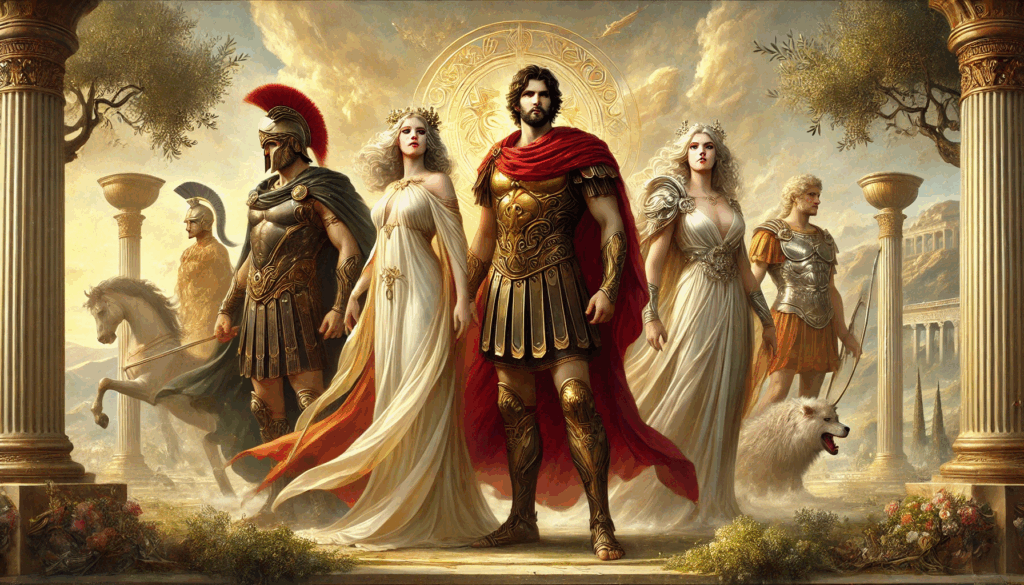
When King Latinus died, Aeneas became the king of the area and built a city for himself, which he called Lavinium.
But peace did not last. News of Dido’s suicide reached Aeneas. Lavinia, driven by jealousy, raged at her husband’s past love.

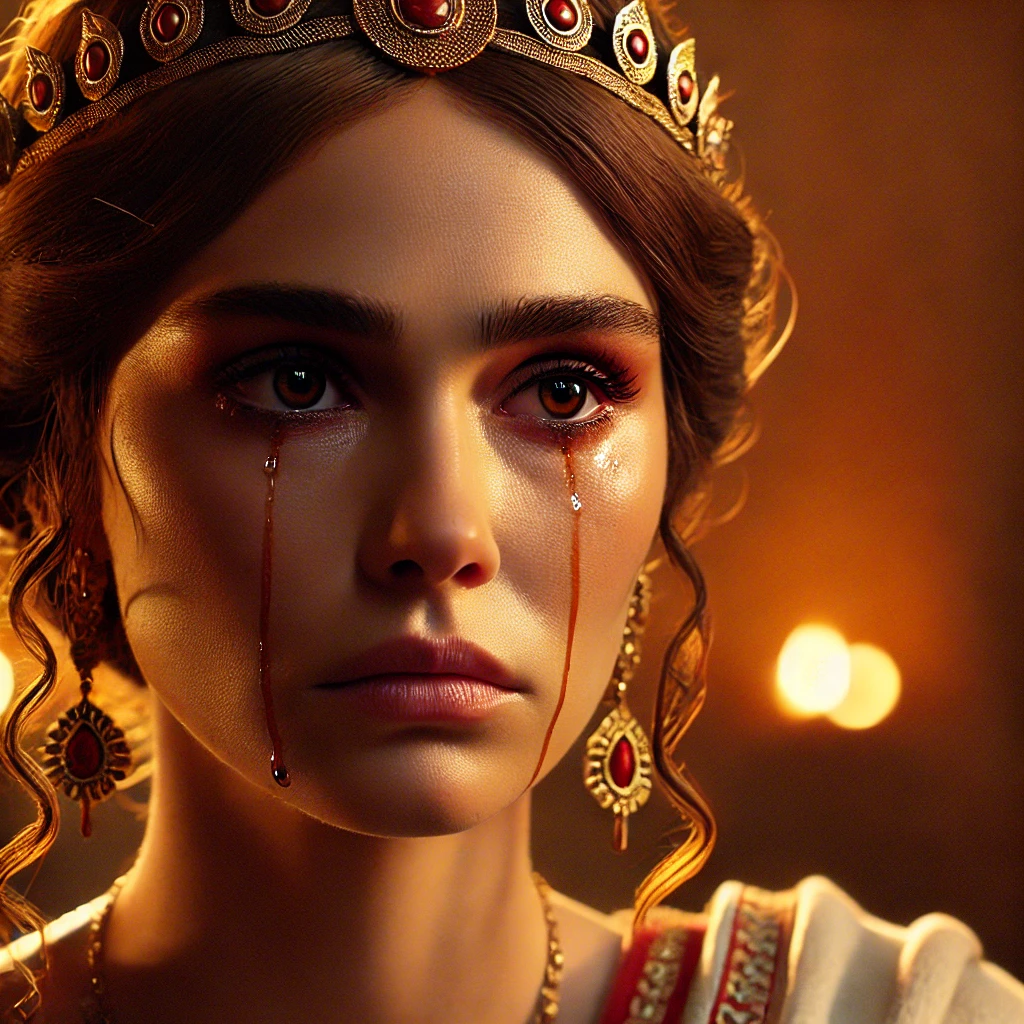
The princess of Latium, torn between love and rage, confronts the shadow of Aeneas’ past.
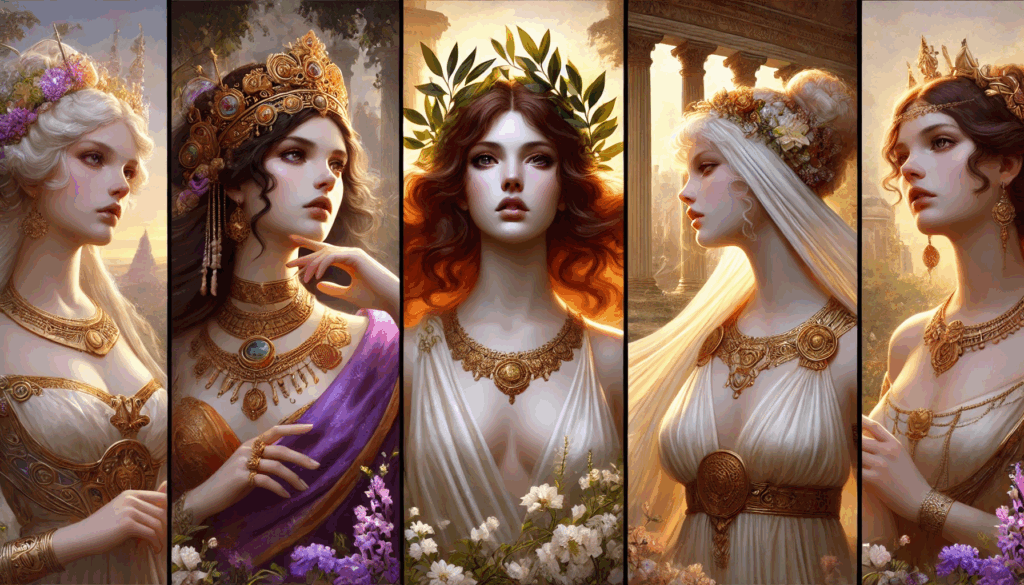
You mourn her! Not me! she cried.
Overwhelmed, Aeneas could not endure her fury. He took his own life.

Before his death, Aeneas had fathered a son with Lavinia, Silvius. Silvius would become the ancestor of Romulus, the founder of Rome.*
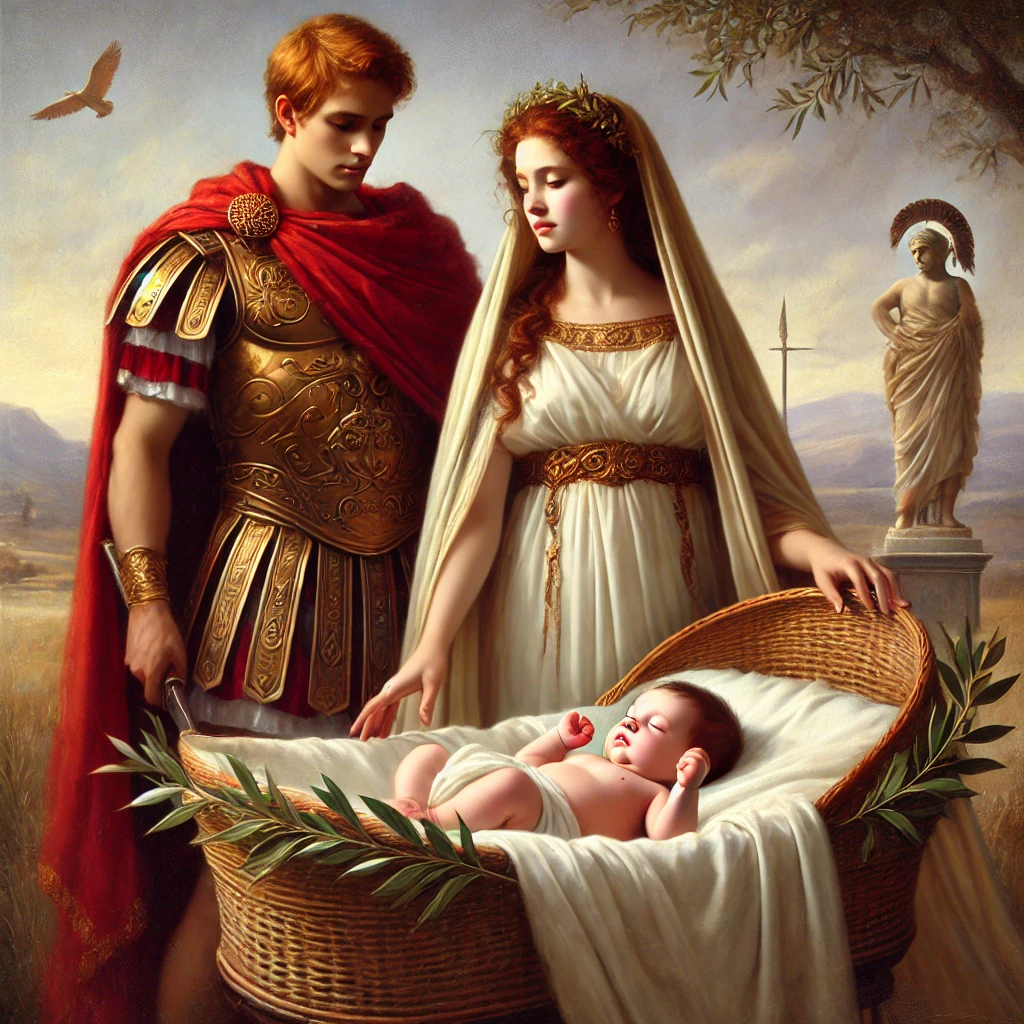
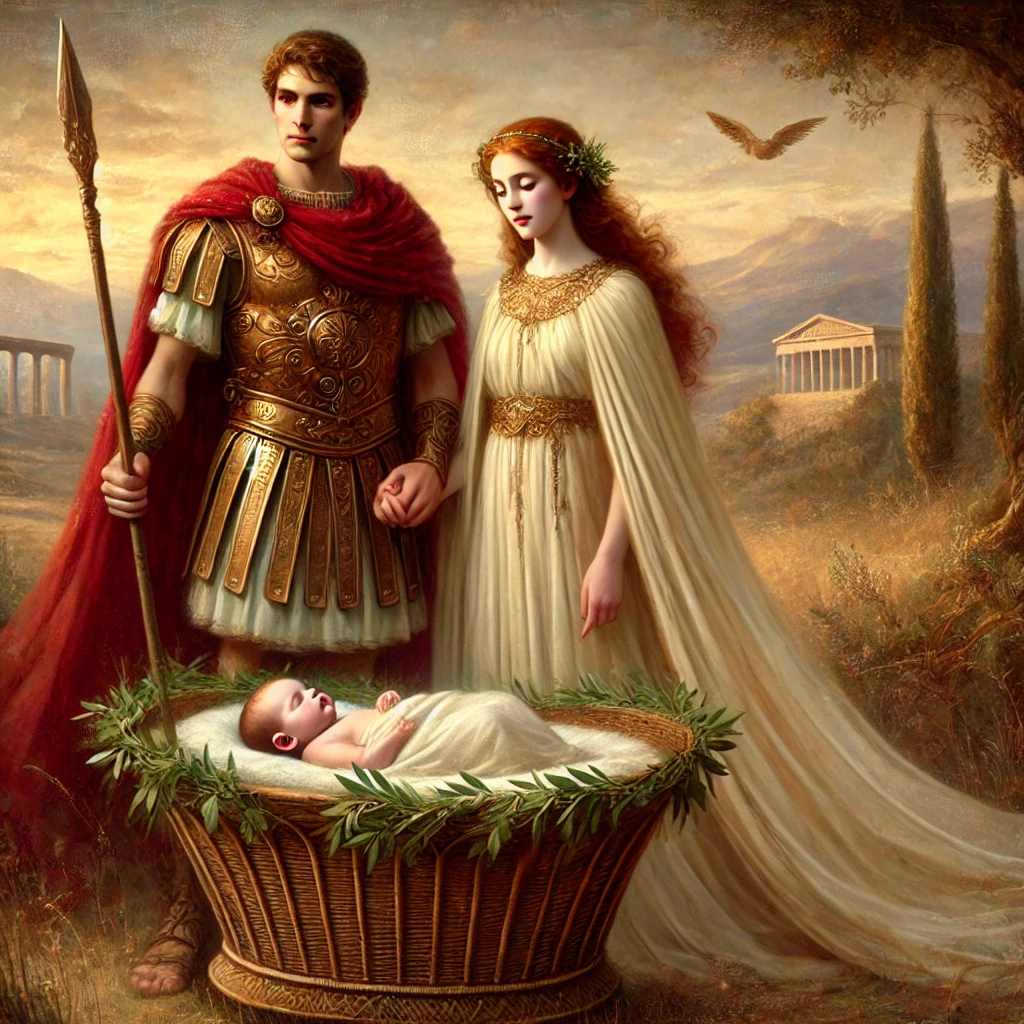
Aeneas and Lavinia gaze tenderly at their newborn son, Silvius—ancestor to Romulus and the future founders of Rome.


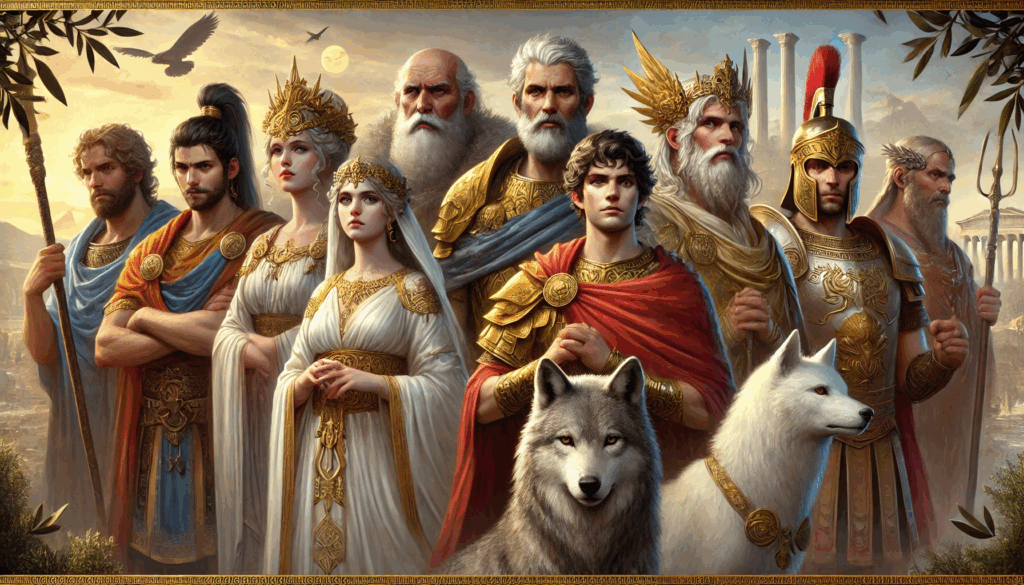

*I illustrate the story of the Trojan War with videos from See U in History.
**The names of the same Anunnaki Royals varied with the regions where they lived. When they were in Sumer, they had one set of names—Enki, Marduk, Ninurta, Enlil.
In Greece, these same Anunnaki, who claimed they rocketed to Earth from the Planet Nibiru, took the names Psoideon, Zeus/Ahura Mazda, and Apollo; Enlil became Yahweh in Canaan. Inanna became Aphrodite in Greece.
When Marduk became the Supreme Anunnaki “god” in 2024 BCE, he declared that all the other Anunnaki Royals were but avatars or aspects of him.
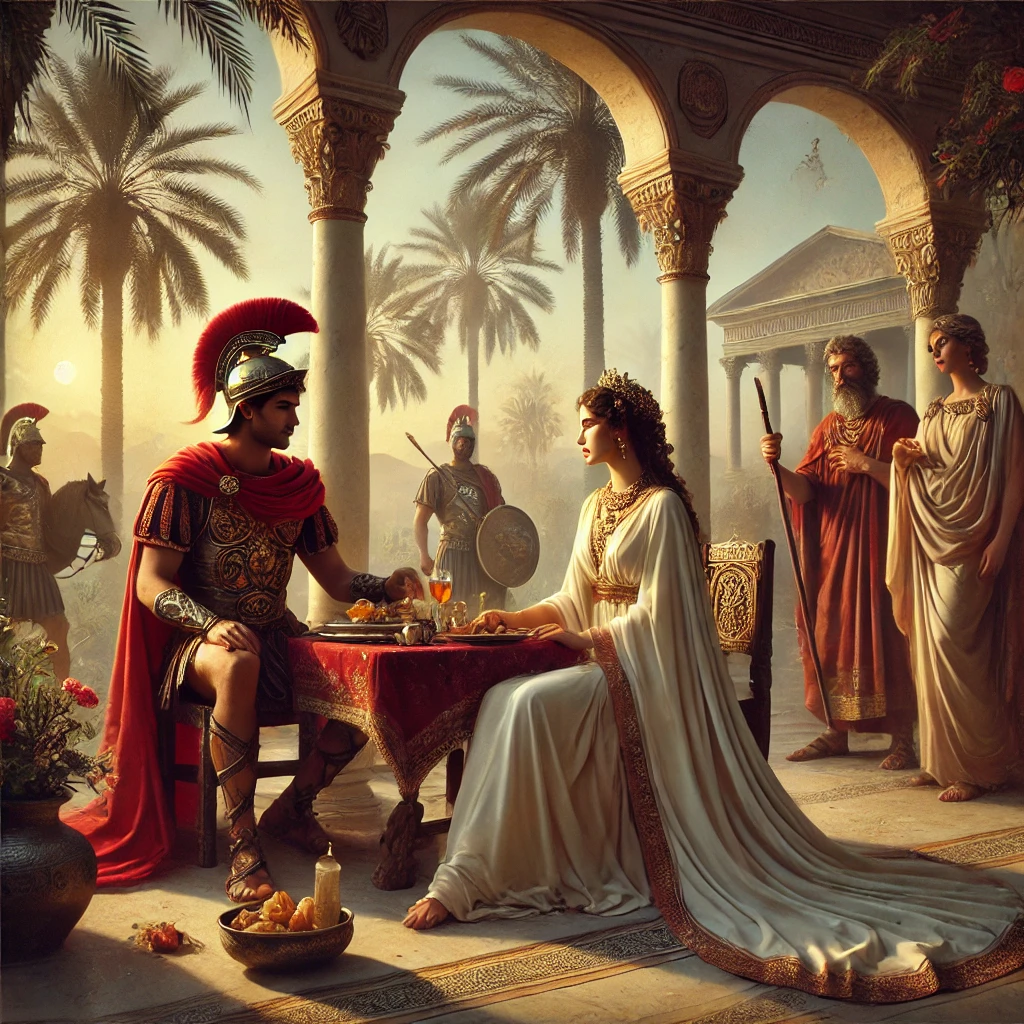
Aeneas and Queen Dido relax in the royal gardens of Carthage, dining in a lush setting, surrounded by palm trees and curious courtiers.
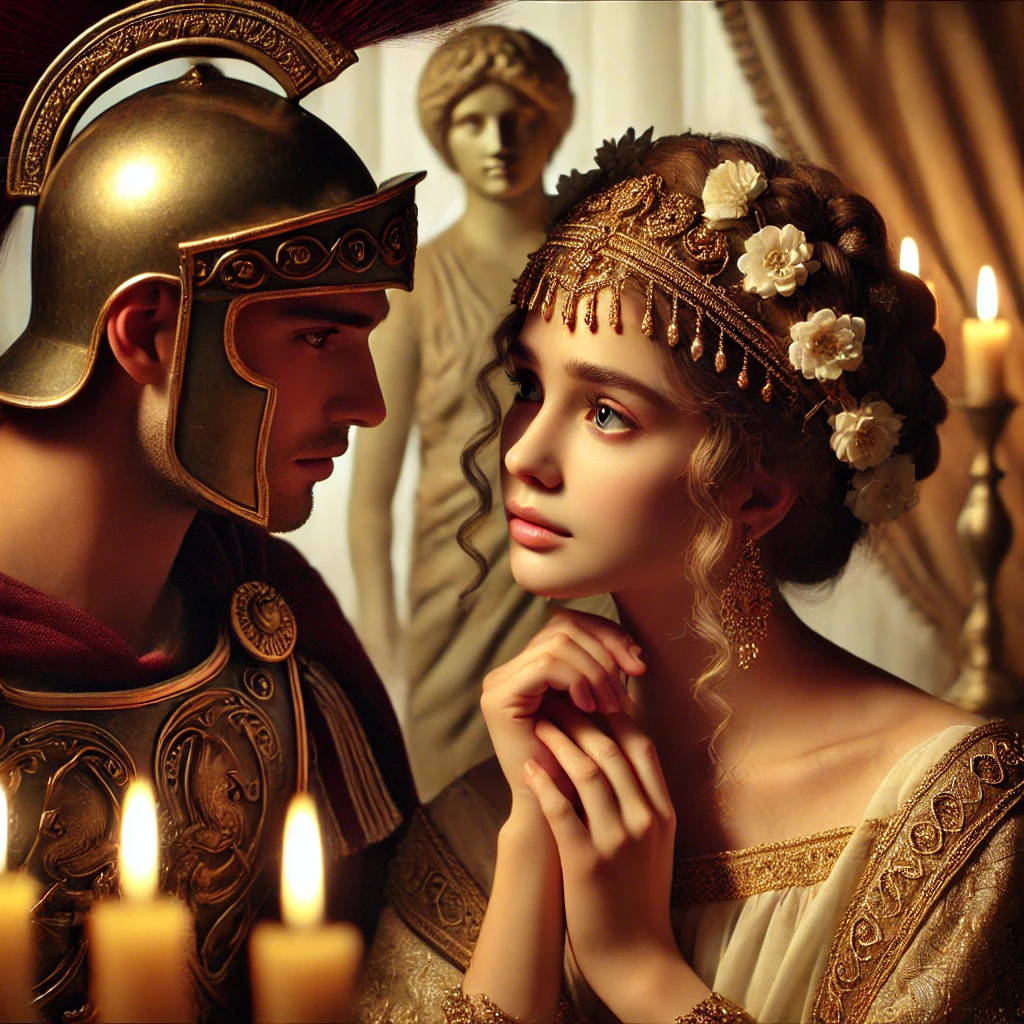
Queen Dido gazes at Aeneas with a look of awe and affection as he tells tales of Troy. Her love grows as her guard drops.
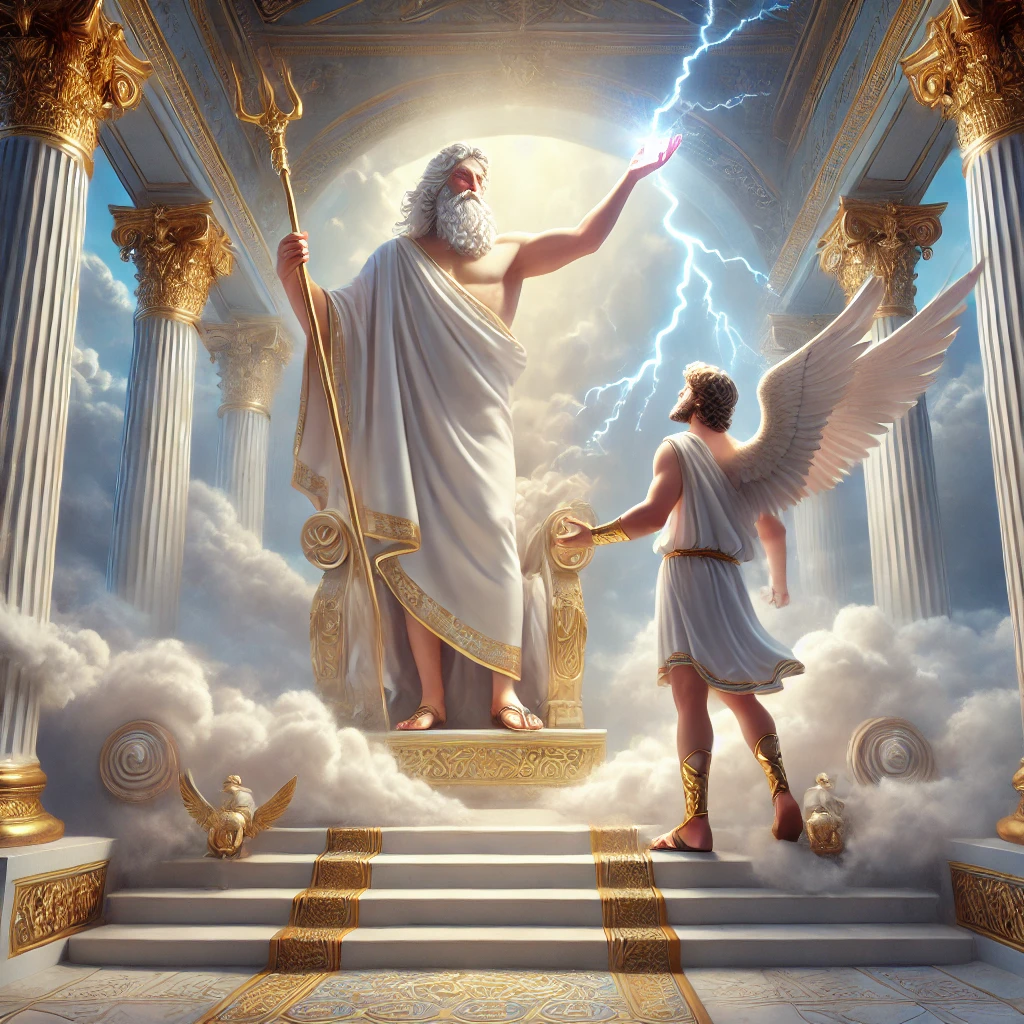
On Mount Olympus, Zeus commands Mercury to deliver a divine order: Aeneas must leave Carthage and fulfill his destiny.
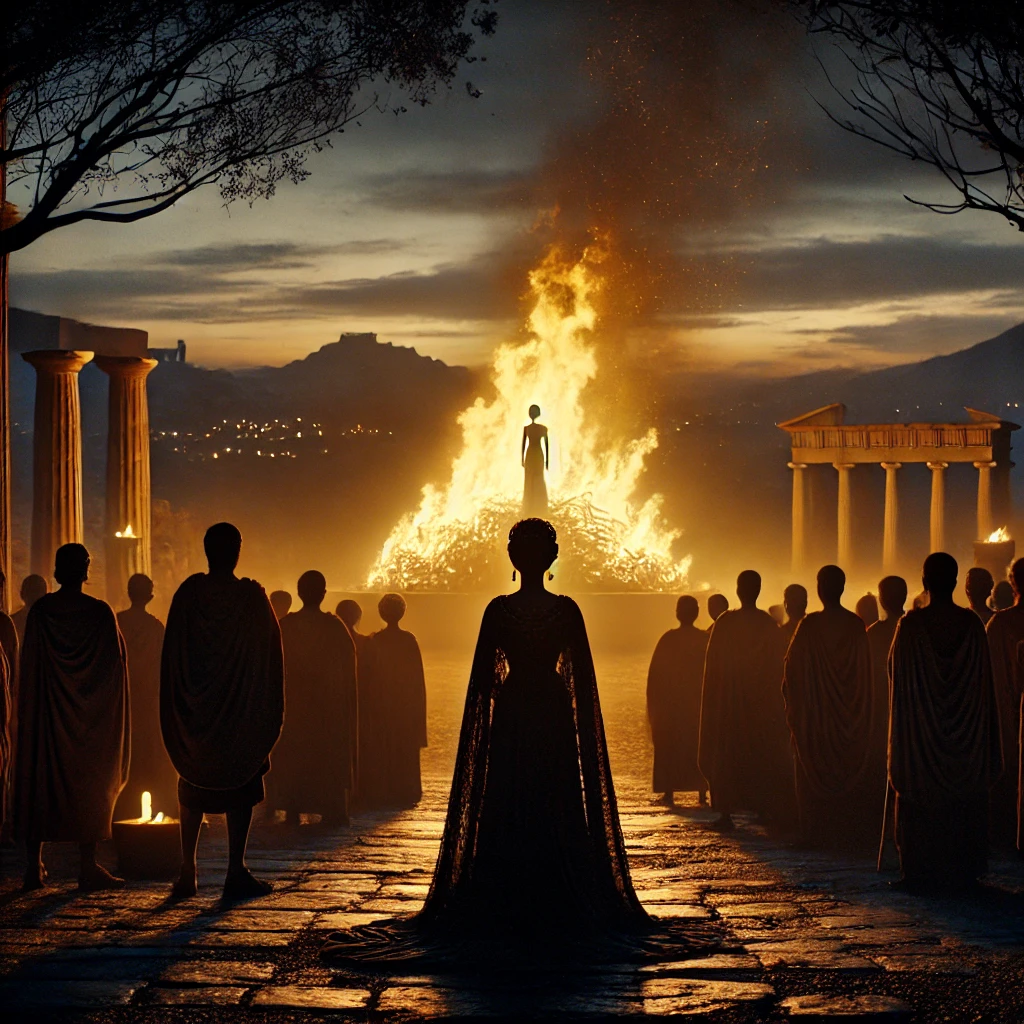
A royal pyre burns in the distance as the people of Carthage look on in grief. Queen Dido’s silhouette stands above the flames, symbol of a ruler torn between love and loyalty.
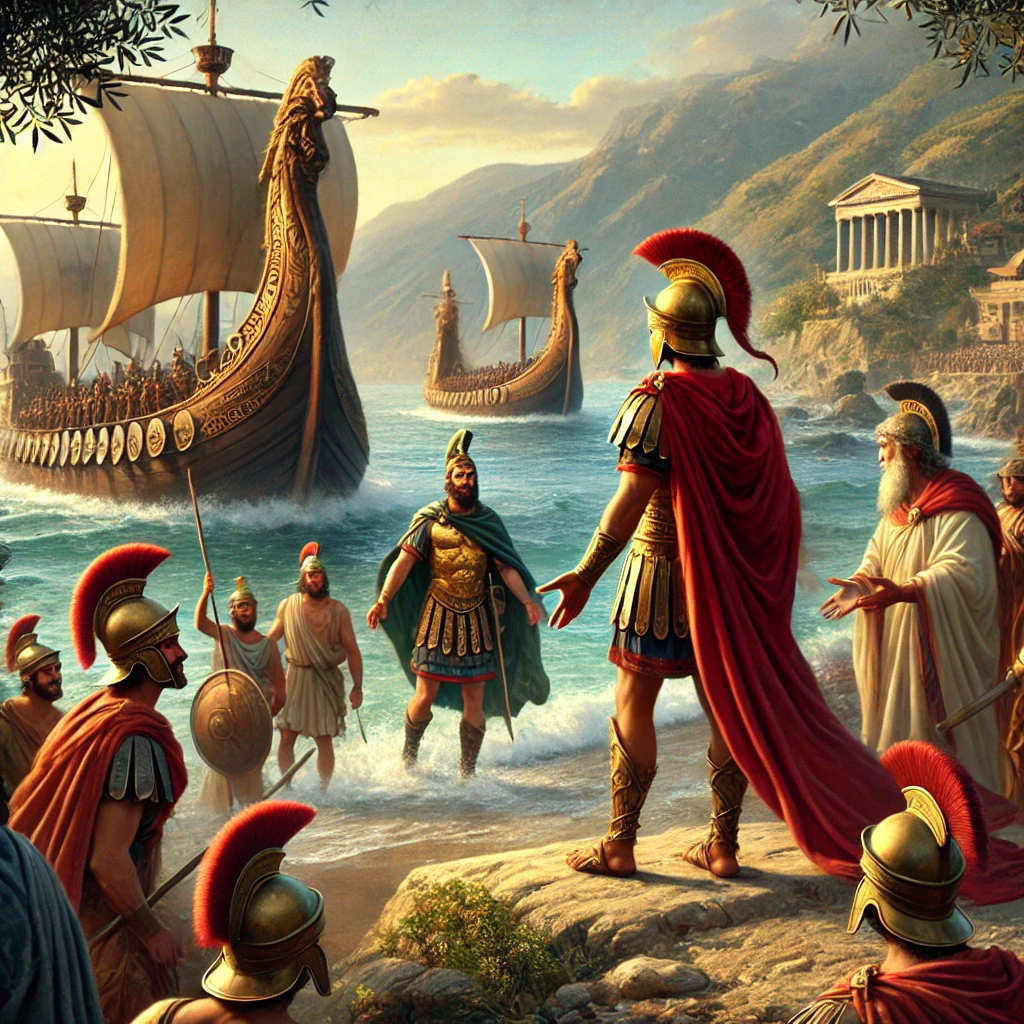
Trojan ships arrive on the coast of Latium. Aeneas steps ashore, greeted by King Latinus under the Mediterranean sun, as warriors and villagers observe with interest.

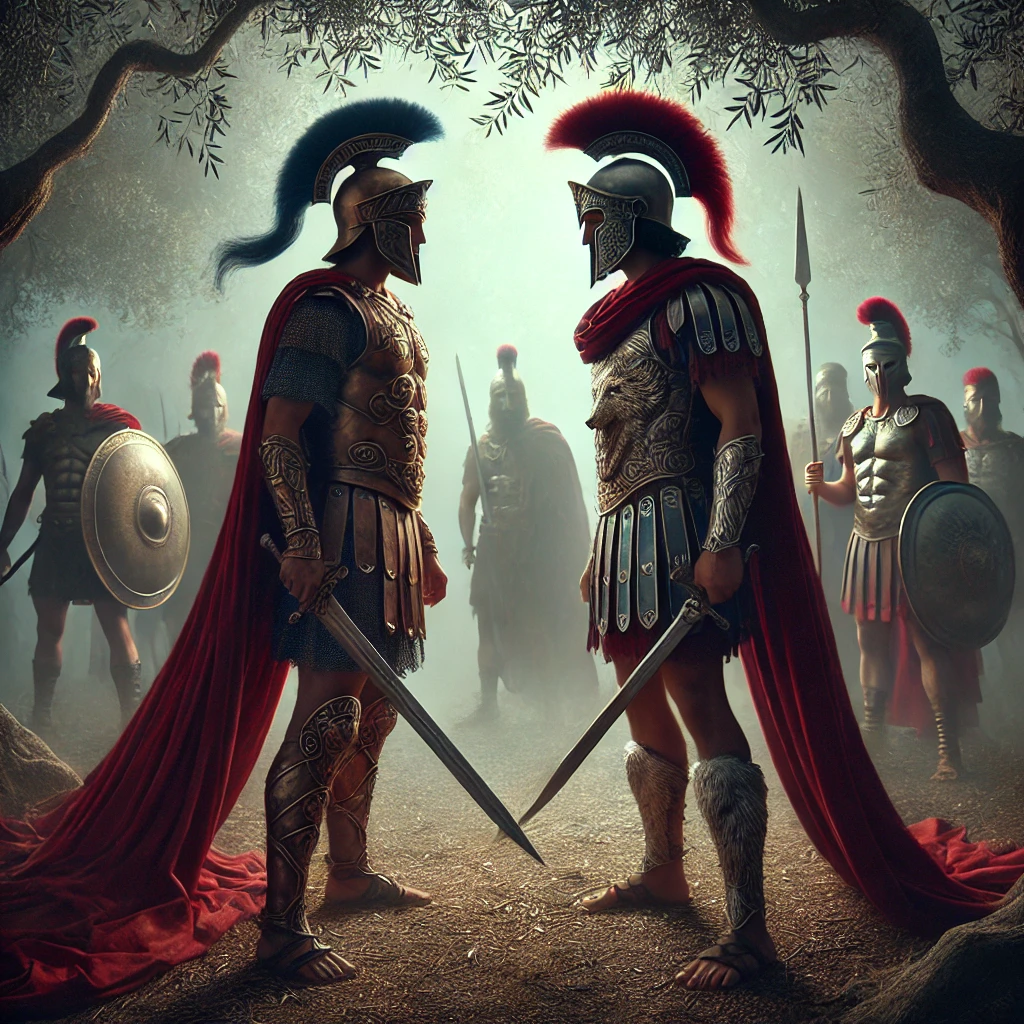
Aeneas and Turnus stand face-to-face at dawn in a quiet forest clearing, surrounded by silent warriors. The air is heavy with fate and the weight of a kingdom’s future.
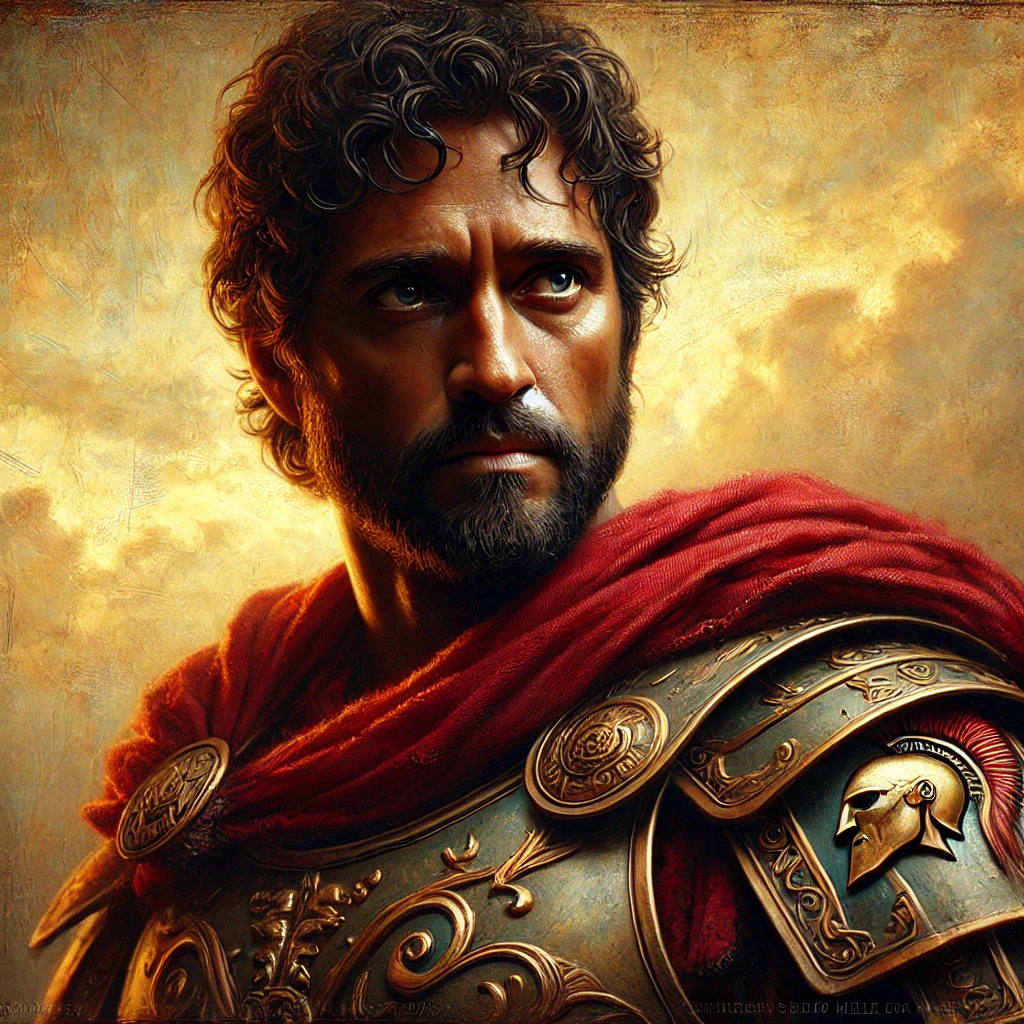
Closeup of Aeneas in bronze armor and red cloak, eyes fixed on destiny under a golden sky.
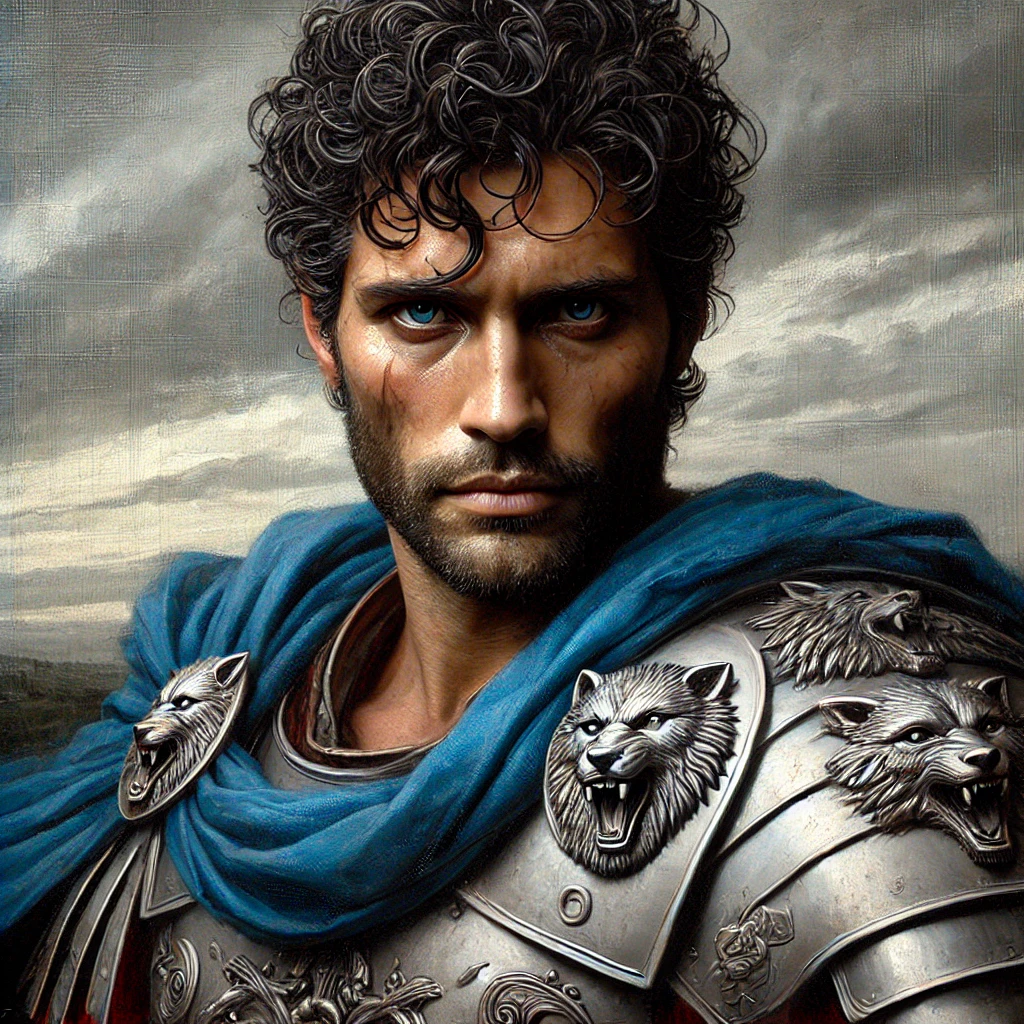
The fierce Italic warrior-king stands proud beneath stormy skies, defying fate and Rome’s future.
ANUNNAKI & ANCIENT ANTHROPOLOGY EVIDENCE, REFERENCES, TIMELINE & WHO’S WHO
Evidence https://wp.me/p1TVCy-1zg
References http://wp.me/p1TVCy-2cq
Timeline http://wp.me/p1TVCy-1Km
Who’s Who http://wp.me/p1TVCy-1PE
New Stuff www.enkispeaks.com
PLEASE SHARE, REPOST & LIKE THIS POST.