VAMPIRES SUCK BUT ARE THEY FOLKLORE RENDITIONS OF LONG-LIVED ANUNNAKI WHO CONTROL US SYMBOLED AS SUCKING OUR BLOOD? by Zecharia Sitchin student, Janet Kira Lessin
Examine the extensive literature on Vampires at https://wp.me/pcDU2E-3Ms
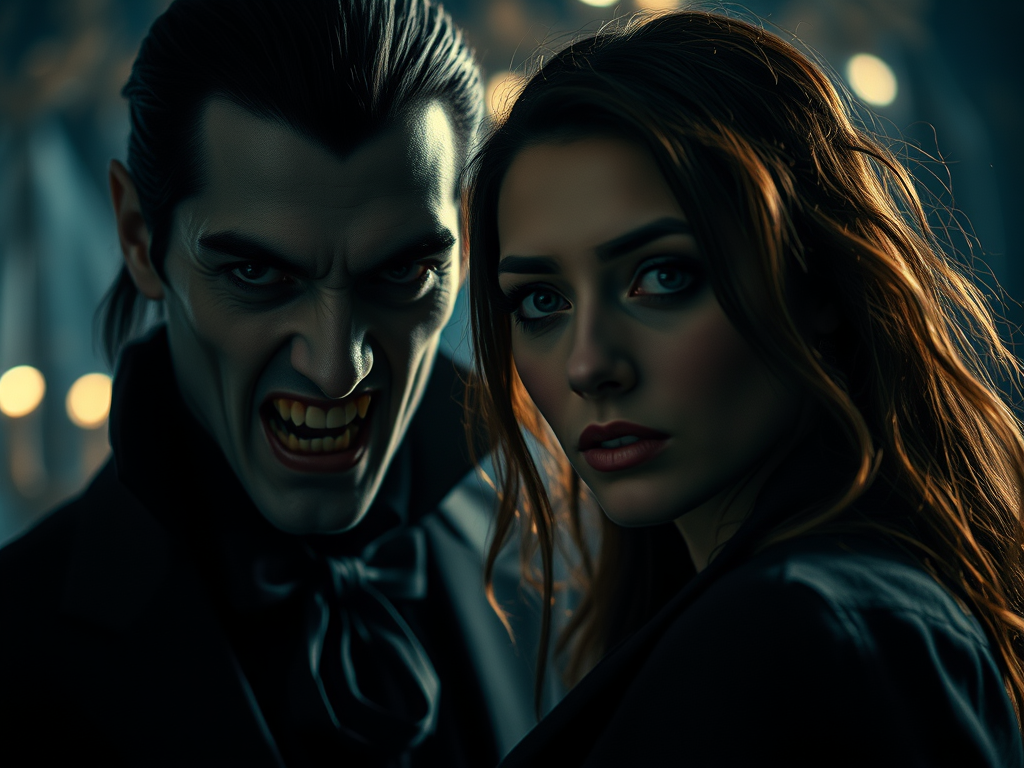
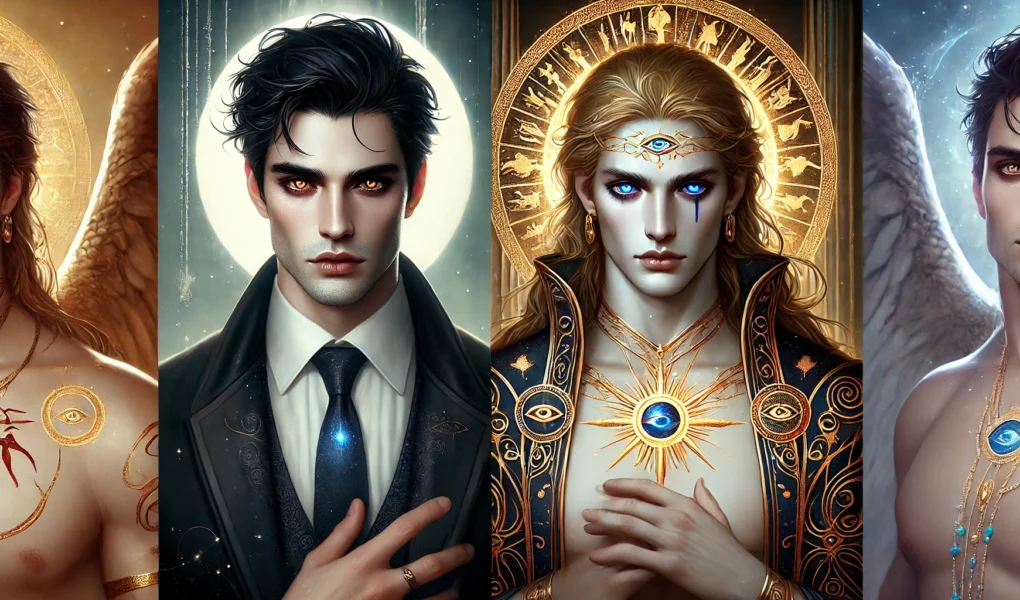
The connection between vampires and our creators from the planet Nibiru, known as the Anunnaki (people who came to Earth from the Planet Nibiru), may be our attempt to explain the presence of immortal or ancient beings who influence, control, or watch over us from the shadows. We portray both Vampires & Anunnaki as ageless, powerful & hidden among us.
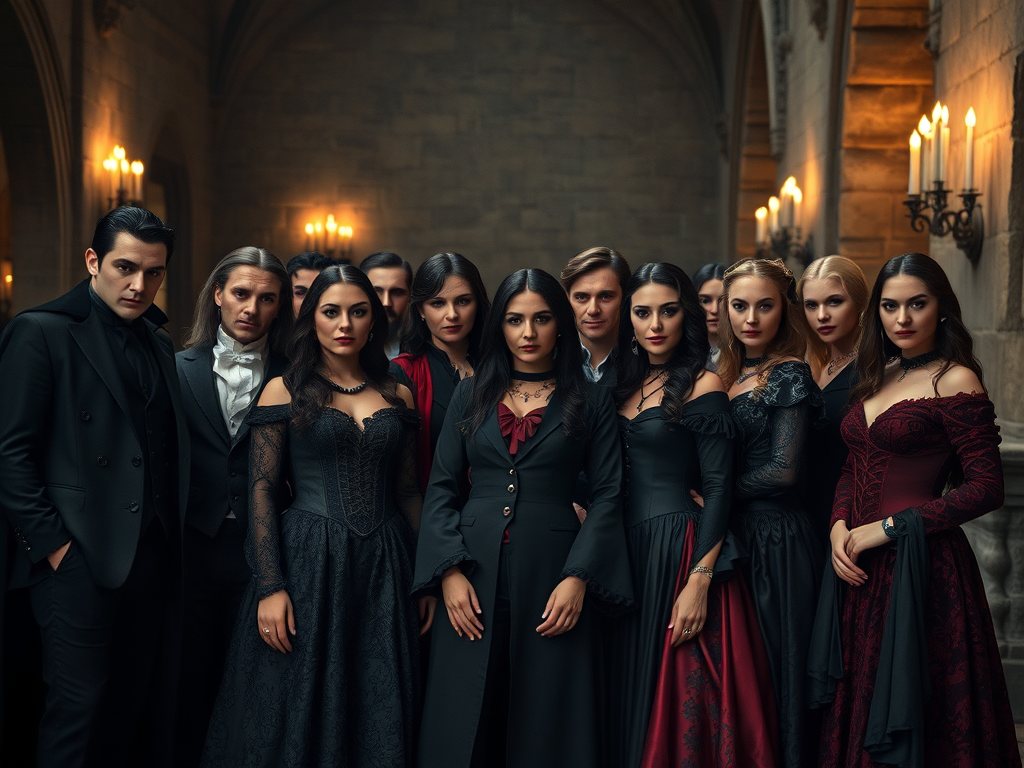
VAMPIRE LEGENDS
Ancient Origins: Vampire myths predate recent pop culture versions & have origins in ancient cultures.
Mesopotamian: LILITU, a demon figure who preyed on humans, shares traits with the modern vampire. Lilitu fed on blood and life force as vampires supposedly do today. In ancient Sumer, the Anunnaki who made our ancestors worship them as they stayed semi-hidden rulers mirror how vampires live secretly among humans in modern lore.
Slavic Lands: People in Slavic lands (Romania, Russia, Ukraine, Belarus, Poland, Czechoslovakia, Slovakia, Bulgaria, Serbia, Croatia, Macedonia & Slovenia) related both to the Anunnaki & Vampire-like beings, such as the “Strigoi” in Romania. The Slavs said these beings, once human, returned after they died with supernatural abilities. They fed on the life force of the living. They sought physical blood, power, and immortality–like the Anunnaki, who still control us through secret knowledge and life-extension technology.
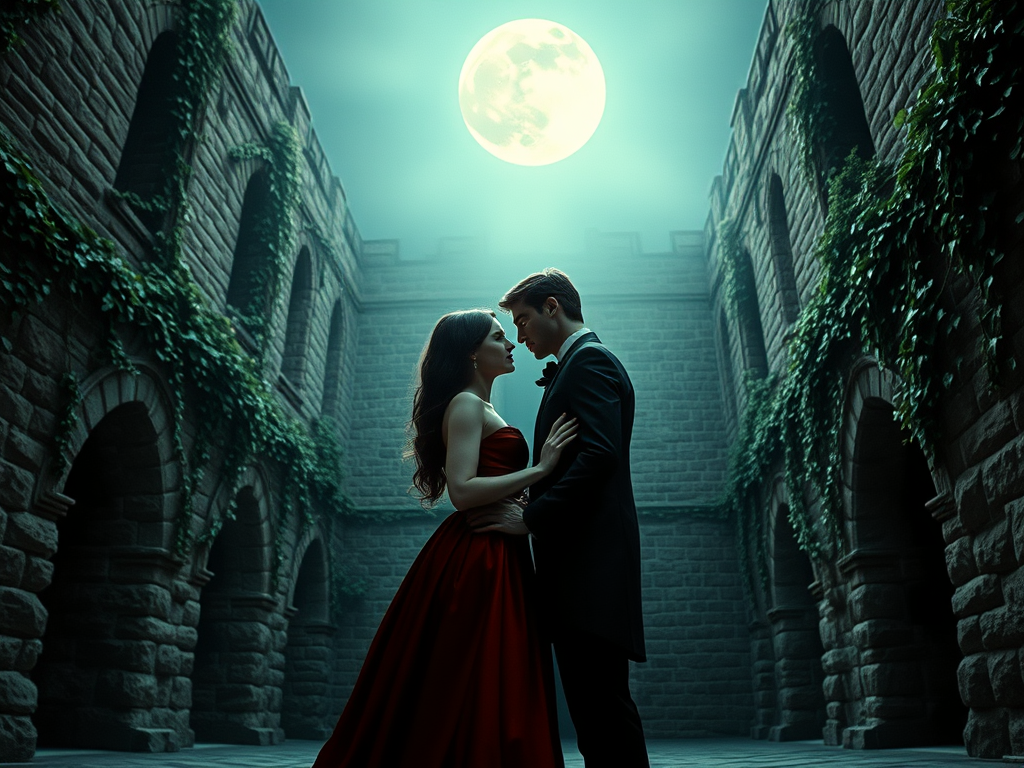
Medieval Europeans: Vampires embodied Middle Ages Europeans’ fear of death, disease, and unexplained phenomena. These stories echoed the notion of powerful beings beyond human comprehension, like the Anunnaki, who ruled us in secret with knowledge, technology, and abilities we lack.
VAMPIRES & ANUNNAKI PARALLELS
Immortality: Both vampires and the Anunnaki show up as immortal or long-lived. Vampires gain immortality supernaturally, usually at the cost of human life or blood. The Anunnaki, like the Vampires, are god-like & don’t age or die like humans. The Anunnaki use advanced knowledge of genetics & life-extension technologies rather than sucking blood.
Living in the Shadows: Vampires hide among humans and rarely reveal their true nature. This mirrors the Anunnaki, who secretly control us. The mystery surrounding both figures reflects our fascination with what we don’t understand.
Blood & Life Force: Vampires associate blood with life force. The Anunnaki used genetic manipulation to create us and still use it to control us with favored bloodlines. Vampires’ consumption of blood reflects our fears of the Anunnaki, who secretly run our lives.
The connection between vampires and the Anunnaki could be interpreted as humanity’s attempt to explain the presence of immortal or ancient beings who influence, control, or watch over us from the shadows. Both vampires and the Anunnaki are portrayed as ageless, powerful entities, and the idea that they live hidden among us offers a compelling parallel. Let’s break this down, beginning with the origin of vampire stories, their connection to the concept of immortality, and how they might metaphorically resonate with the Anunnaki mythos.

Origins of Vampire Legends
- Ancient Origins: Vampire myths predate the more recent pop culture versions and have origins in various ancient cultures:
- Mesopotamian Mythology: Lilitu, a demon figure who preyed on humans, shares traits with the modern vampire. Lilitu was said to have fed on blood and life force, much like vampires do today.
- Ancient Sumerians: This region is linked to the Anunnaki, the god-like beings said to have created humanity. Their presence and interaction with humans, as semi-hidden rulers or overseers, mirror how vampires live secretly among humans in modern lore.
- Slavic Folklore: Vampire-like beings, such as the “Strigoi” in Romania, emerged in Eastern Europe. These beings were once human, returning from death with supernatural abilities and feeding on the life force of the living. They sought physical blood, power, and immortality, just like the Anunnaki, who, by some accounts, sought to retain their control over the human race through secret knowledge and life extension.
- Medieval Europe: Vampires became increasingly defined in European folklore during the Middle Ages, reflecting fears of death, disease, and unexplained phenomena. These stories echoed the notion of powerful beings beyond human comprehension—a concept also seen in ancient Anunnaki lore, where the gods were viewed as ruling from afar, in secret, with abilities humans could never attain.
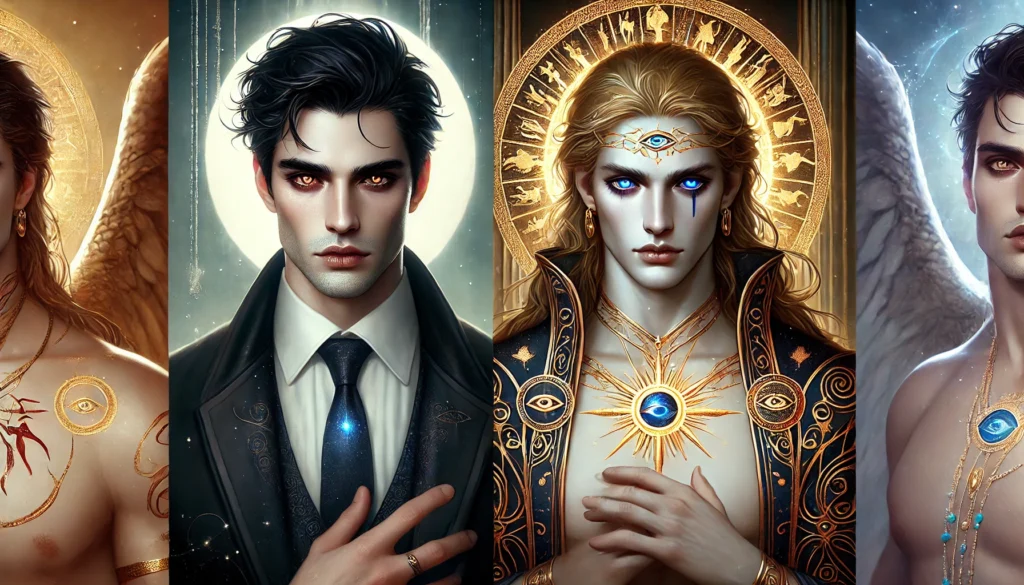
Vampires and the Anunnaki: Parallels
- Immortality: Both vampires and the Anunnaki are portrayed as immortal or long-lived beings. Vampires gain their immortality through supernatural means, often at the cost of human life or blood. Similarly, as creators or overseers of humanity, the Anunnaki are usually depicted as god-like beings who do not age or die like humans, having advanced knowledge of genetics or life-extension technologies.
- Living in the Shadows: Vampires hide among humans, rarely revealing their true nature. This mirrors many accounts of the Anunnaki, who, according to some interpretations, have not disappeared but continue to influence humanity from behind the scenes, hidden yet present. The mystery surrounding both figures reflects the human fascination with what might be beyond our understanding.
- Blood and Life Force: Vampires are often associated with blood as a life force. In some interpretations, Anunnaki’s creation of humanity involved genetic manipulation—perhaps a metaphor for the control over life, bloodlines, and power. In modern narratives, vampires’ consumption of blood could reflect our fears of exploitation by those with more power, such as the mythic Anunnaki, who allegedly controlled human destiny.
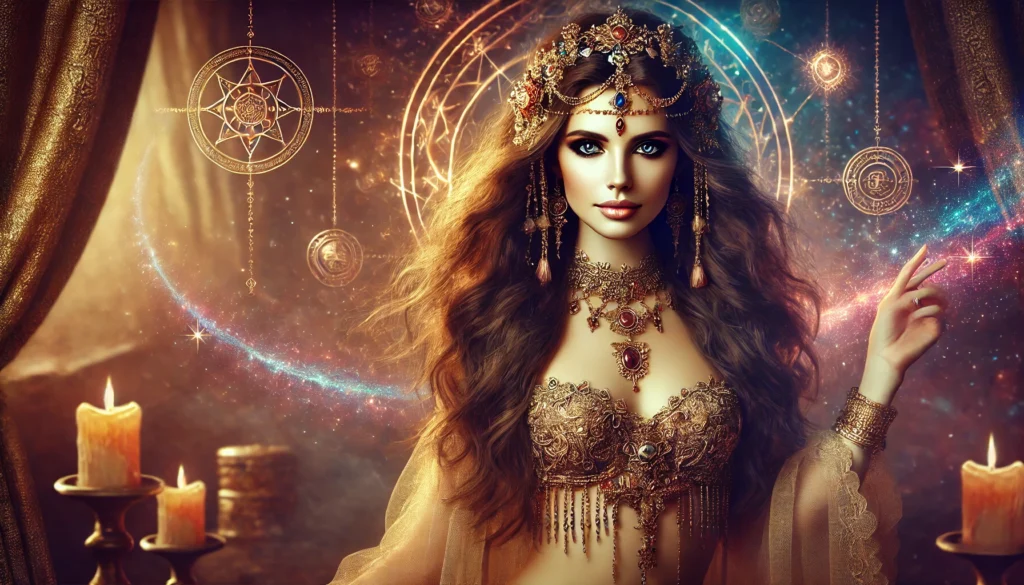
Modern Stories, Books, Movies, and TV Series
In today’s world, the vampire genre continues to captivate audiences, and certain themes resonate deeply with the Anunnaki mythology:
- “Dracula” by Bram Stoker: The original modern vampire novel (1897) still influences how vampires are perceived. Like an Anunnaki ruler, Dracula is ancient, noble, and hidden from the modern world. He maintains a robust and manipulative influence over others. His desire for control mirrors the dominion the Anunnaki are said to hold over humanity.
- “Interview with the Vampire” by Anne Rice: This novel and its film adaptation explore the existential dread of immortality. The vampires in Rice’s universe grapple with eternal life, power, and the moral dilemmas of their actions. These themes echo the potential dilemmas the Anunnaki may face as immortals—what does it mean to create and control life over eons?
- “True Blood” (TV series): Set in a world where vampires live openly among humans, the series deals with themes of secrecy, power, and the difficulties of immortal life. The social dynamics between vampires and humans parallel the hidden influence of the Anunnaki in many alternative histories, where ancient beings manipulate humanity without revealing themselves fully.
- “The Vampire Diaries” and “The Originals” explore the lives of immortal beings who influence world events from behind the scenes. The original vampires are akin to gods among vampires, much like the Anunnaki, who are gods to humanity. Their stories of family loyalty, betrayal, and power struggles resonate with Anunnaki’s myths of inter-family conflicts and ruling dynasties.
- “Underworld” (Movie series): The vampire-werewolf war in these films hints at ancient, hidden races vying for dominance, much like the Anunnaki’s control over humanity in some accounts. The manipulation of genetics in the vampire and lycan clans reflects the stories of the Anunnaki creating and shaping human genetics for their purposes.
- “What We Do in the Shadows” is a comedic twist on the vampire genre that still touches on hidden power and immortality themes. Despite the humor, the immortality and otherworldly nature of these vampires echo the way the Anunnaki might interact with humans on Earth—detached, viewing us from a superior vantage, but still reliant on us for specific needs (in this case, humorously blood or human interaction).

Resonance and Differences
- Resonance: The critical resonance between vampire stories and Anunnaki myths lies in the concept of immortality and control from the shadows. Both vampires and the Anunnaki represent something larger than life—forces that have shaped humanity yet remain hidden from it. Themes of power, secrecy, and immortality tie these narratives together, as do the moral dilemmas associated with such power.
- Differences: While vampires are typically depicted as cursed creatures who require human blood to survive, the Anunnaki are usually seen as powerful, god-like creators or genetic engineers. The vampiric need for blood could be seen as a more primal, animalistic need. At the same time, the Anunnaki, as cosmic overseers, might represent a more advanced and detached form of power over life.
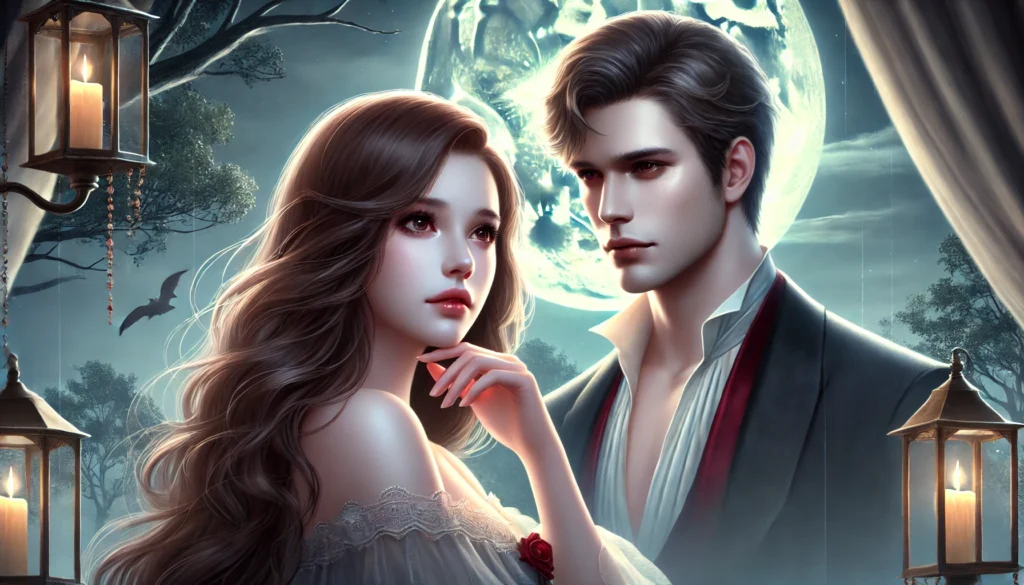
Conclusion
Like the Anunnaki myth, the vampire legend reflects humanity’s deep fascination with immortality and the fear or reverence for beings who may control us from behind the scenes. In modern media, these themes continue to evolve, reflecting our collective psyche’s struggle to comprehend our origins, potential rulers, and unseen forces shaping our lives. Whether through ancient bloodlines or cosmic creators, these stories offer a window into our fear of the unknown and our desire to transcend mortality.
The connection between vampires and the Anunnaki could be interpreted as humanity’s attempt to explain the presence of immortal or ancient beings who influence, control, or watch over us from the shadows. Both vampires and the Anunnaki are portrayed as ageless, powerful entities, and the idea that they live hidden among us offers a compelling parallel. Let’s break this down, beginning with the origin of vampire stories, their connection to the concept of immortality, and how they might metaphorically resonate with the Anunnaki mythos.
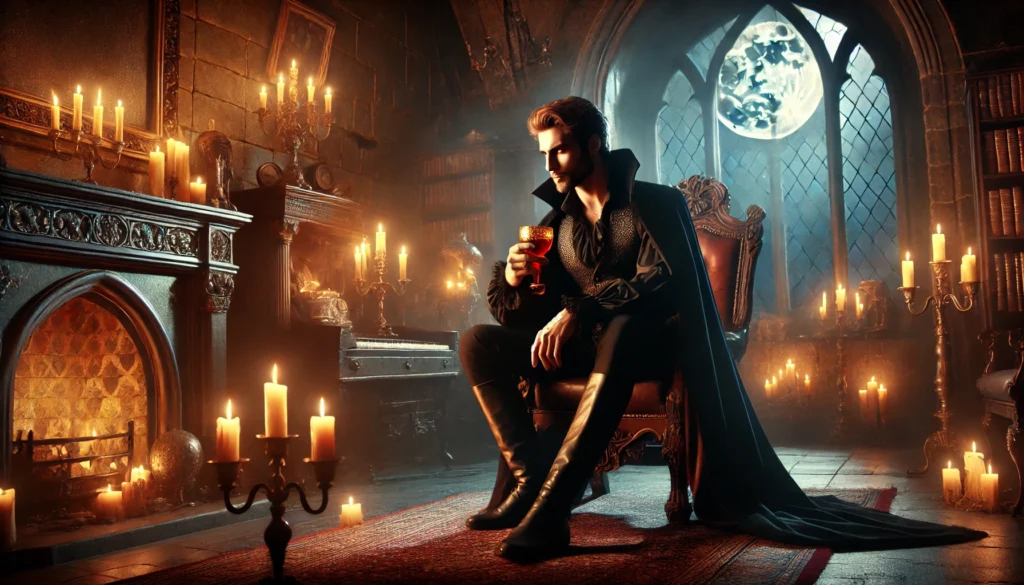
Origins of Vampire Legends
- Ancient Origins: Vampire myths predate the more recent pop culture versions and have origins in various ancient cultures:
- Mesopotamian Mythology: Lilitu, a demon figure who preyed on humans, shares traits with the modern vampire. Lilitu was said to have fed on blood and life force, much like vampires do today.
- Ancient Sumerians: This region is linked to the Anunnaki, the god-like beings said to have created humanity. Their presence and interaction with humans, as semi-hidden rulers or overseers, mirror how vampires live secretly among humans in modern lore.
- Slavic Folklore: Vampire-like beings, such as the “Strigoi” in Romania, emerged in Eastern Europe. These beings were once human, returning from death with supernatural abilities and feeding on the life force of the living. They sought physical blood, power, and immortality, just like the Anunnaki, who, by some accounts, sought to retain their control over the human race through secret knowledge and life extension.
- Medieval Europe: Vampires became increasingly defined in European folklore during the Middle Ages, reflecting fears of death, disease, and unexplained phenomena. These stories echoed the notion of powerful beings beyond human comprehension—a concept also seen in ancient Anunnaki lore, where the gods were viewed as ruling from afar, in secret, with abilities humans could never attain.
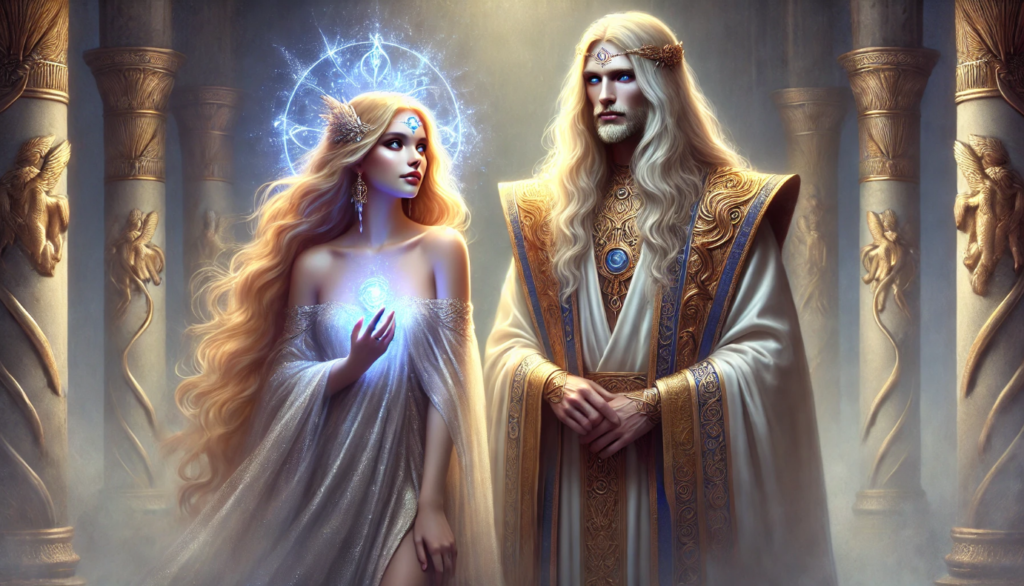
Vampires and the Anunnaki: Parallels
- Immortality: Both vampires and the Anunnaki are portrayed as immortal or long-lived beings. Vampires gain their immortality through supernatural means, often at the cost of human life or blood. Similarly, as creators or overseers of humanity, the Anunnaki are usually depicted as god-like beings who do not age or die like humans, having advanced knowledge of genetics or life-extension technologies.
- Living in the Shadows: Vampires hide among humans, rarely revealing their true nature. This mirrors many accounts of the Anunnaki, who, according to some interpretations, have not disappeared but continue to influence humanity from behind the scenes, hidden yet present. The mystery surrounding both figures reflects the human fascination with what might be beyond our understanding.
- Blood and Life Force: Vampires are often associated with blood as a life force. In some interpretations, Anunnaki’s creation of humanity involved genetic manipulation—perhaps a metaphor for the control over life, bloodlines, and power. In modern narratives, vampires’ consumption of blood could reflect our fears of exploitation by those with more power, such as the mythic Anunnaki, who allegedly controlled human destiny.
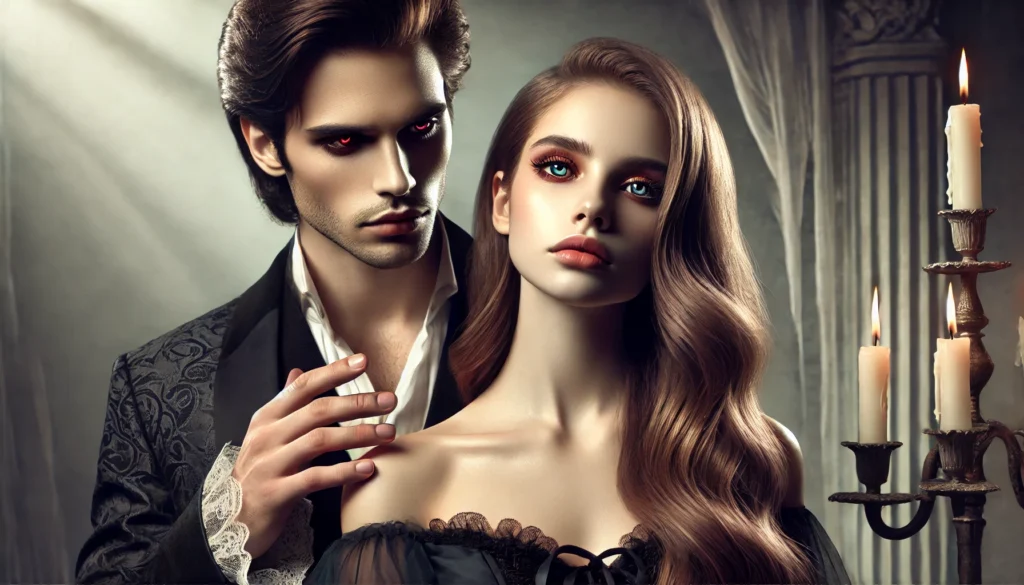
Modern Stories, Books, Movies, and TV Series
In today’s world, the vampire genre continues to captivate audiences, and specific themes resonate deeply with the Anunnaki mythology:
- “Dracula” by Bram Stoker: The original modern vampire novel (1897) still influences how vampires are perceived. Like an Anunnaki ruler, Dracula is ancient, noble, and hidden from the modern world. He maintains a robust and manipulative influence over others. His desire for control mirrors the dominion the Anunnaki are said to hold over humanity.
- “Interview with the Vampire” by Anne Rice: This novel and its film adaptation explore the existential dread of immortality. The vampires in Rice’s universe grapple with eternal life, power, and the moral dilemmas of their actions. These themes echo the potential dilemmas the Anunnaki may face as immortals—what does it mean to create and control life over eons?
- “True Blood” (TV series): Set in a world where vampires live openly among humans, the series deals with themes of secrecy, power, and the difficulties of immortal life. The social dynamics between vampires and humans parallel the hidden influence of the Anunnaki in many alternative histories, where ancient beings manipulate humanity without revealing themselves fully.
- “The Vampire Diaries” and “The Originals” explore the lives of immortal beings who influence world events from behind the scenes. The original vampires are akin to gods among vampires, much like the Anunnaki, who are gods to humanity. Their stories of family loyalty, betrayal, and power struggles resonate with Anunnaki’s myths of inter-family conflicts and ruling dynasties.
- “Underworld” (Movie series): The vampire-werewolf war in these films hints at ancient, hidden races vying for dominance, much like the Anunnaki’s control over humanity in some accounts. The manipulation of genetics in the vampire and lycan clans reflects the stories of the Anunnaki creating and shaping human genetics for their purposes.
- “What We Do in the Shadows” is a comedic twist on the vampire genre that still touches on hidden power and immortality themes. Despite the humor, the immortality and otherworldly nature of these vampires echo the way the Anunnaki might interact with humans on Earth—detached, viewing us from a superior vantage, but still reliant on us for specific needs (in this case, humorously blood or human interaction).

Resonance and Differences
- Resonance: The critical resonance between vampire stories and Anunnaki myths lies in the concept of immortality and control from the shadows. Both vampires and the Anunnaki represent something larger than life—forces that have shaped humanity yet remain hidden from it. Themes of power, secrecy, and immortality tie these narratives together, as do the moral dilemmas associated with such power.
- Differences: While vampires are typically depicted as cursed creatures who require human blood to survive, the Anunnaki are usually seen as powerful, god-like creators or genetic engineers. The vampiric need for blood could be seen as a more primal, animalistic need. At the same time, the Anunnaki, as cosmic overseers, might represent a more advanced and detached form of power over life.
Conclusion
Like the Anunnaki myth, the vampire legend reflects humanity’s deep fascination with immortality and the fear or reverence for beings who may control us from behind the scenes. In modern media, these themes continue to evolve, reflecting our collective psyche’s struggle to comprehend our origins, potential rulers, and unseen forces shaping our lives. Whether through ancient bloodlines or cosmic creators, these stories offer a window into our fear of the unknown and our desire to transcend mortality.
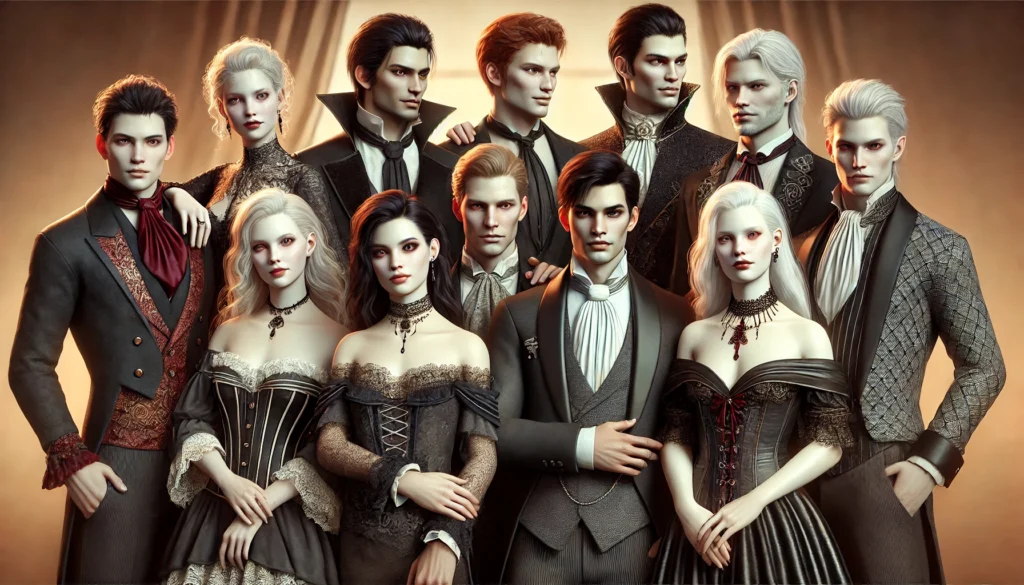
Books
- Dracula by Bram Stoker (1897)
- Though published before the 100-year window, Dracula remains foundational to vampire literature.
- I Am Legend by Richard Matheson (1954)
- It is a unique twist on the vampire genre, inspiring later films.
- Interview with the Vampire by Anne Rice (1976)
- This novel is the first in The Vampire Chronicles, exploring the inner lives of vampires.
- Salem’s Lot by Stephen King (1975)
- King’s modern take on vampires invading a small town became a classic in vampire horror.
- The Vampire Lestat by Anne Rice (1985)
- The second book in The Vampire Chronicles focuses on the rise of Lestat.
- The Queen of the Damned by Anne Rice (1988)
- The third installment in The Vampire Chronicles continues the saga of Lestat.
- The Historian by Elizabeth Kostova (2005)
- This historical novel weaves Dracula’s legacy into a modern story.
- Let the Right One In by John Ajvide Lindqvist (2004)
- A Swedish novel about a child vampire later adapted into films.
- The Strain by Guillermo del Toro and Chuck Hogan (2009)
- The first of a trilogy, offering a science-based take on vampires.
- Fledgling by Octavia Butler (2005)
- It is a science fiction twist on vampires that explores race and power.


Movies
- Nosferatu (1922)
- An early German Expressionist adaptation of Dracula, this silent film remains iconic.
- Dracula (1931)
- Bela Lugosi’s performance as Dracula set the tone for many future character depictions.
- Horror of Dracula (1958)
- Hammer Films’ version of Dracula, starring Christopher Lee, reinvigorated vampire films.
- The Hunger (1983)
- It is a stylish, erotic vampire film starring David Bowie, Susan Sarandon, and Catherine Deneuve.
- Fright Night (1985)
- A classic 80s horror-comedy about a teenage boy who discovers his neighbor is a vampire.
- The Lost Boys (1987)
- It’s a cult favorite that blends teen rebellion with vampire mythology.
- Interview with the Vampire (1994)
- The film adaptation of Anne Rice’s novel starring Tom Cruise and Brad Pitt.
- Bram Stoker’s Dracula (1992)
- Francis Ford Coppola directed this adaptation, which remains one of the most faithful to the novel.
- Blade (1998)
- It’s a superhero-horror hybrid that follows a vampire hunter based on the Marvel comic character.
- Let the Right One In (2008)
- A Swedish film adaptation of the novel, known for its eerie, atmospheric tone.
- Let Me In (2010)
- The American adaptation of Let the Right One In.
- 30 Days of Night (2007)
- A horror film set in an Alaskan town that falls prey to vampires during a month of darkness.
- Daybreakers (2009)
- It is a dystopian film where vampires rule the world, but their blood supply runs out.
- Only Lovers Left Alive (2013)
- It is a romantic and philosophical vampire film directed by Jim Jarmusch.
- What We Do in the Shadows (2014)
- It is a mockumentary about vampire roommates in New Zealand.
Television Shows
- Dark Shadows (1966–1971)
- It is a gothic soap opera featuring the vampire Barnabas Collins, who became an iconic character.
- Buffy the Vampire Slayer (1997–2003)
- It is a hugely influential series about a teenage girl destined to fight vampires and monsters.
- Angel (1999–2004)
- A spin-off of Buffy the Vampire Slayer, following the story of a vampire with a soul.
- True Blood (2008–2014)
- Based on The Southern Vampire Mysteries by Charlaine Harris, this series explores a world where vampires have “come out of the coffin.”
- The Vampire Diaries (2009–2017)
- This series became a pop culture phenomenon based on L.J. Smith’s novels, blending romance, horror, and drama.
- The Originals (2013–2018)
- It is a spin-off of The Vampire Diaries, focusing on the “Original” family of vampires.
- Dracula (2013)
- A short-lived series starring Jonathan Rhys Meyers as a re-imagined Dracula.
- Penny Dreadful (2014–2016)
- This show brought together characters from 19th-century gothic literature, including Dracula.
- Castlevania (2017–2021)
- An animated series based on the video game series of the same name, exploring vampire lore in a dark fantasy world.
- What We Do in the Shadows (2019–Present)
- A TV adaptation of the 2014 film, continuing the comedic tales of vampire roommates.
Multiple Categories (Book, Film, TV)
- Dracula
- Book (1897), numerous films (Nosferatu 1922, Dracula 1931, Bram Stoker’s Dracula 1992), and TV adaptations (Dracula 2013, Dracula 2020).
- Interview with the Vampire
- Book (1976), film (1994), and a new TV series adaptation (2022–present).
- Salem’s Lot
- Book (1975), TV miniseries (1979), and film adaptations (2004, 2023).
- Let the Right One In
- Book (2004), Swedish film (2008), American film (Let Me In 2010), and a TV series (2022).
- The Southern Vampire Mysteries (by Charlaine Harris)
- Books (2001–2013), adapted into the True Blood TV series (2008–2014).
- The Strain
- Book series (2009–2011), TV adaptation (2014–2017).
Influential Vampire Video Games
- Castlevania (1986–Present)
- A long-running series of video games featuring vampires, most notably Dracula.
- Vampire: The Masquerade – Bloodlines (2004)
- It is a role-playing game set in a world where vampires live secretly among humans.
- Legacy of Kain: Soul Reaver (1999)
- The action-adventure game explores vampire mythology in a dark fantasy setting.
Conclusion
These vampire books, films, and TV shows reflect the versatility and evolution of the vampire myth over the last 100 years. The genre has expanded from gothic horror to encompass romance, action, and even comedy, while the core themes of immortality, hidden power, and humanity’s relationship with the unknown remain constant. Each iteration of the vampire story offers a different take, whether it’s an exploration of human nature, an action-packed superhero tale, or a philosophical musing on eternity.
Movies
- Nosferatu (1922)
Actor: Max Schreck as Count Orlok
Schreck’s portrayal of Count Orlok is legendary for his terrifying and grotesque depiction of the vampire. This silent film is a loose adaptation of Dracula and sets the stage for future vampire films. - Dracula (1931)
Actor: Bela Lugosi as Count Dracula
Bela Lugosi’s Dracula, with his hypnotic stare, elegant manner, and thick Hungarian accent, became the archetype for many vampire portrayals. This Universal horror classic defined the vampire genre for decades. - Horror of Dracula (1958)
Actor: Christopher Lee as Count Dracula
Lee’s tall, commanding presence and intense charisma revitalized the character of Dracula. His portrayal introduced a more sensual and violent vampire to audiences, shaping the modern perception of the character. - The Hunger (1983)
Actors: David Bowie as John Blaylock, Catherine Deneuve as Miriam Blaylock
Bowie and Deneuve play a pair of elegant, immortal vampires in this stylish horror. The film delves into themes of eternal life, love, and betrayal, with Bowie’s character succumbing to the ravages of age as his immortality fails. - Fright Night (1985)
Actors: Chris Sarandon as Jerry Dandridge, William Ragsdale as Charley Brewster
Sarandon plays the charming yet sinister vampire living next door to teenager Charley Brewster. The film balances horror and humor as Charley tries to convince others of his neighbor’s true identity. - The Lost Boys (1987)
Actors: Jason Patric as Michael, Kiefer Sutherland as David
Set in a California coastal town, this film blends teenage rebellion with vampire mythology. Sutherland plays David, the leader of a gang of vampires, while Patric’s Michael struggles with his transformation after being turned. - Interview with the Vampire (1994)
Actors: Tom Cruise as Lestat, Brad Pitt as Louis
Cruise’s Lestat is dazzling and dangerous, while Pitt’s Louis is brooding and tortured by his immortality. The film explores the vampires’ existential crises and their relationships across centuries. - Bram Stoker’s Dracula (1992)
Actors: Gary Oldman as Count Dracula, Winona Ryder as Mina Harker, Anthony Hopkins as Van Helsing
Oldman’s Dracula is both monstrous and tragically romantic, longing for his lost love. The film’s lush visuals and focus on the emotional depth of Dracula set it apart from other adaptations. - Blade (1998)
Actor: Wesley Snipes as Blade
Snipes portrays Blade, a half-vampire, half-human vampire hunter who fights to protect humanity. Blade’s martial arts skills and stoic demeanor made him a cult classic superhero. - Let the Right One In (2008)
Actors: Kåre Hedebrant as Oskar, Lina Leandersson as Eli
This Swedish film tells the story of a lonely boy, Oskar, who befriends a mysterious child vampire, Eli. Their bond grows as Oskar learns more about Eli’s tragic existence. - Let Me In (2010)
Actors: Kodi Smit-McPhee as Owen, Chloë Grace Moretz as Abby
The American adaptation of Let the Right One In, with Moretz playing the vampire Abby, a role that combines vulnerability with a cold, violent streak when provoked. - 30 Days of Night (2007)
Actors: Josh Hartnett as Eben Oleson, Melissa George as Stella Oleson
Hartnett and George play a couple in an Alaskan town overrun by vampires during 30 days of darkness. This survival horror portrays the film’s brutal vampires as terrifying predators. - Daybreakers (2009)
Actors: Ethan Hawke as Edward Dalton, Willem Dafoe as Lionel “Elvis” Cormac
In a world where vampires have overtaken humanity, Hawke plays a vampire scientist searching for a cure for vampirism. Dafoe’s character is that of a human survivor with vital knowledge. - Only Lovers Left Alive (2013)
Actors: Tom Hiddleston as Adam, Tilda Swinton as Eve
Hiddleston and Swinton play centuries-old vampire lovers in this melancholy and philosophical film. Their relationship is portrayed as one of deep affection, contrasting with their world-weariness from centuries of existence. - What We Do in the Shadows (2014)
Actors: Taika Waititi as Viago, Jemaine Clement as Vladislav
This mockumentary follows vampire roommates living in modern-day New Zealand. Waititi’s Viago is prim and proper, while Clement’s Vladislav is a parody of the archetypal brooding, romantic vampire.
Television Shows
- Dark Shadows (1966–1971)
Actor: Jonathan Frid as Barnabas Collins
Frid’s portrayal of Barnabas Collins, a 200-year-old vampire, made him a gothic soap opera icon. His character struggles with his vampiric nature while seeking redemption. - Buffy the Vampire Slayer (1997–2003)
Actors: Sarah Michelle Gellar as Buffy Summers, David Boreanaz as Angel
Gellar’s Buffy is a robust and complex vampire slayer, while Boreanaz’s Angel is a vampire with a soul, torn between his love for Buffy and his dark nature. The series mixes teen drama with supernatural action. - Angel (1999–2004)
Actor: David Boreanaz as Angel
This Buffy spin-off follows Angel as he seeks redemption in Los Angeles. The series explores themes of redemption, morality, and battling inner demons. - True Blood (2008–2014)
Actors: Anna Paquin as Sookie Stackhouse, Stephen Moyer as Bill Compton, Alexander Skarsgård as Eric Northman
Paquin’s Sookie is a telepathic waitress who falls in love with Moyer’s Bill, a vampire trying to live peacefully among humans. Skarsgård’s Eric is a powerful, ancient vampire with a dark, magnetic charm. - The Vampire Diaries (2009–2017)
Actors: Nina Dobrev as Elena Gilbert, Paul Wesley as Stefan Salvatore, Ian Somerhalder as Damon Salvatore
Dobrev plays the human protagonist caught in a love triangle between two vampire brothers. Wesley’s Stefan is the brooding, noble vampire, while Somerhalder’s Damon is his dangerous, morally grey counterpart. - The Originals (2013–2018)
Actors: Joseph Morgan as Klaus Mikaelson, Daniel Gillies as Elijah Mikaelson
This Vampire Diaries spin-off focuses on the “Original” family of vampires. Morgan’s Klaus is ruthless and power-hungry, while Gillies’ Elijah is more honorable yet torn between family loyalty and morality. - Dracula (2013)
Actor: Jonathan Rhys Meyers as Count Dracula
Rhys Meyers brings intensity to the role of Dracula, portraying him as a tragic anti-hero seeking revenge and redemption in this re-imagined version of the classic tale. - Penny Dreadful (2014–2016)
Actors: Eva Green as Vanessa Ives, Josh Hartnett as Ethan Chandler
Green’s Vanessa is a powerful medium haunted by supernatural forces, while Hartnett’s character has a dark secret tied to werewolves. The show mixes characters from gothic horror, including Dracula, into its narrative. - Castlevania (2017–2021)
Voice Actors: Richard Armitage as Trevor Belmont, James Callis as Alucard, Graham McTavish as Dracula
This animated series adapts the Castlevania video games, with Armitage’s Trevor as the vampire hunter, Callis’s Alucard as Dracula’s son, and McTavish voicing the menacing Count Dracula himself. - What We Do in the Shadows (2019–Present)
Actors: Kayvan Novak as Nandor, Matt Berry as Laszlo, Natasia Demetriou as Nadja
This TV adaptation follows a new group of vampire roommates living in New York City. Novak’s Nandor is an ancient warrior-turned-vampire struggling with modern life, while Berry and Demetriou add comedy with their quirky characters.
Conclusion
This enriched list provides the best vampire media from the past century and highlights the iconic performances that brought these creatures to life. These actors and their roles have shaped the vampire genre across books, movies, and television, keeping the allure of vampires alive for generations of fans.
Television Shows (Updated)
- Dark Shadows (1966–1971)
Actor: Jonathan Frid as Barnabas Collins
Frid’s portrayal of Barnabas Collins, a 200-year-old vampire, made him a gothic soap opera icon. His character struggles with his vampiric nature while seeking redemption. - Buffy the Vampire Slayer (1997–2003)
Actors: Sarah Michelle Gellar as Buffy Summers, David Boreanaz as Angel
Gellar’s Buffy is a robust and complex vampire slayer, while Boreanaz’s Angel is a vampire with a soul, torn between his love for Buffy and his dark nature. The series mixes teen drama with supernatural action. - Angel (1999–2004)
Actor: David Boreanaz as Angel
This Buffy spin-off follows Angel as he seeks redemption in Los Angeles. The series explores themes of redemption, morality, and battling inner demons. - True Blood (2008–2014)
Actors: Anna Paquin as Sookie Stackhouse, Stephen Moyer as Bill Compton, Alexander Skarsgård as Eric Northman
Paquin’s Sookie is a telepathic waitress who falls in love with Moyer’s Bill, a vampire trying to live peacefully among humans. Skarsgård’s Eric is a powerful, ancient vampire with a dark, magnetic charm. - The Vampire Diaries (2009–2017)
Actors: Nina Dobrev as Elena Gilbert, Paul Wesley as Stefan Salvatore, Ian Somerhalder as Damon Salvatore
Dobrev plays the human protagonist caught in a love triangle between two vampire brothers. Wesley’s Stefan is the brooding, noble vampire, while Somerhalder’s Damon is his dangerous, morally grey counterpart. - The Originals (2013–2018)
Actors: Joseph Morgan as Klaus Mikaelson, Daniel Gillies as Elijah Mikaelson
This Vampire Diaries spin-off focuses on the “Original” family of vampires. Morgan’s Klaus is ruthless and power-hungry, while Gillies’ Elijah is more honorable yet torn between family loyalty and morality. - Dracula (2013)
Actor: Jonathan Rhys Meyers as Count Dracula
Rhys Meyers brings intensity to the role of Dracula, portraying him as a tragic anti-hero seeking revenge and redemption in this re-imagined version of the classic tale. - Penny Dreadful (2014–2016)
Actors: Eva Green as Vanessa Ives, Josh Hartnett as Ethan Chandler
Green’s Vanessa is a powerful medium haunted by supernatural forces, while Hartnett’s character has a dark secret tied to werewolves. The show mixes characters from gothic horror, including Dracula, into its narrative. - Preacher (2016–2019)
Actor: Joseph Gilgun as Cassidy
Gilgun plays Cassidy, a centuries-old Irish vampire with a carefree attitude. His character adds dark humor to the show and plays a central role in the plot, offering a unique take on the vampire archetype. - Castlevania (2017–2021)
Voice Actors: Richard Armitage as Trevor Belmont, James Callis as Alucard, Graham McTavish as Dracula
This animated series adapts the Castlevania video games, with Armitage’s Trevor as the vampire hunter, Callis’s Alucard as Dracula’s son, and McTavish voicing the menacing Count Dracula himself. - What We Do in the Shadows (2019–Present)
Actors: Kayvan Novak as Nandor, Matt Berry as Laszlo, Natasia Demetriou as Nadja
This TV adaptation follows a new group of vampire roommates living in New York City. Novak’s Nandor is an ancient warrior-turned-vampire struggling with modern life, while Berry and Demetriou add comedy with their quirky characters. - Interview with the Vampire (2022–Present)
Actors: Jacob Anderson as Louis, Sam Reid as Lestat
This revival of Interview with the Vampire takes a fresh approach to the classic Anne Rice novel. Anderson’s Louis and Reid’s Lestat explore the complexities of their relationship and immortality, set in modern issues like race and power.
Other Series with Vampires in Key Roles
- Supernatural (2005–2020)
- Vampires appear throughout this long-running series, particularly in episodes like “Bloodlust” and “Live Free or Twihard.” The Winchester brothers often encounter vampires, portraying them as monstrous but sometimes redeemable creatures.
- The Strain (2014–2017)
Actors: Corey Stoll as Dr. Ephraim Goodweather, Kevin Durand as Vasiliy Fet
This series, created by Guillermo del Toro, depicts a vampire virus spreading across New York. Stoll’s character leads the fight against the vampiric infection, while Durand’s Vasiliy is a brutal exterminator who joins the battle. - Midnight, Texas (2017–2018)
Actor: Peter Mensah as Lemuel Bridger
This supernatural drama, based on Charlaine Harris’ novels, features Mensah’s Lemuel, an energy-draining vampire who helps protect the small town of Midnight. His unique vampire abilities and backstory add depth to the show’s mythos. - The Passage (2019)
Actors: Mark-Paul Gosselaar as Brad Wolgast, Saniyya Sidney as Amy Bellafonte
Based on Justin Cronin’s trilogy, this series explores a government experiment gone wrong that unleashes vampiric creatures. Gosselaar’s character protects Sidney’s Amy, a child with the key to stopping the vampires.
Conclusion
With the inclusion of Preacher, the new Interview with the Vampire revival, and additional series like Supernatural, The Strain, and Midnight, Texas, this updated list reflects the wide-ranging portrayal of vampires in modern media. These shows highlight how vampires can be depicted in various genres, from dark comedies and horror to action and supernatural dramas, each offering a fresh take on the immortal myth.