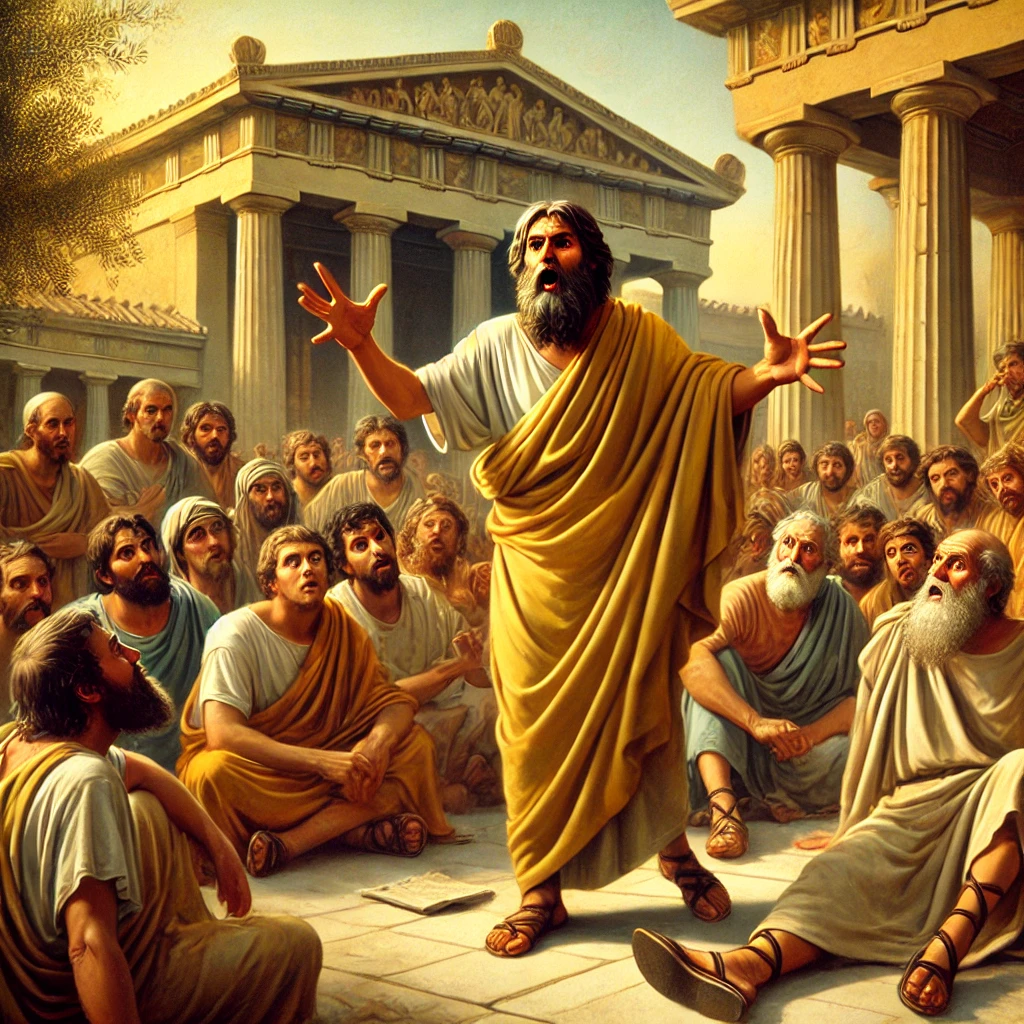
Solon, cloaked in flowing robes, raises his arms as he passionately recites poetry before a captivated Athenian crowd in the bustling agora. His dramatic performance pushes the city toward reclaiming Salamis.
SOLON’s poetry stirred Athens to take Salamis, ruled Athens as sole lawgiver, then sailed away for 10 years, during which only he could repeal laws
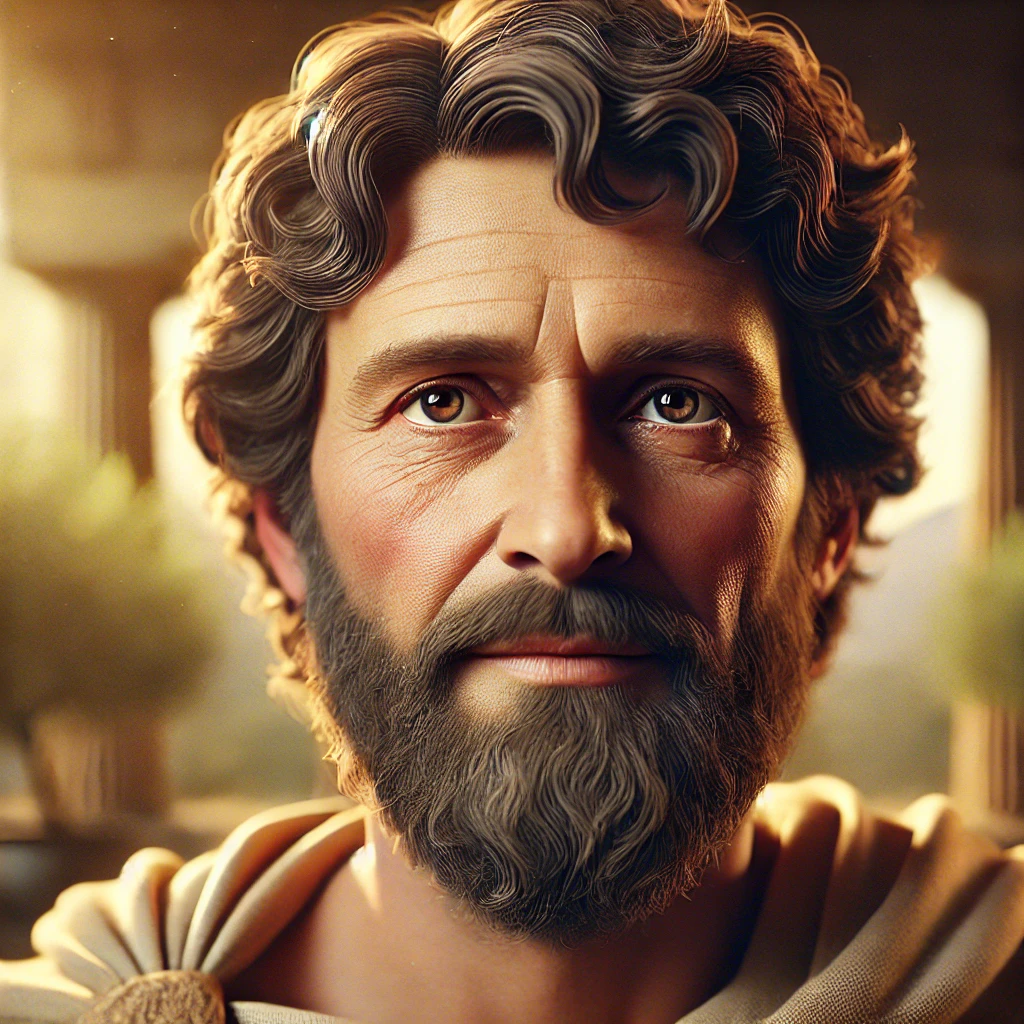
A wise and determined gaze reflects the burden of reform and the power of vision. Solon’s face, lined by experience, glows in the Athenian light as he prepares to reshape history.
By Sasha Alex Lessin, Ph.D. (Anthropology, U.C.L.A.)
https://wp.me/s1TVCy-greece
to learn more about Ancient Greece.
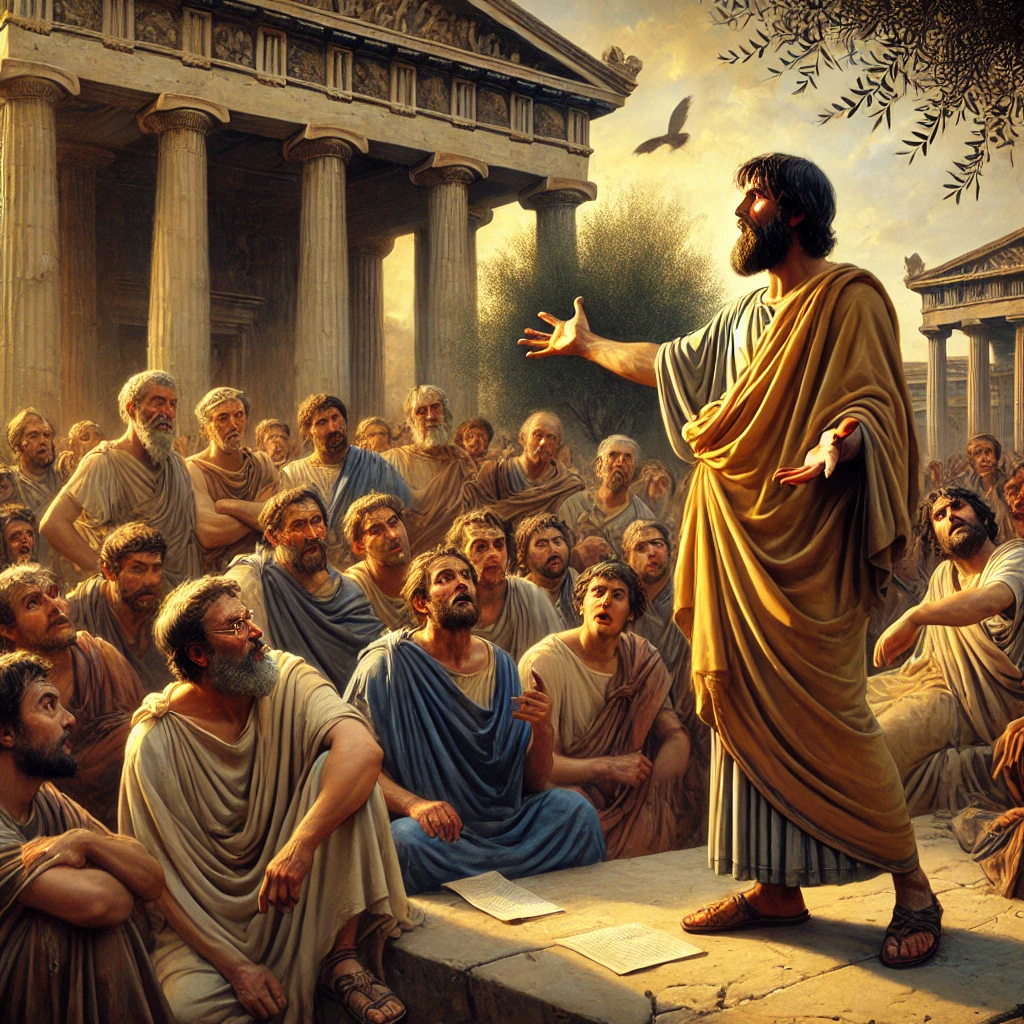
A golden Athenian afternoon frames Solon as he delivers a rousing speech disguised as madness. Citizens watch intently, moved by the urgency of his message and the revival of Athenian pride.
Around 600 BCE, on successive days, the noble Solon pretended he was mad. He recited 90 ostensibly extemporaneous poems that urged Athens to fight once again to retake his home island, Salamis, a mere two kilometers from Piraeus, Athens’ port, from rival city-state Magara.
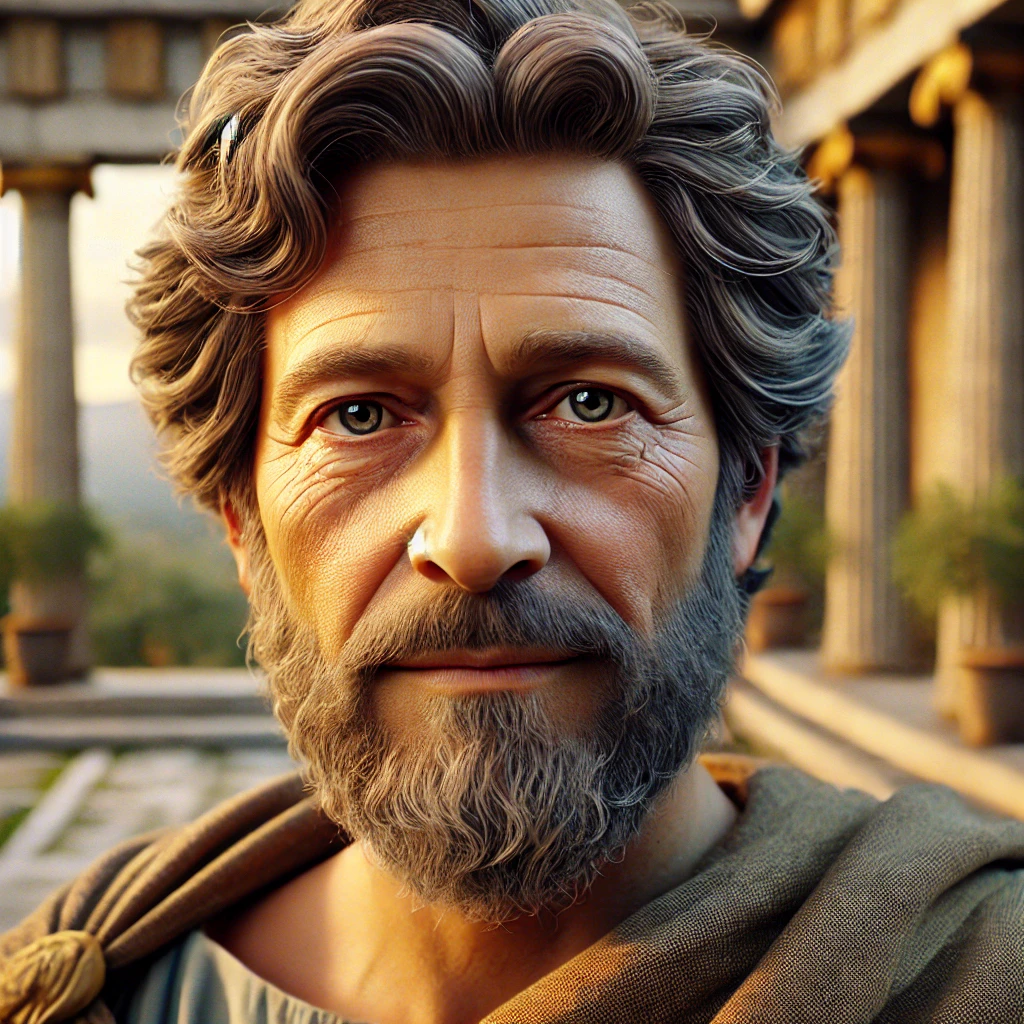
With furrowed brows and steady eyes, Solon contemplates the future of Athens. The robe, the beard, and the light—each detail reflects his dual identity as a philosopher and a political visionary.
Solon’s pretense of madness exempted him from an Athenian law that any sane person who suggested Athens fight another losing battle with Magara over Salamis would be executed. He had memorized and practiced the poems to make them sound as spontaneous as possible.
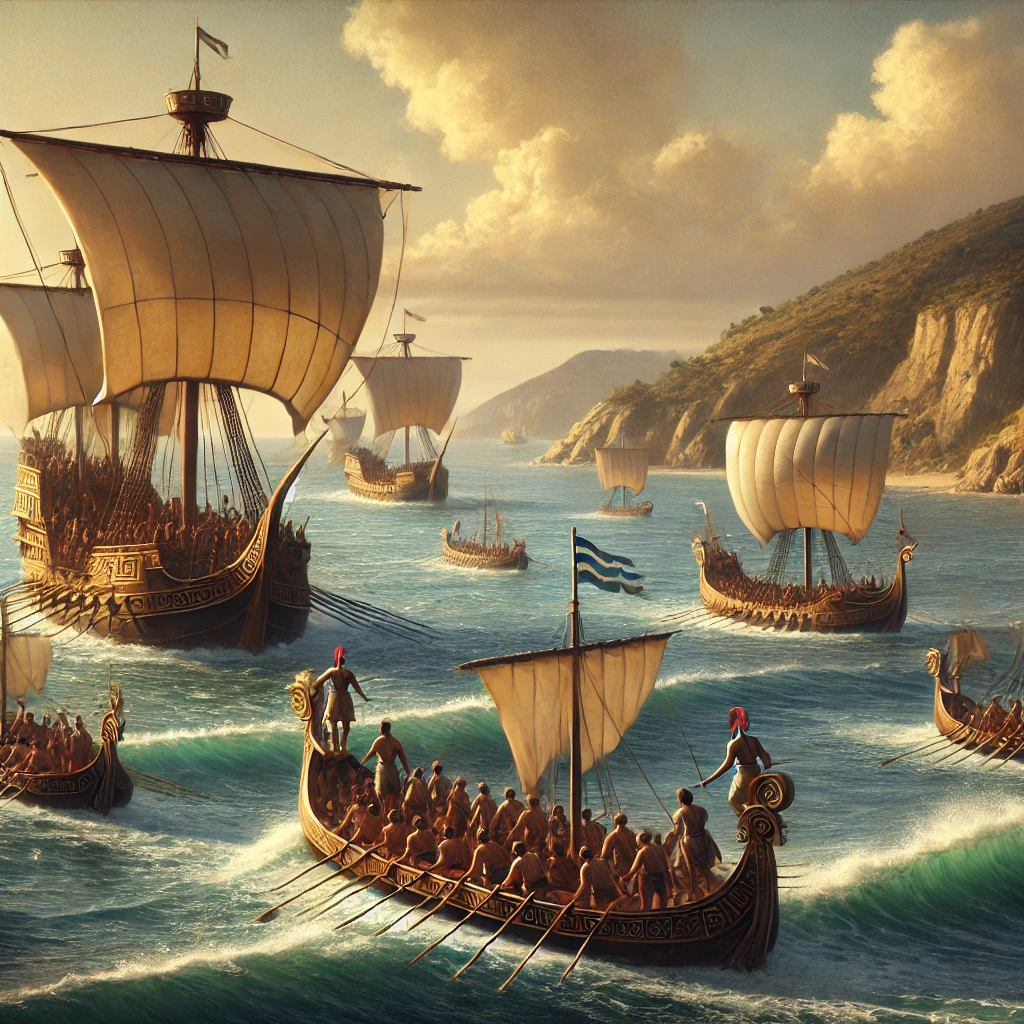
Ancient warships glide across the Aegean near the rugged coast of Salamis, their formation hinting at Solon’s cunning strategy in the silent buildup to victory.

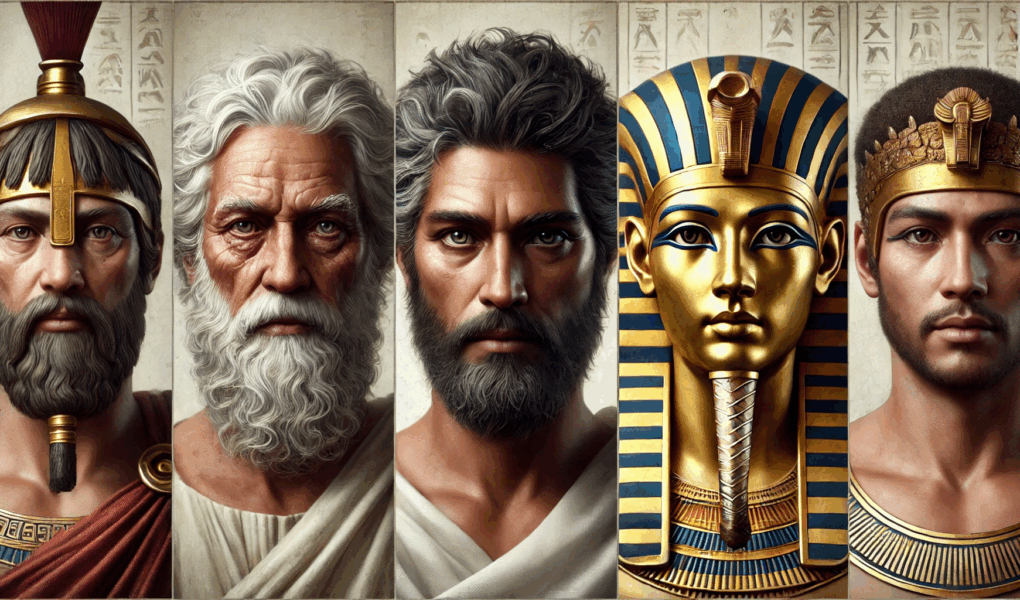
Solon’s calm brilliance, Draco’s austere authority, and the High Priest’s ancient knowledge—all captured in a single gaze-forward lineup. Their expressions reflect the tension and transformation of a world on the edge of reform and revelation.
His recitations urged Athenians to free Salamis, the isle of his birth, from its vassalage to Megara. His patriotic message motivated the Athenians to repeal the law and appoint Solon to lead the fight to reclaim Salamis.
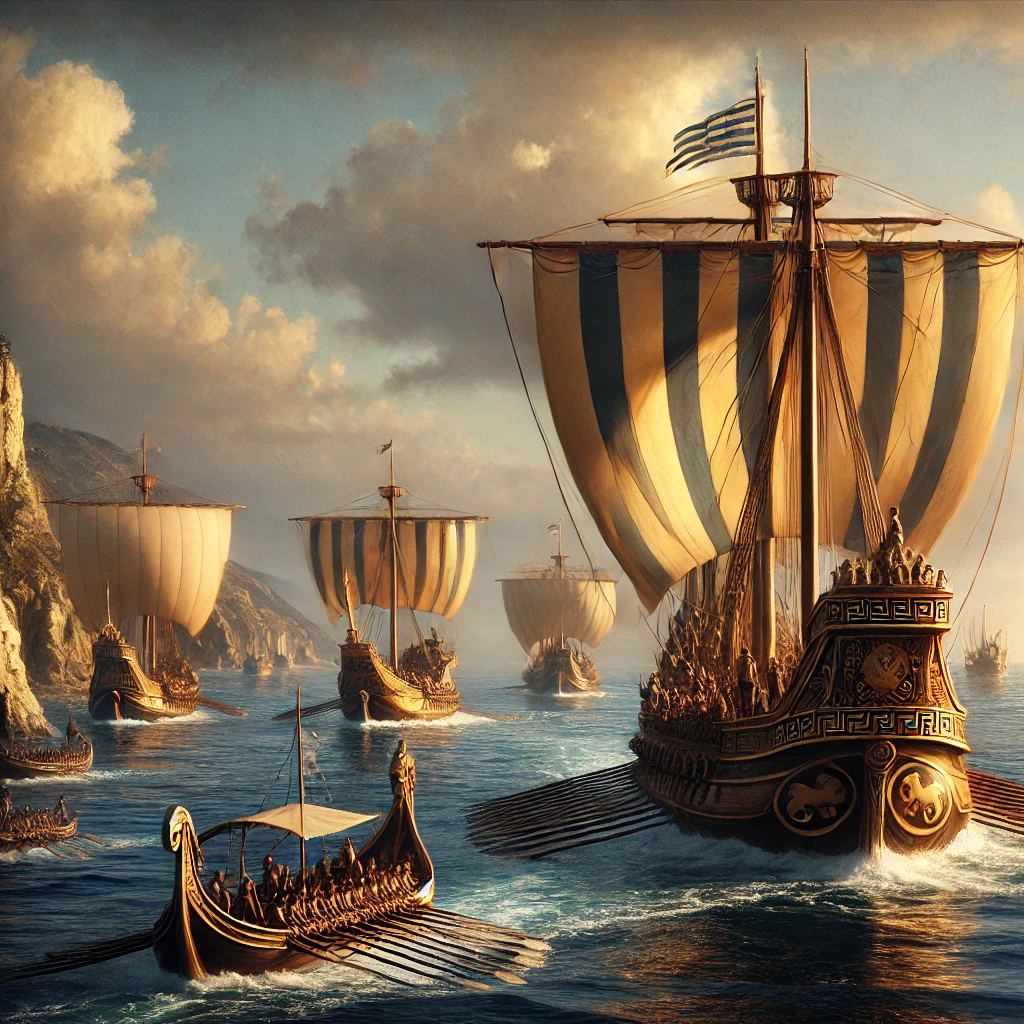
With sails furled and oars ready, Athenian ships quietly position themselves under a glowing Mediterranean sky, symbolizing Athens’ discipline, ambition, and ingenuity at sea.
Solon tricked the Megarians into believing they’d catch Athenian women near Cape Colias, then ambushed and defeated them. He captured a Megarian ship and used it to launch a surprise attack on the city of Salamis.
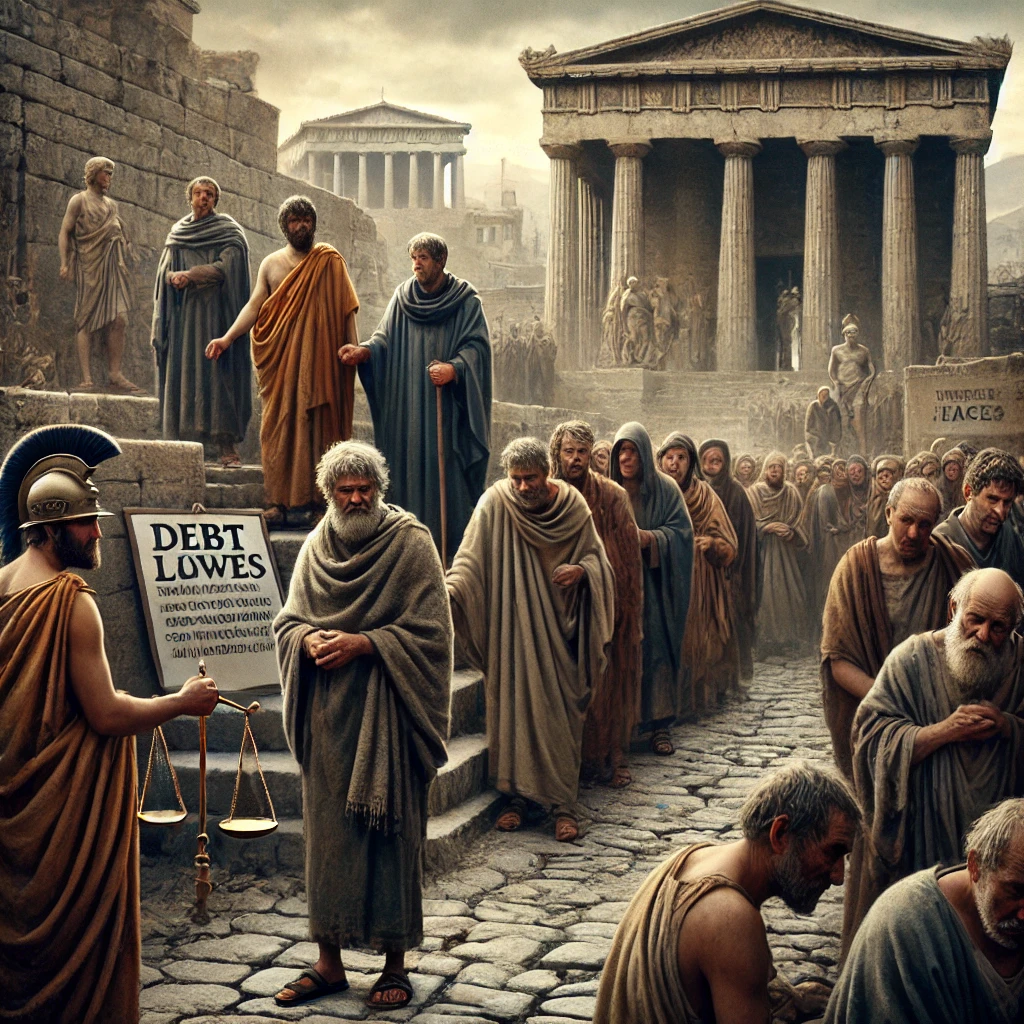
Tension fills the air as a divided Athens lives under the grip of Draco’s rule. Harsh decrees posted in stone mark a time when justice favored the powerful, and freedom was far off.
After the Athenians beat the Megarians, the Megarians still refused to give up their claim to Salamis. Athens and Megara requested that Sparta arbitrate their dispute. Sparta ruled that Salamis was again Athenian territory.
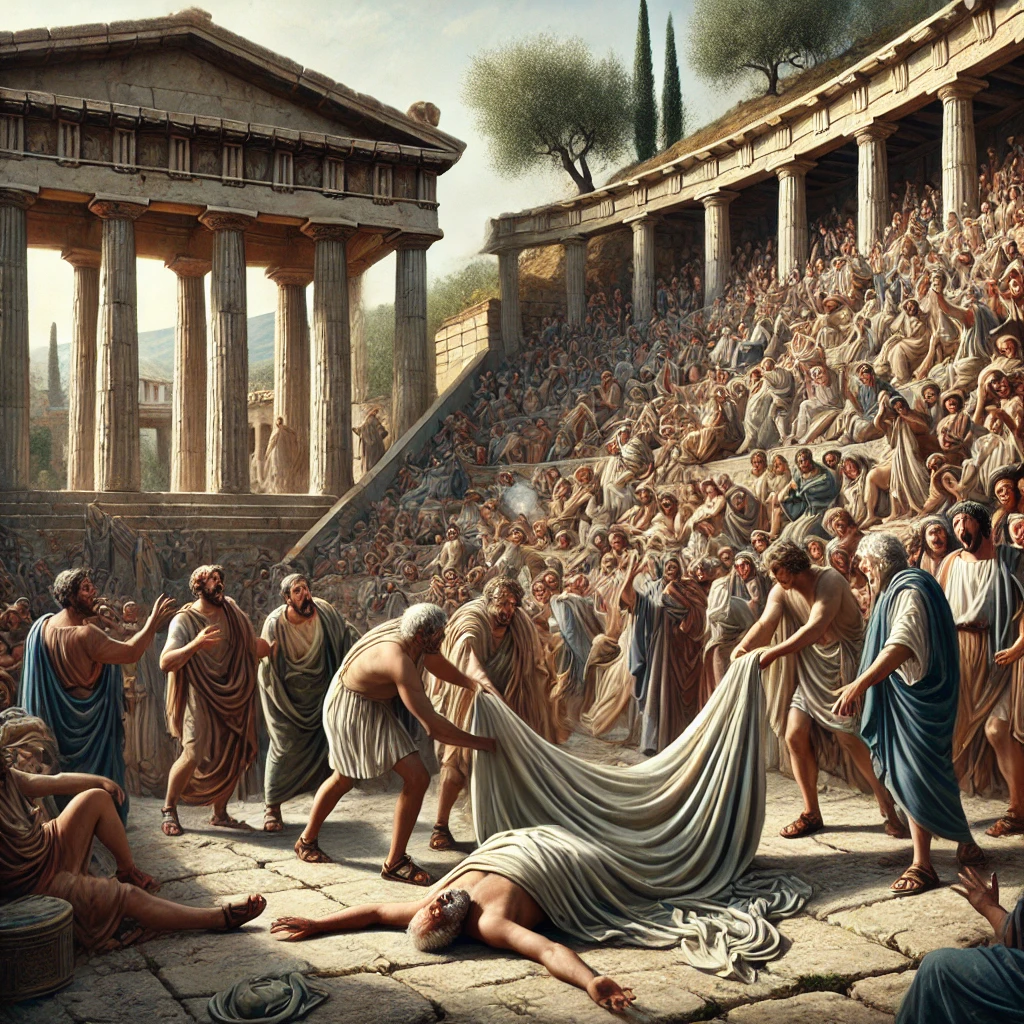
In a wave of symbolic defiance, Athenians hurl cloaks upon Draco, smothering the harsh lawgiver under a mountain of garments. The act ends a regime and marks the beginning of a revolution.
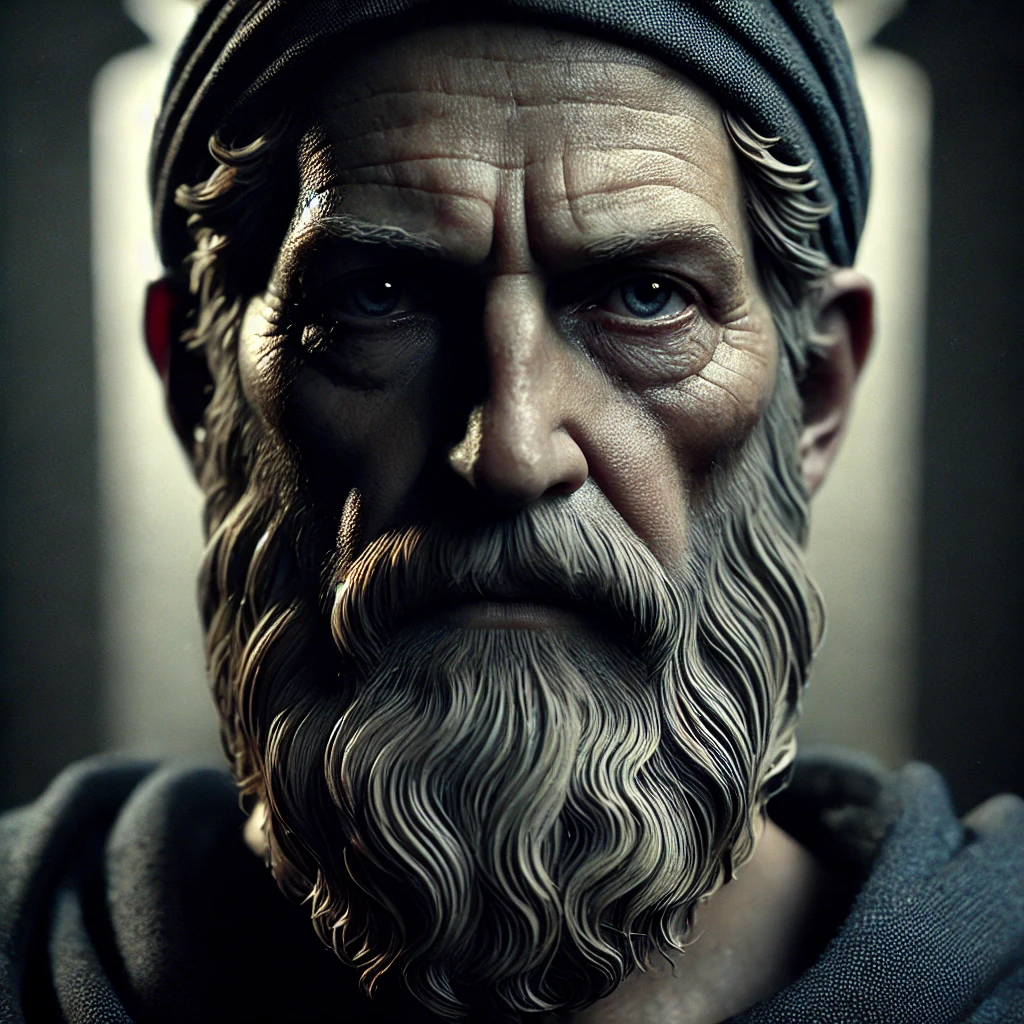
With an unyielding gaze and solemn brow, Draco stands as the personification of early Athenian law—stern, absolute, and etched with the gravity of his legacy.
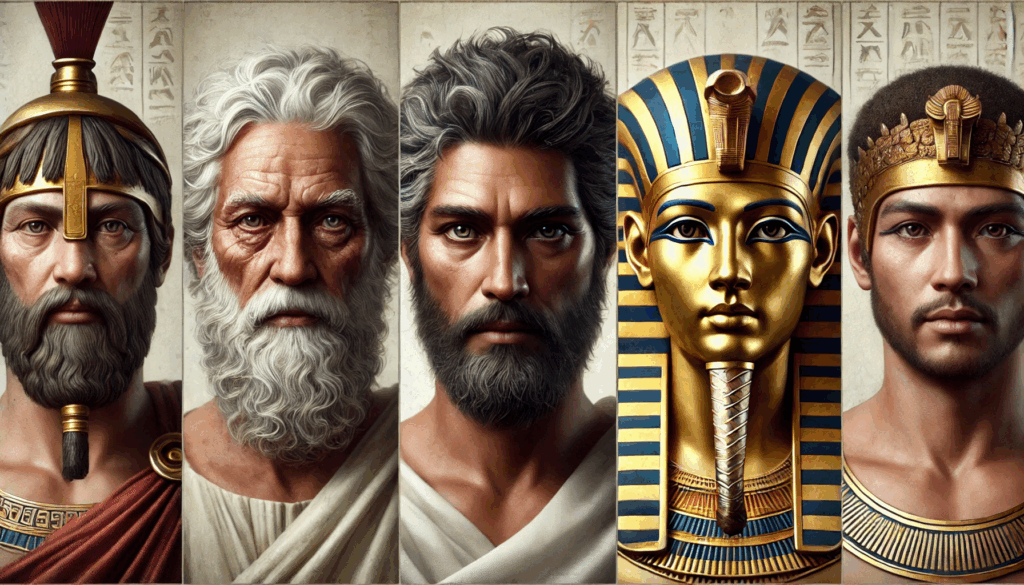
A lineup of key figures from ancient Greece and Egypt: a Megarian warrior, the harsh lawgiver Draco, the reformer Solon, an Egyptian high priest, and a pharaoh-like figure hinting at Anunnaki influence—each gazing forward, bridging history and legend.
ATHENIANS SMOTHERED DRACO & REPLACED HIM WITH SOLON AS DICTATOR
The Athens to which Solon returned was the harsh dictatorship of Draco and his Council of Oligarchs. NOBLES-BY-BIRTH owned the best land, ran the government, and left poorer landowners indebted beyond their means to repay. The new, wealthy owners either let them stay on the land they had owned as serfs or sold them as slaves.
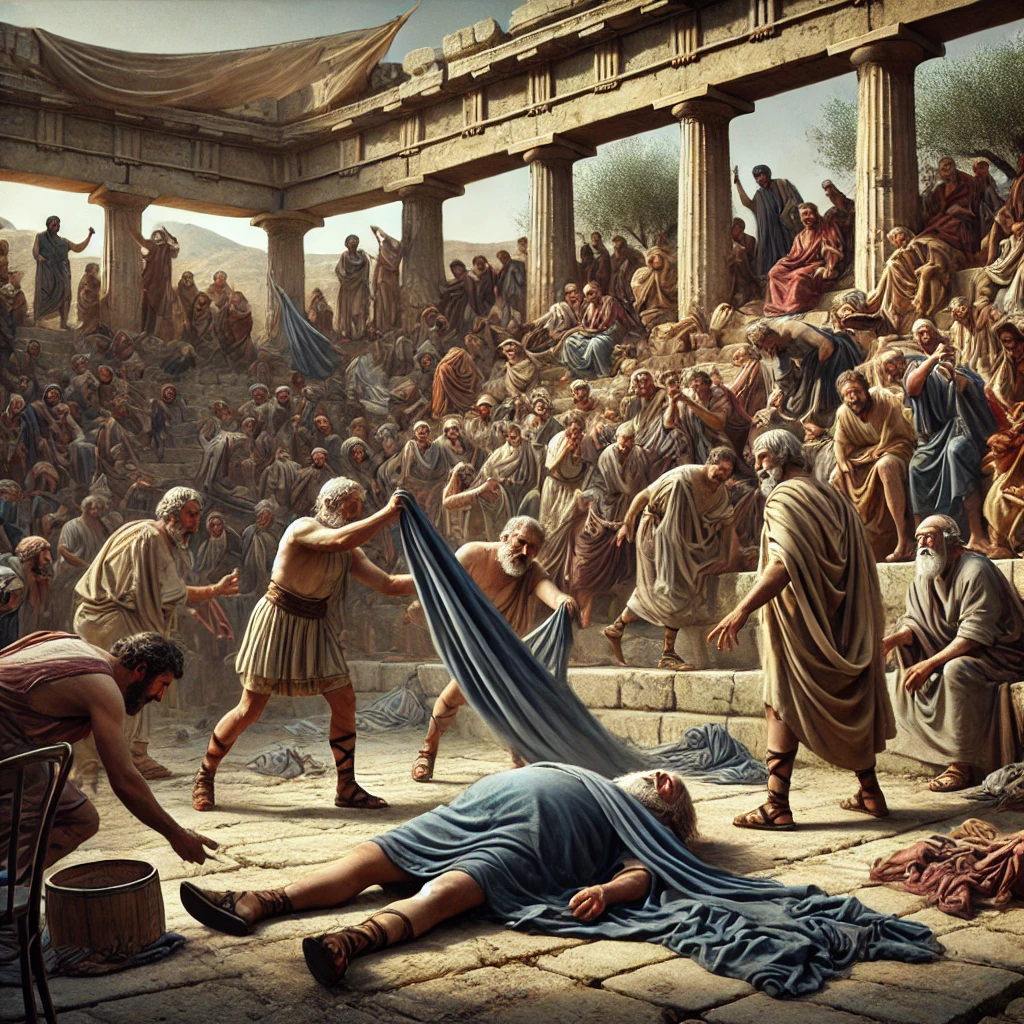
Draco staggers beneath layers of clothing tossed by the very people his laws oppressed. The stone theater echoes with tension, as democracy stirs from the crowd’s silent rebellion.
In the last days of Draco’s rule, dissidents–small landowners who avoided the borrowing trap, artisans & merchants–rallied behind Solon. The dissidents killed Draco in the Aeginetan theater around 600 BCE, in what started as a show of support for him that took the form of tossing him articles of clothing. But the dissidents kept tossing cloth until Draco was buried and smothered. Sic semper tyrannis.
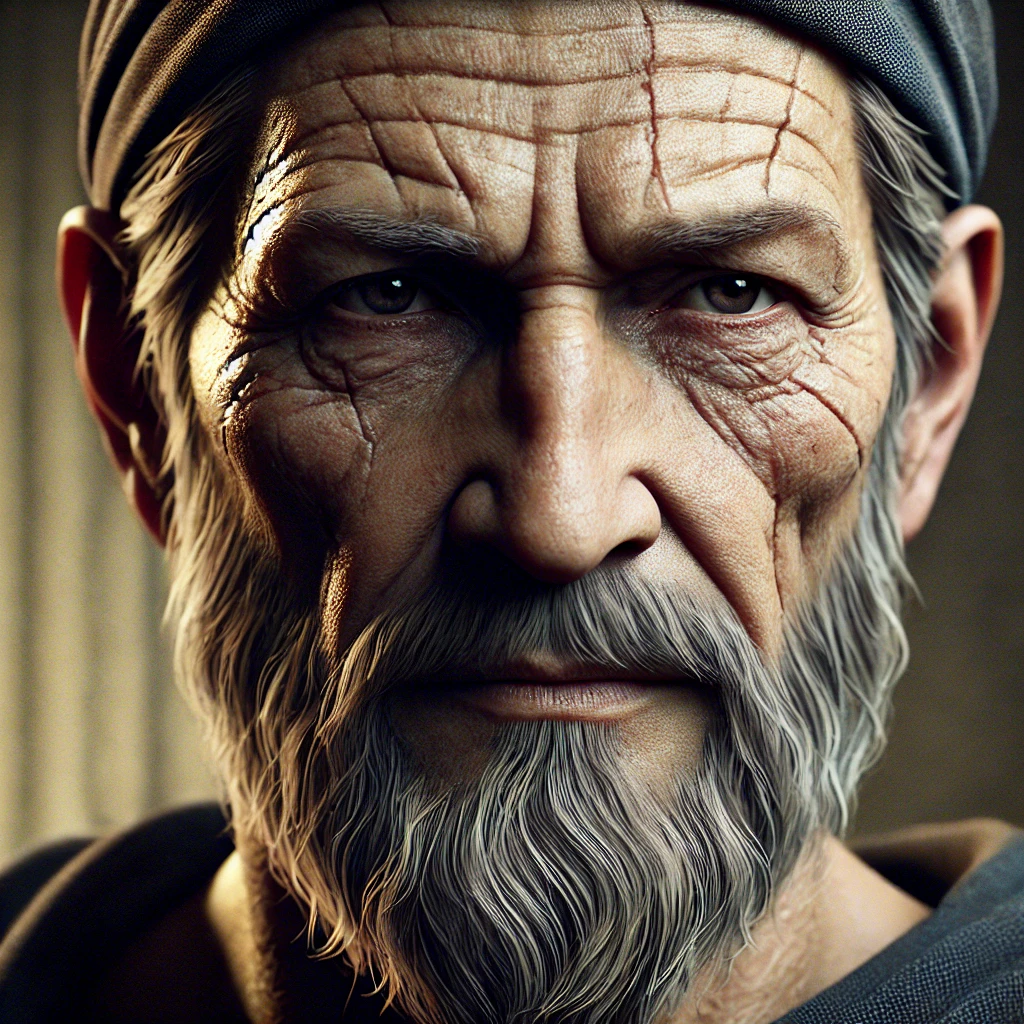
Marked by age and authority, Draco’s eyes reveal a lifetime of order and austerity. His weathered features speak to a man who governed not with compassion, but with control.
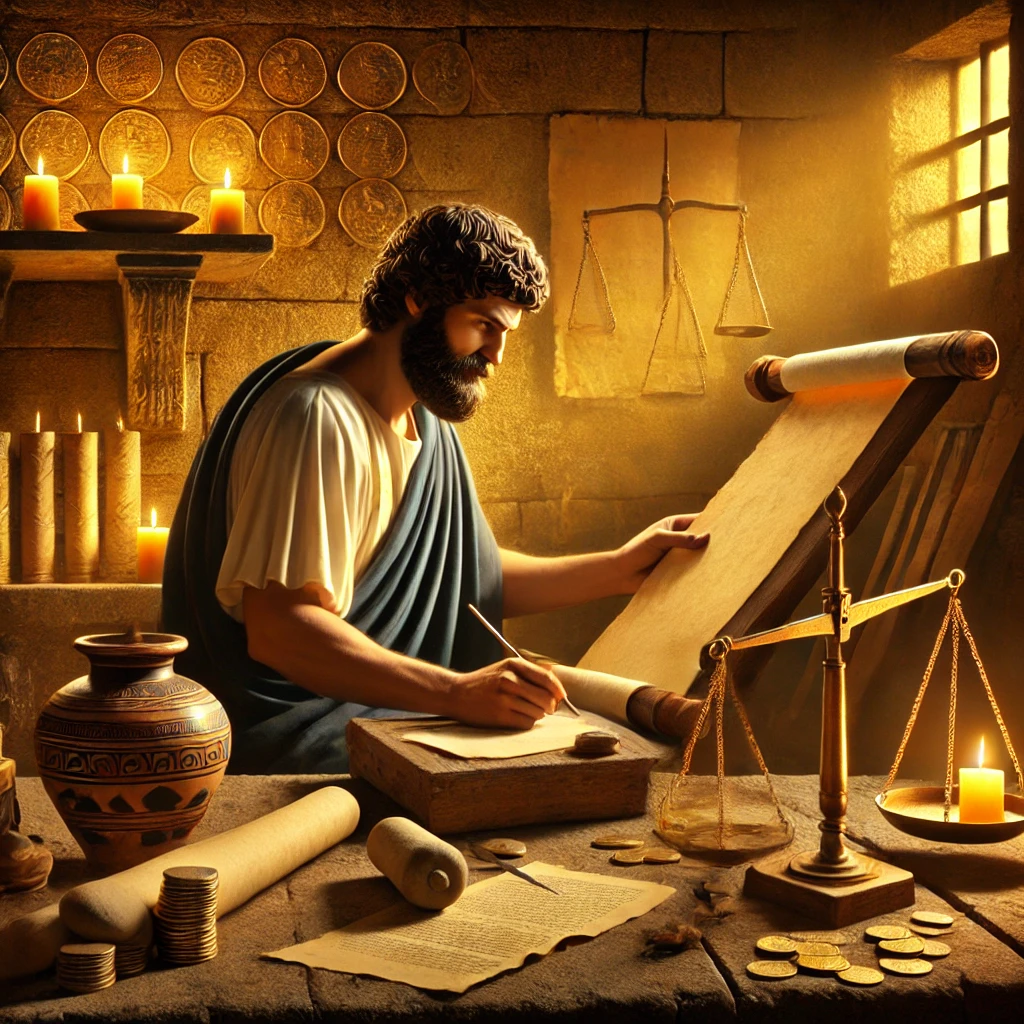
In a quiet chamber lit by flickering oil lamps, Solon writes with intent and clarity. Surrounding him are the tools of reform—scales, scrolls, and the silent weight of revolution.
SOLON’S REFORMS; Solon
canceled all debt (like Biden tried to do for college loans),
gave back all forfeited land,
freed all enslaved Athenians

From aristocrat to farmer, each man stands equally under the law. Symbols of trade, military, and agriculture highlight Solon’s revolutionary income-based civic structure—an early blueprint for democracy.
Created trades & professions
minted coins for Athens &
create new, uniform weights & measures.
Athenian coins, olive oil, and pottery circulated throughout the commercial world of the time.
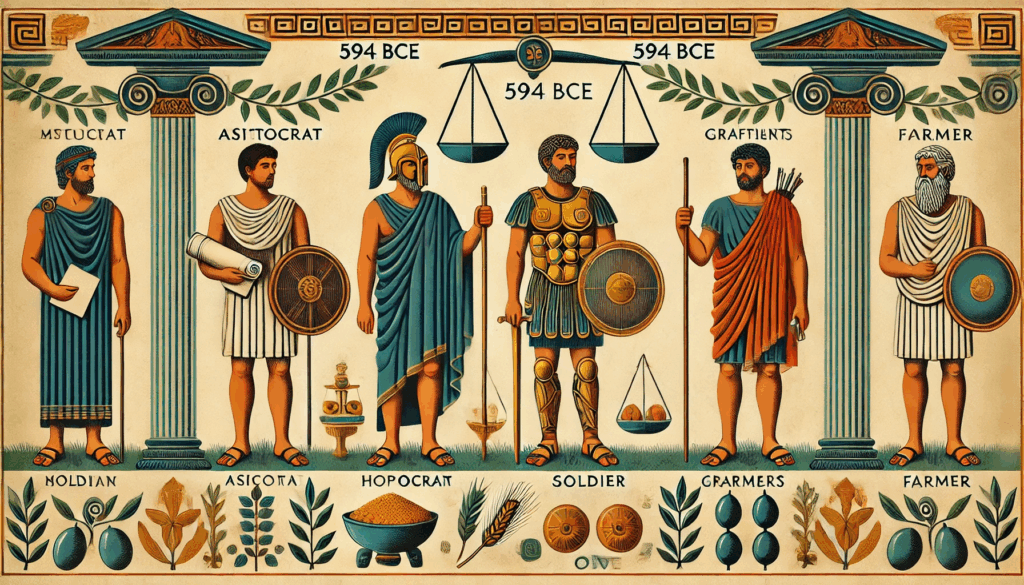
Stylized and structured, this panel presents Solon’s reclassification of citizens not by birth but by contribution. The golden scales above represent his vision of fairness and shared governance.
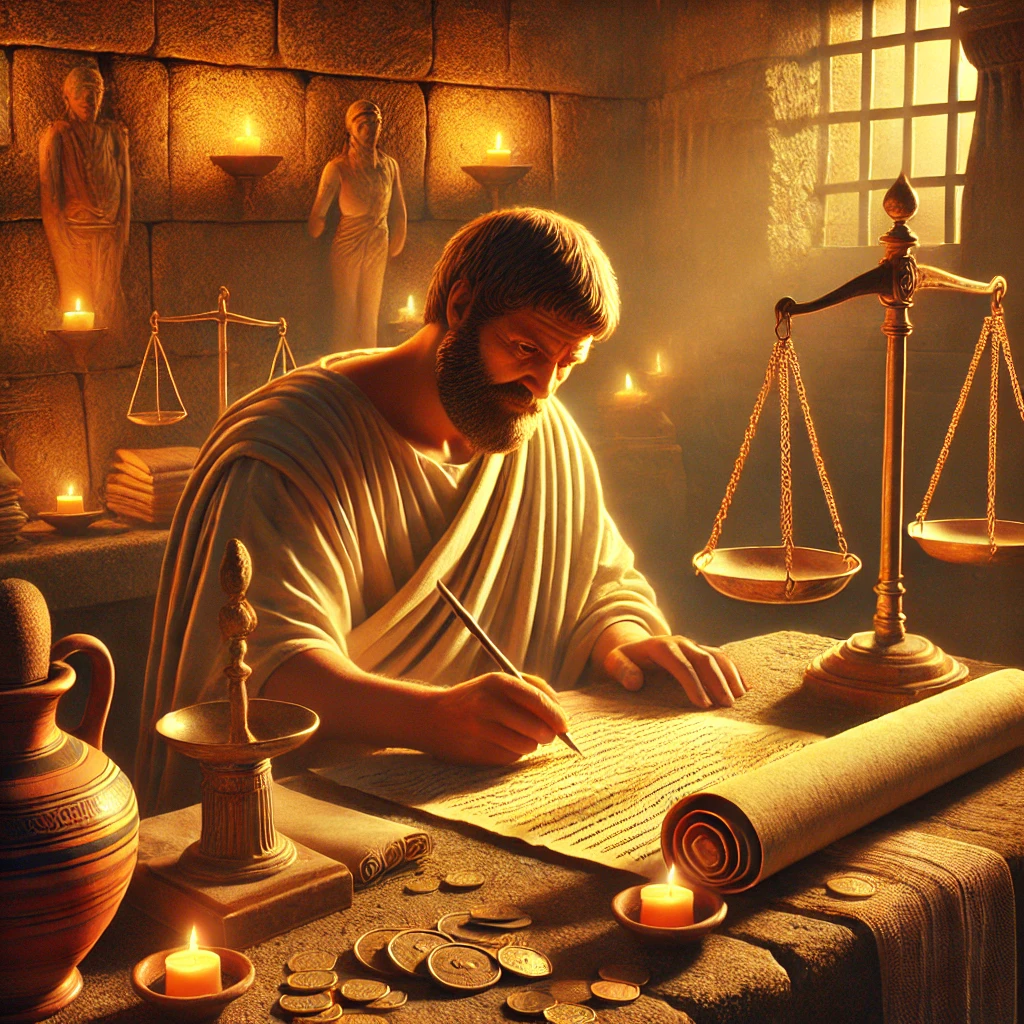
Focused and serene, Solon pens Athens’ first Constitution, surrounded by symbols of trade, justice, and civic order. His solitary labor plants the seeds of democratic governance.
Solon wrote a NEW CONSTITUTION that ended aristocrats’ control, ordered a CENSUS of annual income (reckoned grain, oil, & wine) & divided the citizens into FOUR INCOME CLASSES. In each class, all men were equal without regard to birth.
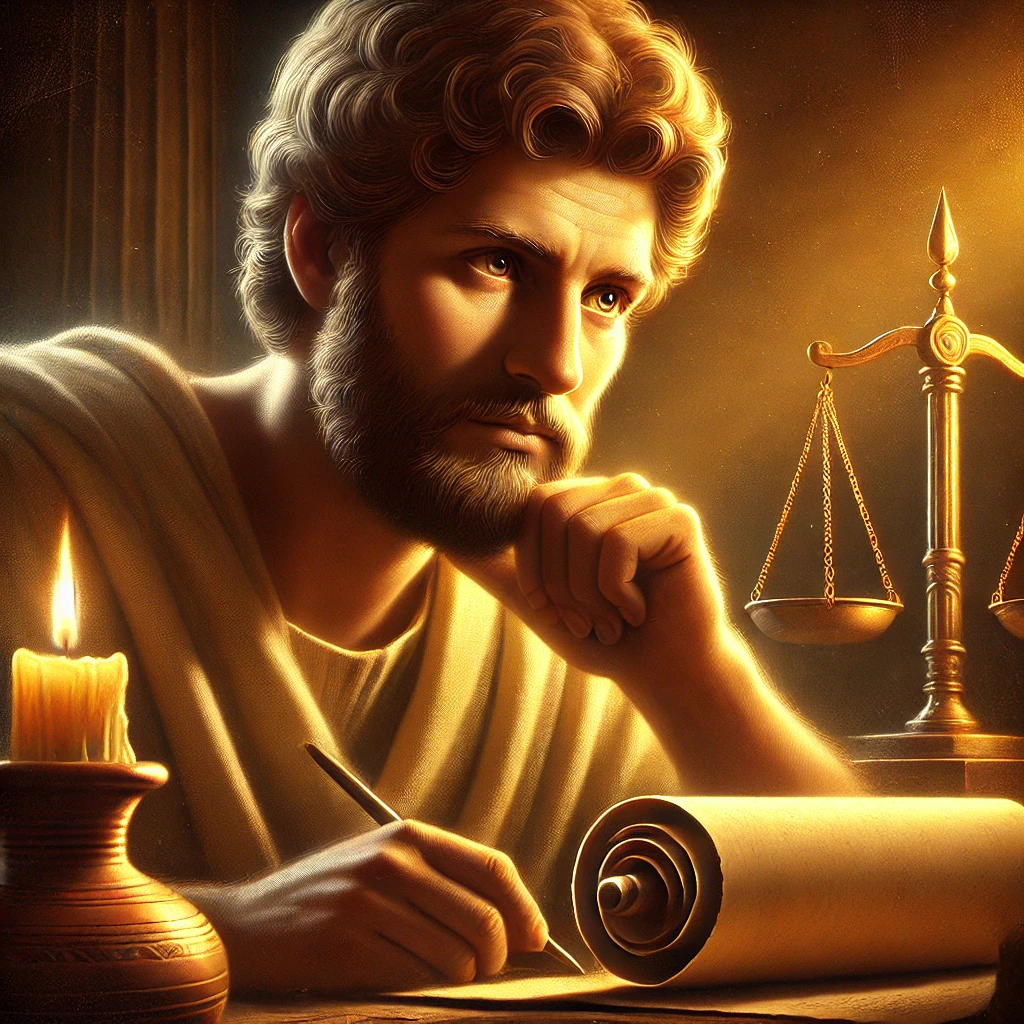
His face lit by warm lamplight, Solon studies a scroll with unwavering focus. Surrounded by symbols of fairness and order, the birth of Athenian democracy begins in quiet resolve.
Under Solon’s Constitution, all citizens could attend the General Assembly (Ecclesia), which became the sovereign body, legislating, passing laws, electing officials, and hearing appeals from court rulings.
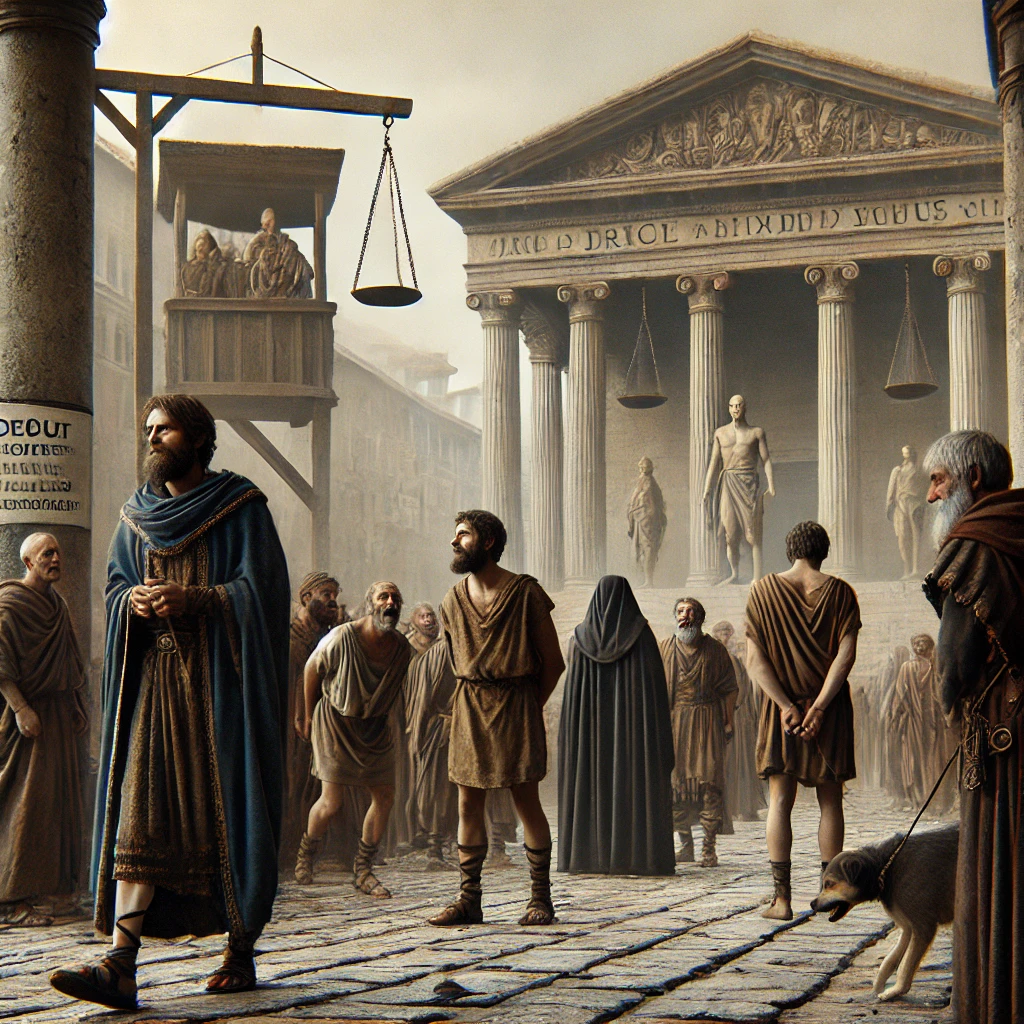
Beneath leaden skies, nobles walk untouched while debtors are led away in silence. The weight of Draco’s laws hangs heavy on the streets of Athens, dividing rich from poor.
All men, except those in the poorest class, might serve for a year at a time on a Council of 400 to write the Assembly’s agenda. Only men from the two top courses could hold the highest offices.
Solon’s new code of laws superseded Draco’s. Solon revised every statute except the law punishing murder.
SOLON BOUND ATHENS TO TEN YEARS OF PEACE & SAILED OFF TO SEE THE WORLD

Cloaked in golden twilight, Solon gazes toward Athens one last time before vanishing into mystery. The sea before him shimmers with ancient secrets and distant, forgotten lands.
Finally, he decreed that only he could repeal any law he wrote for 10 years, & then left Greece to travel for 10 years, so Athens was stuck with his laws for a decade. Solon left Athens and sailed off to see the Mediterranean civilizations and even beyond Gibraltar.
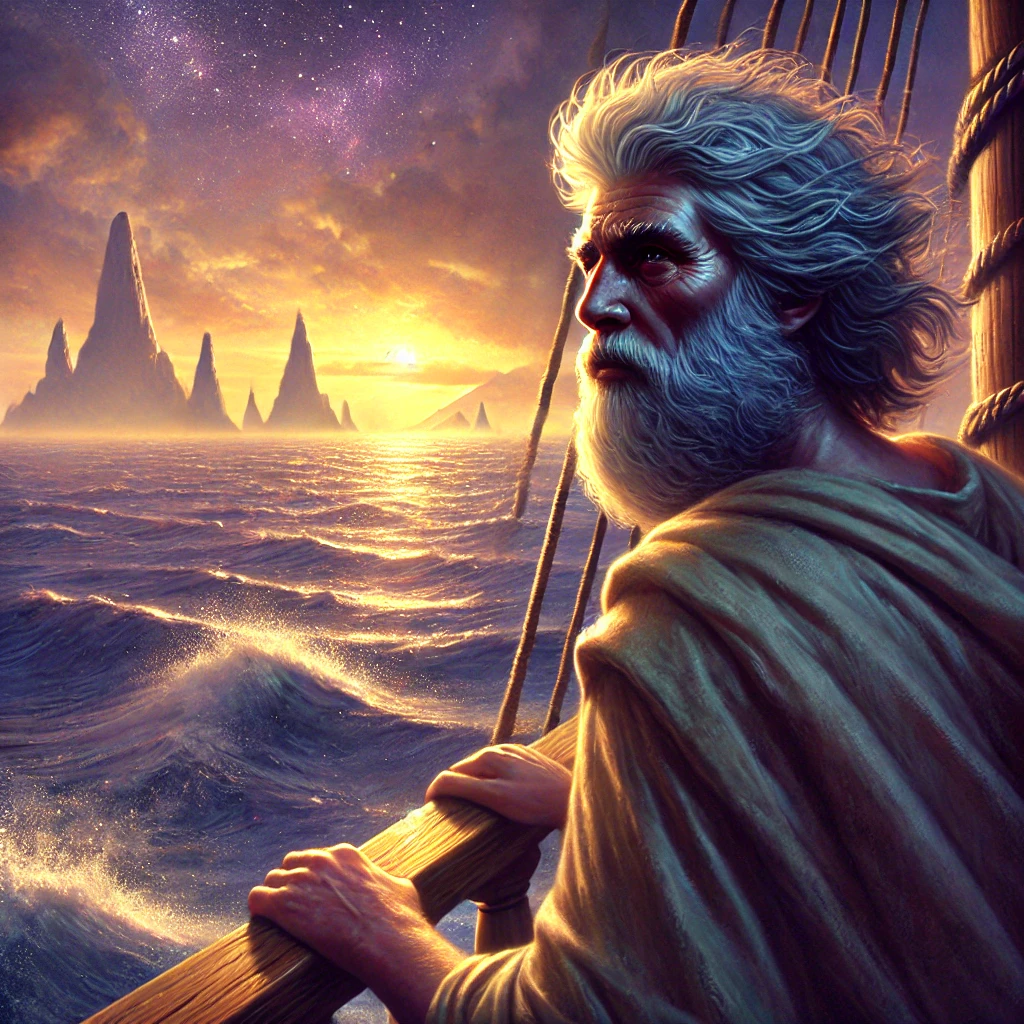
Windswept and resolute, Solon looks into the setting sun as distant lands shimmer with ancient secrets. The sea carries not just a man, but the legacy of law into legend.
SOLON’s poetry stirred Athens to take Salamis, ruled Athens as sole lawgiver, then sailed away for 10 years, during which only he could repeal laws.
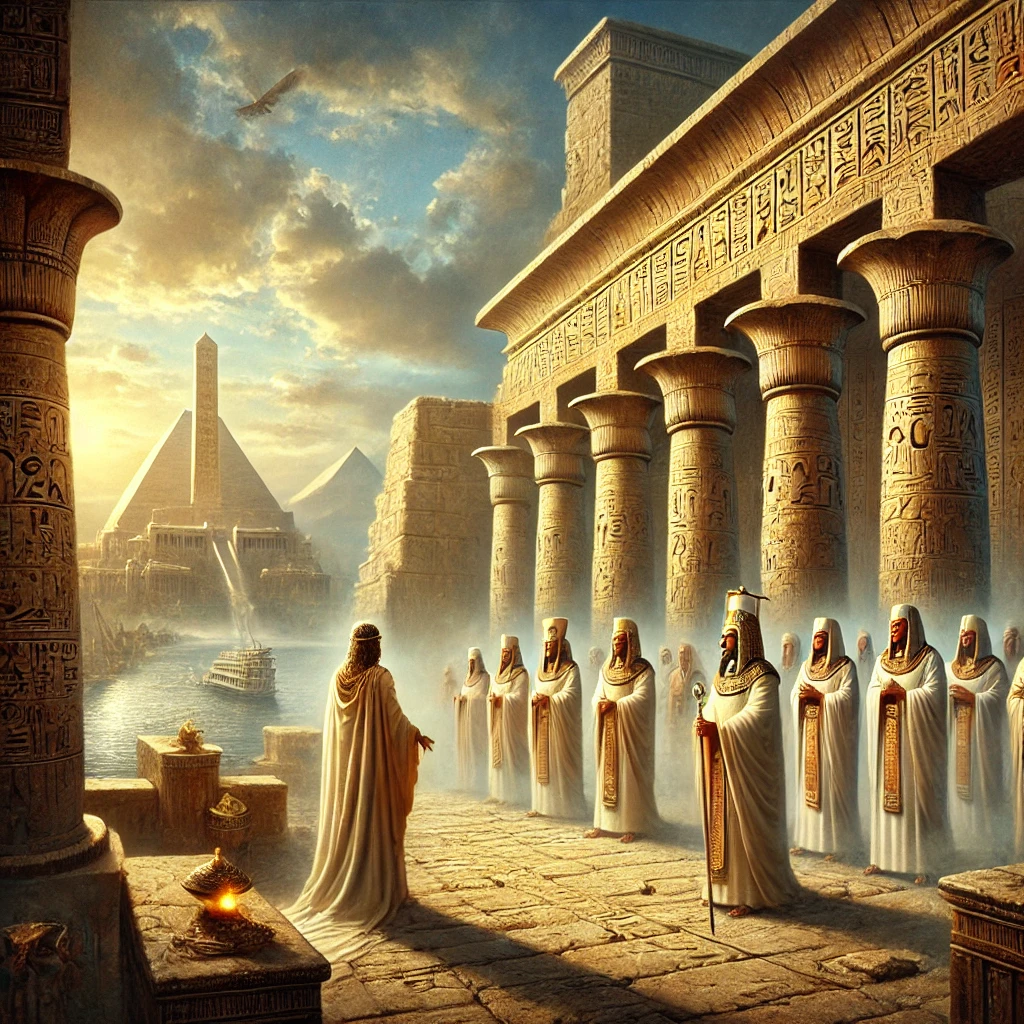
At the foot of a massive temple, Solon listens to Egyptian sages beneath skies touched by the ancient. Behind them, lost worlds beckon—bridging Greek reason and older mysteries.
In U.S. history, the closest parallel to Solon was Ulysses S. Grant. Grant, like Solon, freed the slaves and enforced their rights with Federal troops. Grant’s VP, Johnson, a Southerner who succeeded Grant, let the South’s White supremacists re-enslave Black people as tenants and convicts guilty of unemployment.

A Megarian war commander glares from behind his bronze helm, defiance etched in steel. Beside him, an Athenian dissident’s fiery eyes speak of revolution and sacrifice. At the edge stands a regal Anunnaki-like figure—ancient, adorned, and unreadable—an echo of forgotten influence behind civilization’s rise.
📌 Tags (comma-separated):
Solon, Draco, Megara, Salamis, Ancient Greece, Ancient Egypt, Anunnaki, Egyptian priest, Greek lawgiver, Athenian democracy, Sumerian influence, mythic history, classical reform, Sasha Alex Lessin, ancient civilizations, Atlantis, ancient wisdom, historical fiction, ancient myths

GREEK CHRONOLOGY
c. 6000 BCE – 2900 BCE
Neolithic Age settlements in Greece marked the beginning of agriculture.
c. 3200 BCE – 1100 BCE
The Cycladic Civilization in Greece.
2300 BCE
Bronze is used in the Aegean.
2200 BCE – 1500 BCE
The Minoan Civilization flourished on Crete, Greece. King Minos establishes the first navy in the region.
2000 BCE – 1450 BCE
Minoan civilization in Crete and the Aegean.
2000 BCE
Early Greeks settle in the Peloponnese.
1900 BCE – 1100 BCE
Mycenaean civilization in Greece and the Aegean.
1650 BCE – 1550 BCE
Eruption of Thera and consequent tidal waves, destruction of Akrotiri and other Aegean centres.
1100 BCE
The Dorians occupied Greece.
c. 1100 BCE
Greeks implemented the use of individual tombs and graves.
c. 900 BCE
Sparta is founded.
c. 800 BCE – c. 700 BCE
Homer of Greece wrote his Iliad and Odyssey.
800 BCE – 500 BCE
Greek colonization of the Mediterranean and Black Sea.
c. 800 BCE – 500 BCE
Archaic period of Greece.
c. 740 BCE – c. 433 BCE
Greek poleis or city-states establish colonies in Magna Graecia.
733 BCE
Corinth founds the colony of Syracuse in Sicily.
683 BCE – 682 BCE
List of annual archons at Athens begins.
c. 660 BCE
Pheidon is tyrant in Argos.
c. 657 BCE – 585 BCE
The Kypselidai are tyrants of Corinth.
c. 650 BCE
Sparta crushes the Messenian revolt.
650 BCE – 600 BCE
Age of law-givers in Greece.
650 BCE
Earliest large-scale Greek marble sculpture.
*594 BCE – 593 BCE
In Athens the archon SOLON LAYS THE FOUNDATIONS FOR DEMOCRACY.
580 BCE – 376 BCE
Carthage and Greece fight for dominance in Sicily.
c. 560 BCE
Pisistratos becomes Tyrant in Athens for the first time.
c. 550 BCE – c. 366 BCE
Peloponnesian League alliance between Sparta, Corinth, Elis and Tegea which establishes Spartan hegemony over the Peloponnese.
546 BCE – 545 BCE
Persian conquest of Ionian Greek city-states.
539 BCE
The Etruscan & Carthaginian alliance expels the Greeks from Corsica.
535 BCE – 522 BCE
Polycrates rules as tyrant of Samos.
c. 525 BCE – c. 456 BCE
Life of Greek tragedy poet Aeschylus.
522 BCE
Darius I (Darius the Great) succeeds to the throne of Persia after the death of Cambyses II.
514 BCE
Fall of the Peisistratid tyranny in Athens.
514 BCE
The tyrant of Athens Hipparchos is killed by Harmodios and Aristogeiton – the ‘tyrannicides’.
c. 508 BCE
Reforms by Cleisthenes establish democracy in Athens.
499 BCE – 493 BCE
Ionian cities rebel against Persian rule.
c. 498 BCE
Ionians and Greek allies invade and burn Sardis (the capital of Lydia).
c. 497 BCE – c. 454 BCE
Alexander I reigns as King of Macedon.
c. 495 BCE
Birth of Pericles.
492 BCE
Darius I of Persia invades Greece.
11 Sep 490 BCE
A combined force of Greek hoplites defeat the Persians at Marathon.
487 BCE – 486 BCE
Archons begin to be appointed by lot in Athens.
486 BCE
Xerxes succeeds to the throne of Persia after the death of Darius I.
c. 483 BCE
Themistocles persuades the Athenians to significantly expand their fleet, which saves them at Salamis and becomes their source of power.
480 BCE – 323 BCE
The Classical Period in Greece.
Jul 480 BCE
Xerxes I made extensive preparations to invade mainland Greece by building depots, canals, and a boat bridge across the Hellespont.
Aug 480 BCE
The indecisive battle of Artemision between the Greek and Persian fleets of Xerxes I. The Greeks withdraw to Salamis.
Aug 480 BCE
Battle of Thermopylae. 300 Spartans under King Leonidas and other Greek allies hold back the Persians led by Xerxes I for three days, but are defeated.
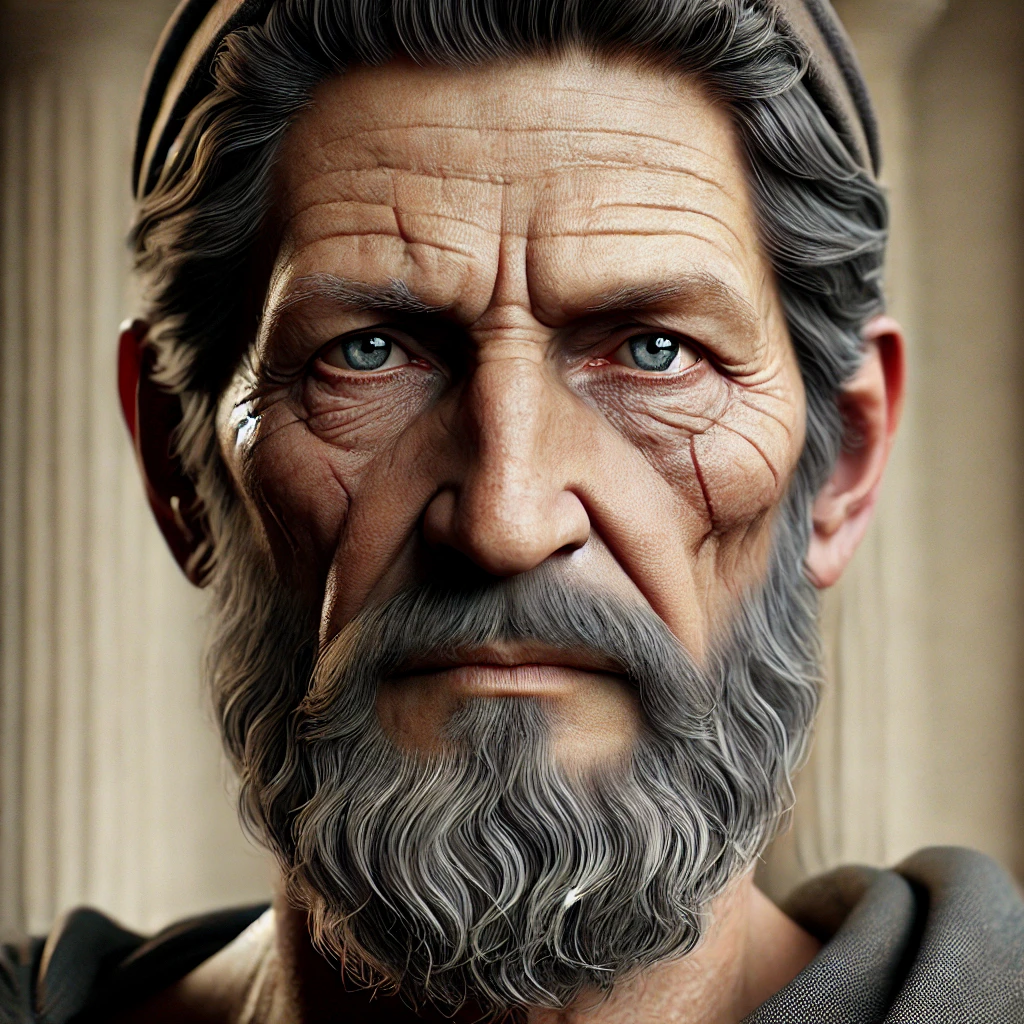
With a steely gaze and furrowed brow, Draco’s face bears the weight of justice uncompromised. This is not a statue, but the man whose laws etched fear into Athenian memory.
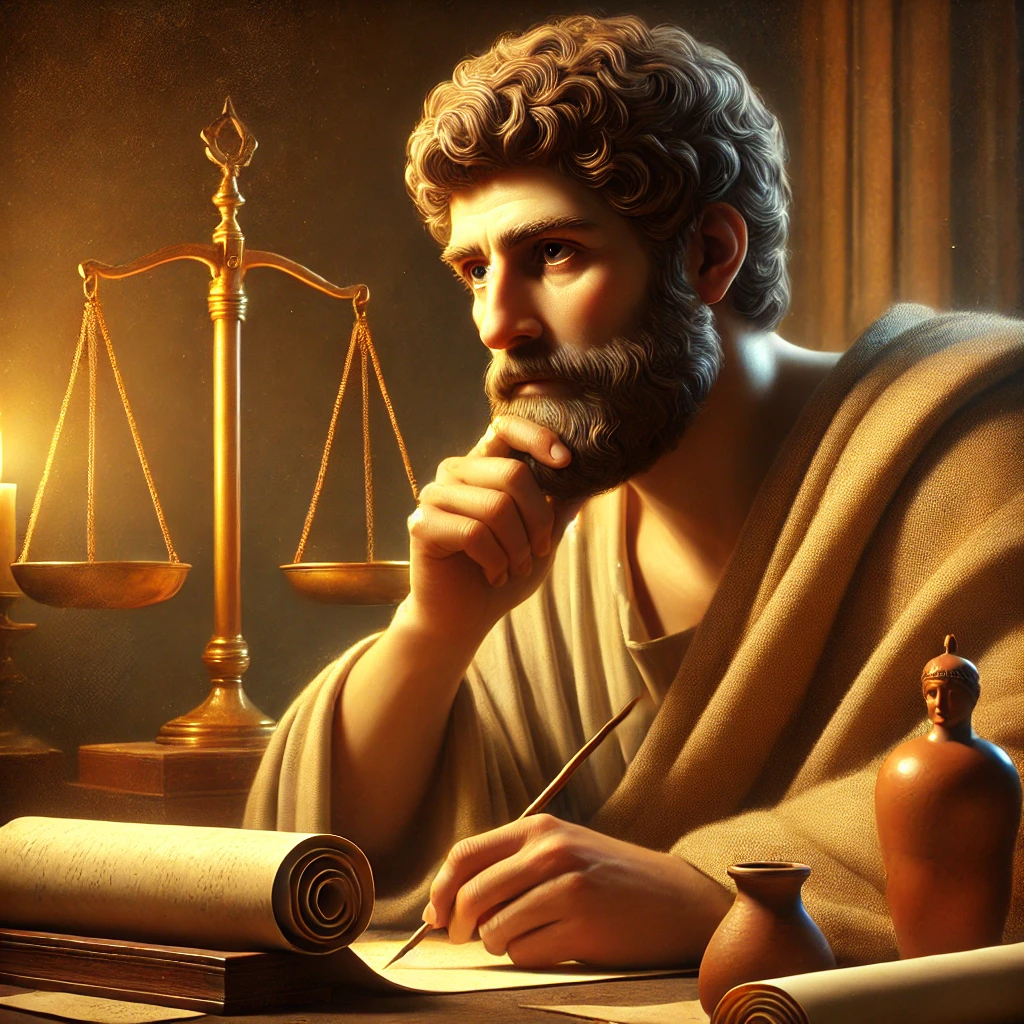
Scroll in hand, eyes narrowed with wisdom, Solon sits surrounded by justice’s early tools. In this moment of stillness, the foundation of a freer Athens is written into history.
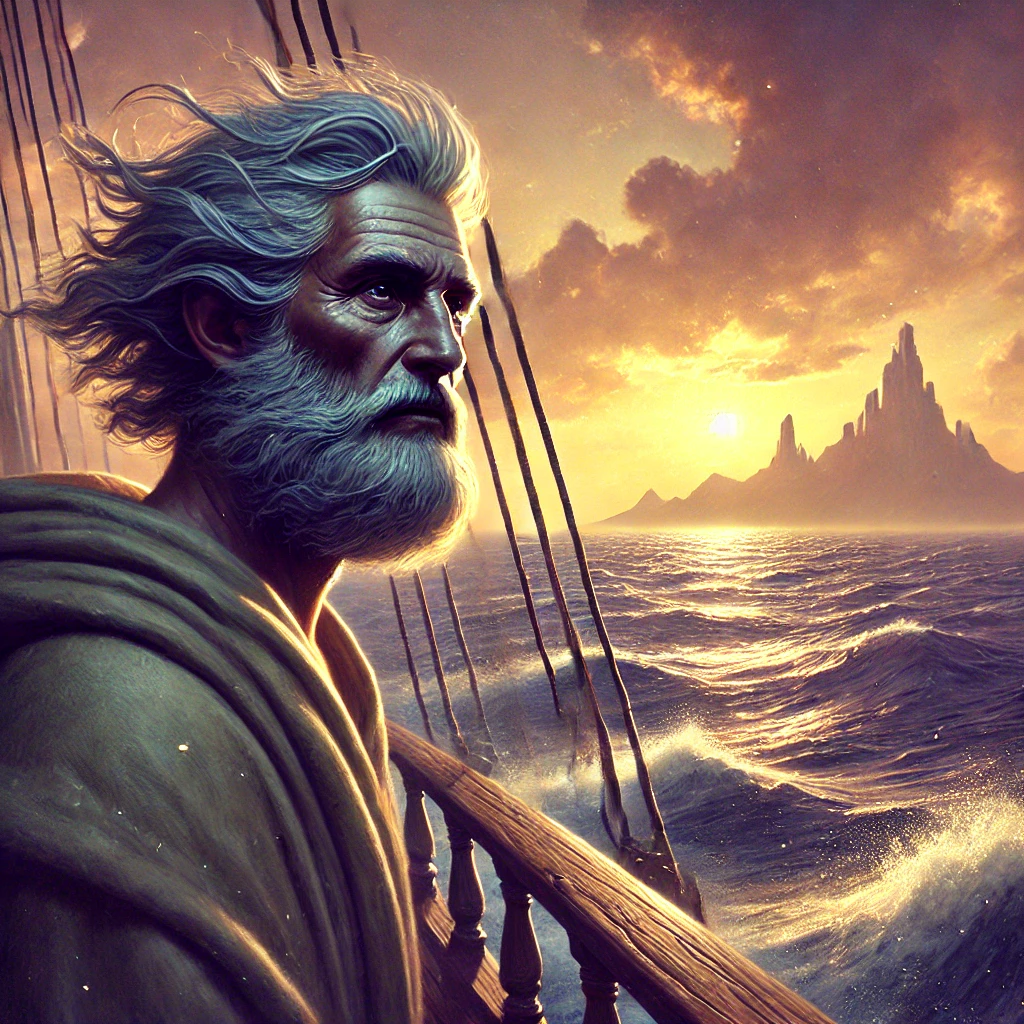
Solon’s eyes hold the weight of Athens and the pull of forgotten worlds. As his ship cuts across the twilight sea, he sails not just to foreign shores, but toward buried truths.
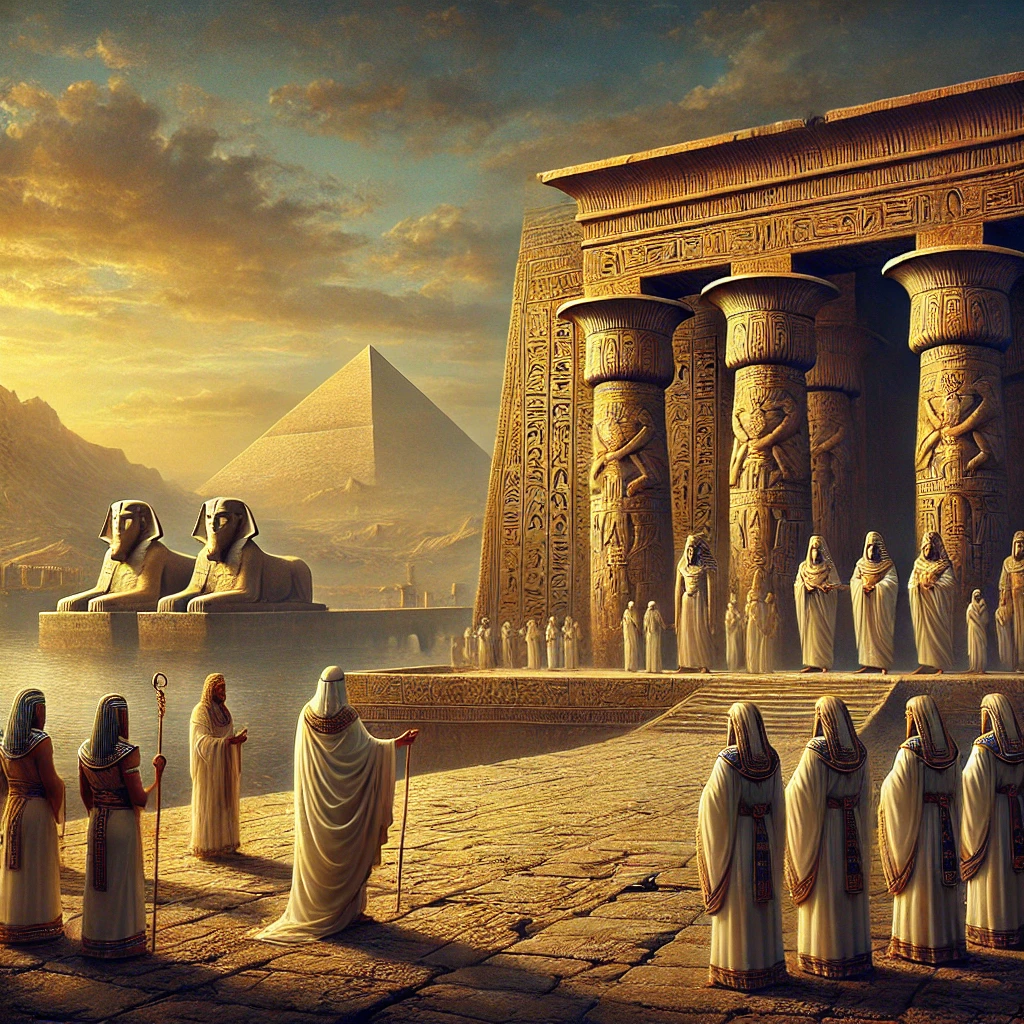
As the Nile glows beneath a mythic sky, Solon absorbs truths whispered from temples and ruins—civilizations buried deep in time, where memory and myth converge.
…
